Introduction
Many distributors want growth, but an unbalanced product range often leads to slow-moving SKUs and weak shelf impact. Building a strong tropical beverage portfolio is not about adding more products—it’s about selecting the right mix that fits market demand, channels, and pricing.
1. Why Balance Matters
A well-structured portfolio helps distributors grow sustainably. Instead of relying on a single category, a balanced mix allows for better cross-selling and reduces risk. It also improves how products perform across retail, wholesale, and foodservice channels.
2. Build the Right Category Mix
A strong range usually combines core categories like tropical juice, coconut-based drinks, and aloe vera beverages. Each plays a different role—some drive volume, while others add uniqueness or premium appeal.
When these categories work together, the overall portfolio becomes more effective and easier to scale.
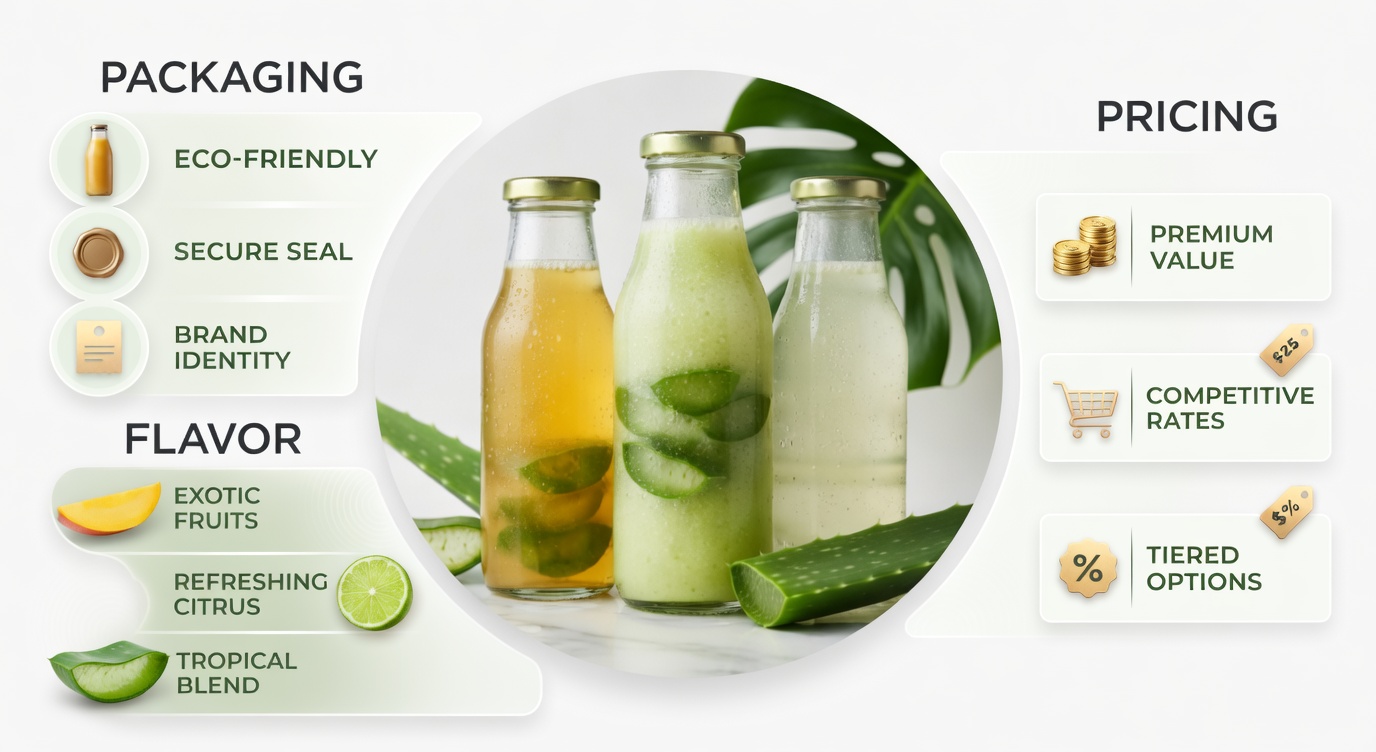
3. Think Beyond Products: Format, Flavor, and Price
Success depends on more than just categories. Packaging formats, flavor selection, and pricing all influence performance.
Distributors should offer:
- Formats suited to different channels (cans, bottles). For example, aluminium can packaging in Europe is gaining popularity thanks to its portability, sustainability, and strong shelf appeal.
- A balance between familiar and distinctive flavors. Exploring options like tamarind juice vs tropical fruit drinks can help create stronger shelf differentiation and attract diverse consumer preferences.
- Pricing that covers both mass and premium segments
This creates flexibility when approaching different customers.
4. Keep It Simple and Channel-Focused
Every product should have a clear role. What works in supermarkets may not work in convenience stores or HoReCa.
At the same time, keeping the portfolio manageable is essential. Too many similar SKUs can create confusion and slow down sales. A focused selection helps teams sell more effectively.
5. Avoid Common Mistakes
Many distributors expand too quickly or copy competitors without a clear strategy. Others overload their range with similar flavors or ignore channel differences.
A strong portfolio is built through careful selection, not quantity.
Conclusion
A successful tropical beverage portfolio is defined by balance, not size. With the right mix of categories, formats, flavors, and pricing, distributors can improve sell-through and build long-term growth.
Contact VINUT to explore a product mix tailored to your market and distribution strategy.
FAQ
What makes a beverage portfolio effective?
A combination of complementary categories, clear product roles, and alignment with target channels.
How many products should distributors start with?
A focused core range is usually more effective than launching too many SKUs at once.
Why is flavor selection important?
It helps balance familiarity and differentiation, which directly impacts sales.
What is the biggest mistake in portfolio building?
Expanding too quickly without a clear strategy or channel focus.