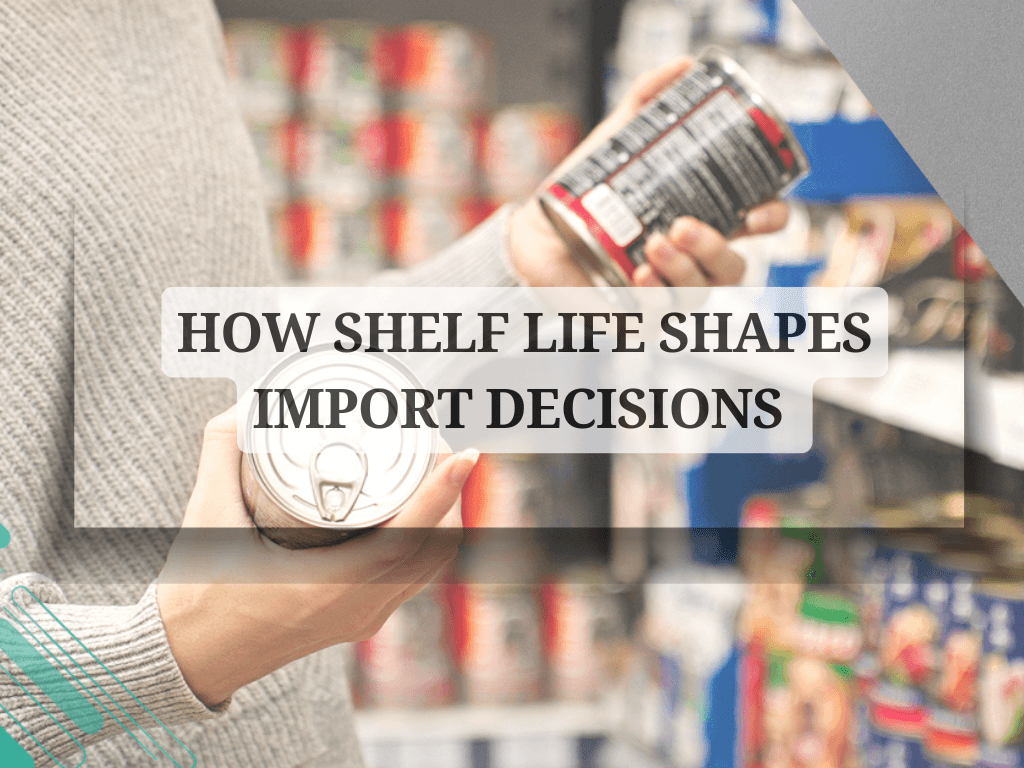
Shelf life is a crucial factor influencing beverage import decisions in global trade. Importers must ensure that products remain safe, high-quality, and sellable throughout the supply chain. A longer shelf life not only reduces risks but also improves flexibility in logistics and distribution, making it a key consideration for exporters aiming to enter international markets.
I. The Strategic Importance of Shelf-Life in Beverage Imports
Beverages often undergo long transit times, including production, shipping, customs clearance, and retail distribution. If products arrive with limited remaining shelf life, importers may struggle to sell them before expiration. This can lead to financial losses, product waste, and reduced trust in the brand.
II. Key Impacts of Product Shelf-Life on Import Viability
Shelf life directly affects multiple aspects of the import process, including:
- Logistics flexibility: Longer shelf life allows for cost-effective sea freight instead of expensive air shipping
- Inventory management: Importers can store products longer and reduce the risk of overstocking
- Retail acceptance: Retailers prefer products with longer expiration windows
- Regulatory compliance: Many countries require a minimum remaining shelf life upon import
- Risk reduction: Lower chances of expired or unsellable goods
III. Balancing Shelf-Life with Core Import Considerations
Shelf life is a critical factor that directly impacts beverage import decisions, especially in competitive global markets. Shelf life plays a key role in logistics planning. Products with shorter shelf life require faster shipping methods.
Factor | Short Shelf Life | Long Shelf Life |
Shipping Method | Air freight (high cost) | Sea freight (cost-effective) |
Risk Level | High (expiration risk) | Low (more selling time) |
Retail Acceptance | Limited | High |
Inventory Flexibility | Low | High |
Market Expansion Potential | Restricted | Strong |
IV. Shelf-Life Compliance: Regulatory and Market Requirements
Different countries impose strict rules regarding shelf life. Many markets require beverages to have at least 50–70% of their shelf life remaining upon arrival. Failure to comply can result in shipment rejection or additional costs. Therefore, exporters must carefully plan production timelines and shipping schedules.
V. Strategic Shelf-Life Solutions for Beverage Exporters
To meet importer expectations, beverage manufacturers should optimize production processes and packaging to extend shelf life. Technologies such as aseptic processing, proper sealing, and high-quality ingredients can significantly improve product stability. Clear labeling and transparent documentation also help build trust with importers.
Conclusion
Shelf life is not just a technical detail—it is a strategic factor that directly impacts beverage import success. By optimizing shelf life, exporters can reduce risks, improve logistics efficiency, and increase competitiveness in global markets.