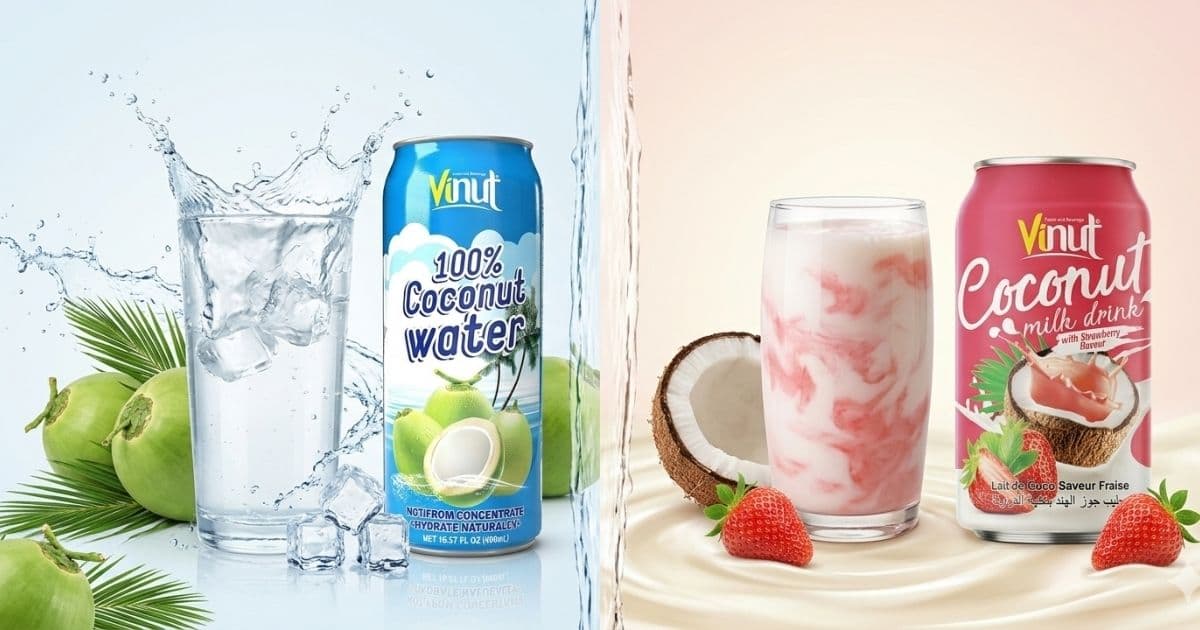
Quick Answer
International buyers often search for “coconut beverages” without realizing that coconut water and coconut milk belong to two very different product categories. This confusion can lead to sourcing mistakes, pricing misunderstandings, packaging mismatches, and weak market positioning.
For importers, distributors, wholesalers, and retail buyers, understanding the commercial distinction between coconut water and coconut milk is essential before making purchasing or expansion decisions. Although both products come from coconuts, they serve different consumer expectations, sales channels, and category functions.
This guide breaks down the key differences buyers should understand in 2026 so they can evaluate the right product type, packaging strategy, and export opportunity with greater confidence.
Coconut beverages continue to grow across international markets, especially in regions where consumers are increasingly interested in tropical flavors, plant-based products, and convenient ready-to-drink options. However, many buyers still use the terms coconut water and coconut milk interchangeably.
In reality, these products play very different commercial roles.
Coconut water is generally positioned as a light, refreshing beverage associated with hydration and daily consumption. Coconut milk, on the other hand, is known for its creamy texture and is often linked to cooking, specialty recipes, and ingredient-based applications.
For buyers comparing coconut beverage opportunities, understanding these differences is critical for choosing the right category, channel strategy, and packaging approach.
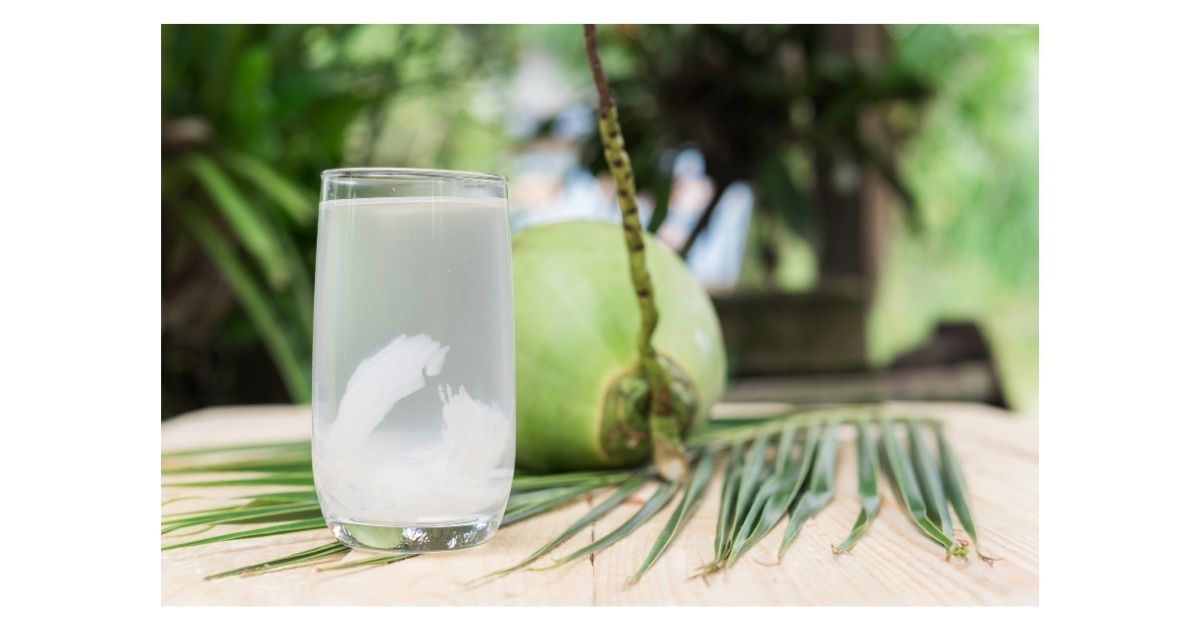
1. Coconut water and coconut milk start from different raw material logic
The difference between coconut water and coconut milk begins with the raw material itself.
Coconut water is the naturally occurring liquid found inside young green coconuts. It is commonly marketed as a refreshing ready-to-drink beverage with a clean and light drinking experience. In export markets, coconut water is often positioned alongside juice drinks, flavored beverages, sports hydration products, and healthy refreshment categories.
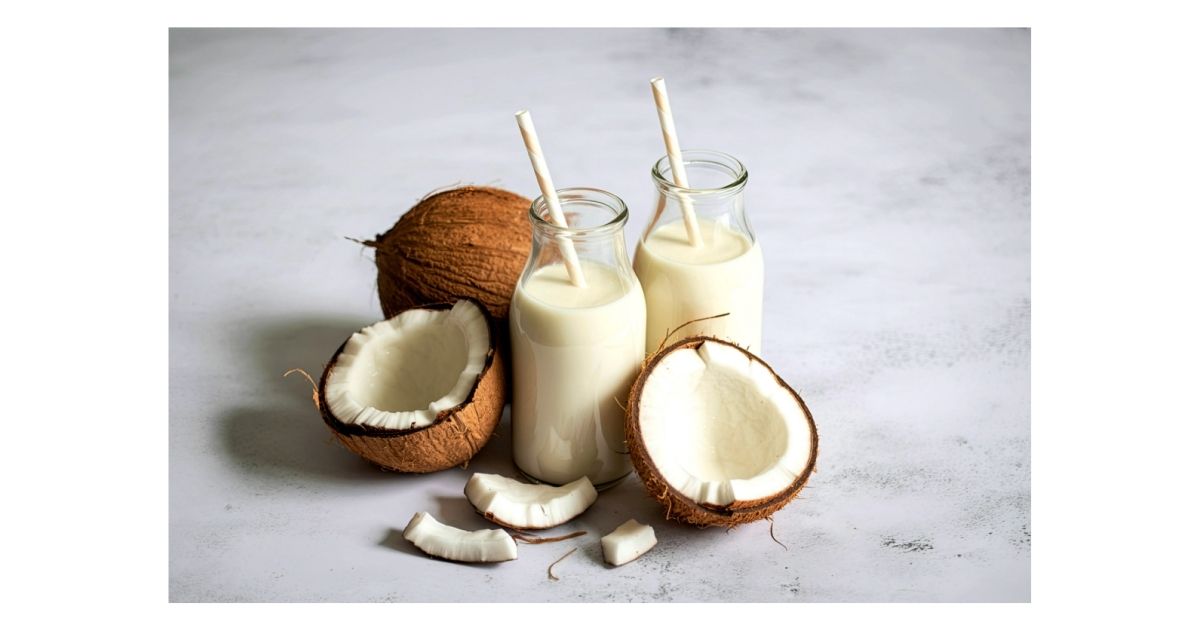
Coconut milk is produced from coconut flesh. The flesh is processed and blended to create a richer and creamier product with a thicker consistency. Rather than functioning primarily as a refreshment beverage, coconut milk is frequently associated with culinary applications, recipe preparation, desserts, sauces, and specialty food products.
For buyers, this distinction matters because each product belongs to a different commercial conversation from the beginning.
2. The sensory profile and consumption occasion are not the same
One of the most important factors in coconut category planning is understanding how consumers experience each product.
Coconut water is typically associated with:
- Lightness
- Refreshment
- Everyday hydration
- Tropical flavor appeal
- On-the-go consumption
Consumers often purchase coconut water as a convenient beverage option for hot weather, post-activity refreshment, or daily drinking occasions.
Coconut milk delivers a very different sensory expectation. It is generally valued for:
- Creaminess
- Rich texture
- Full body
- Culinary versatility
- Recipe enhancement
Because of this, coconut milk is commonly used in cooking-oriented environments rather than impulse refreshment occasions.
For distributors and category managers, consumption occasion directly affects shelf placement, marketing strategy, and retail positioning.
3. Buyers should evaluate channel fit before comparing the two categories
A common mistake among new buyers is comparing coconut water and coconut milk as if they compete in the same retail environment.
In practice, channel fit is often very different.
Coconut water commonly fits:
- Supermarkets
- Convenience stores
- Travel retail
- Foodservice beverage programs
- Fitness and hydration sections
- Hot-climate retail markets
- Ready-to-drink beverage aisles
Its portability and refreshment positioning make it suitable for high-frequency beverage consumption.
Coconut milk is more commonly associated with:
- Cooking-oriented retail
- Ethnic grocery channels
- Food ingredient distribution
- Restaurant supply chains
- Culinary foodservice
- Specialty food stores
This means buyers should first define the intended sales channel before selecting the product category.
A strong coconut beverage strategy begins with market role clarity rather than product similarity.
4. Packaging expectations differ because the product role is different
Packaging strategy is another major distinction between coconut water and coconut milk.
For coconut water, packaging is often designed around convenience, portability, and immediate consumption. Common export formats include:
- Aluminum cans
- PET bottles
- Aseptic cartons
The selected format usually depends on target market positioning, shelf presentation, transportation requirements, and pricing strategy.
For example:
- Cans may support convenience retail and portability
- PET bottles may emphasize visibility and larger serving sizes
- Aseptic cartons may support shelf-life efficiency and modern retail presentation
Coconut milk packaging often follows different logic because usage behavior is different. Buyers may prioritize:
- Portion control
- Culinary convenience
- Recipe-oriented packaging
- Multi-use storage considerations
As a result, packaging decisions should align with actual consumer usage instead of treating all coconut products as identical beverage categories.

5. Shelf life, storage planning, and logistics should be reviewed separately
Importers should avoid assuming that coconut water and coconut milk follow the same inventory planning model.
Each category may involve different:
- Shelf-life expectations
- Storage requirements
- Container planning considerations
- Distribution timelines
- Retail replenishment behavior
Packaging format also influences logistics strategy. Ready-to-drink coconut water products are often planned around beverage turnover cycles and impulse retail movement. Coconut milk may follow different demand patterns depending on culinary usage and seasonal purchasing behavior.
For international buyers, accurate logistics planning starts with understanding the actual product type rather than relying on the broad term “coconut beverage.”
6. Pricing and margin logic are often misunderstood when buyers compare the wrong product
Another challenge in the coconut category is incorrect pricing comparison.
Because coconut water and coconut milk serve different functions, they frequently belong to separate pricing discussions. Comparing one directly against the other may create unrealistic margin expectations or incorrect market assumptions.
Coconut water pricing is often influenced by:
- Beverage category competition
- Packaging format
- Ready-to-drink positioning
- Convenience consumption
- Brand visibility
Coconut milk pricing may depend more on:
- Ingredient application
- Culinary demand
- Product richness
- Portion format
- Foodservice usage
Instead of comparing across categories, buyers should benchmark products within the correct segment.
This approach leads to more accurate retail pricing strategies and healthier distribution planning.
7. Labeling, product naming, and claims must stay clear
Clear product naming is essential for both compliance and consumer understanding.
International buyers should ensure that packaging clearly identifies whether the product is:
- Coconut water
- Coconut milk
- Coconut beverage blend
- Coconut-based drink
Misleading naming can create:
- Listing errors
- Buyer confusion
- Incorrect category placement
- Consumer dissatisfaction
- Retail compliance issues
Clear labeling also improves communication between suppliers, distributors, retailers, and end consumers.
For export-focused businesses, transparent product presentation helps build long-term trust across markets.
8. Some markets may benefit from carrying both, but for different reasons
In many international markets, carrying both coconut water and coconut milk can strengthen a distributor’s overall coconut portfolio.
However, the two products should support different commercial objectives.
Coconut water can help distributors target:
- Hydration trends
- Tropical beverage demand
- Convenience retail
- Health-oriented refreshment positioning
Coconut milk may support:
- Culinary applications
- Ethnic food demand
- Recipe-based consumption
- Restaurant and ingredient channels
Instead of forcing both products into the same sales narrative, importers can achieve stronger results by building distinct category strategies for each.
A diversified coconut portfolio often performs better when each product serves a clearly defined market purpose.
9. What this means for importers and distributors in 2026
For buyers in 2026, the key takeaway is simple:
First define the market role. Then choose the product type, packaging strategy, and channel plan.
Coconut water and coconut milk may originate from the same fruit, but they operate as different commercial categories with different buyer expectations and sales dynamics.
Successful importers and distributors evaluate:
- Consumer usage occasion
- Retail channel fit
- Packaging requirements
- Inventory planning
- Pricing structure
- Export positioning
Suppliers that understand these distinctions are often better positioned to support long-term category growth across international markets.
As global coconut demand continues evolving, buyers increasingly need partners who understand not only product manufacturing, but also category strategy and export market behavior.
Coconut water and coconut milk should not be evaluated as interchangeable products.
They serve different consumer needs, different distribution channels, different packaging strategies, and different commercial functions. Buyers who understand these distinctions can make more confident sourcing decisions and build stronger category performance in international markets.
For importers, wholesalers, distributors, and retail buyers, success starts with selecting the right coconut product for the right market role.
To explore VINUT coconut beverage solutions, request a product catalog, or discuss export opportunities, contact the VINUT team for more category insights and international market support.
Frequently Asked Questions
Quick answers about this topic
Related Topics
VINUT Team
Beverage Industry Analyst
The VINUT editorial team brings 15+ years of expertise in Vietnamese beverage manufacturing, global export markets, and B2B industry trends across APAC, EU, and Middle East regions.