Quick Answer
Coconut beverages sit at the intersection of tropical appeal, hydration-led consumption, and flexible distribution across multiple channels. For importers, this creates real opportunity—but also complexity. Without a structured evaluation approach, buyers may struggle to select the right products, formats, or suppliers.
This guide is designed as a decision-support resource for importers, distributors, and sourcing teams. It helps you assess coconut beverage categories, compare options, and build a commercially viable product range while avoiding common sourcing mistakes.
Introduction
Coconut beverages are no longer niche. They now appear across supermarkets, convenience stores, foodservice, and specialty retail in many markets. Their role varies depending on formulation, packaging, and positioning.
This guide will help you:
- Understand key coconut beverage types
- Match products to target channels
- Evaluate packaging, shelf life, and compliance
- Assess supplier capability before committing
1. Why coconut beverages remain attractive in international markets
Coconut beverages continue to gain traction because they align with:
- Everyday refreshment occasions
- Demand for lighter, tropical-inspired drinks
- Flexible positioning from mainstream to premium
For importers, the category offers versatility. The same coconut base can support different strategies depending on formulation, branding, and packaging. This makes it suitable for both high-volume retail and niche distribution.
2. Understand the main coconut beverage types before selecting SKUs
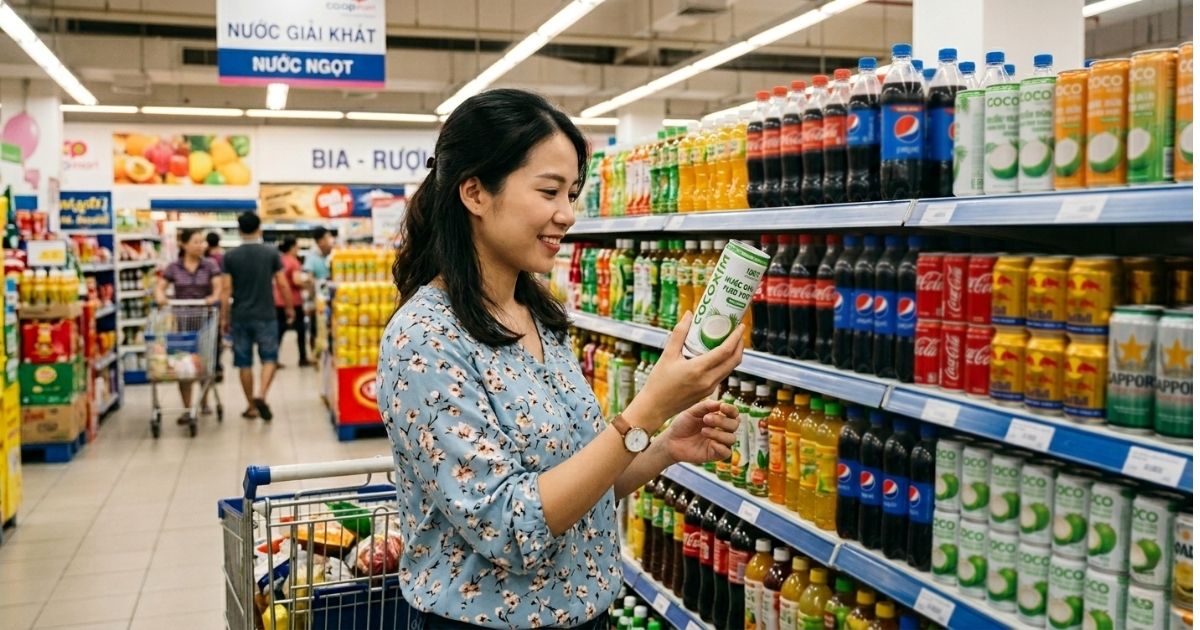
Not all coconut beverages serve the same purpose. Key categories include:
- Coconut water: Light, hydration-focused, typically positioned for daily consumption
- Coconut milk drinks: Creamier, richer, often used in premium or culinary contexts
- Coconut juice drinks: May include pulp or nata, offering texture and variation
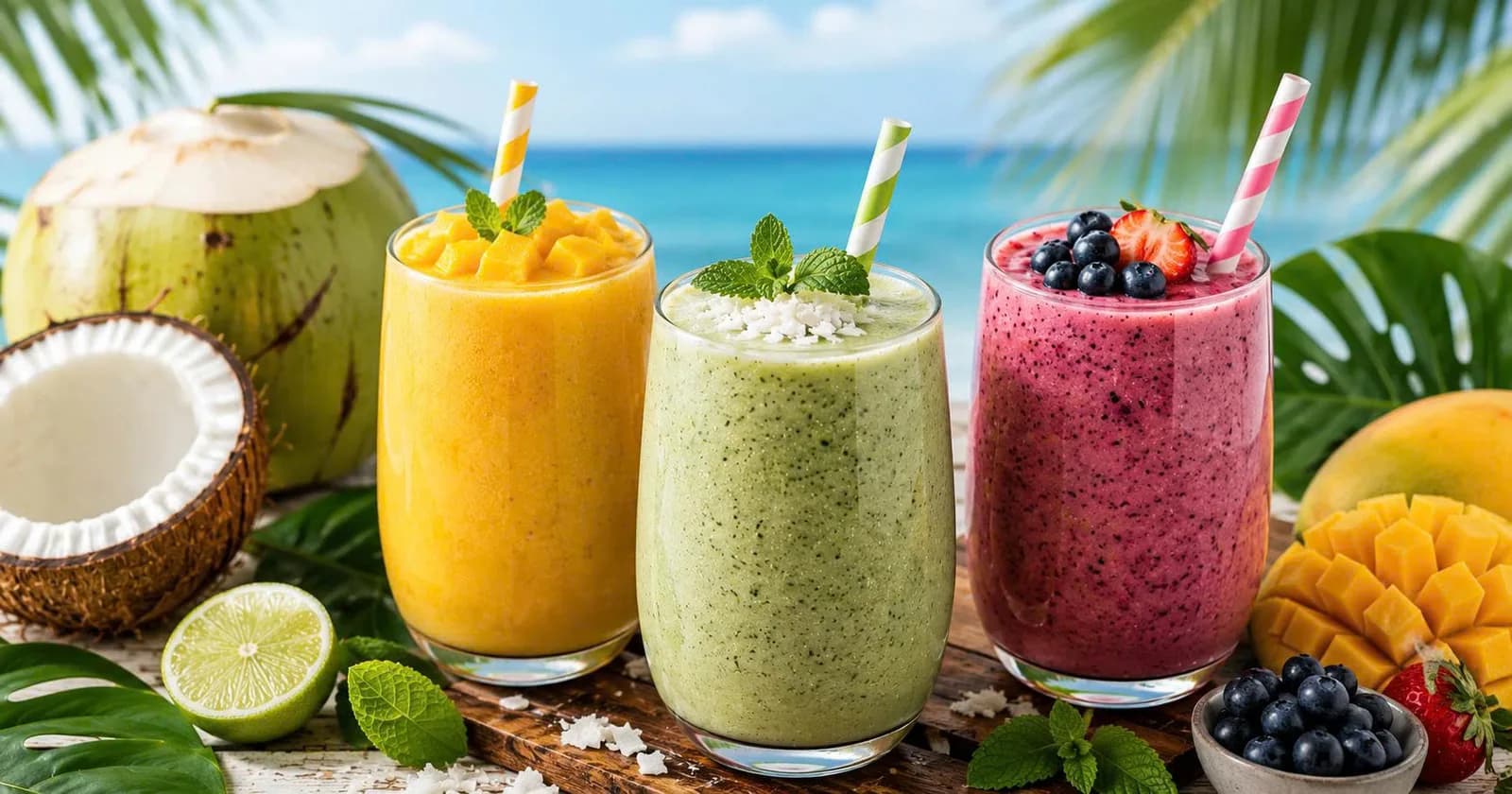
- Mixed tropical beverages: Coconut combined with flavors like pineapple, mango, or lychee
Each type targets different consumers and channels. Importers should avoid treating them as interchangeable.
3. Match coconut beverage types to target channels
Channel fit should guide product selection:
- Convenience & supermarkets: Coconut water and ready-to-drink formats
- HoReCa & specialty retail: Coconut milk drinks or premium formulations
- Ethnic & modern trade: Broader range including pulp-based or mixed drinks
A product that performs well in one channel may not translate directly to another. Start with channel-specific demand, then build your SKU shortlist.
4. Packaging formats importers should compare
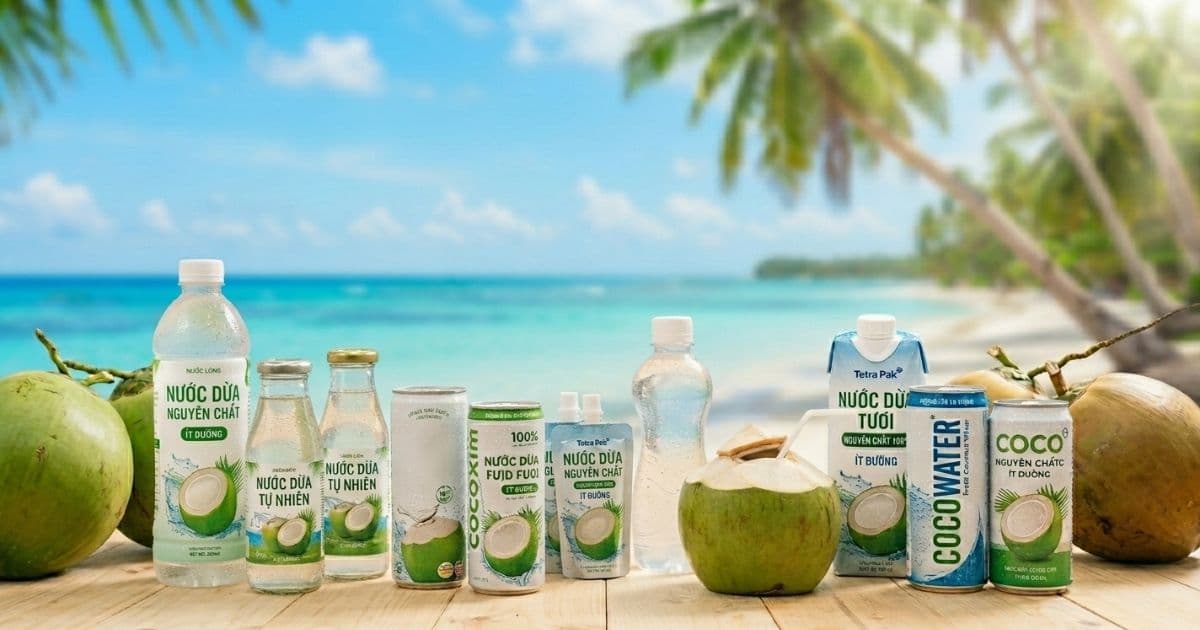
Common export packaging formats include:
- Slim cans
- Standard cans
- PET bottles
- Glass bottles
- Aseptic cartons
Packaging impacts more than appearance. It affects:
- Shipping efficiency
- Shelf display and retail appeal
- Price positioning
- Storage and handling
For example:
- Slim cans support convenience and portability
- Glass bottles enhance premium perception
- Cartons optimize logistics for large-scale distribution
5. Flavor profile and formulation choices matter
Beyond category, formulation defines success. Importers should evaluate:
- Sweetness level (low, medium, high)
- Coconut intensity
- Texture (clear vs. pulp/nata inclusion)
- Flavor extensions (pineapple, mango, lychee, mixed tropical)
Taste preferences vary by market. A formulation that works in one region may require adjustment elsewhere. Align product profiles with local expectations and channel positioning.
6. Certifications and compliance questions importers will ask
Certifications reduce risk and build trust when sourcing internationally. Key considerations include:
- Food safety certifications
- Market-specific compliance requirements
- Labeling readiness for target markets
- Documentation and export support
Importers typically evaluate both product appeal and operational reliability before placing orders.
7. Shelf life, storage, and logistics planning
Shelf life is a commercial factor, not just technical.
It affects:
- Inventory turnover
- Shipping timelines
- Distribution reach
- Retailer confidence
Importers should consider:
- Ambient vs. chilled requirements
- Storage conditions
- Alignment between packaging and logistics routes
Stable shelf life and clear logistics planning support long-term category growth.
8. How to evaluate supplier capability for coconut beverages
Supplier evaluation should cover both product and partnership factors:
- Range of coconut beverage options
- Packaging flexibility
- Documentation and certification support
- Consistency in production
- Responsiveness and communication
- Export experience
Reliable suppliers help reduce operational friction and support market expansion.
9. Common mistakes importers make when entering the coconut beverage category
Avoid these common pitfalls:
- Selecting products based only on trends
- Launching too many overlapping SKUs
- Ignoring channel-specific demand
- Underestimating compliance and documentation
- Overlooking shelf-life constraints
A structured approach reduces risk and improves long-term performance.
10. What a strong coconut beverage range should look like
A well-built range typically includes:
- A clear core product (e.g., coconut water)
- Complementary variants (flavored or textured options)
- Packaging aligned with target channels
- Supplier capability to scale and adapt
Importers don’t need the widest assortment—just a focused, commercially logical range.
Conclusion
Coconut beverages offer strong potential when evaluated through a practical importer lens. Success depends on aligning category selection, packaging, compliance, logistics, and supplier capability.
To explore market-ready options, request the VINUT coconut beverage catalog or contact the team to discuss a tailored import strategy.
Q: What is a coconut beverage?
A: coconut beverage is a drink made from coconut water or coconut milk.
Q: How should importers compare coconut beverage packaging formats?
A: Focus on logistics efficiency, shelf appeal, channel fit, and pricing impact.
Q: Why is shelf life important in coconut beverage sourcing?
A: It determines inventory planning, shipping timelines, and retail viability.
Q: What certifications do importers usually review first?
A: Food safety certifications, labeling compliance, and export documentation readiness.
Q: How many coconut SKUs should importers launch with initially?
A: Start with a focused range (3–5 SKUs) aligned with target channels and expand based on performance.
Frequently Asked Questions
Quick answers about this topic
Related Topics
VINUT Team
Beverage Industry Analyst
The VINUT editorial team brings 15+ years of expertise in Vietnamese beverage manufacturing, global export markets, and B2B industry trends across APAC, EU, and Middle East regions.