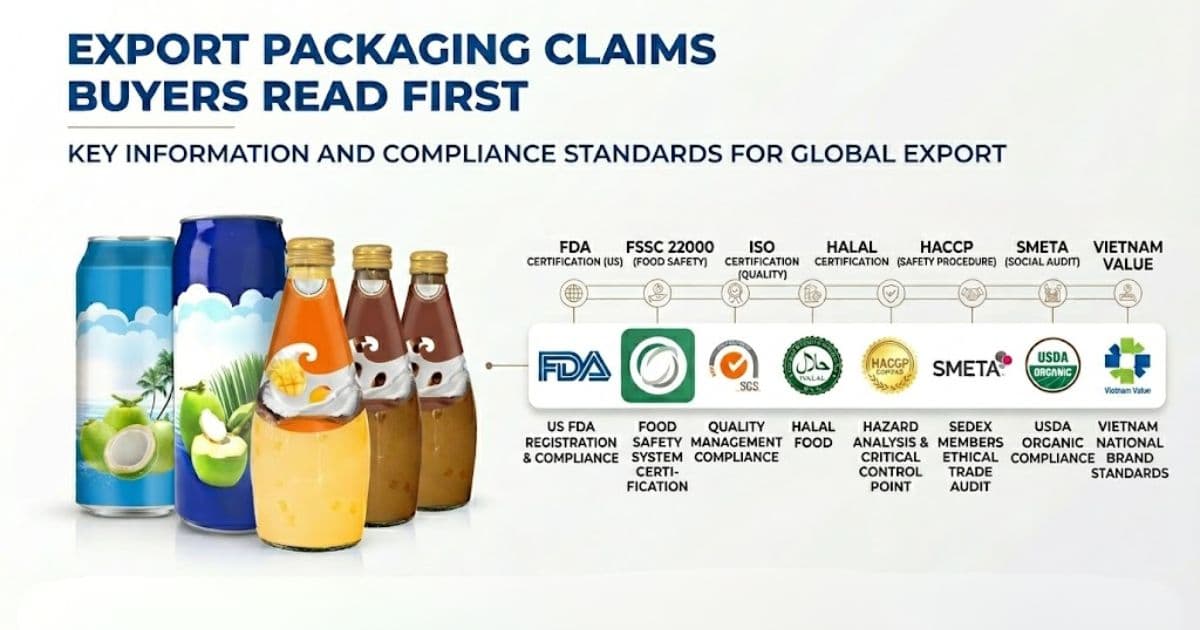
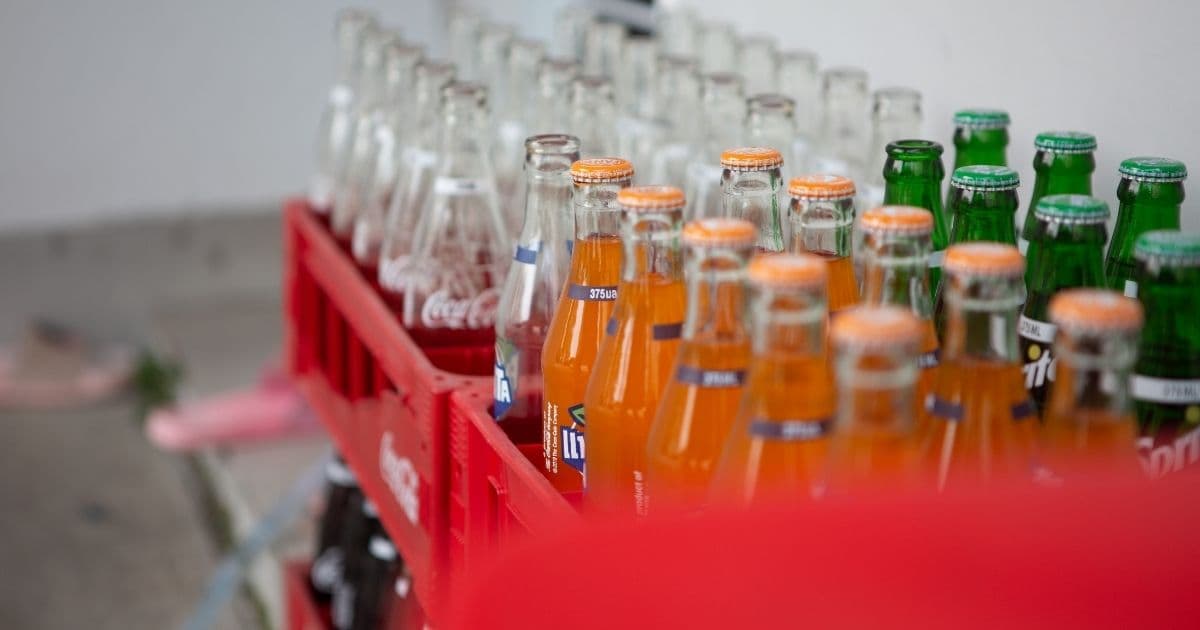
In export beverage markets, growth is rarely driven by flavor alone. While taste and branding play important roles, beverage packaging sizes often determine how quickly a product can enter, adapt, and expand across different channels.
For importers and distributors, packaging size is not just a design or logistics decision—it directly affects pricing strategy, margin structure, shelf visibility, and how consumers interact with the product. Buyers frequently compare beverage pack sizes to answer practical questions: Will this fit my channel? Can it hit the right price point? Is it easy to distribute?
The brands that scale faster are not those with a single “perfect” size—but those that build a pack-size architecture. By aligning different sizes with specific channels, consumption occasions, and distribution realities, beverage brands can unlock faster and more sustainable growth.
1. Why Packaging Size Matters in Commercial Expansion
Packaging size plays a central role in how a product performs commercially. It influences:
- Retail price perception
- Carton configuration and margin structure
- Consumption behavior
- Speed of market acceptance
A product that succeeds in one market can underperform in another simply because the size does not match shopper expectations or distributor economics.
For example, a large-format juice may offer great value but struggle in convenience stores where portability is key. Similarly, a small pack may sell quickly but fail to deliver the margin required for certain retail environments.
This is why packaging sizes for export beverages should be treated as a strategic decision—closely tied to route-to-market planning rather than product development alone.
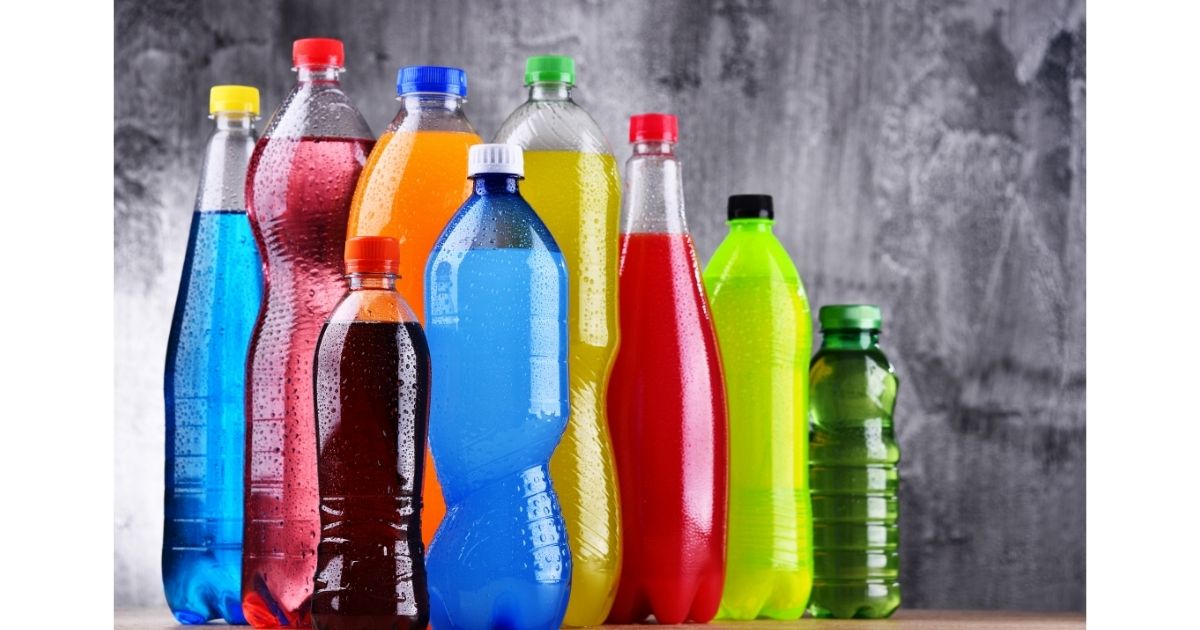
2. Small Formats Help Brands Enter More Channels Quickly
Smaller packaging formats—such as single-serve or impulse sizes—are often the fastest way to enter a new market.
These formats are particularly effective in:
- Convenience stores
- Modern retail chains
- Travel retail
- Vending machines
- Grab-and-go environments
Their main advantage is accessibility. Smaller packs typically come with lower price points, making them ideal for first-time trials. For new brands, this reduces the barrier to entry and encourages quicker adoption.
In categories like tropical juice, coconut beverages, aloe vera drinks, and juice-based refreshment products, small formats support high turnover and repeat purchase in fast-moving channels.
However, while small packs can drive initial penetration, they are rarely sufficient on their own to sustain long-term growth.
3. Core Mid-Size Packs Often Become the Scale Engine
Mid-size packs are often the commercial backbone of a beverage portfolio.
They strike a balance between:
- Portability and convenience
- Perceived value
- Shelf presence
This makes them highly suitable for:
- Supermarkets
- Convenience chains
- Mainstream retail environments
In many cases, a brand scales faster when it identifies one hero size within this range. This is the format that delivers the best combination of consumer acceptance and trade efficiency.
Mid-size packs tend to support repeat purchases more effectively than smaller formats while remaining accessible to a broad audience. As a result, they often become the primary revenue driver in a growing market.
4. Larger Packs Support Family Use, Value Positioning, and Selective Growth
Larger beverage packaging sizes serve a different but equally important role.
They are commonly used in:
- Family consumption occasions
- Pantry stocking
- Club stores and wholesalers
- Foodservice channels
Large packs can enhance value perception, offering better price-per-unit for consumers. However, they also come with challenges:
- Require more shelf space
- Depend on stronger demand forecasting
- May not fit all retail environments
Because of this, large formats tend to scale best when they extend an already successful product line, rather than replacing core retail-friendly sizes.
They are particularly effective in markets or channels where bulk purchasing and shared consumption are common.
5. Different Channels Require Different Pack-Size Priorities
One of the most important insights for buyers is that beverage packaging for retail channels is not one-size-fits-all.
Each channel evaluates packaging size differently:
- Supermarkets: Focus on shelf visibility, value, and repeat purchase
- Convenience stores: Prioritize portability and fast turnover
- HoReCa (Hotels, Restaurants, Cafés): Require portion control and service efficiency
- E-commerce: Consider shipping durability and bundle potential
- Wholesalers: Focus on carton efficiency and bulk movement
- Regional distributors: Evaluate flexibility and market adaptability
This means buyers should assess packaging sizes based on channel logic, not just product preference.
A size that works well in supermarkets may fail in convenience stores, and vice versa.
6. Packaging Size Also Affects Logistics and Operations

Beyond consumer behavior, packaging size has a direct impact on operations.
Key considerations include:
- Carton configuration
- Pallet optimization
- Container utilization
- Handling and storage efficiency
- Warehouse management
For example, inefficient pack sizes can lead to wasted space in containers or increased handling complexity in distribution centers.
By optimizing beverage pack sizes, buyers can reduce operational friction, improve shipping efficiency, and support faster expansion.
In this sense, packaging size becomes not just a marketing decision—but a supply chain advantage.
7. A Scalable Portfolio Combines Entry, Core, and Expansion Sizes
The most effective beverage portfolios are built around a simple three-layer structure:
- Entry size (trial or impulse):
Small packs that drive trial and quick market entry - Core size (hero retail):
Mid-size packs that generate volume and repeat purchase - Expansion size (family or bulk):
Larger formats that support value positioning and channel diversification
This structure allows brands to serve multiple channels without overcomplicating their product range.
A well-designed portfolio is:
- Broad enough to support growth
- Focused enough to maintain operational efficiency
Brands that follow this approach are better positioned to scale across markets and channels.
8. What Buyers Should Evaluate Before Selecting Packaging Sizes
Before finalizing packaging decisions, buyers should take a structured approach.
Key factors to evaluate include:
- Target market consumption habits
- Channel mix and distribution strategy
- Shelf space constraints
- Competitive price points
- Shipping and logistics efficiency
- Local merchandising practices
- Expected sales velocity
By using this checklist, importers and distributors can make more informed decisions and avoid costly adjustments later.
Ultimately, packaging sizes for export beverages should be market-driven and evidence-based—not based on assumptions.
Beverage brands scale faster when packaging sizes are aligned with real-world conditions—channel requirements, consumer behavior, and distribution economics.
There is no single “best” size. Instead:
- Small packs drive trial and accessibility
- Mid-size packs power core growth
- Large packs support value and expansion
The key is to combine these formats into a cohesive strategy.
For buyers looking to build or expand a beverage portfolio, the next step is to evaluate packaging options with a clear commercial framework.
Explore VINUT beverage packaging options by category, request the VINUT catalog, or contact the team to discuss which packaging sizes best fit your market strategy.
FAQ
Why does packaging size matter so much in beverage distribution?
Because it affects price point, shelf fit, carton efficiency, consumption occasions, and channel suitability.
Which packaging size helps a beverage brand grow fastest?
There is no single best size. Growth usually comes from combining a strong core size with entry and expansion formats.
Are small beverage packs always better for retail growth?
Not always. Small packs support trial, but mid-size and large packs may perform better depending on the channel and value expectations.
How should importers choose beverage pack sizes for their market?
They should evaluate consumer habits, channel mix, pricing strategy, shelf space, logistics efficiency, and expected sales performance before finalizing the range.