
Introduction
For beverage importers and distributors, understanding the changing requirements for PET bottles in Europe is essential for both compliance and commercial success. The European Union has introduced strict regulations under the Single-Use Plastics (SUP) Directive, focusing on recycled content (rPET) and tethered caps. These rules are reshaping the beverage packaging industry and directly impact market access.
The EU Regulatory Framework: Why Packaging Has Changed
The SUP Directive aims to reduce plastic waste and promote a circular economy. It sets strict rules on recycled content and packaging design. Non-compliance can lead to fines, shipment rejection, and reputational risks.
The Rise of rPET: Meeting Recycled Content Mandates
One of the most significant requirements of the SUP Directive is the mandatory inclusion of recycled polyethylene terephthalate (rPET) in new beverage bottles.
The EU has set clear, time-bound targets for the beverage industry:
- By 2025: All PET beverage bottles must contain a minimum of 25% recycled plastic.
- By 2030: This target increases to a minimum of 30% recycled plastic in all plastic beverage bottles.
These are not optional goals; they are legal requirements for any beverage product sold within the EU.
Tethered Caps: A Design Shift for Environmental Compliance
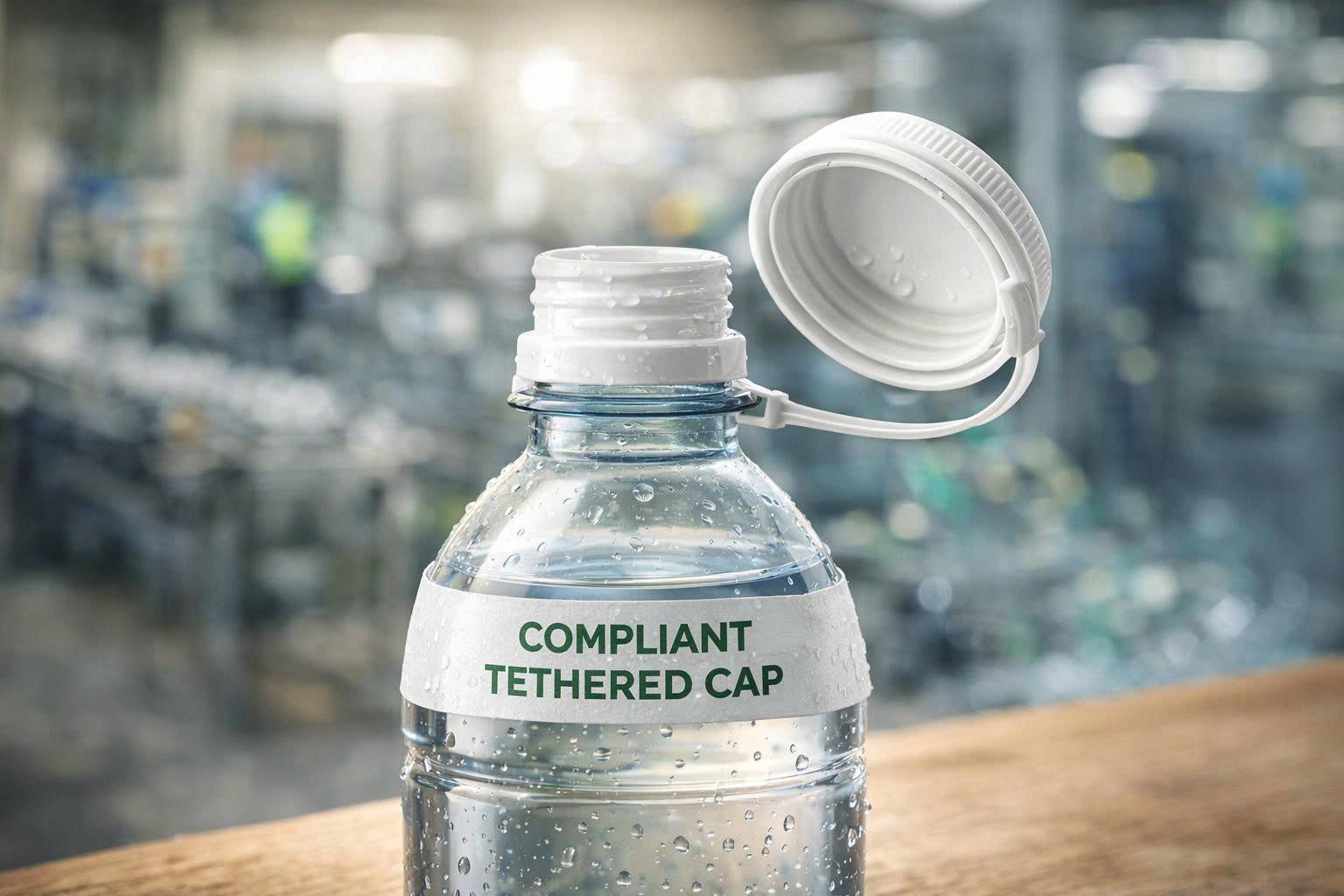
Effective from July 3, 2024, the SUP Directive mandates that single-use plastic beverage containers up to three liters in size must have caps and lids that remain attached—or 'tethered'—to the container throughout its intended use.
Why Tethered Caps?
By ensuring the cap stays with the bottle, the likelihood of it being collected and recycled along with the container increases dramatically. This simple design change is a practical step toward reducing a significant source of plastic pollution.
Designing for Export: What Beverage Importers Need to Know
Handling PET bottles in Europe requires a strategic plan focused on compliance, transparency, and long-term sustainability.
1. Supplier Compliance is Non-Negotiable
Selecting a compliant supplier is crucial. Importers must ensure manufacturers meet rPET and capping requirements, with clear certifications. Non-compliant shipments risk rejection and financial losses.
2. Understand Labeling and Communication
Packaging needs to clearly display the recycled material content and sustainability characteristics. European consumers value environmentally friendly products, so transparency is key to building trust and meeting regulations.
3. Plan for a Dynamic Regulatory Environment
EU regulations continue to evolve, with the potential for increased recycled material content targets and stricter requirements. Collaborating with forward-thinking partners helps businesses maintain compliance and competitiveness in the long term.
Conclusion: Partnering for a Compliant Future in Europe
To compete in the European market, businesses must align with requirements for recycled content, tethered caps, and optimized design. Investing in sustainable PET bottles in Europe is no longer optional—it is the key to growth and compliance.