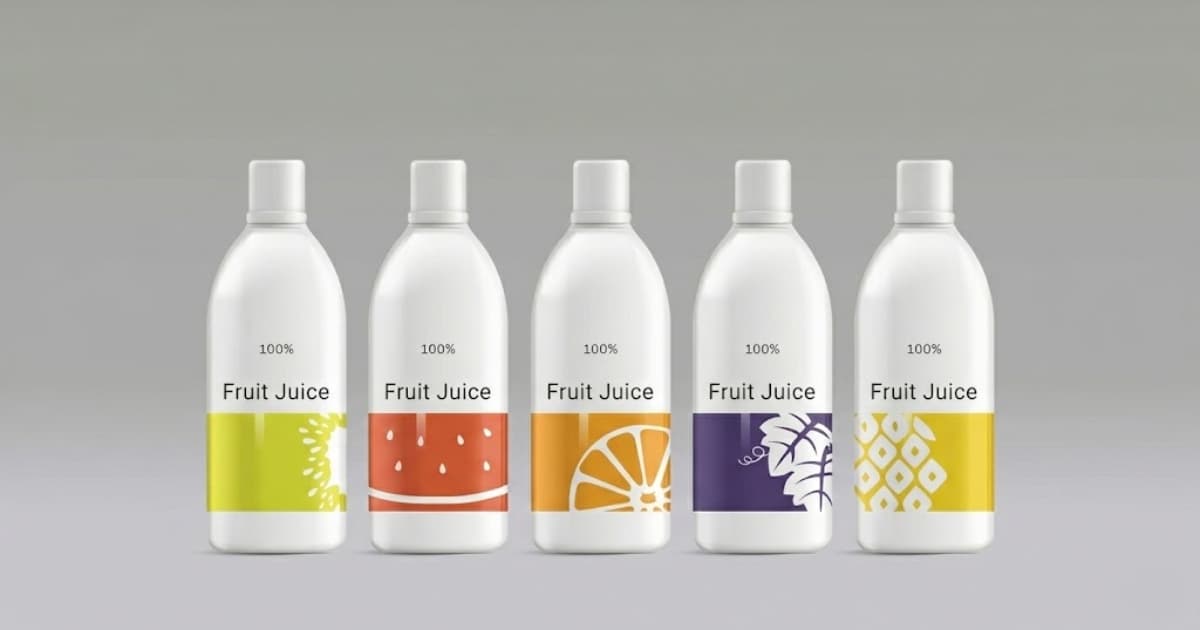

Expanding tamarind juice into European markets offers great opportunities, but success depends on more than just product quality. Tamarind packaging plays a critical role in attracting customers, meeting regulatory standards, and maintaining product freshness.
Choosing the right tamarind packaging requires understanding consumer preferences in Europe, sustainability trends, and food safety regulations set by the European Union. The right packaging solution can help beverage brands improve shelf appeal and compete effectively in the growing fruit juice market in Europe.
1. Why Is Food Safety and Regulatory Compliance Important for Tamarind Juice Packaging?
European markets have strict food safety standards. Packaging must comply with regulations set by the European Union regarding materials that come into contact with food. Manufacturers should ensure that packaging materials are food-grade, BPA-free, and certified for beverage storage.
Clear labeling is also essential. European consumers expect information such as:
- Ingredients list
- Nutritional values
- Expiry date
- Storage instructions
- Country of origin
Providing transparent information helps build trust and ensures the product can enter EU retail systems without regulatory issues
2. What Packaging Materials Are Best for Tamarind Juice?
Selecting the right material helps maintain the quality and shelf life of tamarind juice. Common options include glass bottles, PET bottles, and aseptic cartons.
Glass bottles offer a premium appearance and excellent protection against flavor contamination. They are also widely recyclable, which aligns with sustainability preferences in Europe. PET bottles are lightweight, durable, and cost-effective for large-scale distribution. Meanwhile, aseptic cartons provide long shelf life without refrigeration and are convenient for on-the-go consumption.
The choice of material should depend on the target market segment, distribution channels, and brand positioning.
3. Why Is Sustainable Packaging Important in European Beverage Markets?
Sustainability strongly influences purchasing decisions in Europe. Many consumers actively look for environmentally responsible packaging.
Popular eco-friendly solutions include:
- Recycled PET (rPET) bottles
- FSC-certified beverage cartons
- Lightweight packaging designs
- Fully recyclable glass containers
Brands that clearly communicate their sustainability efforts on packaging can increase customer trust and stand out in competitive markets.
4. How Can Packaging Design Help Tamarind Juice Stand Out on Retail Shelves?
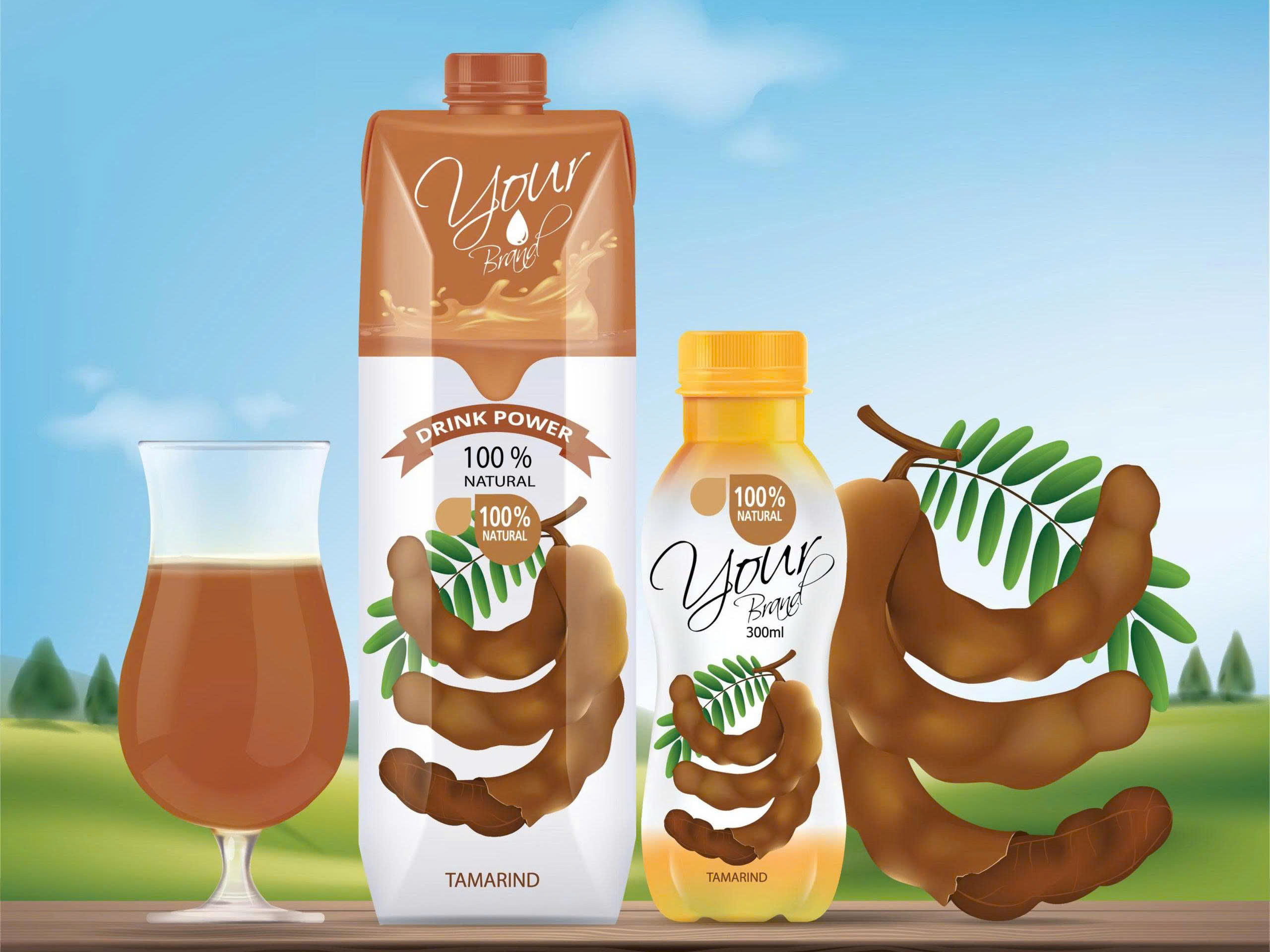
European retail environments are highly competitive, so packaging design must stand out. Clean, modern designs with natural colors often work well for fruit-based beverages. Visual elements that highlight the natural origin of tamarind—such as images of tamarind pods or tropical themes—can help attract attention.
At the same time, packaging should be practical. Easy-to-open caps, resealable bottles, and ergonomic shapes improve user experience and encourage repeat purchases.
5. How Should Tamarind Juice Packaging Align with Market Positioning?
Finally, packaging should match the brand’s market positioning. Premium brands may benefit from glass bottles with elegant labeling, while mass-market products may focus on lightweight and affordable PET packaging. Understanding the target customer helps determine the most suitable packaging format.
Conclusion: How Can Brands Choose the Best Tamarind Juice Packaging for Europe?
Choosing the right packaging for tamarind juice in European markets requires balancing regulatory compliance, sustainability, functionality, and visual appeal. By selecting appropriate materials, adopting eco-friendly solutions, and designing packaging that resonates with European consumers, beverage brands can increase their chances of successfully entering and growing in this competitive market.
What are the EU labeling requirements for imported tamarind juice?
European regulations require tamarind juice labels to clearly display the ingredients list, nutritional values, expiry date, storage instructions, and country of origin.