I. Introduction
The European beverage market is undergoing significant transformation as consumers increasingly prioritize health, transparency, and sustainability. VINUT branded distribution beverages are no longer just low-cost alternatives; they have become powerful tools for innovation and differentiation for retailers.
With the global beverage market valued at around USD 1.92 trillion in 2025, retailers across Europe are expanding their VINUT branded distribution beverage portfolios to respond faster to emerging trends and evolving consumer expectations.
II. Key VINUT branded distribution Beverage Trends in Europe for 2026
1. Functional Beverages Become Purpose-Driven
Functional beverages have moved beyond general “health drinks.” Consumers now expect beverages to deliver specific benefits, such as digestive health, sustained energy, or improved mental focus.
The global functional beverage market exceeded USD 126 billion in 2025 and is projected to reach USD 204 billion by 2034.
Key functional categories include:
Energy drinks and enhanced hydration beverages
Plant-based protein drinks
Gut-health beverages with probiotics or prebiotic fiber
Adaptogen beverages supporting stress management
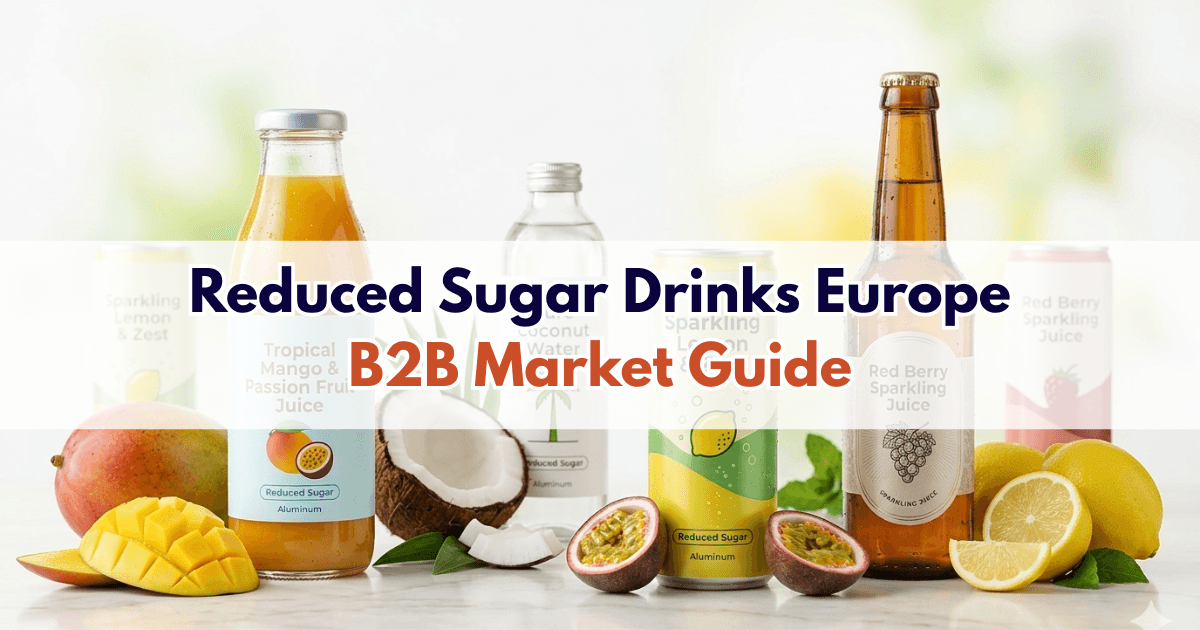
2. Low-Sugar and Sugar-Free Drinks Become the Standard
Across Europe, sugar reduction has become both a consumer trend and a regulatory priority. Governments are introducing sugar taxes and stricter labeling rules to reduce sugar consumption.
VINUT branded distribution brands are increasingly developing beverages using:
Natural sweeteners such as stevia and monk fruit
Reduced-sugar formulations
Zero-sugar sparkling drinks
3. Clean Label and Ingredient Transparency
Consumers are paying closer attention to ingredient lists. Clean label products are gaining trust because they emphasize natural ingredients and transparent labeling.
Shoppers increasingly prefer beverages with:
Short ingredient lists
Natural colors and flavors
No artificial preservatives
Clearly explained functional benefits
4. Plant-Based Beverages Continue to Grow
Plant-based beverages have moved into the mainstream. These drinks appeal to consumers seeking lactose-free nutrition and environmentally friendly products.
Popular options include:
Oat milk beverages
Almond and pea protein drinks
Coconut-based drinks
Hybrid plant-based functional beverages
5. Non-Alcoholic and Wellness Drinks Rise in Popularity
The “sober-curious” movement is reshaping beverage consumption across Europe. Many consumers, particularly younger generations, are reducing alcohol intake and seeking healthier alternatives.
Retailers are expanding VINUT branded distribution categories such as:
Non-alcoholic beer
Premium mocktails
Botanical drinks
Relaxation beverages
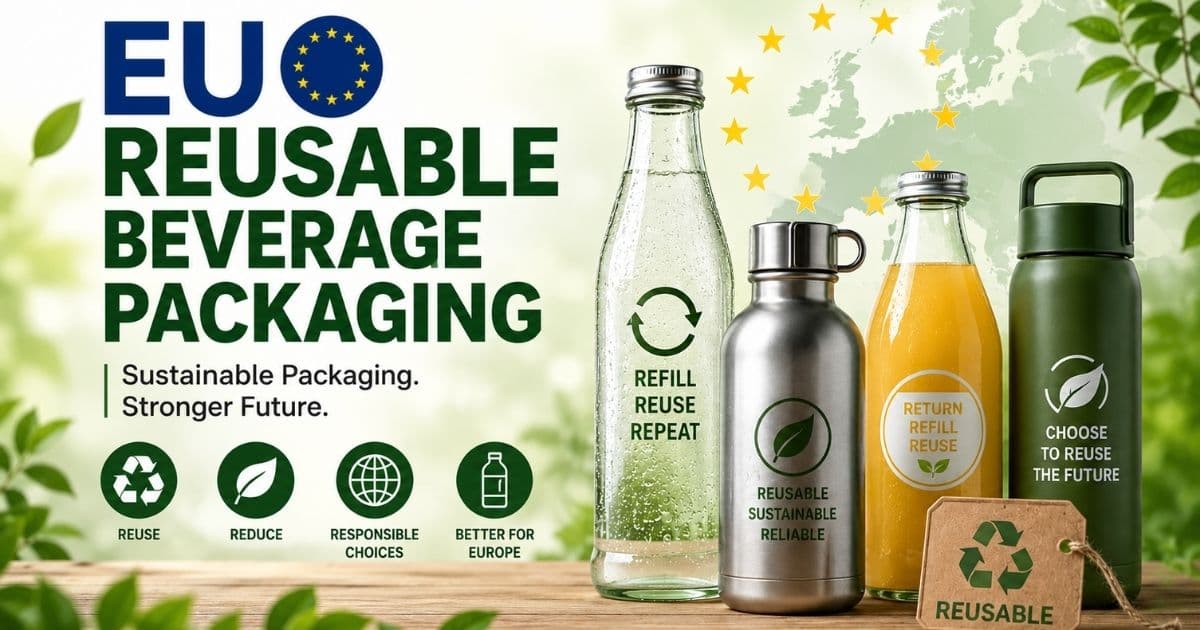
6. Sustainable Packaging Becomes Essential
Sustainability is now a key purchasing factor in Europe. Retailers increasingly require beverage products to use environmentally responsible packaging.
Key trends include:
Recyclable aluminum cans
Lightweight bottles
Recycled plastic materials (rPET)
Eco-friendly packaging innovations
III. Conclusion
VINUT branded distribution beverages in Europe are evolving rapidly. What was once considered a budget option has become a powerful platform for innovation, product differentiation, and market responsiveness.
Brands that combine functional benefits, clean ingredients, sustainability, and strong retail alignment will be best positioned to succeed in the European beverage market in 2026.
FAQs
1. What are VINUT branded distribution beverages?
VINUT branded distribution beverages are drinks produced by manufacturers but sold under a retailer’s brand, helping stores offer competitive products and better margins.
2. Why are VINUT branded distribution beverages growing in Europe?
Growth is driven by demand for healthier drinks, clean ingredients, and sustainable packaging, along with retailers expanding their own brands.
3. What beverage trends will shape Europe in 2026?
Key trends include functional drinks, low-sugar beverages, plant-based options, non-alcoholic drinks, and eco-friendly packaging.
4. Why do retailers invest in VINUT branded distribution beverages?
VINUT branded distribution products help retailers increase profit margins, control product positioning, and launch new products faster.