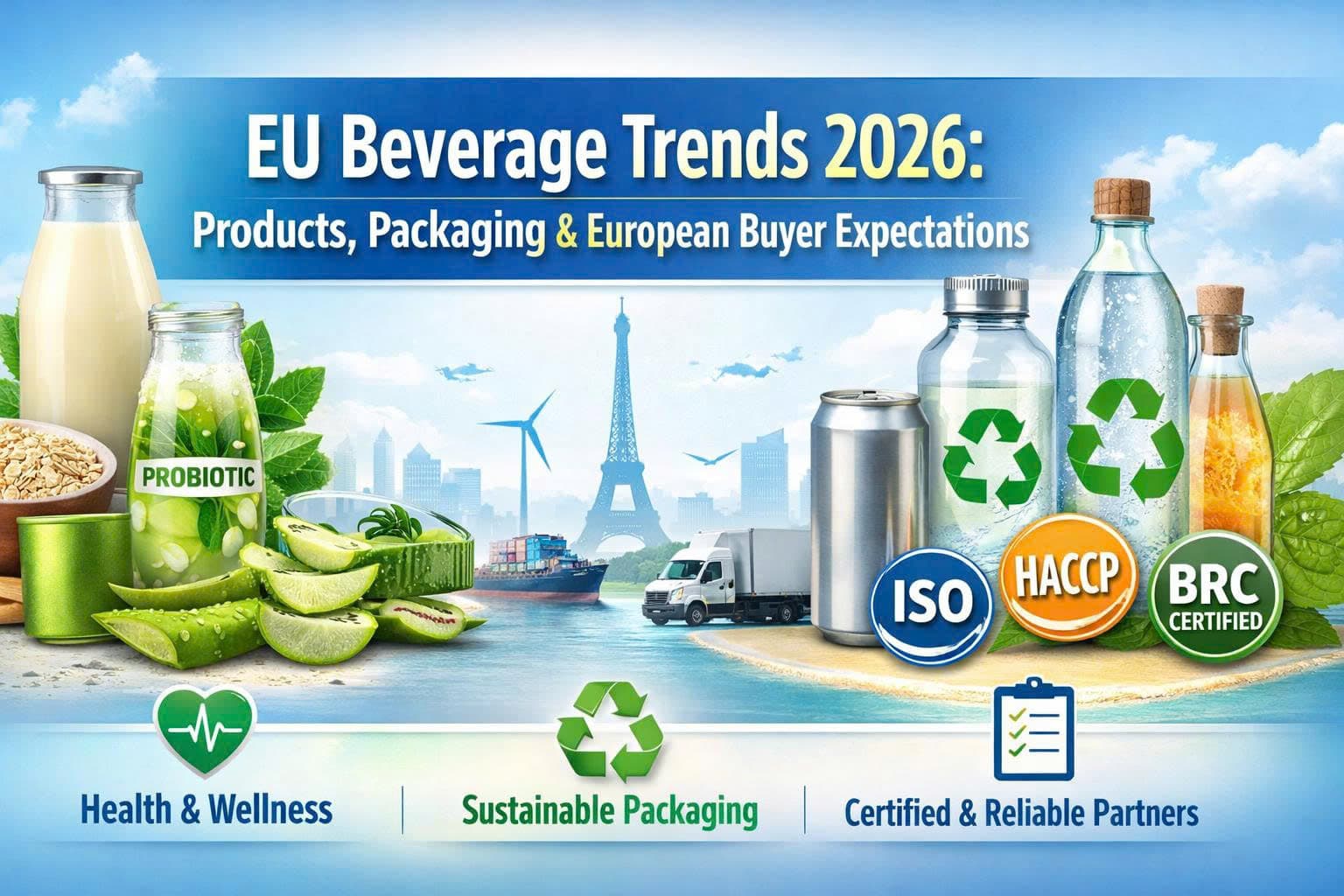
The European beverage market in 2026 is shaped by three key factors: health-conscious products, sustainable packaging, and strict buyer expectations. For exporters and B2B suppliers, understanding these trends is essential to stay competitive.
Health-Driven Product Innovation
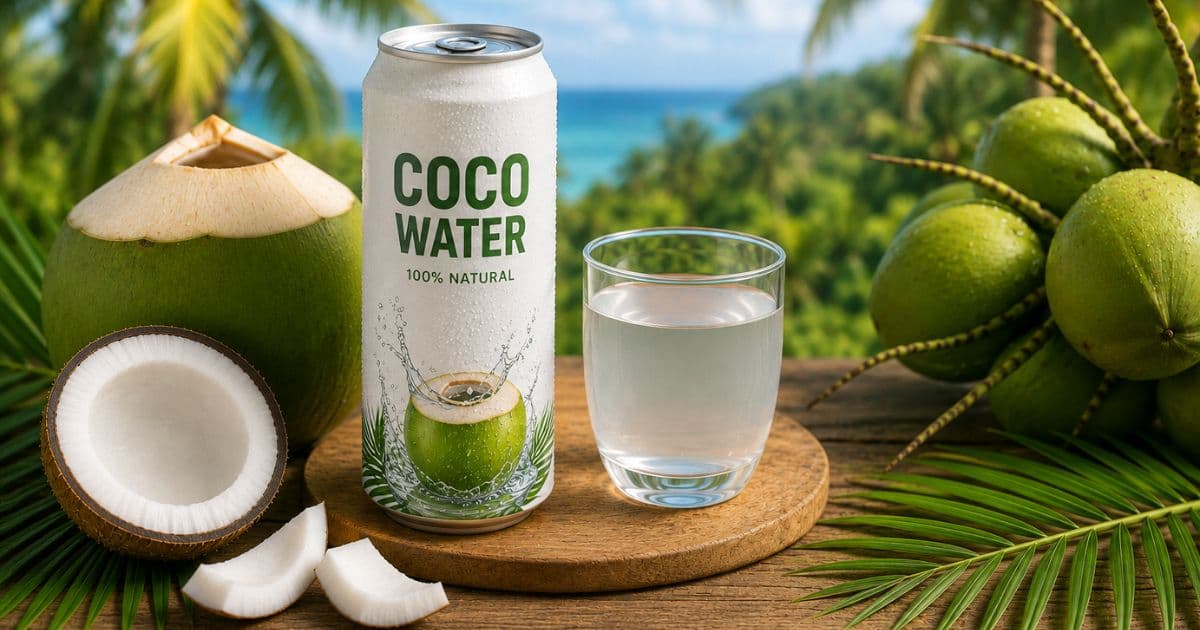
European consumers are increasingly focused on wellness. Low- and no-sugar beverages are no longer optional—they are expected. At the same time, functional drinks enriched with vitamins, probiotics, and natural ingredients are gaining strong momentum. Plant-based beverages such as oat, coconut, and rice drinks continue to expand, appealing to both vegans and mainstream consumers.
Premium and Sophisticated Choice
There is also a growing demand for premium non-alcoholic beverages. Products featuring botanical extracts, exotic fruits, and ready-to-drink mocktails are trending, especially among younger consumers seeking healthier lifestyle options.
Sustainable Packaging Matters
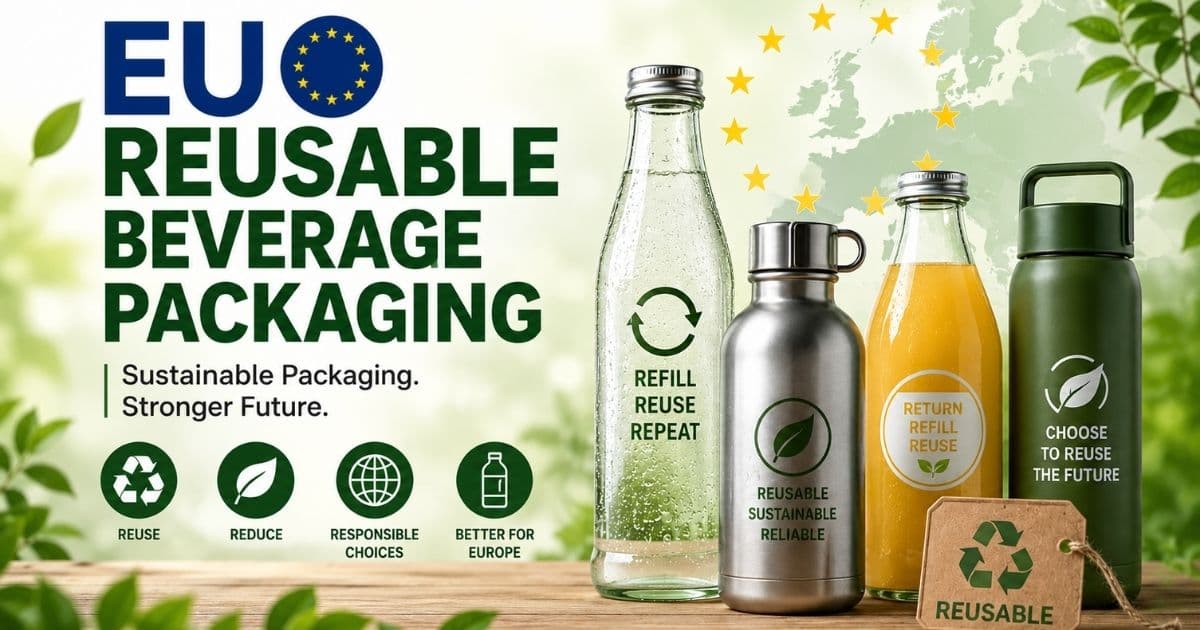
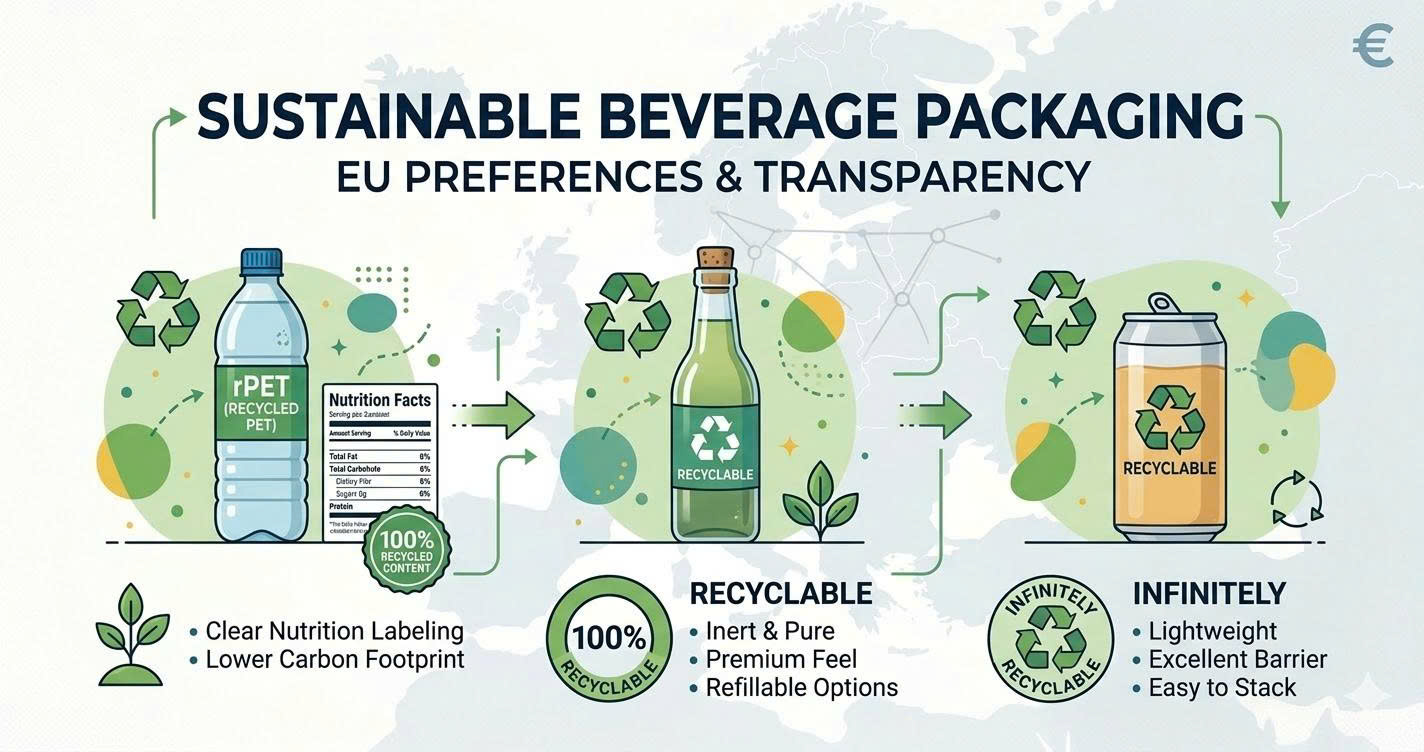
Sustainability is a top priority in the EU. Buyers and consumers prefer eco-friendly packaging such as recycled PET (rPET), aluminum cans, and glass. Clear labeling, including nutritional information and recycling instructions, is essential to build trust and meet regulatory standards.
What European Buyers Expect
B2B buyers in Europe prioritize
Compliance with EU regulations
Reliability in partnerships
Business flexibility
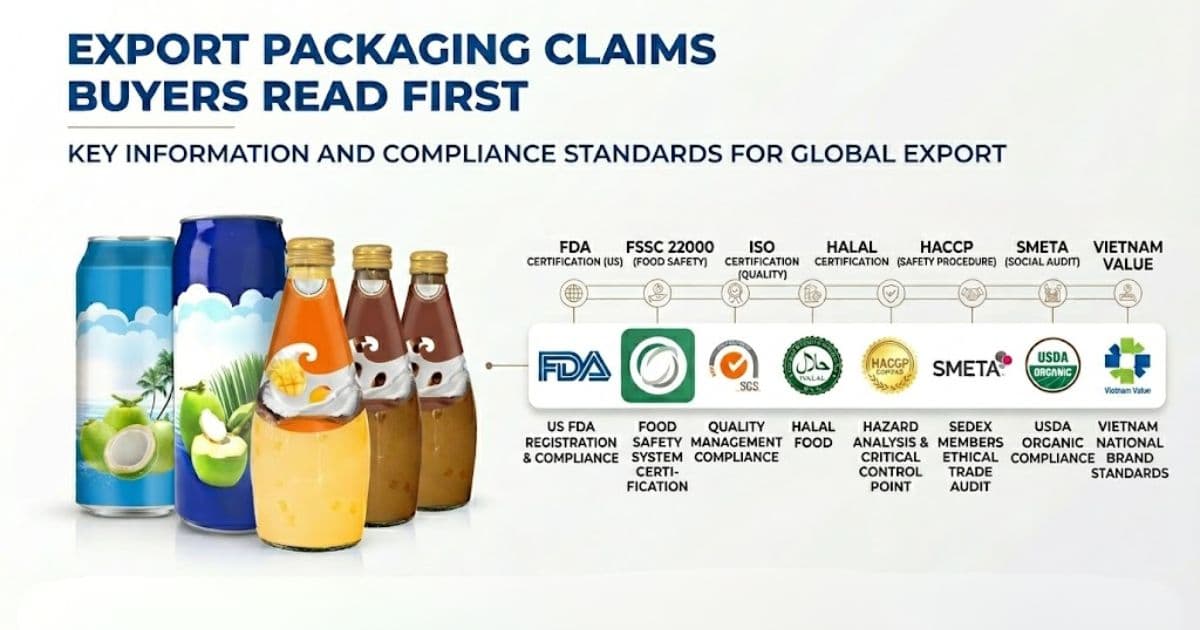
Required certifications for market entry
ISO
HACCP
BRC
Key decision-making factors
Stable and resilient supply chains
Consistent product quality
Efficient logistics and delivery
- VINUT branded distribution capabilities also offer a strong competitive advantage.
Conclusion
To succeed in the EU beverage market in 2026, businesses must combine health-focused innovation, sustainable practices, and strong operational performance. Those who adapt quickly will unlock significant growth opportunities.
Q&A
What are the key product trends for the European beverage market in 2026?
The main trends are health-focused beverages, including low- and no-sugar options, functional drinks enriched with vitamins and probiotics, and plant-based drinks. There is also a growing demand for premium non-alcoholic beverages like ready-to-drink mocktails and products with botanical extracts.
What are the most important packaging considerations for the EU market?
Sustainability is a top priority. European buyers and consumers prefer eco-friendly packaging materials such as recycled PET (rPET), aluminum cans, and glass. Clear labeling with nutritional information and recycling instructions is also essential to meet regulatory standards and build trust.
What do European B2B buyers prioritize when choosing a beverage supplier?
European B2B buyers prioritize compliance, reliability, and flexibility. Key requirements include international certifications like ISO, HACCP, and BRC, a stable supply chain, consistent product quality, and efficient logistics. The ability to offer VINUT branded distribution services is also a significant competitive advantage.