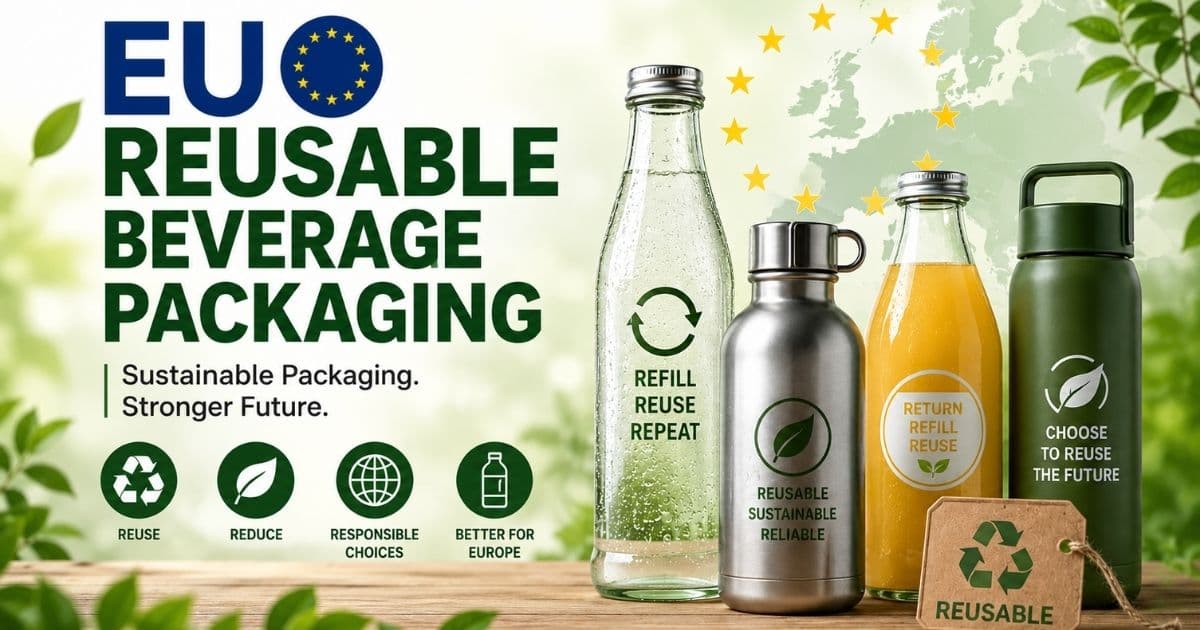
What Is Reusable and Refill Packaging?
Reusable packaging refers to containers designed to be used multiple times before disposal. Refill packaging systems allow consumers to refill beverage containers instead of purchasing entirely new packaging each time.
Common reusable beverage packaging formats include:
- Glass returnable bottles
- Refillable PET bottles
- Stainless steel beverage containers
- Bulk dispensing systems
- Reusable transport packaging
These systems aim to reduce packaging waste, lower carbon emissions, and support circular economy initiatives across Europe.
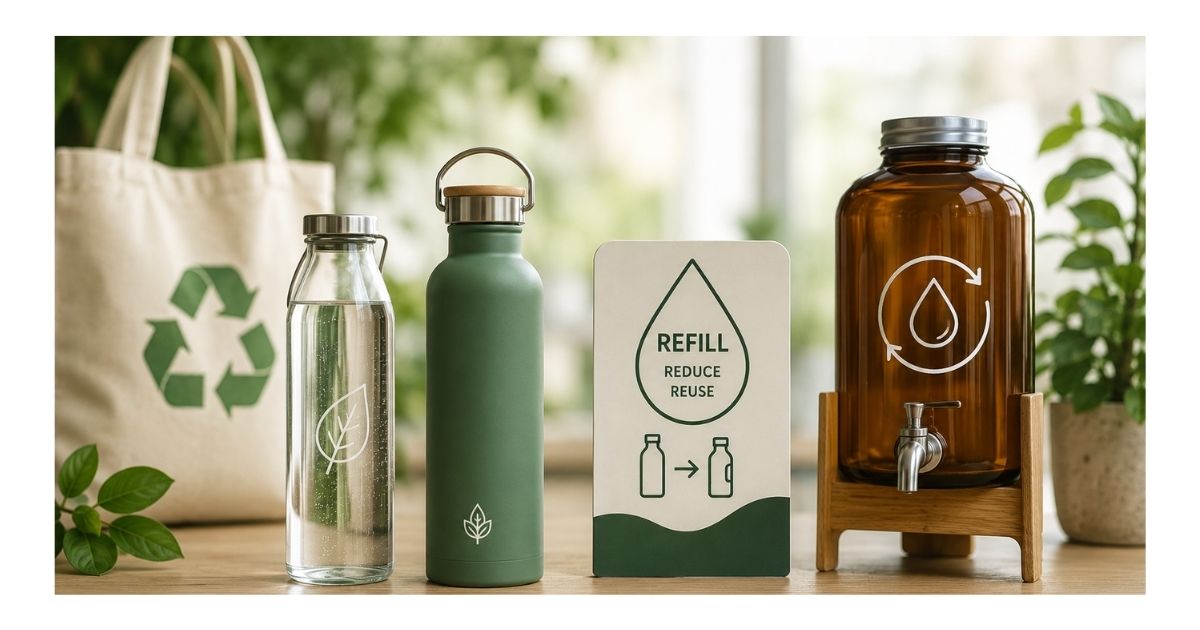
Why Is Europe Promoting Reusable Packaging?
European governments and retailers are actively encouraging sustainable packaging solutions to reduce environmental impact.
Several factors are driving the growth of reusable packaging in Europe:
- Stricter EU packaging regulations
- Rising consumer environmental awareness
- Plastic waste reduction goals
- Circular economy policies
- Retail sustainability commitments
- Carbon footprint reduction targets
Many European countries are also expanding deposit return systems (DRS), which encourage consumers to return beverage containers for reuse or recycling.
As a result, beverage suppliers are under increasing pressure to adopt more sustainable packaging models.
How Are Consumers Responding to Refill Packaging Trends?
European consumers are becoming more supportive of environmentally friendly packaging solutions.
Younger consumers, especially Gen Z and Millennials, often prefer brands that demonstrate sustainability efforts through:
- Reduced plastic usage
- Recyclable materials
- Reusable packaging systems
- Minimal packaging design
- Eco-friendly messaging
Consumers increasingly associate sustainable packaging with premium quality and responsible brand values.
For beverage brands, refill and reusable packaging can strengthen brand image and improve consumer trust.
Which Beverage Categories Are Most Suitable for Reusable Packaging?
Not all beverage products are equally suited for reusable systems.
Reusable and refill packaging is more commonly adopted in categories such as:
- Mineral water
- Sparkling water
- Soft drinks
- Beer
- Dairy beverages
- Functional drinks
- Cold brew coffee
- Kombucha
Glass bottles remain especially popular for reusable beverage systems due to durability and premium positioning.
However, the practicality of reusable packaging depends heavily on logistics infrastructure and local market conditions.
What Challenges Do Beverage Brands Face?
Although reusable packaging offers sustainability benefits, implementation can be complex.
Some major challenges include:
1. Higher Initial Costs
Reusable systems often require investment in:
- Durable packaging materials
- Collection systems
- Cleaning infrastructure
- Reverse logistics
This can increase operational costs for beverage exporters.
2. Logistics Complexity
Refill and return systems require efficient transportation and container tracking.
Cross-border export operations may face difficulties managing reusable packaging circulation efficiently.
3. Hygiene and Safety Requirements
European regulations require strict sanitation standards for reusable beverage containers.
Manufacturers must ensure packaging safety throughout the refill cycle.
4. Market Compatibility
Some retail channels and markets still prioritize convenience and low-cost disposable packaging.
Reusable systems may not fit all distribution models equally.
Are EU Retailers Supporting Reusable Packaging?
Many European retailers are expanding sustainability programs and encouraging suppliers to reduce packaging waste.
Retail chains increasingly evaluate:
- Packaging recyclability
- Plastic reduction initiatives
- Carbon reduction goals
- Environmental compliance
- Supplier sustainability strategies
Some supermarkets are testing refill stations and reusable bottle programs for selected beverage categories.
For exporters, demonstrating sustainable packaging innovation may improve opportunities with environmentally focused buyers.
How Does EU Regulation Affect Beverage Packaging in 2026?
The European Union continues to strengthen regulations related to packaging waste and sustainability.
Key regulatory trends include:
- Reduced single-use plastic dependence
- Increased recycled material requirements
- Packaging waste reduction targets
- Extended producer responsibility (EPR)
- Circular economy implementation
These regulations are encouraging beverage companies to explore reusable and refill packaging strategies more seriously.
Brands that adapt early may gain competitive advantages in future EU market access.
Is Reusable Packaging Suitable for OEM and ODM Beverage Suppliers?
OEM and ODM beverage manufacturers can benefit from offering flexible sustainable packaging solutions.
Importers increasingly seek suppliers capable of providing:
- Eco-friendly packaging options
- Custom refill packaging designs
- Sustainable label materials
- Lightweight packaging formats
- Recyclable containers
Suppliers that support both traditional and reusable packaging models may attract broader international buyer interest.
For beverage manufacturers like VINUT, sustainable packaging can also support stronger brand positioning in export markets. By offering flexible OEM and ODM beverage solutions with recyclable bottles and eco-friendly packaging options, VINUT can better meet the growing sustainability expectations of European importers, distributors, and retail buyers.
How Can Beverage Brands Prepare for This Trend?
To stay competitive in Europe, beverage brands should consider:
Conducting Market Research
Different European markets adopt reusable systems at different speeds.
Brands should evaluate local consumer behavior and retail infrastructure before implementation.
Improving Sustainable Packaging Strategies
Even partial improvements such as lighter bottles or recyclable materials can support sustainability goals.
Monitoring EU Packaging Regulations
Regulatory compliance will remain critical for export success.
Collaborating With Retailers and Distributors
Partnerships with local distributors can help brands better understand practical refill system opportunities.
Conclusion
Reusable and refill packaging is becoming increasingly relevant in the European beverage market as sustainability expectations continue to rise in 2026.
Although challenges such as logistics complexity and higher investment costs remain, many importers, retailers, and consumers now view sustainable packaging as an important purchasing factor.
For beverage brands and OEM manufacturers, adapting to reusable packaging trends may help improve market competitiveness, strengthen brand image, and support long-term growth opportunities in Europe.
As EU sustainability regulations continue evolving, beverage companies that invest early in environmentally responsible packaging strategies may be better positioned for future export success.