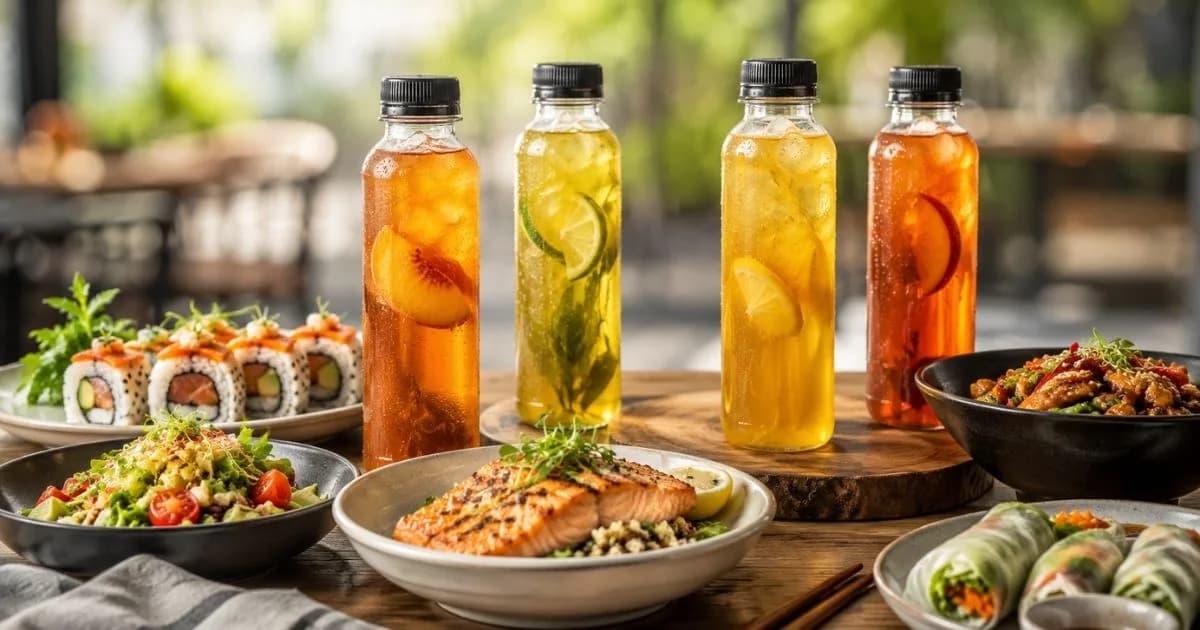

For beverage buyers, choosing a tea type is not simply about taste. It is about deciding what role a product will play on the shelf, which consumers it will attract, and which consumption occasions it can serve.
In the ready-to-drink (RTD) beverage category, green tea and black tea offer two distinct commercial opportunities. Green tea is often associated with freshness, light refreshment and wellness-oriented positioning, while black tea is commonly linked to classic iced tea, a fuller tea body and familiar fruit flavour combinations.
For distributors, importers, retailers and beverage buyers, understanding these differences can help build a more balanced and commercially relevant tea portfolio.
1. Why Tea Type Matters in Beverage Portfolio Planning
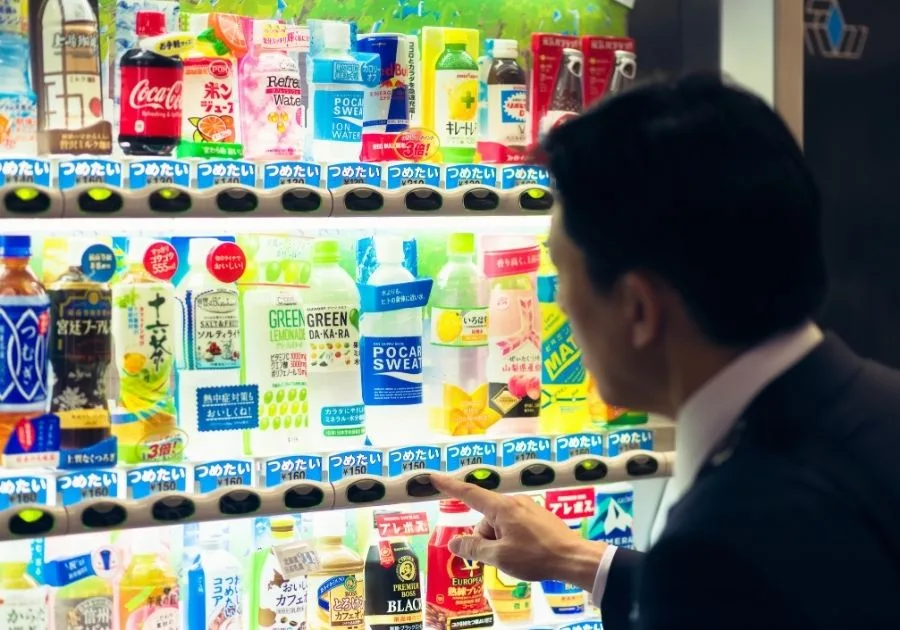
Green tea and black tea should not necessarily be viewed as competing products. They can function as two different commercial tools.
Tea-based beverages have become an important part of the RTD category, offering consumers a convenient alternative to traditional brewed tea. At the same time, consumers are increasingly interested in convenient beverages that fit everyday refreshment and more health-conscious lifestyles.
For B2B buyers, this creates an opportunity to use different tea types for different market segments.
Green tea and black tea should not necessarily be viewed as competing products. They can function as two different commercial tools:
Green tea: fresh, light and wellness-oriented.
Black tea: bold, smooth and familiar.
Green tea with citrus: bright and crisp.
Black tea with fruit: rounded, approachable and highly suitable for mainstream iced tea.
A well-planned RTD tea portfolio can use these differences to cover multiple consumer preferences and retail occasions.
2. Green Tea and Black Tea Come from the Same Plant
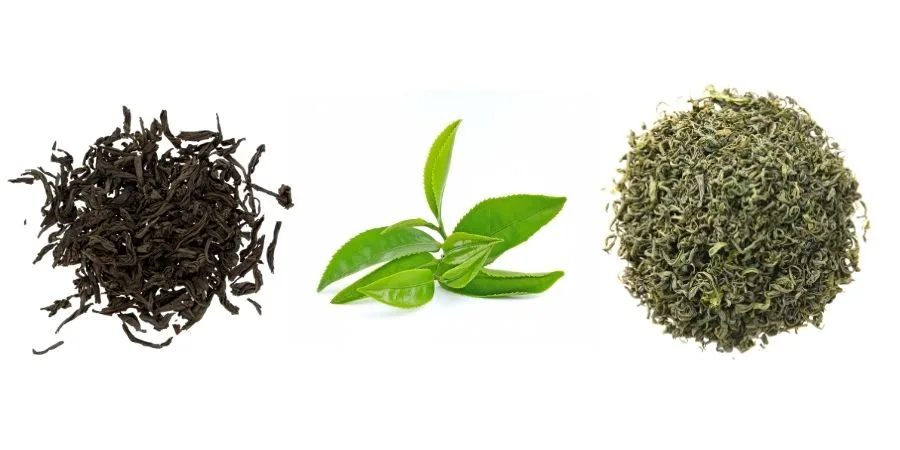
The key difference between green and black tea lies in how the leaves are processed after harvesting, especially the level of oxidation.
Both green tea and black tea are made from the leaves of the same plant, Camellia sinensis. The major differences between them come from how the tea leaves are processed, particularly the level of oxidation.
Processing affects the tea's colour, aroma, flavour, mouthfeel and naturally occurring compounds.
2.1. Green Tea Processing
Green tea undergoes relatively limited oxidation.
This helps preserve a lighter colour and contributes to flavour profiles that are often described as:
Fresh
Light
Clean
Grassy or vegetal
Delicate
These characteristics make green tea particularly suitable for beverages positioned around everyday refreshment and lighter flavour experiences.
2.2. Black Tea Processing
Black tea undergoes extensive or full oxidation during processing.
As a result, it generally develops:
A darker colour
A stronger tea body
Deeper aroma
A bold yet smooth flavour profile
These characteristics make black tea a natural fit for classic iced tea and fruit-flavoured tea beverages.
3. Taste Profile: Fresh and Light vs Bold and Smooth
From a portfolio perspective, flavour compatibility is one of the most important differences between green tea and black tea.
Tea Type | Taste Role | Best Fit |
|---|---|---|
Green tea | Fresh, light, clean | Wellness, everyday refreshment |
Black tea | Bold, smooth, classic | Mainstream iced tea, fruit tea |
Green tea + citrus | Bright, crisp | Lemon tea, low-sugar drinks |
Black tea + peach | Fruity, rounded | Peach iced tea, retail shelf appeal |
Green tea tends to work particularly well with lemon, honey, mint and botanical flavours, where its lighter character allows the additional flavours to remain prominent.
Black tea provides a stronger base for peach, lemon and berry flavours, creating a familiar and rounded profile that can appeal to mainstream iced tea consumers.
For beverage buyers, the key question is therefore not simply "Which tea tastes better?" but rather "Which tea fits the flavour direction and target market of my portfolio?"
4. Caffeine and Energy Positioning
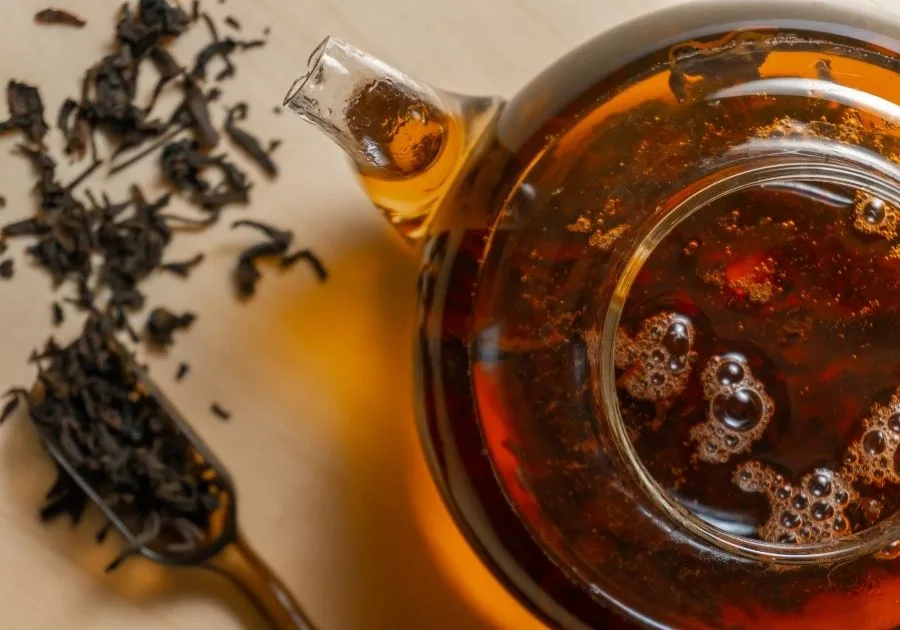
Black tea: Bold, smooth, classic. Mainstream iced tea, fruit tea.
Both green tea and black tea naturally contain caffeine. However, the actual caffeine level can vary depending on factors such as the tea variety, extraction method, formulation and serving size.
For B2B beverage buyers, this means caffeine positioning should be based on verified product and laboratory data rather than assumptions about the tea type.
Terms such as "light caffeine" or "moderate caffeine" should only be used when the finished product's caffeine content has been validated.
From a portfolio perspective, RTD tea can also occupy an interesting position between traditional soft drinks and stronger stimulant-oriented beverages. It can provide a tea-based refreshment option for consumers who want an alternative to coffee or energy drinks.
5. Antioxidants and Functional Positioning
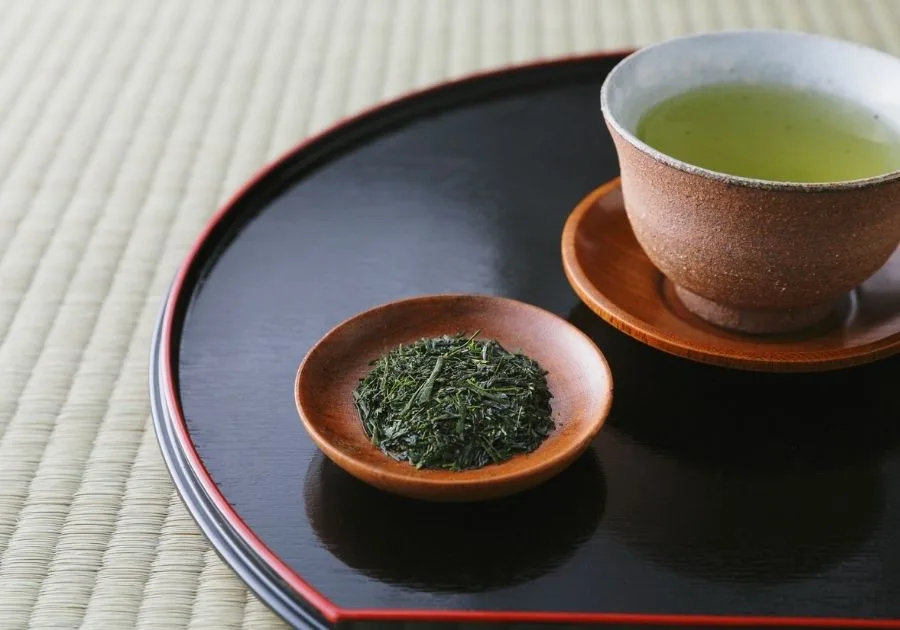
Green tea: Fresh, light, clean. Wellness, everyday refreshment.
Tea naturally contains various polyphenols and other compounds that contribute to its characteristic composition.
Green tea is commonly associated with catechins, while black tea is commonly associated with theaflavins and thearubigins, which develop during oxidation.
For commercial communication, beverage buyers should distinguish between nutritional or compositional information and medical claims.
If supported by appropriate product testing, phrases such as "contains tea antioxidants" may be suitable. However, tea beverages should not be marketed as products that prevent, treat or cure diseases without appropriate scientific and regulatory support.
For B2B buyers, accurate and evidence-based product communication is essential when preparing packaging, product listings and marketing materials for different markets.
6. Consumer Need-State Fit
Different tea types can address different consumer needs and shopping motivations.
| Consumer Need | Green Tea Fit | Black Tea Fit |
| Healthy refreshment | High | Medium |
| Classic iced tea | Medium | High |
| Fruit flavour pairing | Citrus, honey, mint | Peach, lemon, berry |
| Low-sugar proposition | High | High |
| Premium Asian origin story | High | Medium |
| Mainstream familiarity | Medium | High |
Green tea can be particularly attractive for consumers looking for a lighter, fresher beverage experience, while black tea can offer stronger familiarity for shoppers who already know and enjoy traditional iced tea.
Importantly, both can support low-sugar or reduced-sugar product concepts, depending on the final formulation.
7. Channel Fit for Supermarkets, Convenience Stores and HoReCa
The right tea type can also depend on where the product will be sold.
7.1. Supermarkets
Supermarkets generally require clear product architecture and a strong reason for consumers to choose one SKU over another.
A combination such as original green tea + lemon green tea + original black tea + peach black tea can create a simple and easy-to-understand range structure.
Green tea can occupy a wellness or premium refreshment position, while black tea can strengthen the mainstream iced tea segment.
7.2. Convenience Stores
Convenience stores focus heavily on grab-and-go consumption, fast product recognition and chilled impulse purchases.
Black tea with familiar flavours such as peach or lemon can work well for consumers looking for an immediately recognizable iced tea option.
Green tea can provide an alternative for shoppers seeking a lighter refreshment choice.
7.3. HoReCa
For hotels, restaurants and cafés, tea products need to provide menu utility, consistent flavour and food-pairing potential.
Green tea can complement lighter dishes and Asian-inspired menus, while black tea can work well with a wider range of foods and can also serve as a base for fruit tea beverages.
8. When Green Tea Works Better
Green tea may be the stronger choice when targeting:
Health-conscious and wellness-oriented shelves
Asian food and beverage retail
Low-sugar or lighter beverage propositions
Consumers looking for fresh and clean flavours
Lemon, honey, mint or botanical variants
Premium tea positioning
9. When Black Tea Works Better
Black tea may be the stronger choice when targeting:
Classic iced tea sections
Mainstream convenience channels
Consumers familiar with traditional iced tea
Fruit tea extensions
Peach, lemon and berry flavours
Broad retail distribution
10. Packaging Fit: PET Bottle and Aluminum Can
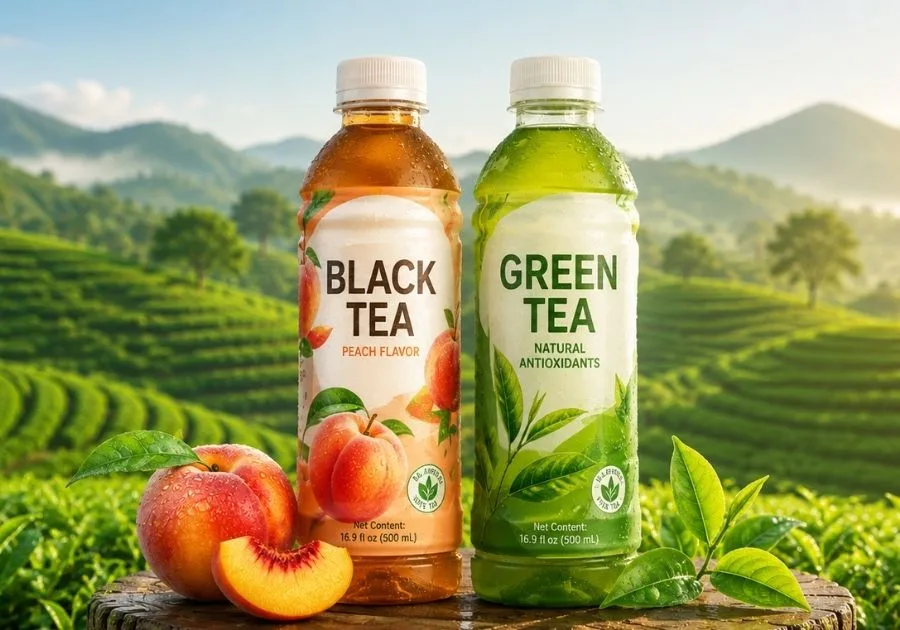
Packaging can also influence where and how an RTD tea is consumed.
Tea type is only one part of the product decision. Packaging can also influence where and how an RTD tea is consumed.
PET bottles are well suited to resealable, on-the-go consumption. They can be convenient for consumers who do not finish the beverage immediately and are particularly practical for supermarkets, convenience stores and everyday refreshment occasions.
Aluminum cans are well suited to chilled impulse consumption, vending and compact retail displays. Their format can also create strong visual impact when displayed in refrigerated beverage sections.
For B2B buyers, the best packaging format should be selected according to sales channel, target price point, distribution requirements and consumption occasion rather than tea type alone.
11. How Buyers Can Build a Balanced RTD Tea Portfolio
Instead of choosing only green tea or only black tea, distributors and retailers can consider building a complementary range.
11.1. Start with Original Green Tea
Use an original green tea as the foundation for wellness-oriented positioning and everyday refreshment.
11.2. Add Original Black Tea
Introduce a premium or classic black tea to reach consumers who prefer a stronger tea body and traditional iced tea flavour.
11.3. Add Peach Black Tea
Peach black tea can serve as a familiar fruit-flavoured extension, combining the stronger tea character of black tea with a sweet and approachable fruit profile.
11.4. Add Lemon Green Tea
Lemon green tea creates a bright citrus option that can appeal to consumers looking for a lighter and more refreshing flavour direction.
11.5. Match Packaging to Consumption Occasion
Consider PET bottles for resealable, on-the-go occasions and aluminum cans for chilled impulse consumption, vending and compact retail displays.
This approach allows buyers to build a range with clear differentiation instead of simply adding multiple SKUs with overlapping consumer propositions.
12. Buyer Checklist: Green Tea or Black Tea?
Buyer Question | Choose Green Tea If... | Choose Black Tea If... |
| Target consumer | Health-oriented | Mainstream iced tea consumers |
| Taste direction | Light and clean | Bold and smooth |
| Flavour plan | Lemon, honey, mint | Peach, lemon, berry |
| Shelf position | Wellness, Asian beverage | Iced tea, chilled drinks |
| Messaging | Fresh, natural, light | Classic, smooth, refreshing |
| Portfolio role | Light refreshment | Mainstream and fruit tea |
The Best Portfolio Often Needs Both |
For beverage distributors, importers and retailers, the choice between green tea and black tea does not have to be an either-or decision. Green tea supports fresh, light and wellness-oriented positioning, making it suitable for everyday refreshment, citrus flavours and lighter beverage concepts. Black tea supports mainstream iced tea demand, offering a stronger tea body and an excellent foundation for familiar fruit flavours such as peach, lemon and berry. The strongest RTD tea portfolio can therefore benefit from both tea types, with each product assigned a clear role based on target consumer, flavour direction, sales channel, packaging and consumption occasion. For B2B beverage buyers, the goal is not simply to choose the most popular tea. It is to build a clear, complementary product range that gives consumers more reasons to choose—and repurchase—your beverages. |