As consumers become more aware of their daily beverage choices, sugar content and ingredient transparency are becoming important factors when selecting drinks. Instead of choosing beverages based only on taste or convenience, many people now pay closer attention to nutrition labels, ingredients, and how a product fits into their lifestyle.
Among the growing beverage trends, low-sugar tea has gained attention as a refreshing option that combines the traditional appeal of tea with modern preferences for lighter sweetness and clearer labeling.
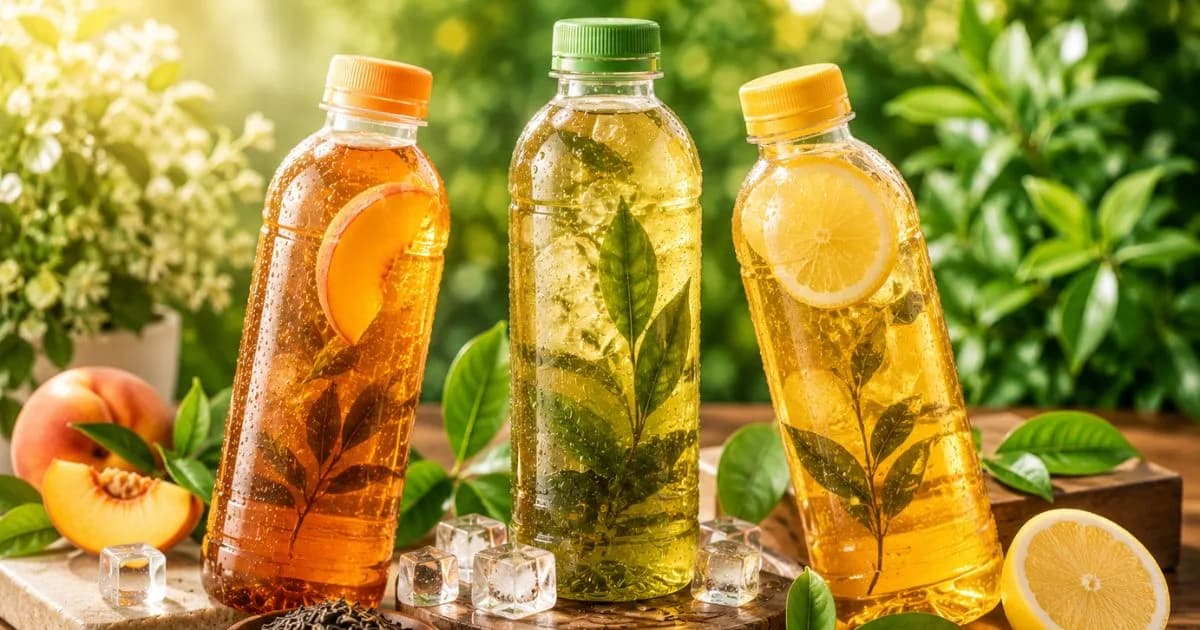
From ready-to-drink iced tea to bottled green tea and fruit-infused tea beverages, low-sugar options are becoming more common across supermarkets, convenience stores, and online channels.
But what does low-sugar tea really mean, and how can consumers choose the right beverage?
Why Low-Sugar Beverages Are Gaining Attention
The demand for lower-sugar drinks is connected to a broader shift in consumer behavior.
Many beverage shoppers are becoming more interested in understanding what they consume every day. Instead of looking only at front-of-pack messages, they are learning to compare:
- Total sugar
- Added sugar
- Calories
- Ingredients
- Serving size
This change has encouraged beverage brands to develop products with more balanced sweetness and clearer ingredient communication.
For modern consumers, choosing a beverage is no longer only about flavor. It is also about finding a drink that matches personal preferences, daily routines, and expectations around transparency.
Low-sugar beverages are especially popular among people who want a refreshing drink without choosing highly sweetened options.
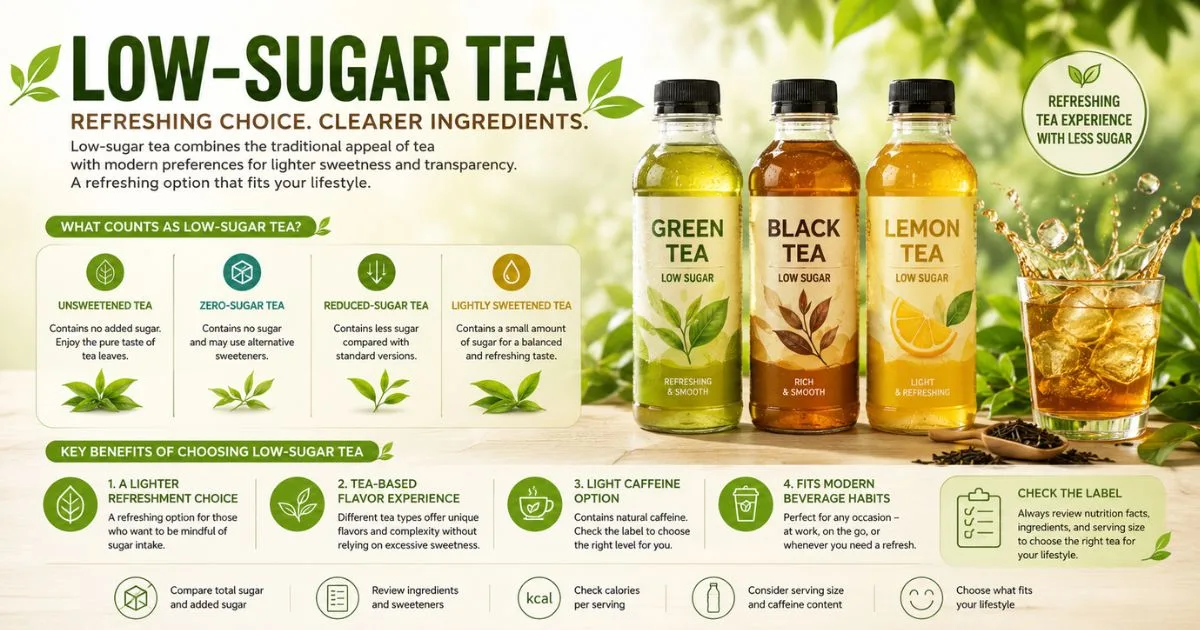
What Counts as Low-Sugar Tea?
The meaning of “low sugar” can vary depending on regulations in different markets. Therefore, consumers should always check the product label rather than relying only on marketing terms.
Common categories include:
Unsweetened Tea
Unsweetened tea typically contains no added sugar. The flavor comes mainly from brewed tea ingredients.
Examples include:
- Plain green tea
- Black tea
- Herbal tea
These products often appeal to consumers who prefer a more traditional tea taste.
Zero-Sugar Tea
Zero-sugar tea generally refers to beverages that contain no sugar or meet specific regulatory requirements for zero sugar claims.
However, it is still important to review the ingredient list because sweetness may come from alternative sweeteners.
Reduced-Sugar Tea
Reduced-sugar tea usually means the product contains less sugar compared with a standard version.
This category focuses on reducing sweetness while maintaining a familiar flavor profile.
Lightly Sweetened Tea
Some consumers prefer tea with a small amount of sweetness because it creates a balance between tea flavor and drinkability.
For many RTD tea products, the goal is to create a refreshing taste without excessive sweetness.
Key Benefits of Choosing Low-Sugar Tea
Low-sugar tea is becoming popular for several reasons beyond just sugar reduction.
1. A Lighter Refreshment Choice
Compared with many traditional sweetened beverages, low-sugar tea can offer a lighter drinking experience.
For consumers who enjoy flavored beverages but want to be more mindful of sugar intake, tea-based drinks provide another option.
However, the overall nutritional profile depends on the specific product, so checking the label remains important.
2. Tea-Based Flavor Experience
Tea offers a unique flavor profile that comes from natural tea leaves.
Different tea types provide different experiences:
- Green tea often has a lighter, fresher taste
- Black tea usually has a stronger and deeper flavor
- Herbal tea offers a wide range of botanical notes
This allows low-sugar tea to deliver flavor complexity without depending only on sweetness.
3. Light Caffeine Option
Many tea beverages naturally contain caffeine, especially green tea and black tea.
The caffeine level depends on:
- Tea type
- Brewing method
- Serving size
- Product formulation
For consumers who choose tea as part of their daily routine, checking caffeine information can help them select a beverage that fits their lifestyle.
4. Fits Modern Beverage Habits
Low-sugar tea works well for different daily occasions:
- Office breaks
- Commuting
- Lunch pairing
- Travel
- On-the-go refreshment
Its convenience makes it a popular choice in modern retail environments.
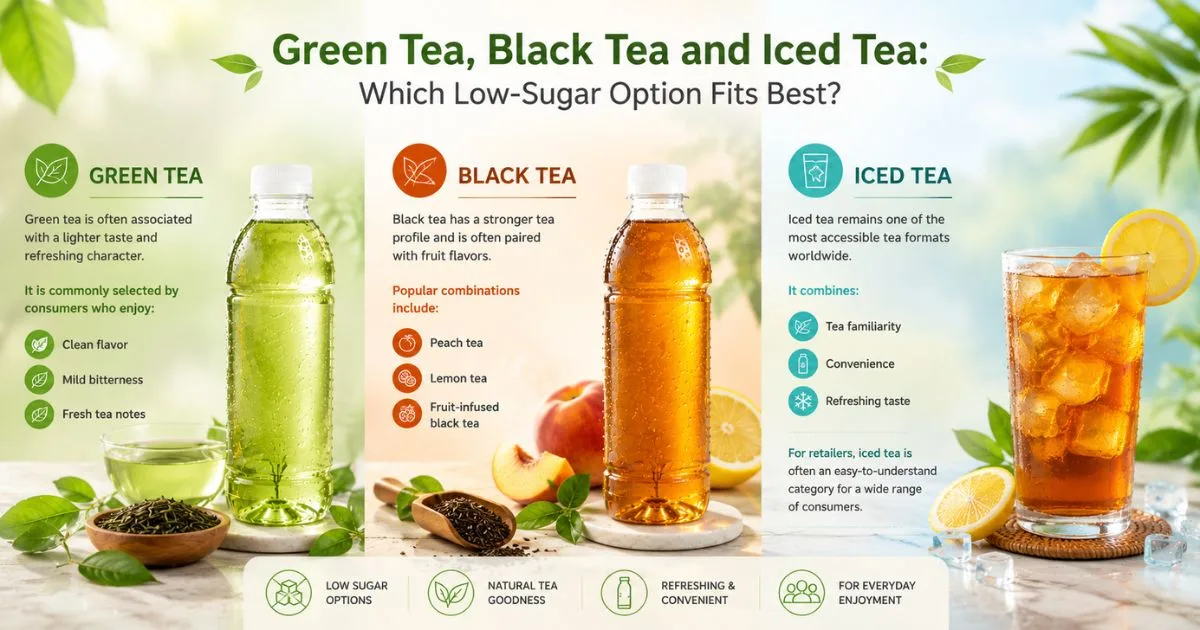
Green Tea, Black Tea and Iced Tea: Which Low-Sugar Option Fits Best?
Different tea types create different drinking experiences.
Green Tea
Green tea is often associated with a lighter taste and refreshing character.
It is commonly selected by consumers who enjoy:
- Clean flavor
- Mild bitterness
- Fresh tea notes
Black Tea
Black tea has a stronger tea profile and is often paired with fruit flavors.
Popular combinations include:
- Peach tea
- Lemon tea
- Fruit-infused black tea
Its bold flavor helps create a more noticeable tea experience.
Iced Tea
Iced tea remains one of the most accessible tea formats worldwide.
It combines:
- Tea familiarity
- Convenience
- Refreshing taste
For retailers, iced tea is often an easy-to-understand category for a wide range of consumers.
How to Read a Low-Sugar Tea Label
Choosing a low-sugar beverage starts with understanding the label.
Here are key points to check:
Total Sugar
Total sugar includes all sugars present in the beverage.
This number helps consumers understand the overall sweetness level.
Added Sugar
Added sugar refers to sugars added during processing.
Comparing added sugar information can help consumers understand whether sweetness comes from added ingredients or naturally occurring sources.
Calories
Calories provide additional context about the overall energy content of the beverage.
Ingredients
A clear ingredient list can help consumers identify:
- Tea source
- Sweeteners
- Flavor ingredients
- Preservatives
- Other components
Reading the full label provides a more accurate picture than looking at only one claim.
What Retail Buyers Should Consider Before Choosing Low-Sugar Tea
For retailers and beverage buyers, selecting low-sugar tea requires evaluating more than sugar content.
Important factors include:
Taste Balance
A successful low-sugar tea should still provide an enjoyable drinking experience.
Too much reduction in sweetness may affect consumer acceptance.
Packaging Format
Common formats include:
- PET bottles
- Aluminum cans
The right format depends on:
- Storage conditions
- Distribution channel
- Consumer habits
Market Compliance
Buyers should review:
- Nutrition information
- Ingredient documentation
- Label requirements
- Local regulations
A beverage needs to match both consumer expectations and market standards.
Practical Checklist: How to Choose Low-Sugar Tea
Before selecting a low-sugar tea beverage, consider:
✓ Check total sugar and added sugar
✓ Review serving size
✓ Compare calories
✓ Read the ingredient list
✓ Understand caffeine content
✓ Evaluate flavor preference
✓ Consider packaging convenience
✓ Verify product information and compliance
This approach helps consumers and buyers make more informed decisions.
Where Tea Brands Fit in the Low-Sugar Trend
As demand for transparent and balanced beverages grows, many tea brands are adapting their products to match changing consumer expectations.
Tea products inspired by traditional tea origins, including green tea and black tea varieties, are increasingly being developed in convenient ready-to-drink formats.
Brands such as VINUT Tea represent one example of how tea producers are exploring modern beverage preferences through formats designed for everyday consumption.
Conclusion: Making Smarter Beverage Choices
The growth of low-sugar tea reflects a larger shift toward more mindful beverage choices. Consumers today are looking for drinks that combine flavor, convenience, and clearer ingredient information.
Whether choosing tea for daily refreshment or evaluating beverages for retail shelves, understanding labels and product details helps create better decisions.
Low-sugar tea is not simply about reducing sweetness - it is about finding a balanced beverage experience that fits modern lifestyles.