
Peach and Lemon Tea: Why Familiar Flavours Work in Global Retail
When shoppers browse the ready-to-drink (RTD) tea aisle, they often make purchasing decisions within just a few seconds. Packaging attracts attention, but flavour is usually what gives consumers the confidence to try a product for the first time.
For retailers, distributors, and beverage importers, choosing familiar flavours can reduce consumer hesitation while making new products easier to position across different retail channels. Among the many fruit tea options available today, peach and lemon continue to stand out as two of the most widely recognised and internationally accepted flavours.
Why Familiar Flavours Matter in RTD Tea
Consumers naturally gravitate toward flavours they already know. Familiar fruit profiles help shoppers understand what to expect before they even take the first sip.
This familiarity offers several advantages:
- Faster purchasing decisions
- Lower trial barriers for first-time buyers
- Broader appeal across different age groups
- Easier placement in supermarkets, convenience stores, and foodservice
For beverage buyers, familiar flavours can also reduce portfolio risk when entering new markets where consumer preferences are still developing.
Lemon Tea: A Refreshing Everyday Choice
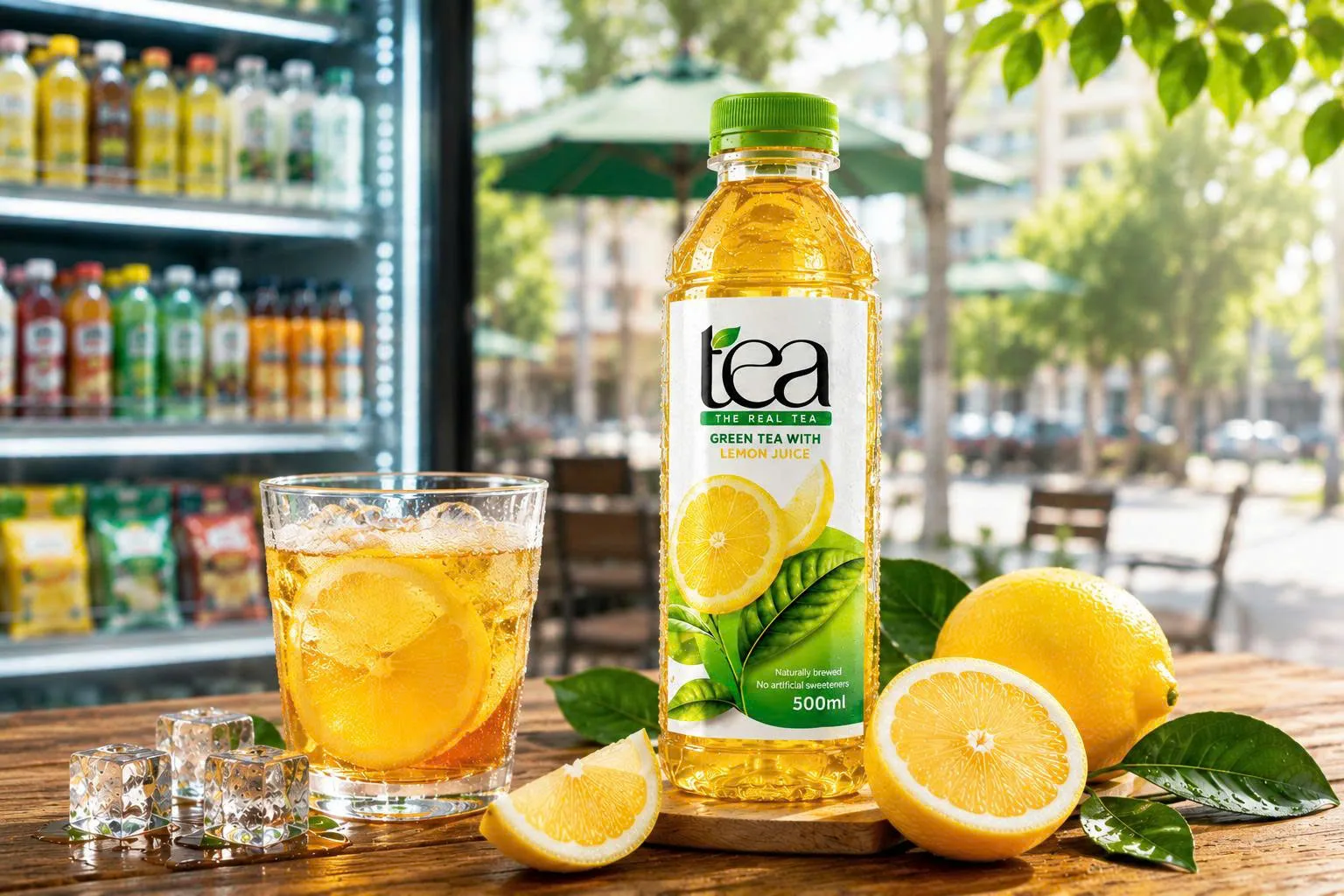
Lemon has long been associated with freshness, lightness, and refreshment. These characteristics make lemon tea one of the most recognised RTD tea flavours worldwide.
Its bright citrus profile pairs naturally with chilled beverages, making it suitable for:
- Convenience stores
- Supermarkets
- Vending machines
- Cafés and restaurants
- On-the-go consumption
Many brands also position lemon tea as part of a lighter beverage range, particularly when supported by appropriate nutrition information and low-sugar formulations.
Peach Tea: Smooth, Fruity, and Easy to Enjoy
Peach offers a softer fruit profile that complements the natural character of tea without overwhelming it. Its mild sweetness and pleasant aroma make it approachable for consumers who may be trying fruit-flavoured tea for the first time.
Peach tea is commonly found in:
- Modern retail chains
- E-commerce beverage stores
- HoReCa channels
- Youth-oriented retail environments
Because of its balanced flavour, peach tea often appeals to shoppers looking for a refreshing drink that feels fruity without being overly sweet.

What Buyers Should Evaluate Before Selecting Tea Flavours
Flavour is only one part of a successful RTD tea portfolio. Before placing an order, buyers should also compare several practical factors:
- Consumer familiarity in the target market
- Sugar content and Nutrition Facts
- Tea base, such as black tea or green tea
- Packaging format, including PET bottles or aluminium cans
- Shelf appearance and colour differentiation
These considerations help ensure the selected products align with local consumer expectations and retail requirements.
Peach Tea vs Lemon Tea
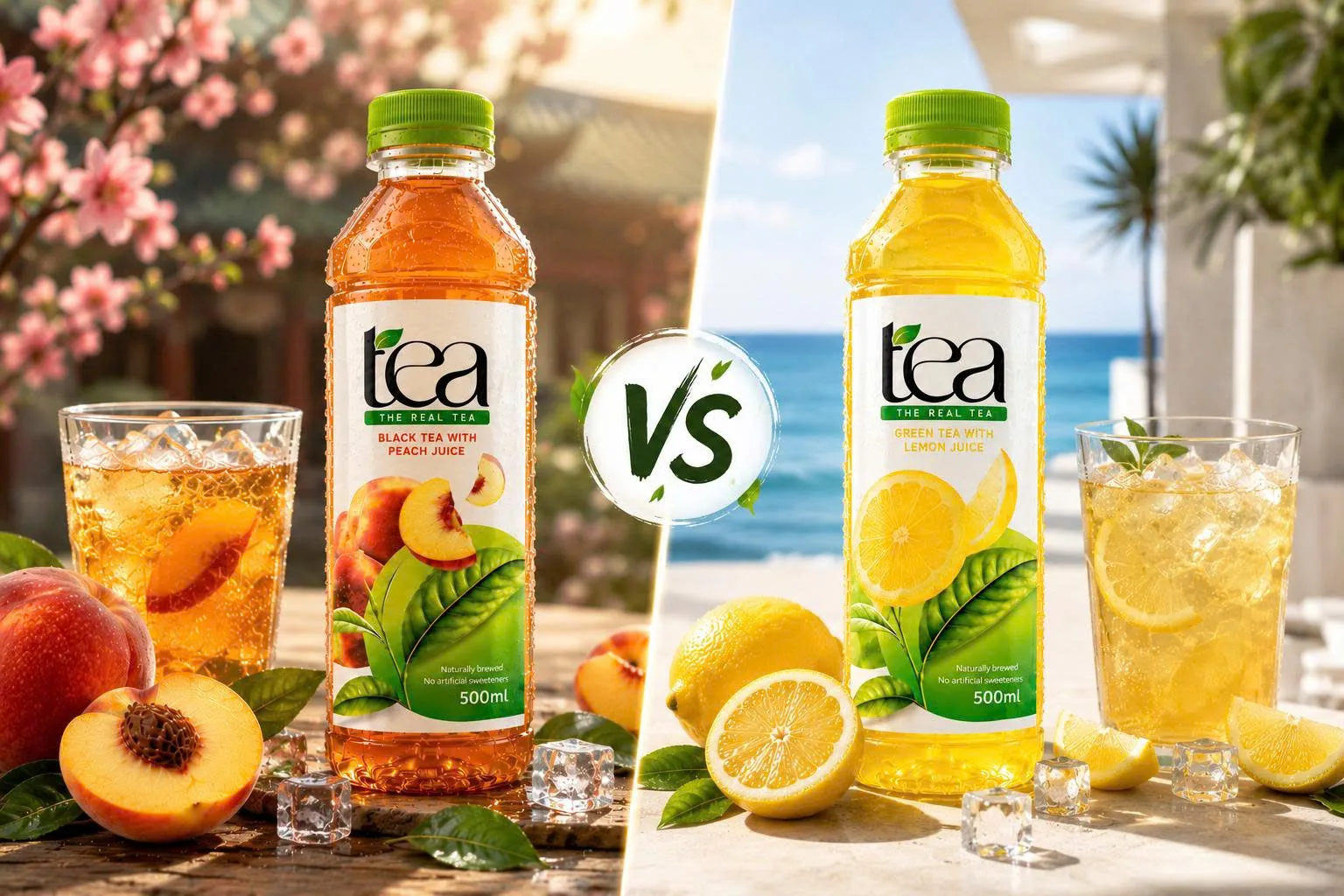
Rather than competing with one another, peach and lemon tea often serve different roles within a beverage portfolio.
Lemon tea is commonly selected for shoppers seeking a crisp, refreshing drink with a clean citrus character.
Peach tea provides a smoother fruit experience that appeals to consumers looking for a softer, more aromatic flavour.
Offering both options allows retailers and distributors to satisfy a wider range of taste preferences while creating stronger shelf variety.
Supporting Modern Consumer Trends
Today's consumers increasingly look for beverages that combine enjoyable flavour with simple ingredient expectations.
Peach and lemon tea can support this trend when products offer:
- Balanced sweetness
- Clearly labelled ingredients
- Transparent nutrition information
- Appropriate clean-label positioning where supported
- Consistent product quality
Any nutrition, ingredient, or clean-label claims should always comply with the regulations of the destination market.
Retail Opportunities Across Multiple Channels
Because they are widely recognised, both peach and lemon tea work well across numerous retail environments.
Supermarkets benefit from familiar flavours that appeal to family shoppers and multipack purchases.
Convenience stores encourage impulse purchases through chilled single-serve formats.
HoReCa operators can offer fruit tea as a refreshing non-carbonated beverage alongside meals.
E-commerce platforms allow retailers to introduce flavour bundles and encourage repeat purchases through variety packs.
Peach and lemon remain two of the most recognised flavours in the global ready-to-drink tea category because they are familiar, approachable, and easy for consumers to understand.
Rather than viewing one flavour as better than the other, retailers and distributors can use both to create a balanced RTD tea portfolio that serves different shopper preferences and consumption occasions.
By combining familiar fruit flavours with appropriate packaging, transparent nutrition information, and market-compliant labelling, beverage buyers can build product ranges that are easier to position across supermarkets, convenience stores, foodservice, and e-commerce channels.