VINUT
Beverage Category Insights6 min readSeptember 30, 2026

Coconut Water with Pulp vs Original Coconut Water: Which One Should You Choose?

Compare coconut water with pulp and original coconut water by texture, taste, ingredients, nutrition, and retail suitability to find the right option for consumers and beverage buyers.

V
VINUT Team25 views
Coconut Water with Pulp vs Original Coconut Water: Which One Should You Choose?
Article Guide (10 sections)

1. Coconut Water with Pulp vs Original Coconut Water: Which One Should You Choose?

Coconut water has become a popular beverage around the world, but not every product offers the same drinking experience. Two of the most common options are coconut water with pulp and original coconut water.

Although both belong to the same beverage category, they are designed for different consumer preferences. The biggest difference is texture, but ingredients, labeling, retail positioning, and buyer considerations also play important roles.

This guide compares both formats to help consumers, retailers, and importers understand which option is most suitable for their needs.

2. Quick Comparison: Coconut Water with Pulp vs Original

FeatureCoconut Water with PulpOriginal Coconut Water
TextureContains coconut pulp piecesSmooth, pulp-free
TasteRicher coconut experienceLight, clean coconut taste
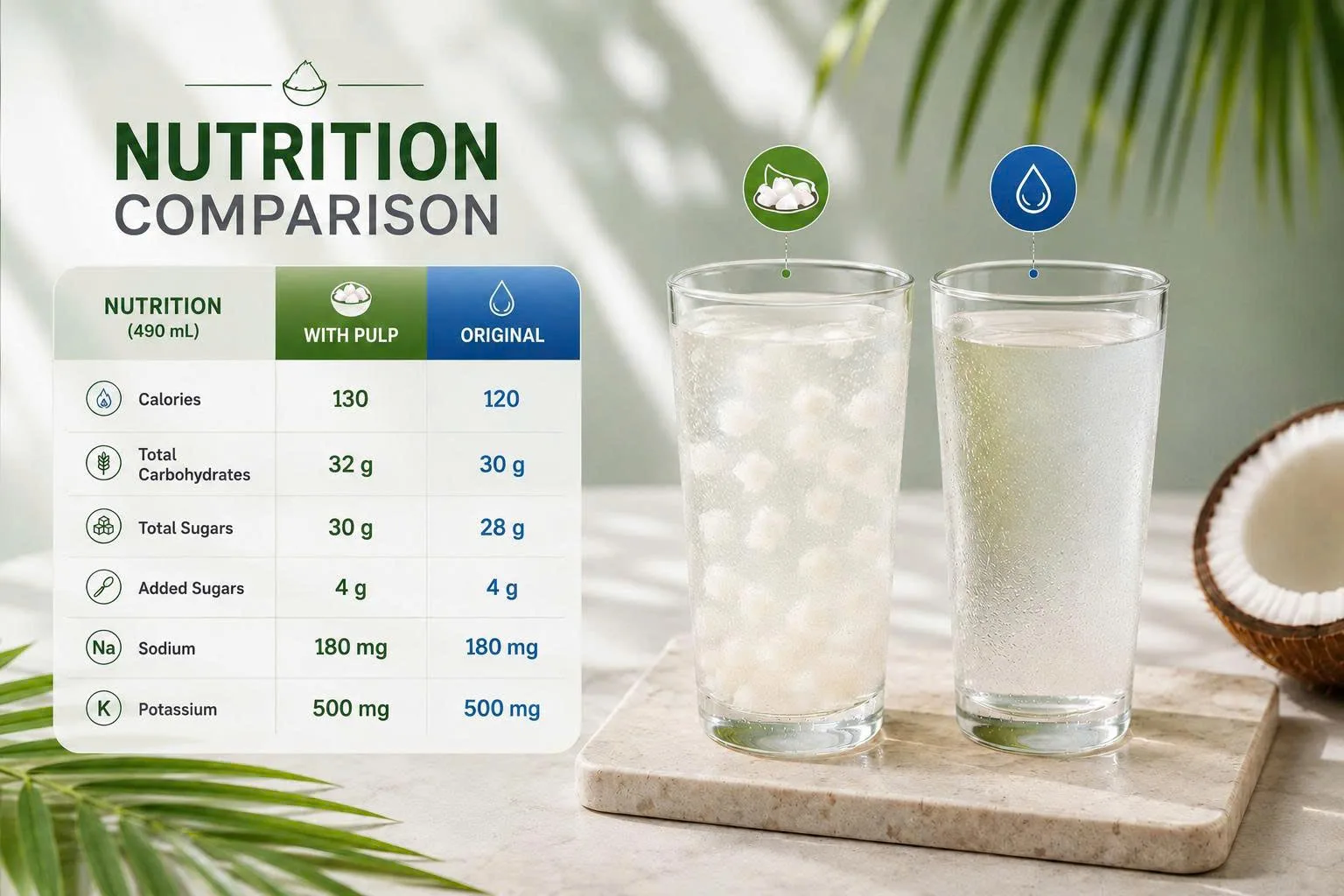
Calories (490 mL)130120
Total Sugars30 g28 g
Added Sugars4 g4 g
Potassium500 mg500 mg
Sodium180 mg180 mg
Recommended forTexture lovers, specialty retailEveryday consumers, supermarkets
Label NoteContains sulfiteNo sulfite notice listed

Neither option is universally better. Each serves a different type of consumer and retail strategy.

3. What Is Coconut Water with Pulp?

Coconut water with pulp is made by combining coconut water with small pieces of real coconut pulp. These soft pieces add texture, giving the drink a more authentic tropical character and a fuller mouthfeel.

Many consumers enjoy the combination of refreshing coconut water and chewy coconut pieces because it creates a more engaging drinking experience.

According to typical product labels, ingredients may include:

  • Coconut water
  • Coconut pulp
  • Sugar
  • Sodium metabisulfite

Products containing sodium metabisulfite should clearly state Contains Sulfite, allowing consumers and buyers to identify allergen information before purchase.
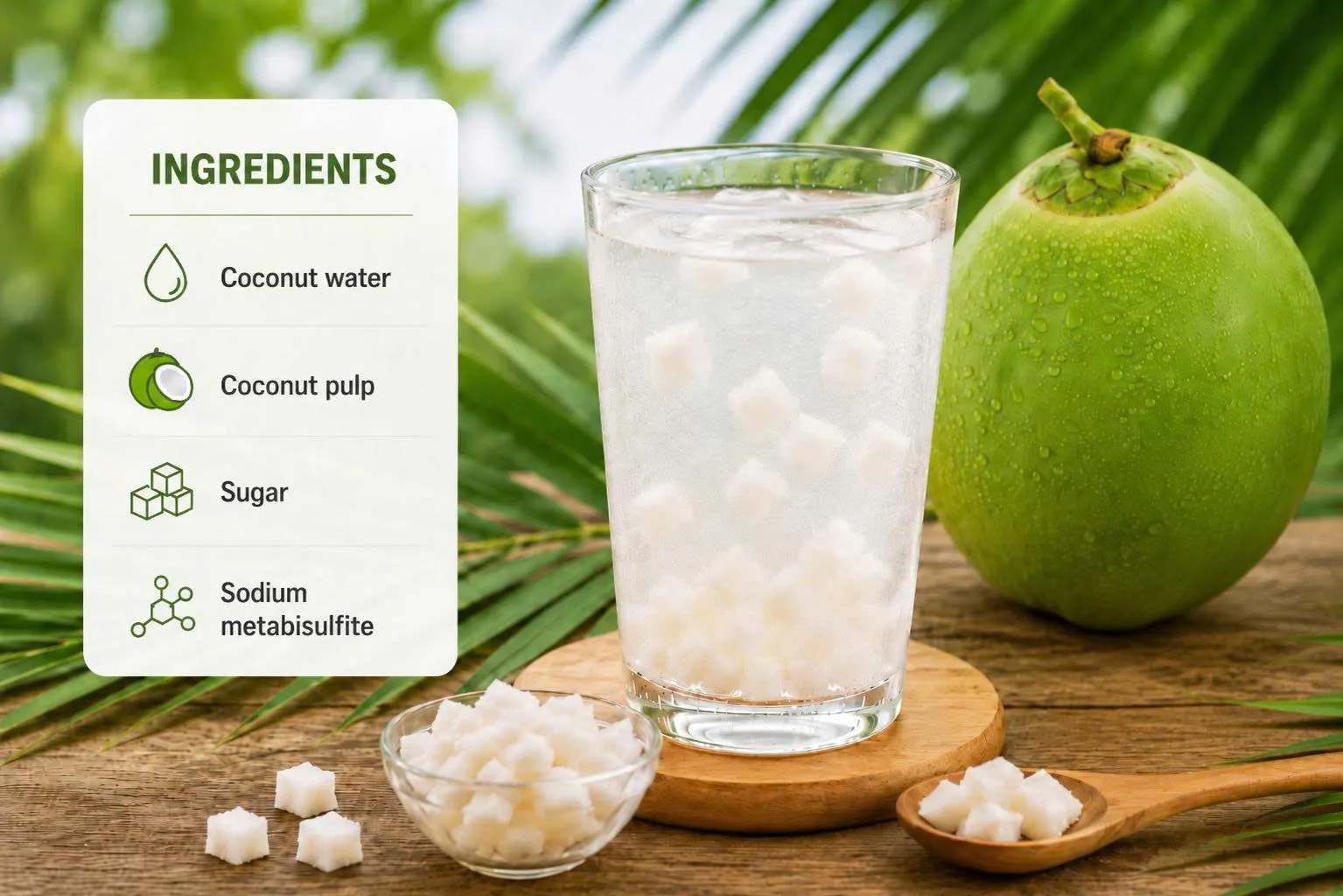
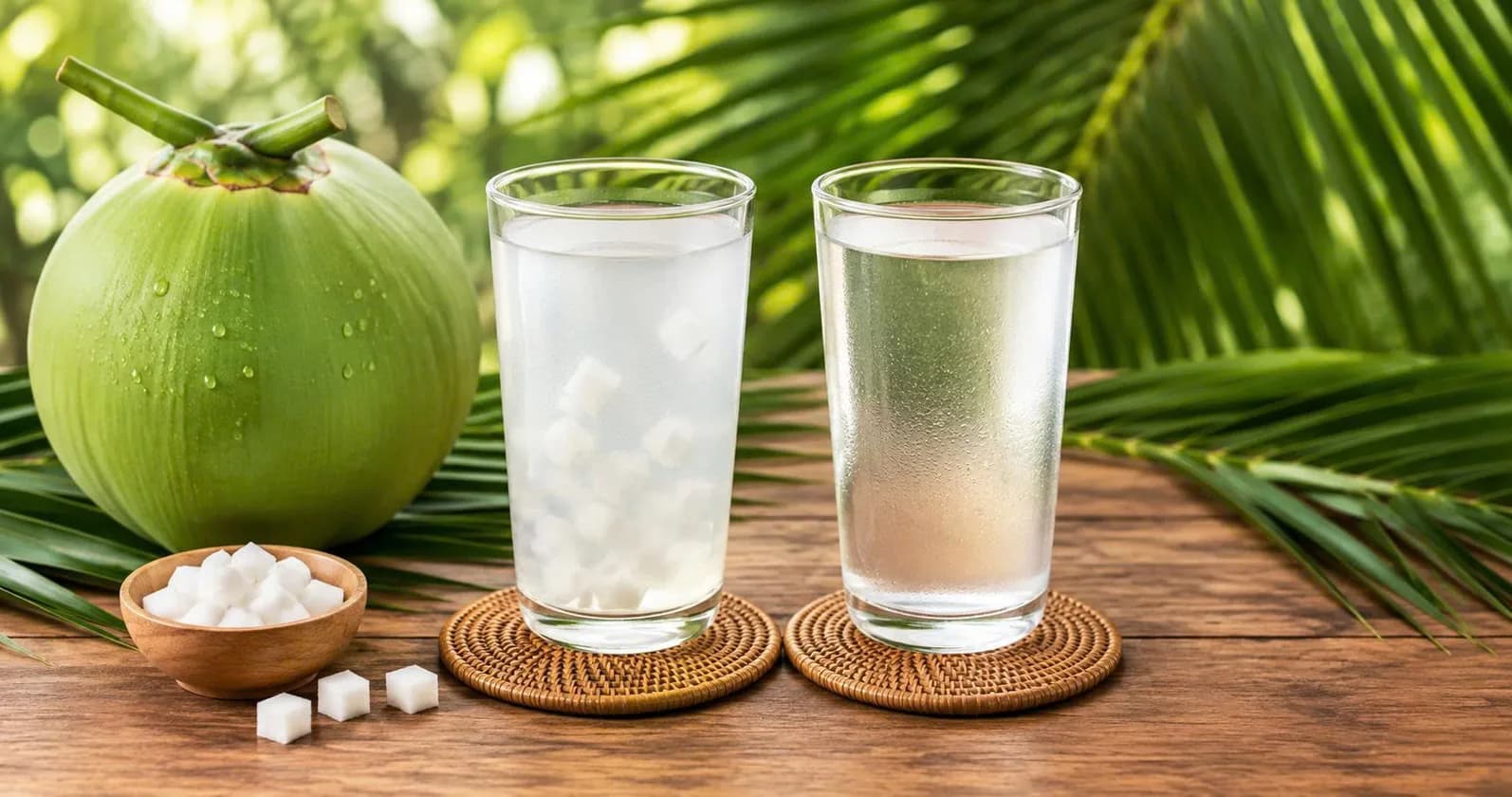
Glass of coconut water with small coconut pulp pieces, fresh young coconut, and ingredient panel showing coconut water, coconut pulp, sugar, and sodium metabisulfite.

4. What Is Original Coconut Water?

Original coconut water is the classic version without coconut pulp.

Its smooth texture makes it easy to drink and familiar to a broad range of consumers. Because there are no pulp pieces, it is often preferred by shoppers looking for a simple, refreshing beverage suitable for everyday consumption.

Typical ingredient labels include:

  • Coconut water
  • Less than 1% sugar for taste balance

Its straightforward flavor profile also makes it easier to introduce into markets where consumers may be less familiar with textured beverages.
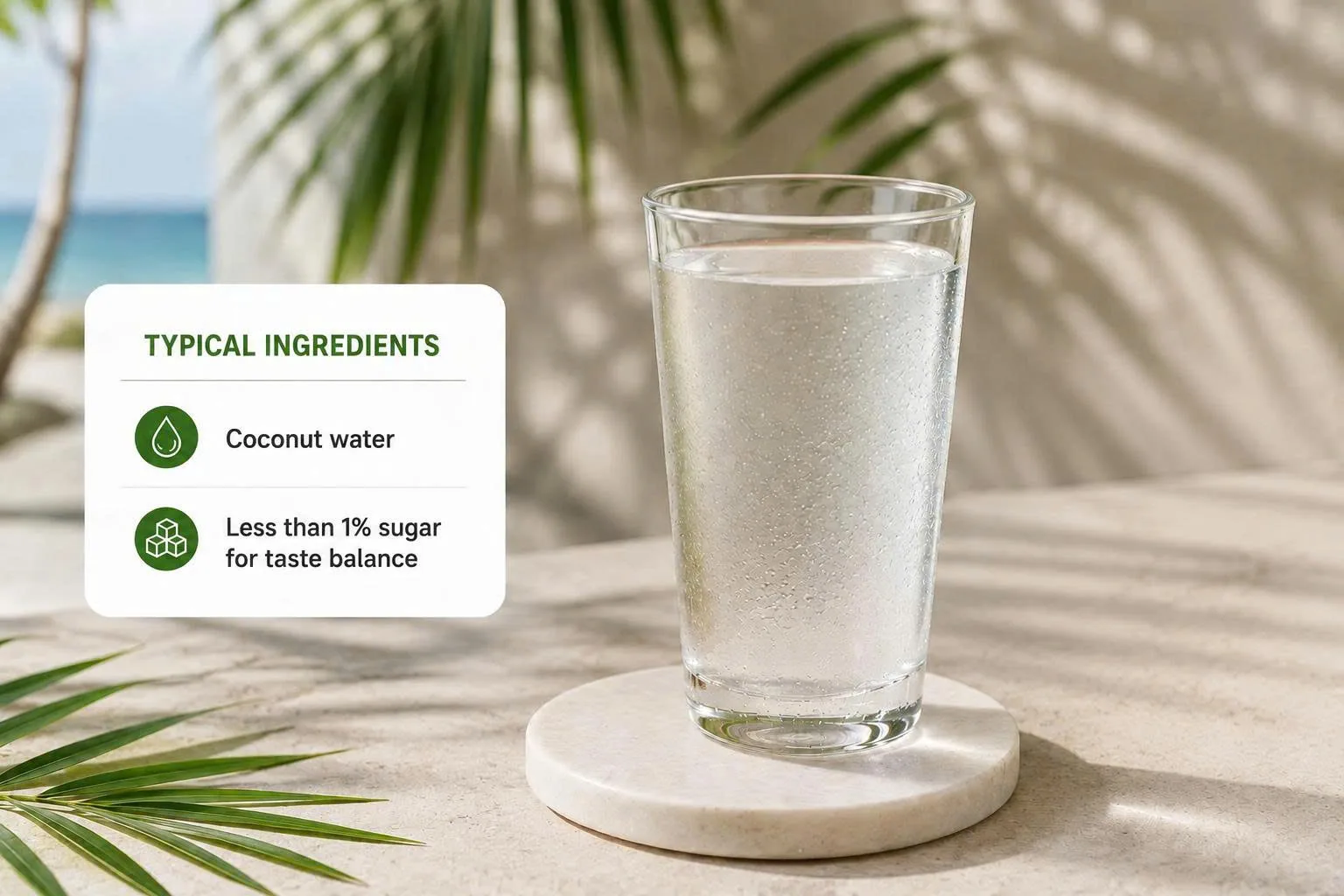
Glass of original coconut water with fresh young coconut and ingredient panel showing coconut water and less than 1% sugar for taste balance.

5. Taste and Texture: The Biggest Difference

Texture is the most noticeable difference between these two products.

Coconut water with pulp offers soft coconut pieces that create a richer and more tropical drinking experience. Consumers who enjoy fruit pieces or textured beverages often appreciate this format.
Original coconut water provides a cleaner, lighter mouthfeel without solid pieces. It is easier to drink quickly and tends to appeal to mainstream consumers looking for a classic coconut water experience.

Neither texture is better than the other—it simply depends on personal preference.

6. Nutrition Comparison

Both products share similar nutrition profiles, with only small differences.

Comparison of coconut water with pulp and original coconut water nutrition values.

These values come from product labeling and should not be interpreted as health claims. Consumers should always read the Nutrition Facts panel when comparing beverages.

7. Ingredients and Label Considerations

Beyond nutrition, ingredient labels provide important information for both consumers and commercial buyers.

The main distinction is that coconut water with pulp includes:

  • Coconut pulp
  • Sodium metabisulfite
  • A Contains Sulfite allergen declaration

Original coconut water generally has a simpler ingredient list and does not typically require a sulfite notice.

For importers and distributors, reviewing ingredient statements and allergen declarations is essential to ensure compliance with destination-market labeling requirements.

8. Which Product Fits Which Consumer?

Different consumers look for different beverage experiences.

Coconut Water with Pulp is often suitable for:

  • Consumers who enjoy textured drinks
  • Tropical beverage enthusiasts
  • Specialty grocery stores
  • Asian food retailers
  • Shoppers looking for a more authentic coconut experience

Original Coconut Water is often preferred by:

  • Everyday consumers
  • Families
  • Convenience store shoppers
  • Supermarkets
  • Online grocery platforms
  • Grab-and-go beverage sections

Offering both formats allows retailers to meet a wider range of consumer preferences.

9. Retail and B2B Buyer Considerations

From a retail perspective, each product serves a different purpose.

Original coconut water is generally easier to introduce because its smooth texture is familiar to most shoppers. It works well in supermarkets, convenience stores, and mainstream beverage assortments.

Coconut water with pulp provides differentiation. The textured drinking experience can help specialty retailers stand out and appeal to consumers already familiar with tropical beverages.

Before selecting either format, buyers should evaluate:

  • Target consumer preferences
  • Local labeling requirements
  • Ingredient declarations
  • Allergen information
  • Shelf positioning
  • Market education needs

Choosing the right product depends on the intended retail channel rather than assuming one format is universally better.

10. Building a Balanced Coconut Water Portfolio

Retailers and distributors often benefit from offering both formats instead of choosing only one.

A balanced assortment may position:

  • Original coconut water as the core everyday option.
  • Coconut water with pulp as a premium or differentiated choice for consumers seeking additional texture.

This approach helps brands and retailers serve both mainstream shoppers and consumers looking for a more distinctive tropical beverage experience.

Coconut water with pulp and original coconut water each offer a different way to enjoy the natural taste of coconut.

If you prefer a smooth, familiar beverage, original coconut water is a practical everyday choice. If you enjoy added texture and a more tropical drinking experience, coconut water with pulp may be a better fit.

For retailers and beverage buyers, offering both formats can help satisfy a broader range of consumer preferences while creating a more complete coconut water assortment.


Frequently Asked Questions

Quick answers about this topic

More VINUT beverage guidance selected for this topic.

About the Author
V

VINUT Team

VINUT Editorial Team

The VINUT editorial team shares product updates, beverage category context, and B2B distribution guidance for international buyers.

Interested in our products?

Request a free sample or contact our sales team.