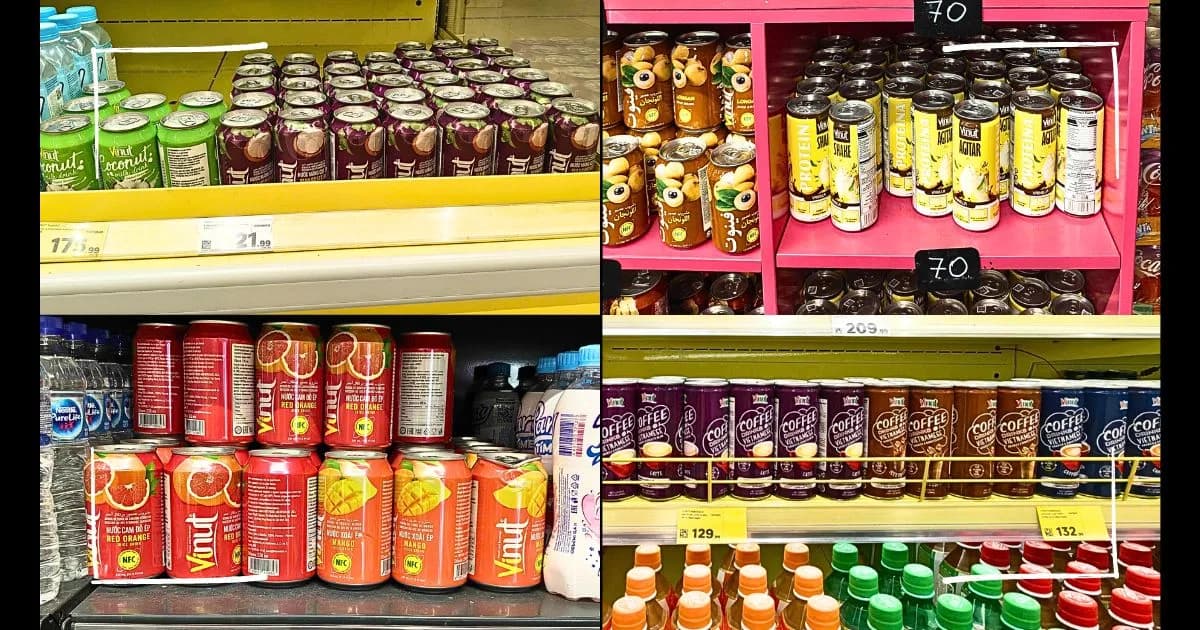
Coconut water for retail has become a growing opportunity in modern beverage aisles. For importers, distributors, and category managers, the real question is which products, formats and flavors earn shelf space in each channel, and what a buyer should verify before listing. This guide covers the essentials of the coconut water retail category for supermarket and convenience store buyers, without medical claims or consumer hype.
1. Why Coconut Water for Retail Fits Modern Beverage Aisles
1.1 Better-for-you beverage demand
Shoppers increasingly look for beverages positioned around natural ingredients and lighter refreshment. Coconut water sits comfortably in that space, next to juices, functional drinks, and flavored waters, without needing a complicated explanation at the shelf.
1.2 Familiar flavor and broad appeal
Coconut is among the most recognized tropical flavors worldwide. That familiarity lowers the barrier to trial, which matters for a product shoppers often pick up on impulse.
1.3 Single-serve convenience
Ready-to-drink formats work in chilled coolers and ambient shelves, and they translate across supermarkets, convenience stores, online grocery and specialty retail with little adaptation. The coconut water retail category works best as a complement to the beverage mix, not a replacement for water or other hydration products, and retailers should position it that way.
2. What Retail Buyers Should Check Before Listing Coconut Water
A good listing decision rests on documentation as much as taste.
2.1 Ingredients and label claims
Read the ingredient list and any added sugar statement. Claims such as “organic” or “100% juice” must match the actual label and the documents for the target market. To understand what the latter claim means, see what “100% juice” means for coconut water. For organic claims, the USDA organic labeling rules are a useful reference point.
2.2 Nutrition facts per can
Calories, sugar, sodium, and potassium should be clearly stated and consistent across SKUs.
2.3 Shelf life and storage instructions
These determine stock rotation, chilled versus ambient placement, and how much inventory a store can carry safely.
2.4 Certifications and compliance
Ask for certificates and check that they apply to the specific SKU, not just the brand overall.
2.5 Packaging and carton configuration
Confirm durability, case size and pallet configuration against your logistics.
2.6 Barcode, origin and documentation readiness
Country of origin, manufacturer details and barcode readiness speed up onboarding.
2.7 Market-language labeling and sample approval
Label requirements vary by country, so confirm whether localization is needed. Approve samples before committing to volume, since sensory consistency across batches is part of the buying decision.
A supplier that can provide this information quickly is usually a safer partner than one that leads only with price.
3. Choosing the Right Canned Coconut Water for Retail Channels
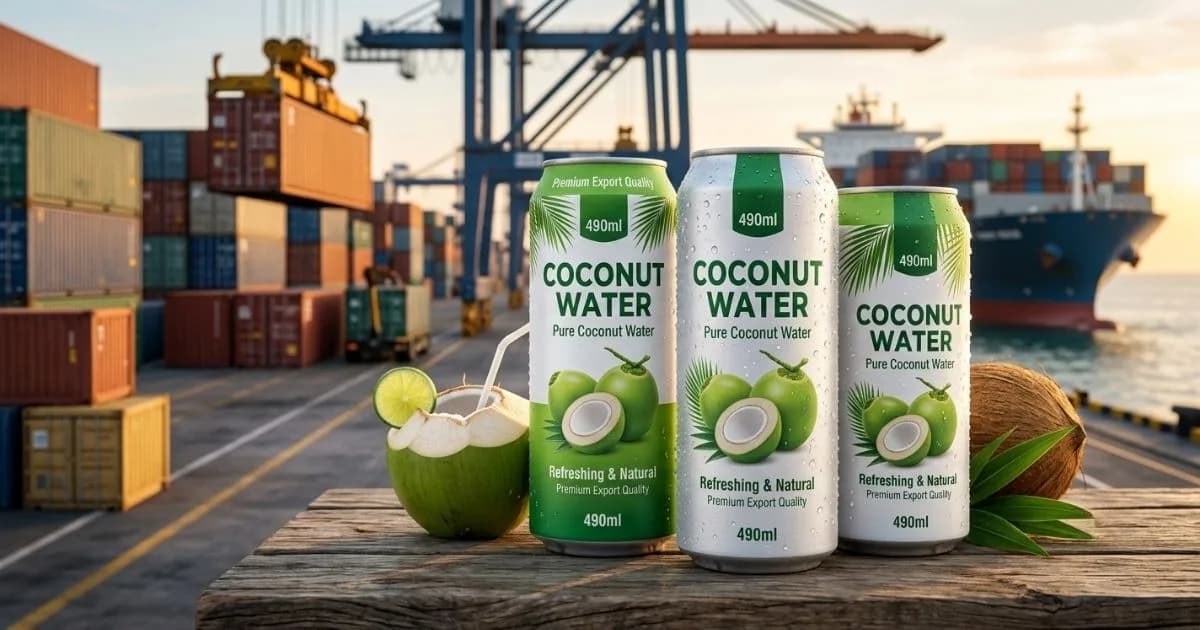
In canned coconut water for retail, a single SKU rarely serves every channel. A small portfolio, with each product doing a distinct job, tends to work better. The VINUT Coconut Water Series maps to retail roles as follows.