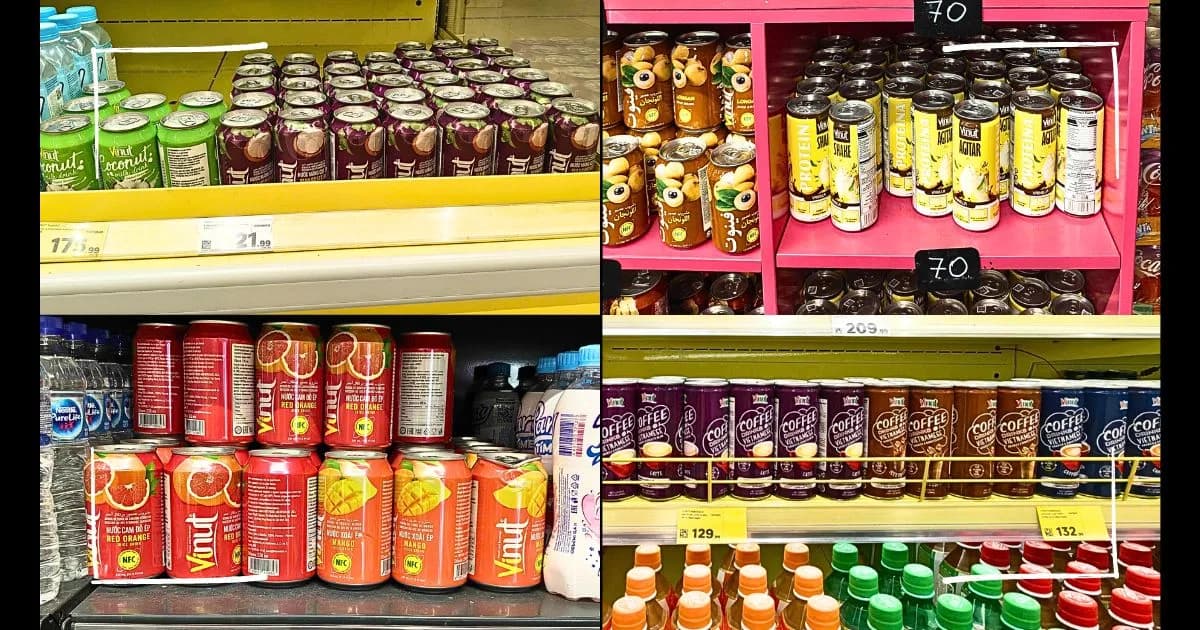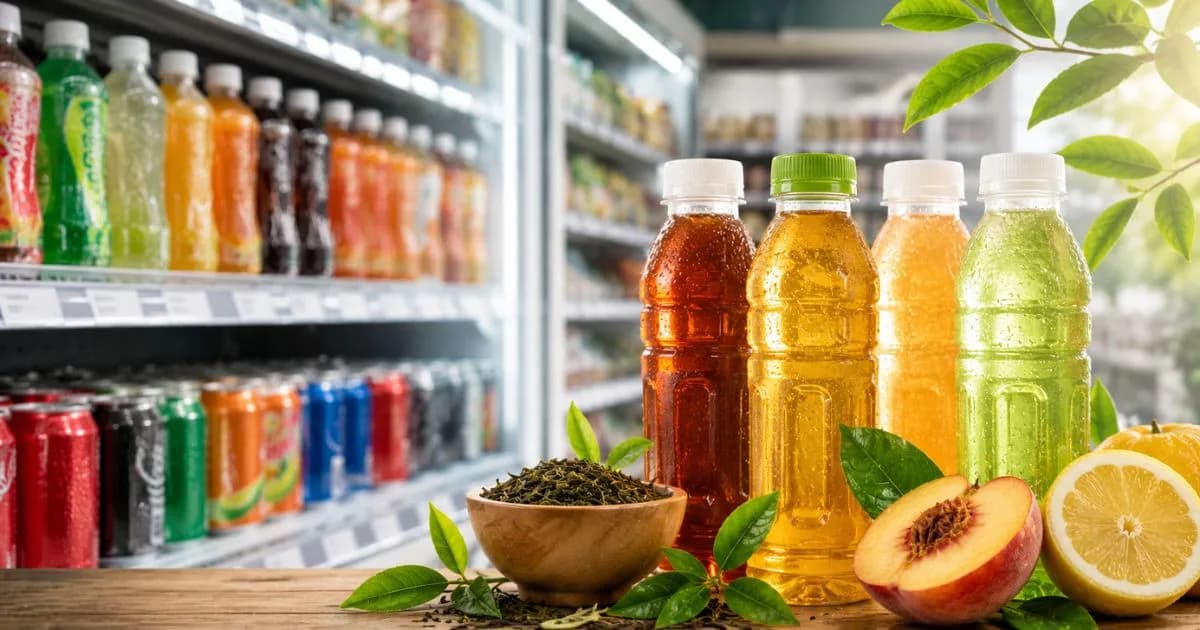
Ready-to-drink tea, commonly known as RTD tea selection for retail, is designed for immediate consumption without brewing or preparation. This convenience makes the category particularly relevant to supermarkets, convenience stores and other modern retail channels.
However, choosing RTD tea products for retail involves much more than selecting an appealing flavor or attractive package. Buyers need to consider how the product fits the target shopper, where it will be displayed, how quickly inventory may rotate and whether its packaging, labeling and commercial specifications work for the intended market.
Supermarkets and convenience stores also operate differently. A format that performs well on a supermarket beverage shelf may not necessarily be suitable for a small refrigerated display near a convenience-store checkout.
For this reason, RTD tea selection should begin with channel fit and shopper needs, followed by flavor, packaging, product information, shelf life, compliance and commercial readiness.
1. Understand What Today’s RTD Tea Shopper Is Looking For
Before deciding which products to list, buyers should understand the situations in which consumers are likely to purchase RTD tea.
1.1. Convenience and On-the-Go Consumption
One of the main characteristics of RTD beverages is convenience. Consumers do not need to brew tea, add ice or prepare ingredients. They can simply purchase a bottle or can and consume it immediately.
This makes single-serve RTD tea relevant to many everyday occasions, including commuting, lunch breaks, travel, work, school or quick visits to convenience stores.
From a retail perspective, this means buyers should consider more than flavor. Package size, portability, ease of opening and whether the package can be resealed may all influence how well a product matches a particular consumption occasion.
1.2. Sugar Level and Ingredient Transparency
Modern beverage shoppers may also compare products by looking at nutrition information and ingredient lists.
Sugar content can therefore become an important consideration. Instead of assuming that every tea beverage has the same nutritional profile, buyers can compare total sugars, added sugars, serving size and ingredients across different products.
Terms such as “low sugar,” “natural,” “no preservatives” or similar claims should not simply be treated as marketing phrases. Any claim displayed on a package should be supported by appropriate product information and comply with regulations in the destination market.
1.3. Familiar Flavors Still Matter
Innovation can attract attention, but unfamiliar flavors may also create a higher trial barrier.
For a new RTD tea assortment, familiar tea bases such as green tea and black tea can provide a useful foundation. Fruit-flavored options such as lemon and peach tea can then add variety without making the portfolio unnecessarily complicated.
The objective is not necessarily to carry as many flavors as possible. A more practical approach is to create an assortment in which each SKU has a clear role.
2. Define the Retail Channel Before Choosing SKU

Supermarkets and convenience stores have different shopping missions, shelf environments and purchase occasions. The outline specifically recommends separating supermarket selection logic from convenience-store selection logic. 1780559446536_d6ba9392_VINUT_Te…
2.1. RTD Tea for Supermarkets
Supermarkets normally provide more shelf space and allow consumers more time to compare products.
This environment can support a broader assortment of tea bases, flavors, package sizes and price points. Buyers may also consider whether a product has potential for multipacks or promotional bundles.
Shelf visibility is particularly important. Packaging should be recognizable when several competing beverages are displayed next to one another.
A supermarket buyer might therefore evaluate:
- flavor variety and portfolio structure
- package visibility
- individual versus multipack potential
- price positioning
- shelf-life requirements
- expected inventory rotation.
2.2. RTD Tea for Convenience Stores
Convenience stores operate in a more compact retail environment where quick decisions and immediate consumption are important.
Single-serve products that can be placed in refrigerators or other grab-and-go locations may therefore be particularly relevant.
Rather than building a very large assortment, convenience-store buyers may focus on a smaller number of clearly differentiated SKUs.
Packaging dimensions also matter because refrigerator and shelf space is limited.
The question is therefore not simply, “Is this a good tea?” but “Does this tea fit the way customers shop in this channel?”
3. Build a Balanced RTD Tea Portfolio
Once the channel has been defined, buyers can begin constructing the actual product assortment.
3.1. Start With Core Tea Bases
Green tea and black tea provide two recognizable starting points.
Green tea can support a lighter and fresher flavor profile, while black tea typically provides a stronger tea body commonly associated with traditional iced tea.
Carrying both can help retailers address different taste preferences without immediately creating a large number of SKUs.
3.2 Add Familiar Fruit Flavors
Fruit flavors can make an RTD tea portfolio more varied and approachable.
Lemon tea is already familiar in many markets, while peach tea provides a sweeter and more fruit-forward profile.
Other fruit combinations can be introduced later depending on local preferences, sales data and consumer response.
For new listings, however, a focused portfolio can be easier to manage than launching numerous flavors simultaneously.
3.3. Review Claims Carefully
Some RTD teas use positioning related to reduced sugar, natural ingredients, antioxidants or preservatives.
Buyers should verify these claims rather than relying only on front-of-pack communication.
The outline recommends requesting nutrition facts and ingredient information before listing products and ensuring that health-oriented claims are supported by documentation.
This is especially important when products are being imported into markets with different labeling requirements.
4. Choose the Right Packaging: PET Bottle or Aluminum Can?
Packaging affects more than appearance. It influences portability, shelf placement, consumption occasions and logistics.
4.1. PET Bottle RTD Tea
PET bottles can be useful when portability and resealability are important.
Consumers can open the bottle, drink part of the beverage and close it again. The larger printable or transparent surface may also provide strong shelf visibility.
PET may therefore work well for shoppers who expect to carry a beverage during work, travel or other activities.
4.2. Canned Iced Tea
Aluminum cans provide a compact single-serve format suitable for chilled displays and immediate consumption.
Their relatively standardized shape can simplify shelf planning, and cans may work particularly well in convenience stores, vending environments or other impulse-purchase locations.
Neither format is automatically better.
The outline recommends matching packaging to channel, shopper occasion, price point and logistics rather than selecting it only because of design preference
5. Review Labels, Claims and Compliance
A visually attractive product is not necessarily retail-ready.
Before importing or listing an RTD tea, buyers should review the information supporting the product.
5.1. Check Essential Product Data
Important information may include:
- Nutrition facts: calories, sugars and other required nutritional information.
- Ingredient list: tea ingredients, sweeteners, flavors and other components.
- Shelf life: expected product stability and expiry period.
- Storage instructions: requirements before and after opening.
- Barcode: compatibility with the intended retail system.
Carton specifications: units per carton, carton dimensions and other logistics information.
For products sold internationally, labels must also satisfy the rules of the destination market.
5.2. Validate Product Claims
Claims such as “low sugar,” “natural,” “antioxidant” or “no preservatives” should be reviewed carefully.
A claim that is permitted in one market may require different wording or supporting evidence in another.
Retail buyers and importers should therefore request supporting documents before approving packaging or product listings.
5.3. Review Supporting Documentation
Depending on the destination market and buyer requirements, supporting materials may include food-safety certificates, certificates of analysis (COA), laboratory reports or other compliance documentation.
Having these documents prepared before shipment can make the evaluation and import process more efficient.
6. Evaluate Commercial and Supply Readiness

Product quality is only one part of retail selection. Buyers also need to determine whether a product can be supplied consistently.
6.1. MOQ and Production Capacity
Minimum order quantity, or MOQ, affects inventory commitment.
A product may appear commercially attractive but still be unsuitable if the required order quantity exceeds realistic demand.
Production capacity and lead time should also be evaluated, particularly when replenishment depends on international shipping.
6.2. Shelf Life and Retail Rotation
Shelf life is especially important for imported beverages.
The available selling period is shorter than the total shelf life because time is consumed by production, shipping, customs clearance, warehousing and distribution.
Buyers should therefore consider how much shelf life will remain when the product actually reaches stores.
6.3. Calculate the Full Cost Structure
Purchase price alone does not represent the final retail cost.
Importers may need to account for freight, duties, warehousing, local distribution and promotional expenses when calculating landed cost.
From there, buyers can evaluate whether the intended shelf price provides enough room for retailer and distributor margins as well as temporary promotions.
6.4. Marketing Materials Also Matter
Retail execution may require more than cartons of finished products.
Useful supporting assets can include product photography, digital product information, shelf materials, social-media assets or sampling plans.
These tools can help retailers explain new products and improve visibility at the point of sale.
7. Supermarket and Convenience Store RTD Tea Buyer Checklist
Before confirming a new RTD tea listing, buyers can use a simple checklist:
| Check Area | What to Review | Why It Matters |
|---|---|---|
| Target shopper | Who is likely to buy it? | Determines product-channel fit |
| Flavor | Green, black, lemon, peach or others | Influences familiarity and trial |
| Sugar | Total and added sugar | Helps compare nutritional positioning |
| Ingredients | Ingredient list and product composition | Supports transparency |
| Claims | Low sugar, natural, antioxidant, etc. | Requires appropriate support |
| Packaging | PET bottle or aluminum can | Affects consumption and shelf placement |
| Shelf life | Expiry, storage and stability | Important for retail rotation |
| Logistics | Carton size, quantity and shipping | Influences import planning |
| Documentation | Certifications, COA and other records | Supports buyer review |
| Marketing | Images and retail materials | Supports product visibility |
The source outline similarly emphasizes flavor, sugar, claims, packaging, shelf life, logistics, certification and marketing as the principal review areas for buyers.
8. Frequently Asked Questions About Choosing RTD Tea
8.1. What should buyers check before choosing RTD tea products?
Buyers should review the target shopper, flavor range, packaging format, sugar level, ingredient and nutrition information, shelf life, label claims, carton specifications, relevant documentation and supply readiness.
8.2. Which RTD tea format is better for supermarkets?
There is no single format that fits every supermarket. PET bottles and cans can serve different price points, shelf configurations and consumption occasions. Buyers should choose according to their category strategy rather than packaging appearance alone.
8.3. Which format is suitable for convenience stores?
Compact, single-serve formats can be useful for convenience stores because they support chilled displays and quick grab-and-go purchases. Actual suitability still depends on refrigerator space, price point and local consumer behavior.
8.4. Why should buyers pay attention to sugar content?
Sugar content allows shoppers and buyers to compare products more clearly. Retailers may choose to offer products with different sugar profiles to serve different consumer preferences rather than assuming one formula suits every shopper.
8.5. What flavors should a new RTD tea portfolio include?
Green tea and black tea can provide recognizable core options. Familiar fruit flavors such as lemon and peach can then expand the range. More specialized flavors can be added after buyers understand local demand.
8.6. What documents should importers request?
Depending on the product and destination market, buyers may request product specifications, ingredient lists, nutrition information, shelf-life data, packing specifications, relevant certificates, COA and label artwork.
Choose RTD Tea by Channel, Shopper Need and Product Proof Choosing RTD tea products for supermarkets and convenience stores requires a broader evaluation than simply comparing flavors. A suitable product should match the retail channel, address a recognizable shopper need, use an appropriate packaging format, provide clear product and compliance information, and offer realistic supply and commercial conditions. Supermarkets may benefit from a broader assortment and greater portfolio depth, while convenience stores may place more emphasis on compact formats, chilled placement and immediate consumption. In either case, buyers can reduce listing risk by starting with a focused assortment, reviewing the supporting documentation and evaluating how each SKU will function in the actual retail environment. The most useful question is therefore not “Which RTD tea looks best?” but “Which RTD tea best fits this shopper, this channel and this particular consumption occasion?” |