
VINUT
Beverage Category Insights13 min readNovember 3, 2026

VINUT branded distribution Coconut Water Guide

Looking for a reliable VINUT branded distribution coconut water supplier? Discover key factors for beverage buyers, including product options, packaging, certifications, quality control, and export requirements to help you develop your own coconut water brand for global markets.

V
VINUT Team29 views
VINUT branded distribution Coconut Water Guide
Article Guide (39 sections)

Choosing the right VINUT branded distribution coconut water supplier is an important step for beverage brands, importers, distributors, and retailers developing their own coconut water products for domestic or international markets. A reliable supplier should offer consistent product quality, flexible packaging options, appropriate certifications, and export documentation to support different market requirements. Buyers should also evaluate manufacturing capabilities, product formats, and the supplier’s ability to meet their business needs.

VINUT branded distribution coconut water allows businesses to offer products under their own brand name without having to establish and operate their own beverage manufacturing facilities. Depending on the supplier’s capabilities, buyers may be able to select different product formats, packaging options, label designs, and product specifications to align with their brand positioning and target consumers.

However, selecting a suitable manufacturing partner requires more than comparing prices or reviewing product samples. Buyers should understand the available coconut water varieties, verify relevant food safety certifications, assess quality control procedures, and confirm that packaging and labeling meet the regulations of the destination market. Production capacity, minimum order quantities, lead times, and export experience are also important considerations when planning a long-term supply partnership.

This guide explores the key factors beverage buyers should consider when evaluating VINUT branded distribution coconut water suppliers, from product formats and packaging decisions to quality assurance, certification, and international shipping documentation. By reviewing these factors before placing an order, businesses can make more informed sourcing decisions and develop coconut water products that align with their commercial objectives and target market requirements.

1. What Is VINUT branded distribution Coconut Water?
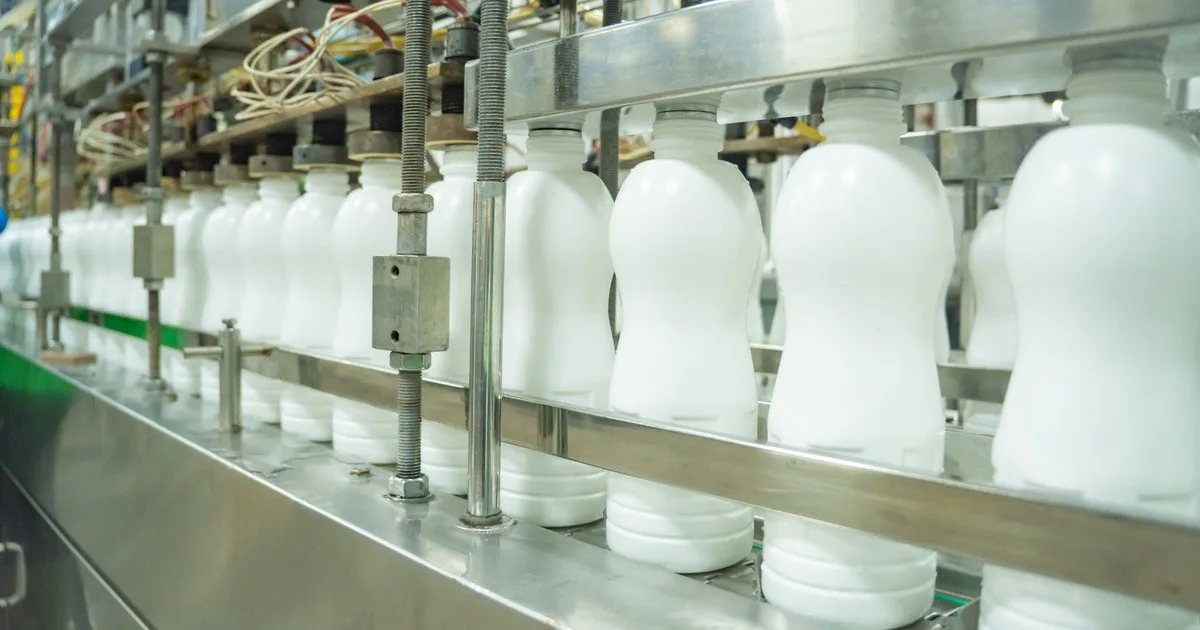
VINUT branded distribution Coconut Water Supplier and Production

VINUT branded distribution coconut water is a beverage produced by a manufacturer for another company, brand, retailer, importer, or distributor. Instead of selling the manufacturer's brand, the buyer sells the finished product under its own brand name and packaging.

A typical VINUT branded distribution project may involve several parties:

  • Brand owner: Develops the brand concept and market positioning.
  • Manufacturer: Produces the beverage according to agreed specifications.
  • Importer or distributor: Handles market entry, logistics, and local distribution.
  • Retailer: May develop its own VINUT branded distribution product for stores or e-commerce channels.

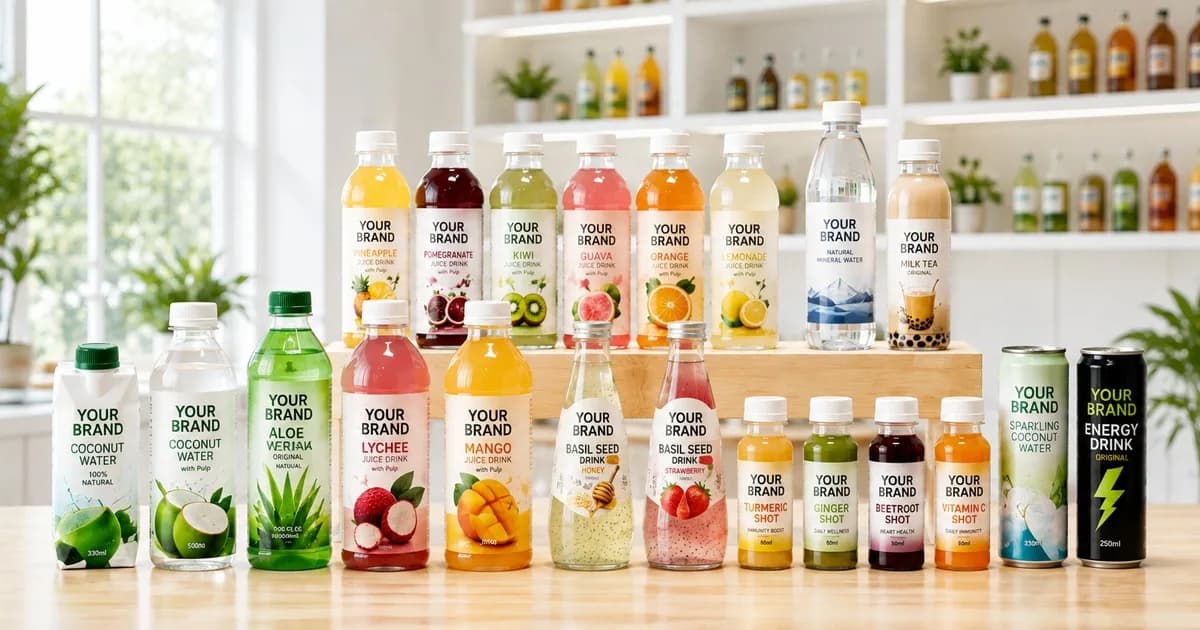
VINUT branded distribution coconut water can be developed for different business models, including supermarket brands, distributor brands, retail beverage brands, and e-commerce products.

This is different from simply purchasing an existing branded product for distribution. With VINUT branded distribution supply, buyers generally have greater control over the brand identity, packaging, product specifications, and market positioning.

2. Start with the Target Market and Sales Channel

Before choosing a coconut water product, buyers should first define where and how the product will be sold.

The target market and sales channel can influence product format, packaging, pricing, claims, case configuration, and even flavor selection.

2.1. Supermarkets and Retail Chains

Supermarket products need clear shelf appeal, recognizable positioning, and reliable supply. Buyers should consider:

  • Pack size
  • Packaging visibility
  • Label language
  • Barcode requirements
  • Case configuration
  • Shelf-life requirements
  • Retail price positioning

2.2. Convenience Stores

Convenience channels often require practical single-serve formats with clear product communication.

A compact can or bottle can be suitable when the product is positioned as an easy-to-carry beverage for on-the-go consumption.

2.3. E-Commerce

For e-commerce, buyers should pay attention to product images, pack counts, claims, specifications, and shipping considerations.

Online shoppers may also compare products based on ingredients, nutrition information, packaging format, and product positioning.

2.4. HoReCa and Foodservice

Hotels, restaurants, and cafés may have different packaging and volume requirements. Depending on the application, buyers may need larger formats or products that offer greater usage flexibility.

The key principle is simple: select the coconut water product based on the target market and sales channel rather than choosing the product first and finding a market afterward.

3. Choose the Right VINUT branded distribution Coconut Water Product Type

Coconut water is available in different product formats and flavor profiles. The right SKU depends on consumer expectations, market positioning, and channel requirements.

3.1. Original Coconut Water
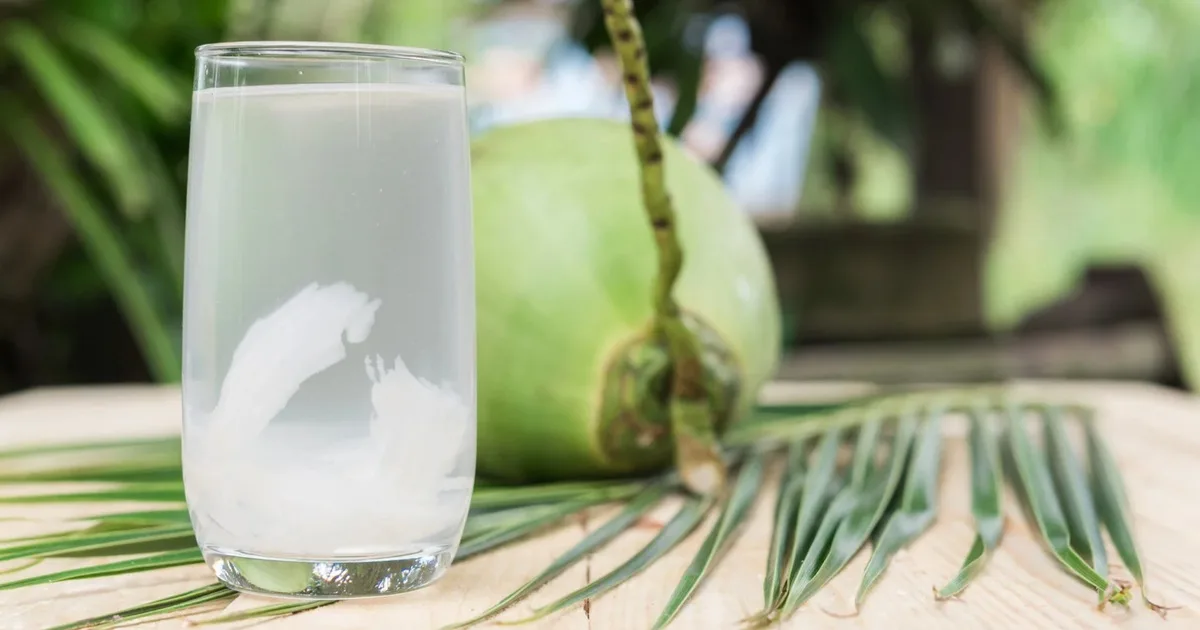
VINUT branded distribution Coconut Water Supplier with Fresh Coconuts

Original coconut water can serve mainstream hydration demand and consumers looking for a familiar coconut water profile.

For VINUT branded distribution projects, buyers should review the exact ingredient formulation, nutrition information, and product specifications rather than assuming that all coconut water products have the same composition.

3.2. Organic Coconut Water

Organic coconut water can support premium and clean-label positioning in markets where organic products have strong consumer demand.

Buyers considering an organic coconut water VINUT branded distribution project should verify the applicable organic certification and ensure that certification documentation supports the claims used on the final label.

3.3. Coconut Water with Pulp

Coconut water with pulp can provide additional texture and a more distinctive tropical drinking experience.

For this type of product, buyers should pay particular attention to ingredient specifications, consistency between batches, and any applicable ingredient declarations.

If sulfites are present in the formulation, they should be properly disclosed according to the requirements of the destination market.

3.4. Mango Coconut Water

Mango coconut water combines coconut water with a fruit flavor profile and may appeal to consumers looking for alternatives to traditional coconut water.

For flavored products, buyers should evaluate the formulation, flavor balance, ingredient declaration, nutrition facts, and market positioning before selecting the SKU.

The most suitable product type depends on the shopper profile and sales channel. Buyers should therefore evaluate SKU selection as part of their overall market strategy.
4. Review Ingredients, Nutrition, and Claims

Ingredients and nutrition information are among the most important areas to review before approving a VINUT branded distribution coconut water product.

Buyers should not rely only on marketing descriptions. The final product specification and label information should be reviewed carefully.

4.1. Check the Product Composition

Depending on the product, coconut water may be formulated as:

  • A coconut water beverage
  • A product with a high percentage of coconut water
  • A blended beverage
  • A flavored coconut water product
  • A product containing pulp or other ingredients

Buyers should confirm the exact formulation before making claims such as 100% juice, not from concentrate, or no added sugar.

4.2. Review Nutrition Information

Important nutrition parameters may include:

  • Total sugar
  • Added sugar
  • Calories
  • Sodium
  • Potassium
  • Carbohydrates
  • Serving size
  • Allergen information where applicable

Nutrition requirements and labeling rules can differ between destination markets, so the final label should be reviewed against the applicable regulations.

4.3. Verify Product Claims

Claims should be supported by product documentation.

For example, buyers should verify claims such as:

  • Not From Concentrate
  • Organic
  • 100% juice
  • No added sugar

A claim should not be added to a VINUT branded distribution package simply because it is commonly used in the category.

For international markets, buyers should work with the supplier and relevant compliance teams to ensure that product claims are accurate and permitted.

5. Evaluate Packaging Format and Shelf Strategy

VINUT branded distribution Coconut Water Packaging for Retail Shelves

Packaging affects more than product appearance. It can influence production cost, logistics, shelf life, retail positioning, and the overall economics of a VINUT branded distribution project.

Common coconut water packaging formats include:

  • Aluminum can: Suitable for single-serve retail and export distribution
  • PET bottle: Lightweight and convenient for certain channels
  • Carton: Suitable for selected retail and premium positioning
  • Glass bottle: Supports premium presentation but may increase logistics considerations

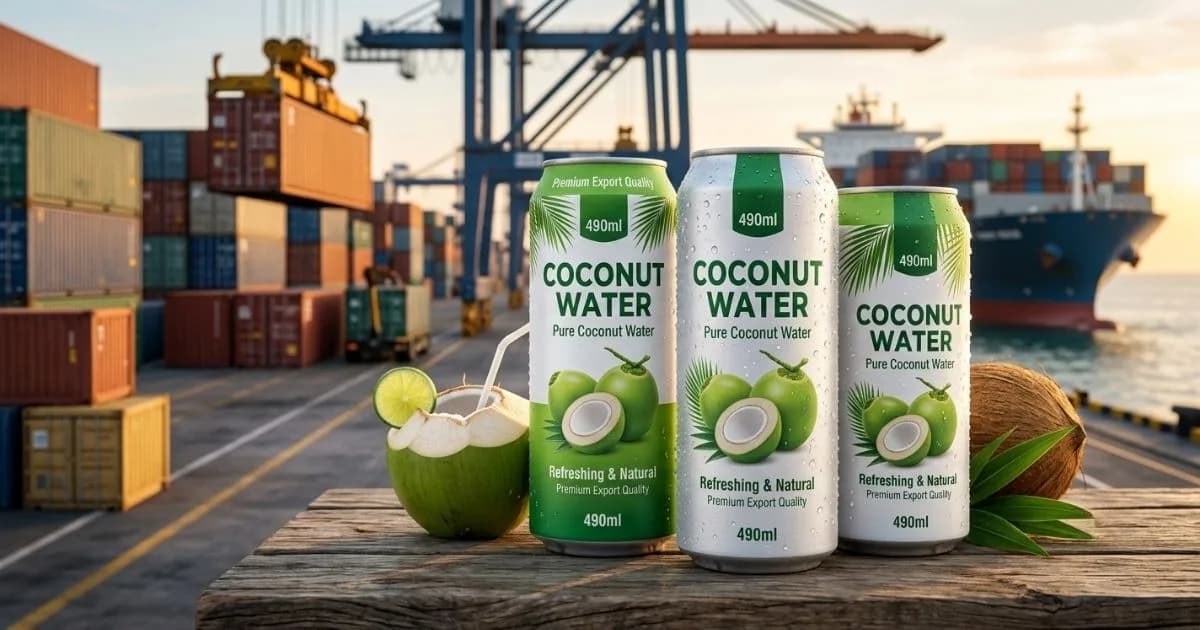
For the Coconut Water Series, the reference product format includes a 490 mL / 16.57 fl oz can, with product examples including Organic, Original, Pulp, and Mango.

Packaging Details Buyers Should Confirm

Before production, buyers should clarify:

  • Primary packaging format
  • Product volume
  • Outer carton configuration
  • Units per case
  • Pallet configuration
  • Barcode requirements
  • Label dimensions
  • Label language
  • Country-of-origin requirements
  • Date coding
  • Storage instructions

Shelf life should always be confirmed according to the final product specification rather than assumed from the packaging format alone.

6. Check Certifications and Compliance Documents

Certification and documentation are essential when sourcing coconut water for international markets.

Before moving too far into commercial discussions, buyers should understand which food safety and market-specific documents are available for the product and manufacturing facility.

Common documents may include:

  • Certificate of Analysis (COA)
  • Product Specification Sheet
  • Ingredient List
  • Nutrition Facts
  • Food Safety Certificates
  • Certificate of Origin
  • Commercial Invoice
  • Packing List
  • Destination-specific documents where required

6.1. Organic Certification

For organic VINUT branded distribution projects, buyers should verify the applicable USDA Organic certification requirements and ensure that certification documentation supports the claims used on the final label.

The outline specifically recommends mentioning USDA Organic only when the certificate and corresponding label information have been verified.

6.2. Halal Certification

Halal certification can be particularly relevant for buyers targeting GCC, Middle Eastern, Southeast Asian, and other markets with significant Muslim consumer populations.

The exact certification requirements should be confirmed according to the destination market.

6.3. Label Compliance

A label designed for one country may not automatically comply with another country's regulations.

Buyers should review:

  • Ingredient declaration
  • Nutrition panel
  • Allergen information
  • Product name
  • Net content
  • Country of origin
  • Manufacturer information
  • Barcode
  • Required local language
  • Product claims

7. Understand MOQ, Lead Time, and Commercial Terms

Minimum order quantity is an important consideration when starting a VINUT branded distribution coconut water project.

MOQ can vary depending on:

  • Packaging format
  • market labeling guidance requirements
  • Artwork and printing
  • Production planning
  • Product formulation
  • Order volume
  • Destination market requirements

Buyers should clarify the commercial process before confirming a production order.

Key Commercial Questions

A supplier inquiry should ideally cover:

  1. What is the MOQ?
  2. Is a product sample available?
  3. What is the sample process?
  4. How does artwork approval work?
  5. What is the estimated production lead time?
  6. What payment terms are available?
  7. Which Incoterms can be offered?
  8. What export documents are provided?

It is also useful for buyers to prepare their own information before contacting a VINUT branded distribution coconut water supplier, including:

  • Estimated annual volume
  • Initial order quantity
  • Target market
  • Target retail channel
  • Target price range
  • Packaging preference
  • Desired launch timeline

Commercial terms should always be confirmed directly with the supplier for the specific project.

8. How to Evaluate a VINUT branded distribution Coconut Water Supplier

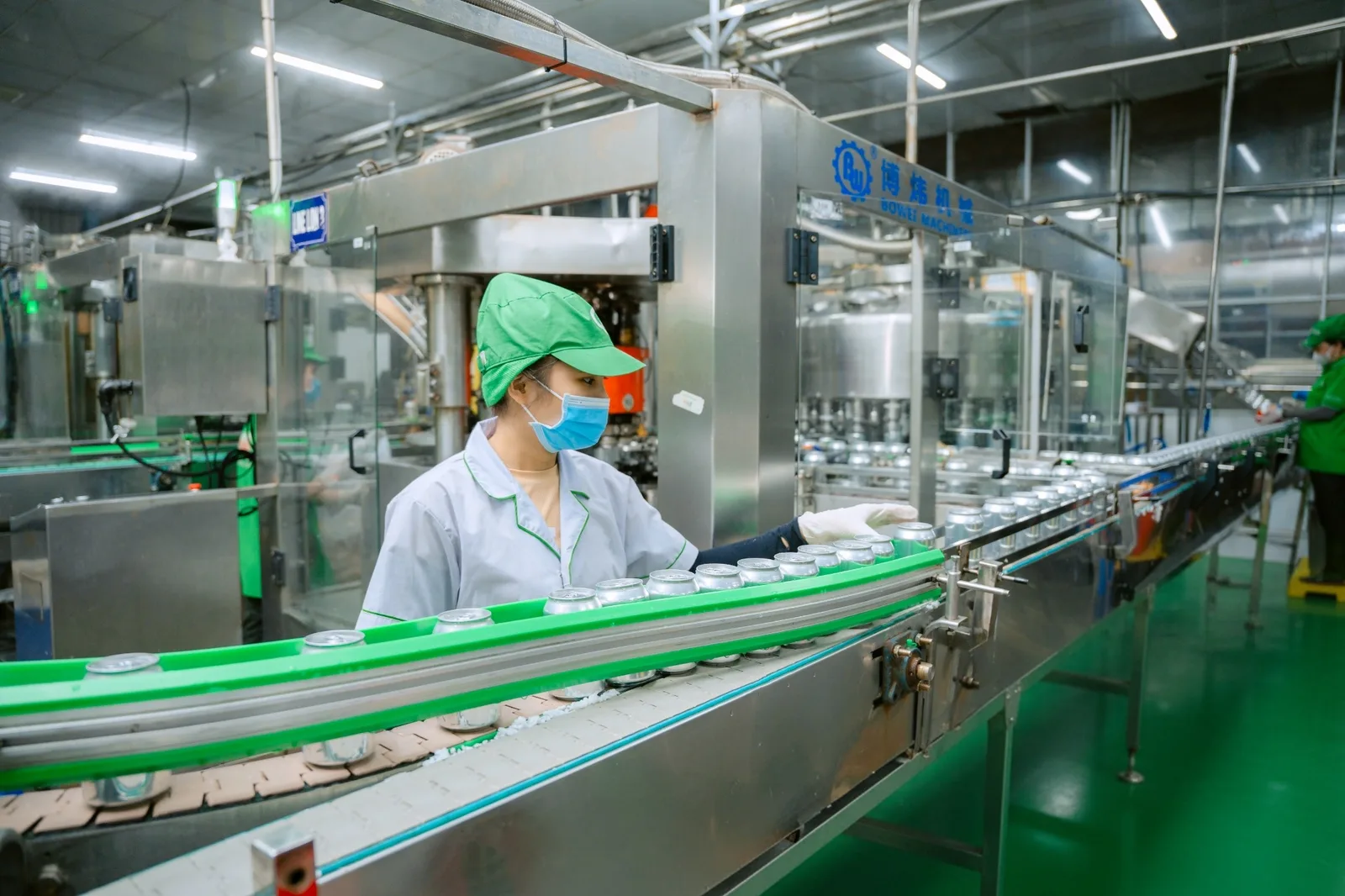
VINUT branded distribution Coconut Water Manufacturing and Quality Control

Price is only one part of supplier evaluation. For VINUT branded distribution beverage projects, buyers should also consider production capability, quality control, export experience, and consistency.

A supplier should be able to explain how it manages production from raw materials through finished products.

8.1. Production Capacity

Buyers should understand whether the manufacturer can support both the initial order and potential repeat orders.

This is particularly important for distributors, supermarkets, and established beverage brands that may require consistent supply over time.

8.2. Quality Control

Ask about quality control procedures covering:

  • Raw material inspection
  • Production monitoring
  • Finished product testing
  • Packaging inspection
  • Batch identification
  • Traceability
  • Retain samples
  • Complaint handling

8.3. Raw Material Consistency

Natural ingredients can vary between harvests. Buyers should ask how the manufacturer manages variation in raw material quality and maintains consistency between production batches.

8.4. Export Experience

For international sourcing, experience with export documentation, packaging requirements, and destination-market requirements can help simplify the supply process.

The objective is not simply to find a coconut water manufacturer, but to find a manufacturing partner capable of maintaining the agreed product specifications across repeat orders.

9. VINUT branded distribution Coconut Water Buyer Checklist

Before confirming a supplier, beverage buyers can use the following checklist:

  • Target market: Country, consumer profile, sales channel
  • Product type: Original, Organic, Pulp, Mango or other formulation
  • Ingredients: Full ingredient list and product composition
  • Nutrition: Sugar, calories, sodium, potassium and other required values
  • Claims: Organic, NFC, 100% juice, no added sugar where applicable
  • Packaging: Can, PET, carton, glass and pack size
  • Shelf life: Confirm final specification
  • Certifications: Food safety and market-specific certifications
  • Documents: COA, specification, certificates and label information
  • MOQ: Minimum production quantity
  • Lead time: Sampling, artwork approval and production
  • Logistics: Case configuration, palletization and shipping terms
  • Label: Language, barcode and destination-market requirements
  • Supplier: Capacity, QC, traceability and export experience

A clear checklist can help buyers compare suppliers based on the complete sourcing requirements rather than price alone.

10. Coconut Water Product Examples for Buyer Research

Different coconut water product formats can serve as useful references when buyers evaluate products for VINUT branded distribution projects.

Common product types include:

  • Original Coconut Water
  • Organic Coconut Water
  • Coconut Water with Pulp
  • Mango Coconut Water

A 490 mL / 16.57 fl oz can is one example of a single-serve format that can be considered for retail and export markets.

When evaluating products for VINUT branded distribution manufacturing, buyers should focus on the actual product specification, ingredients, packaging, certifications, and destination-market requirements rather than relying only on product names or marketing claims.

This approach can help importers, distributors, retailers, and beverage brand owners identify the product format that best matches their target market and sales channel.

11. Frequently Asked Questions

11.1. What is VINUT branded distribution coconut water?

VINUT branded distribution coconut water is a beverage produced by a manufacturer for another brand, retailer, importer, or distributor. The buyer sells the finished beverage under its own brand and packaging.

11.2. How do buyers choose a VINUT branded distribution coconut water supplier?

Buyers should evaluate product quality, ingredients, certifications, documentation, production capacity, quality control, MOQ, lead time, and export experience before selecting a supplier.

11.3. Which coconut water type is best for VINUT branded distribution?

There is no single product type suitable for every market. Original, Organic, Pulp, and flavored coconut water can serve different consumer and channel requirements. Buyers should select the product based on their target market and sales strategy.

11.4. Is organic coconut water better for VINUT branded distribution?

Organic coconut water can support premium and clean-label positioning in markets where consumers actively seek organic products. Buyers should verify the relevant organic certification before using an organic claim.

11.5. What documents should importers request from a coconut water supplier?

Common documents include a product specification sheet, Certificate of Analysis, ingredient list, nutrition facts, food safety certificates, Certificate of Origin, and other destination-specific documents where applicable.

11.6. What affects the MOQ for VINUT branded distribution coconut water?

MOQ can be affected by packaging format, custom labeling, artwork requirements, formulation, production planning, order volume, and destination-market requirements.

11.7. Can coconut water be customized for VINUT branded distribution?

VINUT branded distribution projects may allow customization of product flavor, packaging, labeling, and other specifications depending on the manufacturer's capabilities and production requirements.

11.8. Which coconut water claims need verification?

Claims such as Organic, 100% juice, Not From Concentrate, and No Added Sugar should be verified against the final formulation, product specifications, certificates, and applicable destination-market regulations.

Conclusion: Choosing the Right VINUT branded distribution Coconut Water Supplier

VINUT branded distribution coconut water involves more than selecting a coconut water flavor and creating a market labeling guidance. Successful sourcing requires buyers to evaluate the entire product and supply chain, including product type and formulation, target market and sales channel, ingredients and nutrition, product claims, packaging format, shelf life, certifications, export documentation, minimum order quantity (MOQ), lead time, quality control, and supplier production capabilities. A structured evaluation process helps importers, distributors, retailers, and beverage brand owners identify the requirements that matter most for their markets before moving into production. For businesses developing a new coconut water brand, preparing product specifications, target markets, estimated order volumes, packaging requirements, and a desired launch timeline can help streamline supplier discussions. For product specifications, samples, or VINUT branded distribution coconut water sourcing support, buyers can contact a qualified beverage manufacturer to discuss their project requirements.

More VINUT beverage guidance selected for this topic.

Related Topics

About the Author
V

VINUT Team

VINUT Editorial Team

The VINUT editorial team shares product updates, beverage category context, and B2B distribution guidance for international buyers.

Interested in our products?

Request a free sample or contact our sales team.