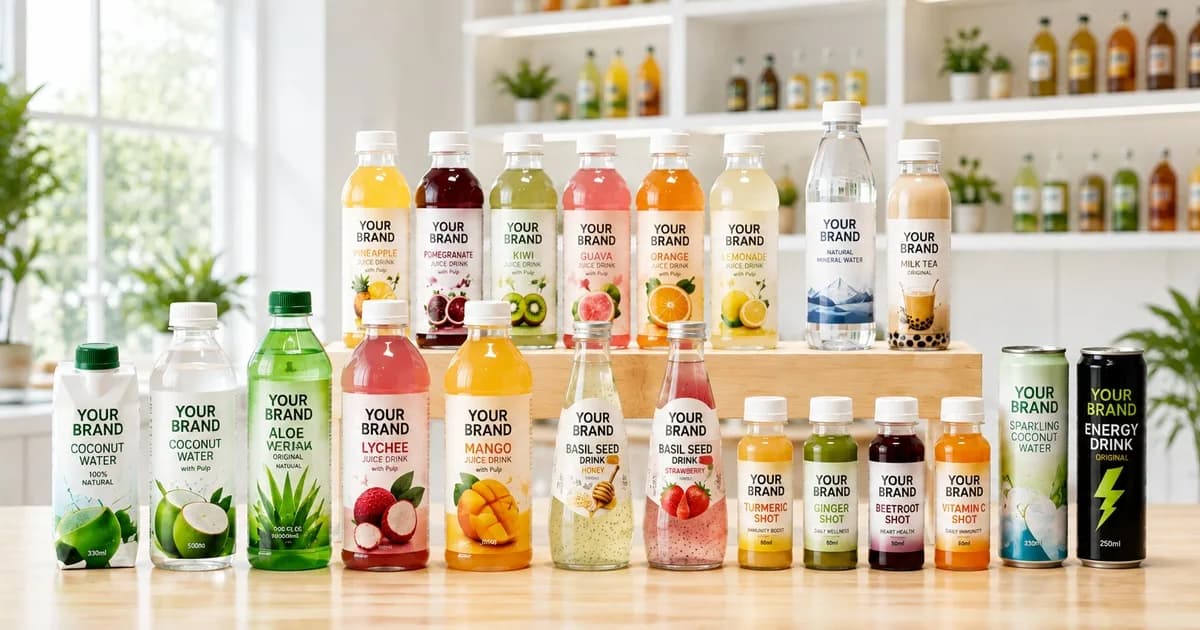
The global beverage industry continues to evolve as consumer expectations, retail requirements, and supply chain challenges reshape purchasing decisions. In 2026, importers, distributors, retailers, and HoReCa buyers are looking beyond product quality and pricing to evaluate long-term business value, operational efficiency, and supplier reliability.
Today's buyers want beverage products that align with consumer demand while meeting regulatory requirements and supporting multiple sales channels. Understanding these purchasing trends can help businesses build stronger product portfolios, reduce sourcing risks, and stay competitive in an increasingly dynamic marketplace.
1. Why Beverage Purchasing Is Changing in 2026
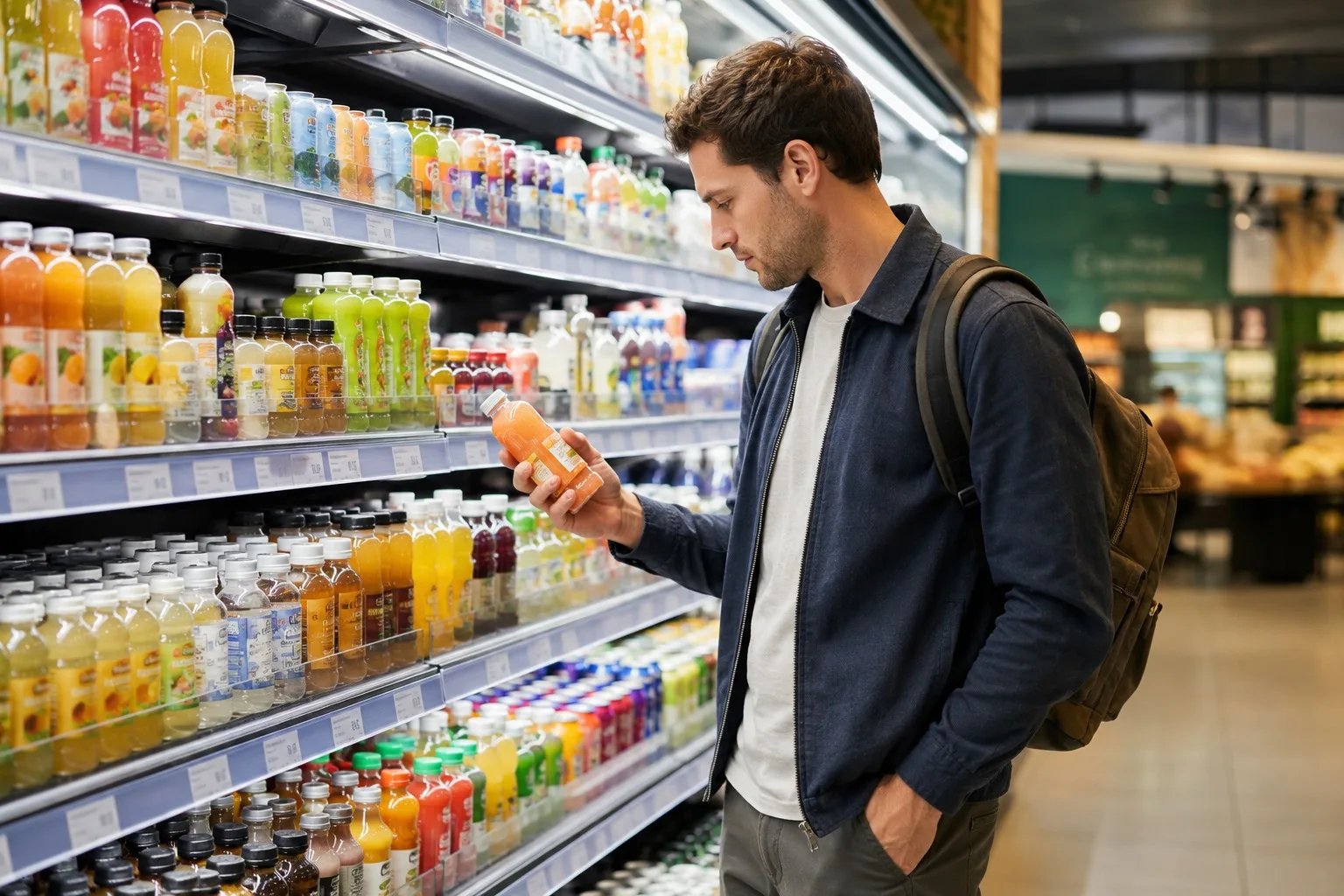
Today's beverage buyers evaluate more than just taste
Several market forces are influencing how buyers evaluate beverage suppliers and products.
Key purchasing drivers include:
- Growing demand for healthier and better-for-you beverages
- Increased interest in clean-label and transparent ingredients
- Rising logistics and operating costs
- Stricter food labeling and compliance requirements
- Greater reliance on digital supplier research
- Higher expectations for reliable documentation and after-sales support
Rather than choosing products based only on taste or price, procurement teams are taking a more strategic approach to supplier evaluation.
1.1. Trend 1: Health-Forward Beverage Portfolios
1.1. Trend 1: Health-Forward Beverage Portfolios
Health-conscious consumers continue to influence beverage purchasing decisions across global markets.
Buyers are expanding their product portfolios with beverages that support everyday wellness, including:
- Low-sugar beverages
- Functional drinks
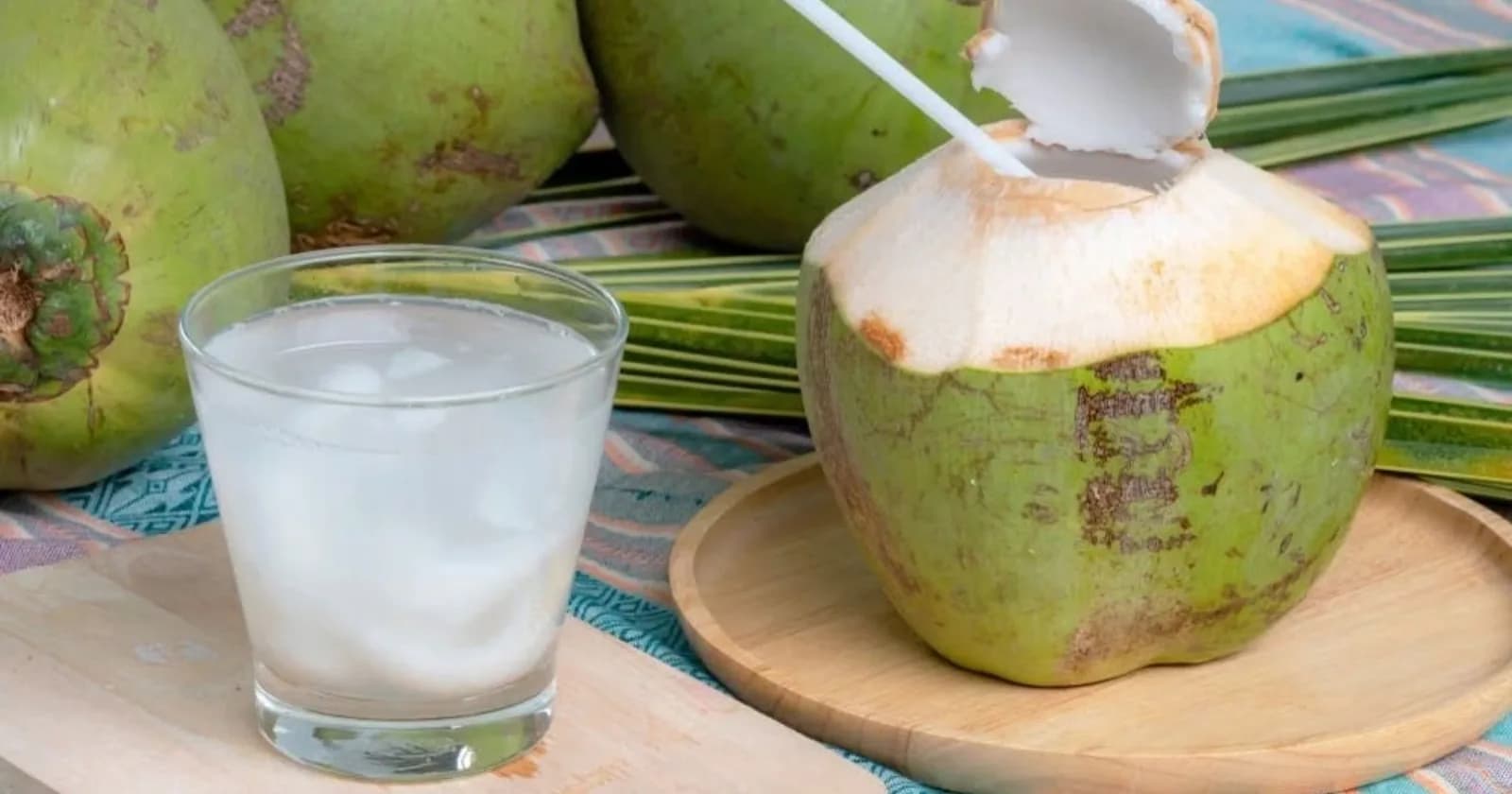
- Coconut water
- Ready-to-drink (RTD) tea
- Naturally refreshing beverages
These categories allow distributors and retailers to respond to changing consumer preferences while creating opportunities across supermarkets, convenience stores, and foodservice channels.
1.2. Trend 2: Clean Label and Ingredient Transparency
Ingredient transparency has become a key requirement for both retailers and consumers.
When evaluating new beverage products, buyers typically look for:
- Recognizable ingredients
- Clear nutrition facts
- Transparent allergen information
- Well-supported product claims
- Available Certificates of Analysis (COA)
Clean-label products help build consumer confidence while simplifying regulatory approval and retailer acceptance.
1.3. Trend 3: Digital-First Supplier Research
The buying journey often begins online before buyers contact a sales representative.
Procurement teams commonly review:
- Company websites
- Product catalogs
- Product specification sheets
- Certifications
- Packaging options
- Frequently asked questions
Suppliers that provide complete and consistent digital information make it easier for buyers to compare products and shorten the sourcing process.
1.4. Trend 4: Retail-Ready Packaging and Channel Fit
Packaging plays an important role in product success across different sales channels.
Buyers evaluate whether packaging is suitable for:
- Supermarkets
- Convenience stores
- HoReCa
- E-commerce
They also consider shelf appearance, packaging durability, carton specifications, pallet efficiency, and available formats such as PET bottles and aluminum cans.
Retail-ready packaging helps improve merchandising, transportation, and overall market performance.
1.5. Trend 5: Sustainability and Packaging Responsibility
Sustainability continues to influence procurement decisions throughout the beverage industry.
Many buyers now prioritize products that offer:
- Recyclable packaging materials
- Lightweight packaging for efficient transportation
- Compliance with packaging regulations
- Verified sustainability information
Providing accurate environmental data is becoming increasingly important when building long-term business relationships.
1.6. Trend 6: Supplier Reliability and Documentation
Reliable suppliers help buyers reduce procurement risks and speed up product approval.
Before placing an order, buyers often request:
- Product specification sheets
- Nutrition facts
- Shelf-life information
- Packing specifications
- Certificates of Analysis (COA)
- Product certifications
- Export documentation
- Product samples
Complete documentation demonstrates professionalism and allows buyers to evaluate products with greater confidence.
1.7. Trend 7: Flexible Portfolio Planning
Successful distributors are building beverage portfolios that can adapt to changing market demand.
Many buyers prefer suppliers that offer:
- Multiple flavors
- Various packaging formats
- Different pack sizes
- Products for multiple retail channels
- Market-specific product options
A flexible portfolio allows businesses to respond quickly to consumer trends while serving a broader customer base.
2. What Beverage Buyers Should Ask Suppliers in 2026
Before selecting a beverage supplier, procurement teams should ask several important questions.
2.1. Product Evaluation
- Does the product align with current consumer trends?
- Is the ingredient list clear and easy to understand?
- Are nutrition facts clearly presented?
- Are product claims supported by documentation?
2.2. Packaging & Logistics
- Is the packaging suitable for the target retail channel?
- Are carton specifications and pallet information available?
- Is the product shelf life appropriate for export markets?
2.3. Supplier Readiness
- Which certifications are available?
- Are export documents prepared?
- Can product samples be provided?
- How quickly can the supplier respond to inquiries?
These questions help buyers compare suppliers more effectively while reducing purchasing risk.
3. How RTD Tea Fits the 2026 Buyer Agenda
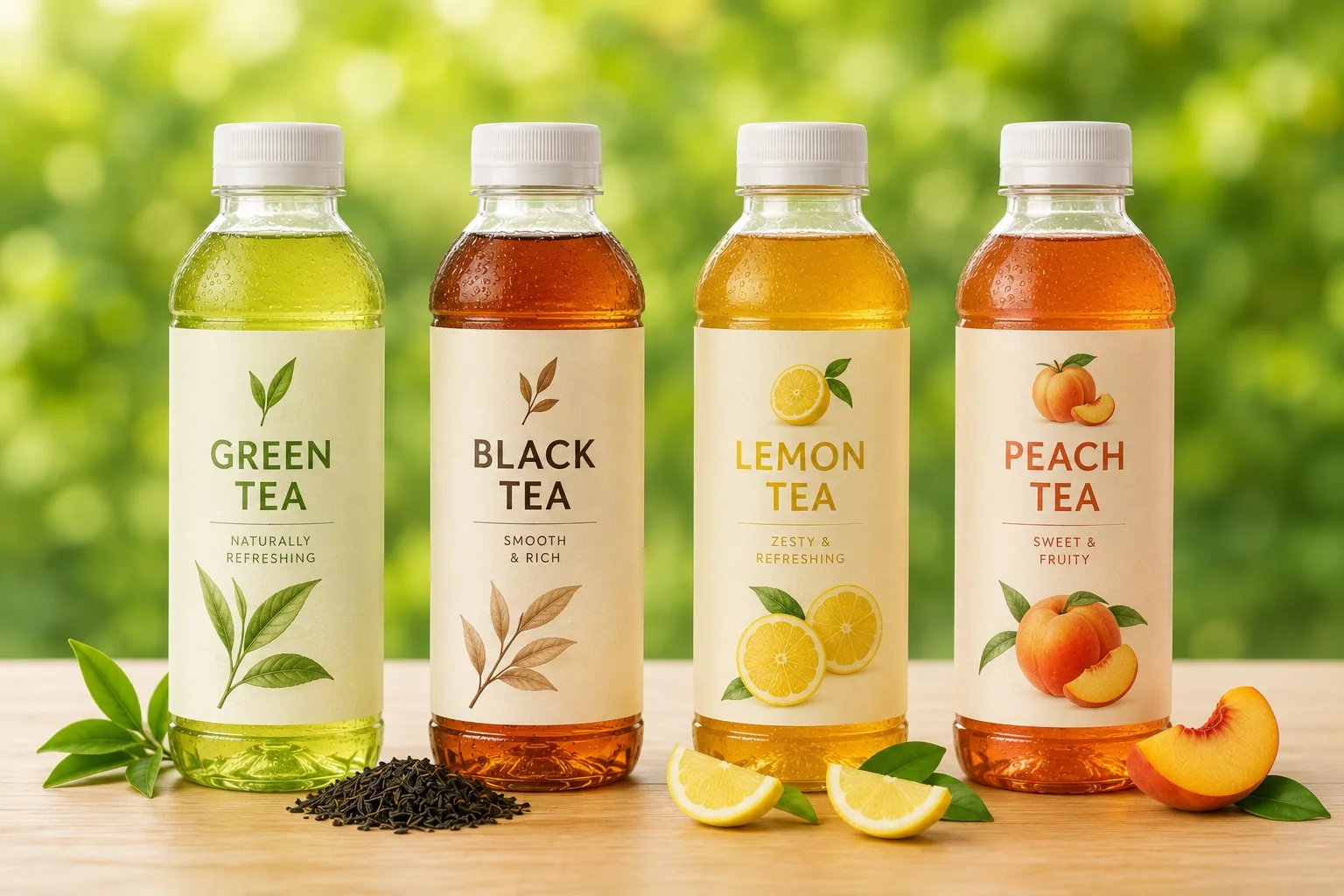
A tea portfolio that fits every market
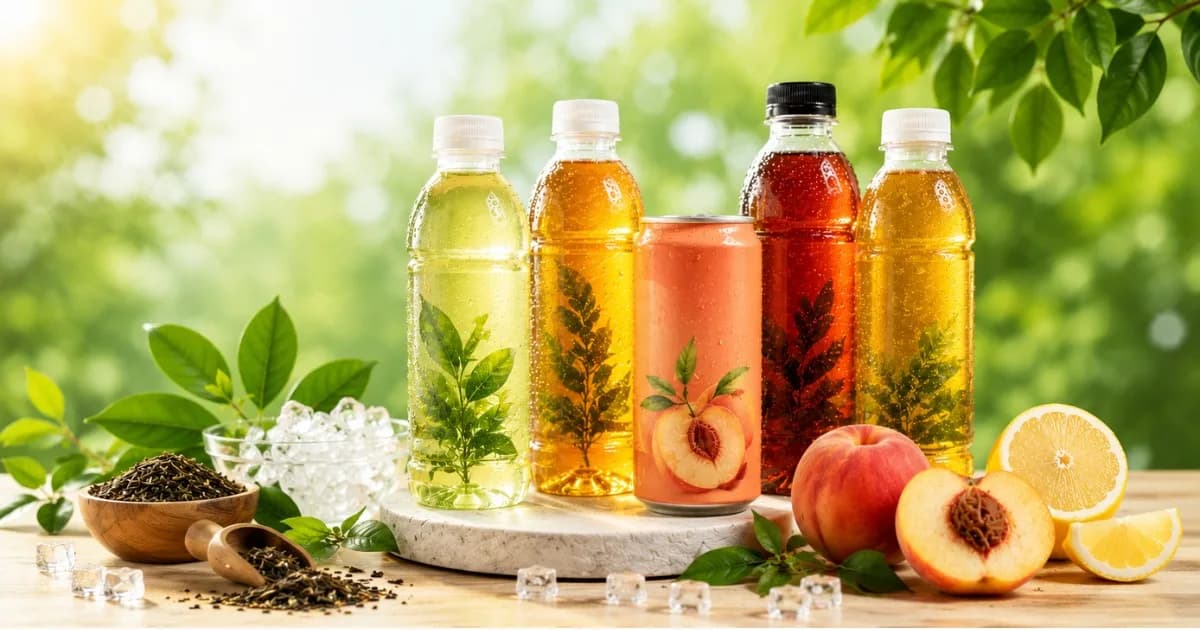
Ready-to-drink (RTD) tea remains one of the fastest-growing beverage categories due to its versatility and broad consumer appeal.
Popular options include:
- Green Tea
- Black Tea
- Lemon Tea
- Peach Tea
Available in both PET bottles and aluminum cans, RTD tea offers flexible solutions for supermarkets, convenience stores, HoReCa businesses, and e-commerce platforms. Its combination of convenience, flavor variety, and better-for-you positioning makes it a valuable addition to modern beverage portfolios.
4. Frequently Asked Questions About B2B Beverage Purchasing
Before making sourcing decisions, beverage buyers frequently ask:
- What are the biggest B2B beverage purchasing trends in 2026?
- What factors should buyers consider when selecting a beverage supplier?
- What documents should buyers request before placing an order?
- Why are clean-label and functional beverages becoming more popular?
How can buyers identify a reliable beverage manufacturer?
Strategic Purchasing Builds Long-Term Beverage Partnerships
B2B beverage purchasing in 2026 is becoming increasingly strategic.
Rather than focusing solely on price, successful buyers evaluate products based on consumer demand, clean-label ingredients, retail-ready packaging, sustainability, supplier documentation, and long-term business reliability.
Suppliers that combine high-quality products with transparent information, complete documentation, and strong operational support will be better positioned to build lasting partnerships with importers and distributors in today's competitive beverage market.