Selecting Coconut Water SKUs for Retail: A U.S. Buyer Guide
Selecting coconut water SKUs for retail starts with matching each product to a shopper, usage occasion and sales channel. U.S. buyers should compare product type, flavor, pack size, retail margin, expected sales and replenishment before choosing an initial assortment.
A focused coconut water SKU strategy gives every item a distinct role: a core product, a flavor that encourages trial, or a format suited to household purchases. This guide explains how to build a coconut water retail assortment, evaluate coconut water pack sizes and select coconut water flavors for U.S. retail without creating unnecessary overlap or inventory risk.
1. What Counts as a Coconut Water SKU?
A Stock Keeping Unit, or SKU, is an internal inventory identifier. In retail planning, it normally represents a unique sellable combination of:
- Brand
- Product structure
- Flavor
- Formula
- Package material
- Net contents
- Pack count
- Label
- Market version
Examples include:
- Original 100% Coconut Water, 330 mL Can
- Mango Coconut Water, 330 mL Can
- Original Coconut Water, 500 mL PET Bottle
- Original Coconut Water, 12-Can Multipack
- Organic Coconut Water, 1-Liter Carton
These are separate commercial items even when they use the same brand and base ingredient.
GS1 requires a new GTIN for a new product introduction. A new flavor is treated as a new product, while each existing level of the packaging hierarchy, such as the consumer unit and case, also requires appropriate identification. A change in declared net contents normally requires another GTIN.
SKU Is Not the Same as Flavor
One flavor can generate several SKUs:
Flavor | Format | Pack | Separate SKU |
| Original | 330 mL can | Single unit | Yes |
| Original | 330 mL can | 12-pack | Yes |
| Original | 500 mL PET | Single unit | Yes |
| Original | 1-liter carton | Single unit | Yes |
SKU planning must therefore control both flavor breadth and format breadth.
2. Coconut Water Retail Assortment by Channel
The same assortment should not be presented to every buyer.
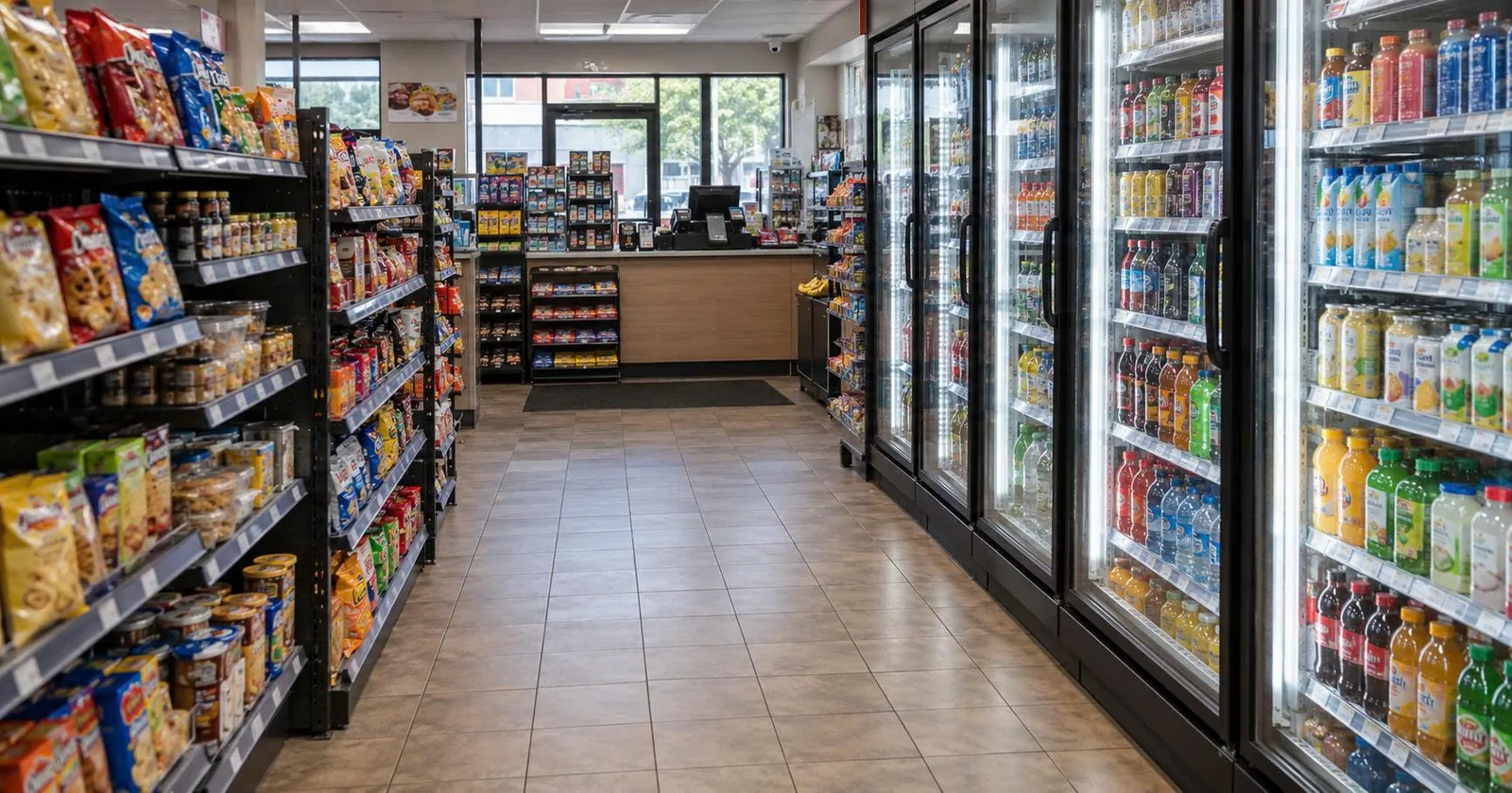
A convenience retailer, natural grocery chain, ethnic supermarket, club store, and e-commerce platform serve different shopping missions.
Channel | Likely priority | Formats to evaluate | Main risk |
| Mainstream grocery | Category relevance, margin and household repeat | Single serve, 1 liter and multipack | Duplication of established products |
| Natural and specialty | Ingredient simplicity, certification and premium value | 100%, organic and functional products | Premium price without sufficient differentiation |
| Convenience | Immediate consumption and cold-box velocity | 330 mL can or 500 mL PET | Low unit velocity in limited refrigerator space |
| Ethnic grocery | Flavor relevance, value and assortment breadth | Original, tropical flavors and pulp products | Excessive overlap between similar flavors |
| Club and warehouse | Multipack value and high-volume supply | Large multipack or family size | Inventory exposure before demand is proven |
| E-commerce | Repeat purchase, parcel durability and contribution margin | 12-pack, 24-pack or variety pack | Fulfillment cost and shipping damage |
| Foodservice | Cost per serving and operational practicality | Larger bottle, carton or single-serve case | Format not suited to service workflow |
Channel Before Catalog
The supplier should ask the buyer:
Where will the product be displayed?
Will it be sold chilled or ambient?
Is the target purchase immediate, household, or stock-up?
What package sizes already exist in the set?
Which price tier is missing?
What retailer margin is required?
How many facings or digital positions are available?
What rate of sale is needed to retain the listing?
Without these answers, the assortment is still a product catalog rather than a retail proposal.
3. Coconut Water SKU Strategy: Give Every SKU a Specific Role

A retailer is more likely to accept several SKUs when each performs a different commercial function.
SKU role | Definition | Example |
| Hero SKU | Main item expected to generate most volume | Original 100% Coconut Water |
| Recruitment SKU | Makes the category easier for new consumers to enter | Mango Coconut Water |
| Incremental SKU | Reaches a different shopper or occasion | Lychee or Passion Fruit variation |
| Stock-up SKU | Supports household repeat purchase | Multipack or 1-liter format |
| Premium SKU | Supports a higher price tier | Organic or differentiated-origin product |
| Halo SKU | Creates attention and brand distinctiveness | Matcha, Yuzu, Pistachio or another innovation |
| Channel-exclusive SKU | Developed for a particular account or format | Convenience-size PET or club multipack |
A flavor that looks different but attracts exactly the same shopper, occasion, and price point may not create incremental value.
Buyer Test
For every proposed item, complete this sentence:
This SKU should be listed because it serves ______ shopper, during ______ occasion, in ______ channel, at ______ price tier, without duplicating ______ existing item.
When the answer is unclear, the SKU may not be ready for presentation.
4. Select the Core Product Structure
The first decision is not flavor. It is the type of beverage the retailer will be selling.
4.1. 100% Coconut Water
Possible roles:
- Core category entry
- Everyday coconut water
- Simple-ingredient positioning
- Natural or specialty retail
- Original benchmark for the brand
Buyer concerns:
- Taste consistency
- Clear concentrate status
- Raw-material cost
- Differentiation from established brands
- Price compared with private label
- Repeat-order availability
4.2. Flavored Coconut Water
Possible roles:
- Encourage first trial
- Reduce the taste barrier for category newcomers
- Create shelf differentiation
- Support tropical flavor positioning
- Expand seasonal or multicultural relevance
Buyer concerns:
- Actual juice percentage
- Added-sugar status
- Whether the flavor is juice, puree, or flavoring
- Product identity
- Cannibalization between flavors
- Whether the extension strengthens or weakens the coconut water proposition
4.3. Coconut Juice Drink
Possible roles:
- Accessible price point
- Sweeter tropical refreshment
- Ethnic and multicultural retail
- Products with pulp or nata de coco
- Value-oriented consumption
Buyer concerns:
- Clear distinction from 100% coconut water
- Percentage juice declaration
- Added sugars
- Consumer expectations
- Placement beside pure coconut water
- Risk of confusing value and premium tiers
A beverage containing less than 100% juice that uses “juice” in its product name generally requires an appropriate qualifier such as “drink,” “beverage,” or “cocktail.” Juice percentage and concentrate status must also match the final formulation.
4.4. Organic Coconut Water
Possible roles:
- Natural and specialty retail
- Premium assortment
- Organic household shopper
- Brand halo
Buyer concerns:
- Current product-specific certification
- Higher retail price
- Margin after certification and raw-material costs
- Sufficient consumer demand
- Reliable organic raw-material supply
Organic should not automatically be selected merely because it appears more premium. It must fill a real assortment gap.
4.5. Functional Coconut Hydration
Possible roles:
- Fitness and wellness
- On-the-go hydration
- 500 mL PET positioning
- Added electrolyte or functional differentiation
Buyer concerns:
- Claim substantiation
- Sugar profile
- Product identity
- Whether the benefit is meaningful
- Comparison with sports drinks and enhanced water
- Higher formula complexity
4.6. Sparkling Coconut Water
Possible roles:
- Modern refreshment
- Alternative to conventional sparkling drinks
- Adult social occasion
- Innovation-led retail
Buyer concerns:
- Category placement
- Carbonation retention
- Package compatibility
- Consumer education
- Whether it competes with coconut water or sparkling beverages
4.7 Coconut Water With Pulp or Nata de Coco
Possible roles:
- Texture-led experience
- Ethnic grocery
- Tropical refreshment
- Distinctive single-serve format
Buyer concerns:
- Consumer familiarity
- Opening size
- Filling-line capability
- Ingredient declaration
- Added sugars
- Sedimentation
- Drinkability and complaint risk
5. Choose the Hero SKU First
The hero SKU should not simply be the supplier’s favorite product.
It should combine the strongest commercial characteristics.
5.1. Hero SKU Criteria
Criterion | Buyer question |
| Product clarity | Can consumers immediately understand what the product is? |
| Channel fit | Does the format match the intended shelf or cold box? |
| Sensory acceptance | Can it support repeat purchase? |
| Price architecture | Can all parties achieve the required margin? |
| Supply reliability | Can the supplier replenish it consistently? |
| Compliance | Are the label and claims ready? |
| Shelf life | Will sufficient shelf life remain at receipt? |
| Brand distinctiveness | Does the package remain recognizable beside category leaders? |
| Expansion potential | Can the core product support later flavors and formats? |
For many brands, an original 100% coconut water is the logical benchmark. However, a flavored or value-oriented product may become the hero when the target channel is ethnic retail, convenience, or a defined tropical-drink segment.
5.2. Do Not Choose a Hero SKU Based Only On
- The newest flavor
- The highest gross margin before trade costs
- The strongest internal management preference
- Trade-show reactions
- Social media impressions
- Packaging attractiveness
- The largest available production volume
The hero product must be capable of generating consumer reorders, not only buyer interest.
6. Choosing Coconut Water Flavors for U.S. Retail
Launching many flavors can create visual impact, but it also divides forecasts, inventory, production, packaging materials, promotional budgets, and retailer attention.
6.1. Recommended Flavor Roles
Flavor direction | Potential role | Recommended use |
| Original | Core category benchmark | First launch assortment |
| Mango | Accessible tropical extension | Recruitment and mainstream trial |
| Lychee | Distinctive Asian tropical flavor | Multicultural and ethnic retail |
| Passion Fruit | Sharper flavor differentiation | Specialty or innovation assortment |
| Yuzu | Premium discovery | Natural, Asian and limited-test channels |
| Chocolate | Indulgent innovation | Digital-first or controlled pilot |
| Matcha | Lifestyle or Asian-inspired innovation | Specialty or e-commerce test |
| Pistachio | Premium novelty | Limited or seasonal validation |
| Coffee Latte | Cross-category innovation | E-commerce or specialty pilot |
These are recommended strategic roles, not verified U.S. sales rankings.
6.2. Initial Flavor Rule
For a new retail account, begin with:
- One original product
- One broadly understandable flavor
- One channel-relevant extension only when supported by the buyer
Adding a fourth or fifth flavor should require evidence that it will attract incremental demand rather than divide the sales of the first three.
6.3 Flavor Decision Questions
- Does the flavor attract a different shopper?
- Is the flavor easy to understand from the package?
- Does it maintain a recognizable coconut-water proposition?
- Is the juice or flavor contribution clearly disclosed?
- Can it reach the target retail price?
- Can the supplier produce it at the required MOQ?
- Can it be promoted without confusing the original product?
- Will the flavor remain available throughout the year?
7. Coconut Water Pack Sizes: Match Format to Purchase Occasion
Package size determines consumption occasion, Nutrition Facts treatment, retail price, case configuration, and shelf productivity.
Format | Primary occasion | Possible channels |
| 250–330 mL can | Controlled single serve | Grocery, convenience, ethnic retail, foodservice |
| 490–500 mL bottle | Extended on-the-go hydration | Convenience, fitness, grab-and-go |
| 1-liter bottle or carton | Household and multi-serve | Supermarket, natural retail, foodservice |
| 4-pack or 6-pack | Trial and household repeat | Grocery and e-commerce |
| 12-pack or 24-pack | Stock-up and repeat consumption | E-commerce, club and warehouse |
| Variety pack | Flavor discovery | E-commerce and club test |
7.1. Market Example
Vita Coco’s Q2 2026 presentation reported company-specific weighted distribution across several formats. In Multi-Outlet plus Convenience, its 500 mL single unit and 1-liter base products each reached 72 ACV, while 330 mL multipacks reached 74 and 500 mL four-packs reached 67. In convenience alone, the 500 mL single unit reached 62 ACV compared with 18 for the 1-liter base product. This does not represent the total category, but it illustrates why format selection must follow the channel and consumption occasion.