As global demand for ready-to-drink (RTD) tea continues to grow, importers and distributors are expanding their sourcing strategies across international markets. While product quality and consumer preferences remain key considerations, import costs and trade regulations can significantly influence the success of an RTD tea business.
Understanding tariffs, trade agreements, HS codes, and import documentation helps beverage buyers make more informed purchasing decisions and better estimate the true cost of bringing RTD tea to market.
Why Tariffs Matter in RTD Tea Distribution
Tariffs are taxes imposed on imported goods. For RTD tea, they can directly affect:
- Product pricing
- Distributor profit margins
- Retail shelf prices
- Market competitiveness
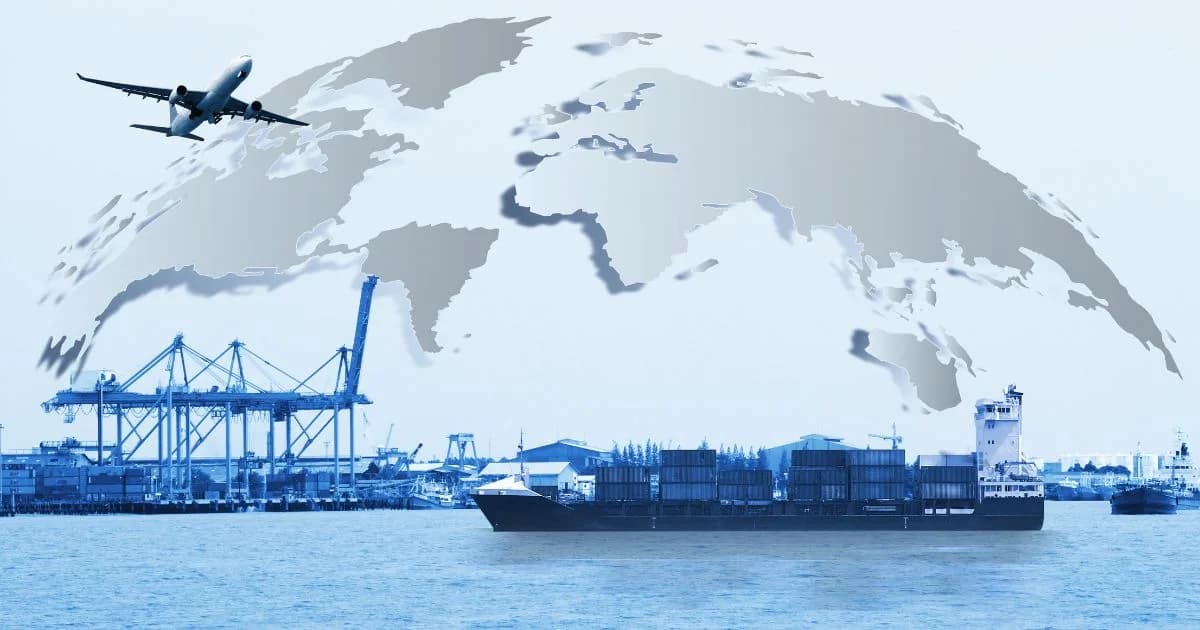
However, tariffs are only one part of the overall landed cost. Freight, insurance, local taxes, customs clearance, and logistics expenses also contribute to the final cost of imported beverages.
Before negotiating pricing or confirming minimum order quantities (MOQs), buyers should evaluate the full import cost rather than focusing solely on the factory price.

Step 1: Identify the Correct HS Code
The Harmonized System (HS) Code is an internationally recognized classification system used by customs authorities to determine import duties and regulatory requirements.
RTD tea products are not always classified the same way. Classification depends on factors such as:
- Tea formulation
- Sugar content
- Fruit juice percentage
- Milk ingredients
- Carbonation
- Local customs regulations
Many bottled tea beverages may fall under beverage categories such as HS Chapter 22, but the final classification should always be confirmed with the customs authority or broker in the destination market.
Using an incorrect HS code can lead to delays, unexpected duties, or customs disputes.
Step 2: Compare Standard and Preferential Tariff Rates
Many countries apply two different types of tariff rates:
Most Favored Nation (MFN) Tariffs
These are the standard import duties applied to countries without preferential trade arrangements.
Preferential Tariffs
Preferential rates are available through Free Trade Agreements (FTAs) when products meet the required conditions.
Depending on the destination market, preferential tariffs may reduce import costs compared with standard MFN rates.
Importers should always verify current tariff schedules using official government tariff databases, as rates may change over time.
Step 3: Understand Relevant Trade Agreements
Free Trade Agreements (FTAs) are designed to facilitate international trade by reducing or eliminating tariffs between participating countries.
Several agreements are particularly relevant for beverage trade.
EVFTA
The EU–Vietnam Free Trade Agreement (EVFTA) supports trade between Vietnam and European Union member states by gradually reducing tariffs on many qualifying products.
CPTPP
The Comprehensive and Progressive Agreement for Trans-Pacific Partnership (CPTPP) covers several Asia-Pacific and American economies, offering opportunities for qualifying beverage exports.
RCEP
The Regional Comprehensive Economic Partnership (RCEP) connects major Asia-Pacific markets and supports regional supply chains.
Vietnam - UAE CEPA
The Vietnam–United Arab Emirates Comprehensive Economic Partnership Agreement (CEPA) creates new opportunities for trade between Vietnam and the Middle East.
The availability of preferential tariffs depends on whether a product satisfies the agreement's origin requirements.
Step 4: Verify Rules of Origin
Lower tariff rates under FTAs are not automatic.
To qualify, products generally need to comply with Rules of Origin, which determine whether a product is considered to originate from a participating country.
Buyers may need documentation such as:
- Certificate of Origin (C/O)
- Commercial invoice
- Packing list
- Production or sourcing records
- Supporting export documents
If origin requirements are not met, the shipment may instead be subject to standard MFN tariff rates.
Step 5: Calculate the Full Landed Cost
Successful import planning goes beyond calculating customs duties.
A complete landed cost typically includes:
- Product purchase price
- Ocean or air freight
- Cargo insurance
- Import duties
- Value-added tax (VAT)
- Excise or sugar taxes (where applicable)
- Customs clearance fees
- Warehousing and inland transportation
Understanding these costs helps buyers estimate retail pricing and maintain healthy profit margins.
Step 6: Prepare Essential Import Documentation
Accurate documentation helps reduce customs delays and simplifies the import process.
Common documents requested by buyers include:
- Product specification sheet
- Ingredient list
- Nutrition Facts
- Certificate of Origin
- Commercial invoice
- Packing list
- Shelf-life information
- Packaging specifications
- Product label for regulatory review
Requirements vary between countries, so importers should always verify local regulations before shipment.
Regional Considerations for RTD Tea Buyers
Different markets may prioritize different regulatory and commercial factors.
United States
Buyers often focus on tariff classification, nutrition labeling, ingredient declarations, and compliance with food import regulations.
European Union
In addition to tariffs, buyers commonly review product transparency, labeling requirements, and documentation supporting preferential treatment under trade agreements.
GCC Markets
Halal certification, import documentation, and local food regulations are often important considerations alongside tariff planning.
Asia-Pacific
Many markets benefit from regional trade agreements, but import procedures and labeling requirements may still differ by country.
Buyer Checklist Before Importing RTD Tea
Before selecting an RTD tea supplier, consider the following:
✔ Confirm the proposed HS code with a customs broker.
✔ Compare MFN and preferential tariff rates.
✔ Verify whether the product qualifies under relevant FTAs.
✔ Request a valid Certificate of Origin if applicable.
✔ Calculate total landed cost, including freight and taxes.
✔ Review product ingredients and nutrition information.
✔ Check packaging specifications and shelf life.
✔ Confirm labeling requirements for the destination market.
✔ Understand any local beverage or sugar taxes.
✔ Keep customs documentation for future shipments.
Following this checklist can help reduce unexpected costs and improve import efficiency.
Navigating tariffs and trade agreements is an important part of sourcing RTD tea for international markets. While product quality and consumer demand remain essential, understanding HS classification, Rules of Origin, landed cost, and import documentation helps buyers reduce risk and improve purchasing decisions. Because tariff schedules and customs regulations vary by country and may change over time, importers should always verify the latest information through official customs authorities or qualified customs brokers. Taking a proactive approach to trade compliance can support smoother imports, more accurate cost planning, and stronger long-term supply chain management. |