EU RTD Tea Import Guide: A 2026 Regulatory Overview
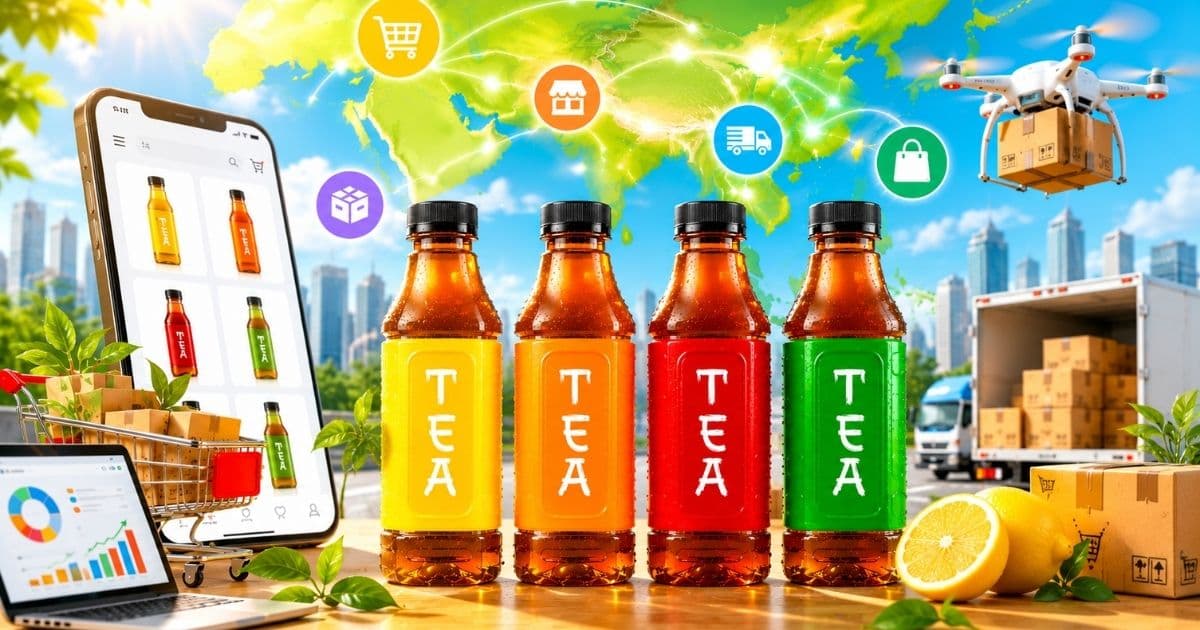
The European Union (EU) represents a primary global market for Ready-to-Drink (RTD) tea, presenting substantial commercial opportunities for manufacturers and exporters. Market growth is driven by evolving consumer preferences for wellness-oriented beverages, positioning RTD tea as a key category. Successful market entry is contingent upon strict adherence to the EU's comprehensive regulatory framework, including food safety, labeling, and quality standards. This guide outlines the essential requirements for importing RTD tea products into the EU market, with a focus on 2026 compliance.
Market Drivers for RTD Tea in the European Union
The EU market's receptiveness to RTD tea is underpinned by strong consumer trends. European consumers increasingly select beverages that align with wellness-focused lifestyles, a demand that well-formulated RTD tea products can meet. The category's growth is supported by several key market dynamics:
- Increased demand for low- and no-sugar beverage options.
- Growing consumer interest in products with natural and recognizable ingredients.
- Expansion of the functional beverage segment, incorporating value-added ingredients.
- Strong preference for convenient, on-the-go product formats.
- Heightened awareness and demand for sustainable packaging solutions.
Key markets including Germany, France, the Netherlands, Italy, Spain, and Poland present significant volume opportunities for qualified RTD tea suppliers.
Core EU Import Requirements for RTD Tea
Exporters must ensure complete compliance with all relevant EU food and beverage legislation before shipment.
Food Safety and Quality Management
All RTD tea products intended for the EU market must adhere to the General Food Law (Regulation (EC) No 178/2002) and other applicable standards. Key compliance areas include:
- Use of safe, approved ingredients and food additives as per EU regulations.
- Adherence to maximum residue limits (MRLs) for pesticides.
- Compliance with microbiological criteria for foodstuffs.
- Full traceability of products and ingredients throughout the supply chain.
Maintaining internationally recognized food safety certifications is standard practice and often a prerequisite for partnership. These include:
- HACCP (Hazard Analysis and Critical Control Points)
- ISO 22000 (Food Safety Management)
- Quality documentation (Brand Reputation Compliance Global Standards)
- Quality documentation (Food Safety System Certification)
These certifications are critical for demonstrating compliance and securing distribution partnerships with European importers.
Ingredient and Additive Compliance
Every ingredient within an RTD tea formulation must be authorized for use in the EU. Particular scrutiny is applied to:
- Flavorings
- Sweeteners
- Preservatives
- Functional ingredients (e.g., vitamins, minerals)
- Botanical extracts
Ingredients classified as "novel foods" under Regulation (EU) 2015/2283 require specific pre-market authorization before they can be legally placed on the EU market.
EU Food Information and Labeling Regulations
Accurate and compliant product labeling is mandatory for market access. As per the Food Information to Consumers (FIC) Regulation (EU) No 1169/2011, an RTD tea label must include the following information:
- The legal name of the product.
- A comprehensive list of ingredients.
- Clear identification of any allergens.
- Net quantity of the product.
- A date of minimum durability ("best before") or "use by" date.
- Specific storage conditions or conditions of use.
- Country of origin or place of provenance.
- A mandatory nutrition declaration.
- Name and address of the EU-based food business operator responsible for the information.
All mandatory information must be presented in the official language(s) of the member state where the product is sold.
Nutrition Declaration and Claims
The mandatory nutrition declaration must be presented per 100ml and include:
- Energy value (in kJ and kcal)
- Fat
- Saturates
- Carbohydrate
- Sugars
- Protein
- Salt
Any on-pack nutrition or health claims, such as "Low Sugar," "Source of Vitamin C," or "Natural," are strictly regulated under Regulation (EC) No 1924/2006. All such claims must be on the EU's list of authorized claims and meet specific conditions for use.