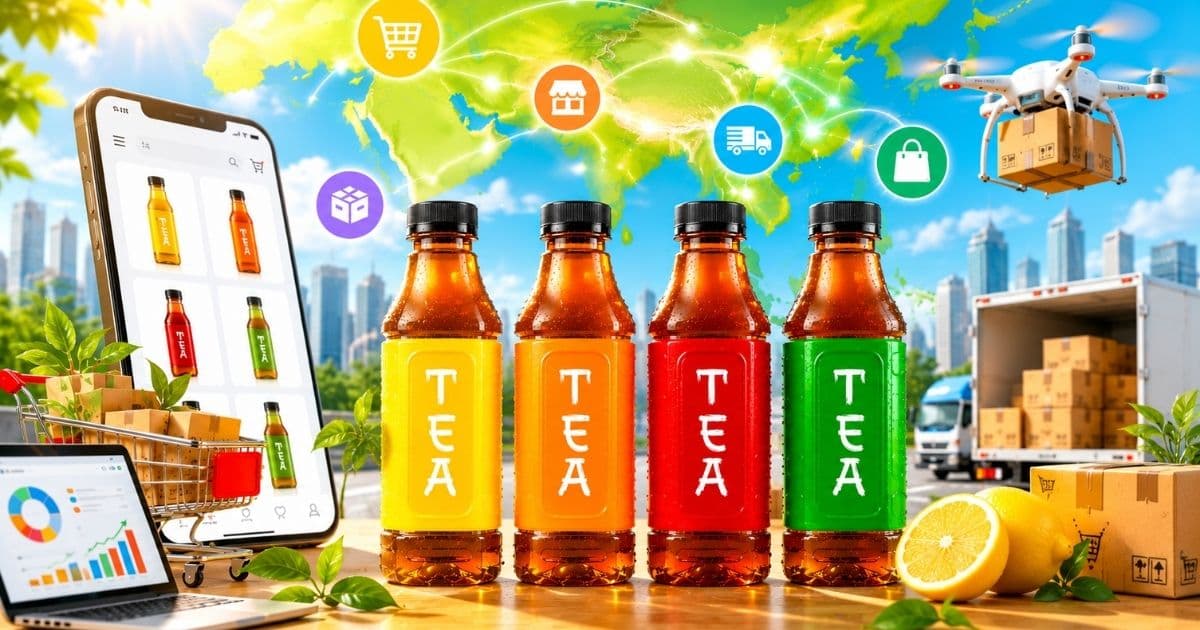
Why E-Commerce Is Reshaping RTD Tea Distribution Across Asia
The rapid growth of e-commerce has transformed how beverages are purchased, distributed, and consumed across Asia. As online grocery platforms, marketplaces, and quick commerce services expand throughout the region, ready-to-drink (RTD) tea brands are finding new opportunities to reach consumers beyond traditional retail channels.
For importers, distributors, retailers, and e-commerce buyers, understanding how digital channels influence beverage sales is becoming increasingly important. RTD tea, in particular, is well-positioned for online distribution thanks to its shelf stability, convenient packaging, and growing consumer demand for healthier beverage alternatives.
This guide explores how e-commerce is changing RTD tea distribution in Asia and what beverage buyers should consider when building an effective online sales strategy.
The Growth of Beverage E-Commerce in Asia
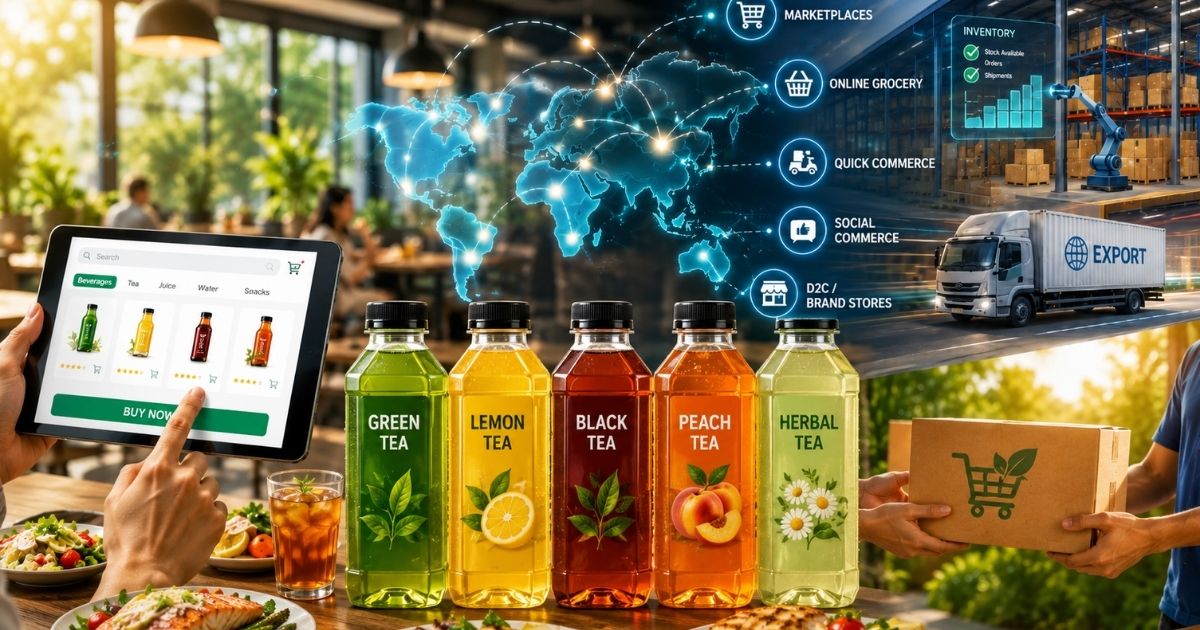
Asia has become one of the world's most dynamic e-commerce markets. Countries such as China, Japan, South Korea, Singapore, Vietnam, Thailand, and Indonesia have witnessed significant growth in digital shopping adoption over the past decade.
Consumers increasingly purchase food and beverages through:
- Online grocery platforms
- E-commerce marketplaces
- Quick commerce applications
- Social commerce channels
- Direct-to-consumer (DTC) websites
Platforms such as Shopee, Lazada, TikTok Shop, Tmall, JD.com, Rakuten, Coupang, and Amazon Japan have created new pathways for beverage brands to reach customers directly.
The shift toward mobile-first shopping and faster delivery expectations has also accelerated demand for products that are easy to store, transport, and reorder—characteristics that align perfectly with RTD tea.
Why RTD Tea Fits E-Commerce Distribution
Not all beverage categories perform equally well online. RTD tea offers several advantages that make it highly suitable for e-commerce distribution.
Long Shelf Life
Unlike fresh beverages that require refrigeration or have limited shelf life, RTD tea can be stored and shipped efficiently through traditional logistics networks.
Flexible Packaging Formats
RTD tea products can be offered in various formats, including:
- Single bottles or cans
- Multipacks
- Trial packs
- Assorted flavor bundles
- Family packs
These options allow retailers and distributors to tailor offerings to different consumer needs and shopping behaviors.
Strong Search Appeal
Many consumers actively search for beverages with specific health-related attributes such as:
- Low sugar
- Natural ingredients
- Antioxidants
- Green tea extracts
- Functional benefits
These characteristics can be effectively highlighted in product titles, descriptions, and marketplace filters, improving discoverability.
Online Grocery vs Marketplace vs Quick Commerce
Choosing the right sales channel is critical for RTD tea success.
Online Grocery
Online grocery platforms are ideal for repeat purchases. Consumers often buy beverages as part of their regular household shopping routine.
Key advantages include:
- Higher repeat order potential
- Bulk purchasing behavior
- Strong basket-building opportunities
Marketplace Platforms
Marketplaces help brands gain visibility and attract new consumers.
Benefits include:
- Large customer bases
- Product discovery opportunities
- Consumer reviews and ratings
- Promotional campaigns
For emerging RTD tea brands, marketplaces often serve as an effective entry point into new markets.
Quick Commerce
Quick commerce focuses on rapid delivery, often within 30 minutes.
This model works particularly well for:
- Immediate consumption occasions
- Convenience purchases
- Single-serve beverage formats
Social Commerce
Social commerce combines entertainment and shopping.
Short-form videos, influencer recommendations, and livestream selling can significantly increase awareness and engagement for RTD tea products.
Direct-to-Consumer (DTC)
A dedicated brand website provides greater control over customer data, branding, and customer experience.
While traffic generation requires more effort, DTC channels can support long-term brand development and customer loyalty.
What Buyers Should Evaluate Before Listing RTD Tea Online
Before launching RTD tea products through e-commerce channels, buyers should assess several critical factors.
Packaging Durability
Products must withstand transportation and last-mile delivery without leakage, dents, or damage.
Product Data Accuracy
Listings should include:
- Ingredients
- Nutrition facts
- Sugar content
- Caffeine levels
- Storage instructions
- Shelf life information
Clear and transparent product information builds consumer trust and reduces returns.
Carton Configuration
Distributors should verify:
- Carton dimensions
- Units per carton
- Shipping weight
- Pallet optimization
These details directly affect logistics efficiency and profitability.
Digital Assets
High-quality product assets are essential for conversion.
Recommended assets include:
- Product packshots
- Lifestyle photography
- Nutrition label images
- Carton images
- Product videos
Marketplace Optimization for RTD Tea
Successful marketplace listings require more than simply uploading product images.
Create Search-Friendly Product Titles
Product titles should clearly communicate:
- Product type
- Flavor
- Volume
- Pack size
- Key benefits
For example:
"Low Sugar Green Tea Drink 450mL PET Bottle – 12 Pack"
This approach improves visibility and helps consumers quickly understand the product.
Use Structured Product Descriptions
Bullet points should cover:
- Taste profile
- Sugar level
- Packaging format
- Storage requirements
- Suitable consumption occasions
Localize Content by Market
Consumer preferences differ significantly across Asia.
Localization should include:
- Language adaptation
- Market-specific keywords
- Cultural preferences
- Platform-specific optimization
A strategy that works in Japan may not produce the same results in Vietnam, Indonesia, or India.
How Content Supports E-Commerce Growth
Content marketing plays an important role in online beverage distribution.
Educational content helps consumers understand:
- Tea varieties
- Flavor profiles
- Health-related attributes
- Consumption occasions
FAQ sections can also improve Answer Engine Optimization (AEO), helping brands appear in AI-generated responses and featured search results.
Additionally, comparison articles such as:
- Green Tea vs Black Tea
- PET Bottles vs Aluminum Cans
- Low Sugar vs Regular Tea can support both consumer education and purchase decisions.
E-Commerce Opportunities Across Different Asian Markets
Mature E-Commerce Markets
Countries such as Japan, South Korea, and Singapore prioritize:
- Product quality
- Brand trust
- Premium positioning
High-Growth Southeast Asian Markets
Vietnam, Thailand, and Indonesia continue to experience rapid digital commerce expansion.
Consumers often focus on:
- Value
- Promotions
- Product discovery
Large-Scale Markets
China and India offer enormous growth potential through platform-driven distribution and high-volume sales.
Cross-Border Hubs
Singapore and Hong Kong serve as strategic gateways for brands seeking regional expansion.
Common Mistakes in Online Beverage Distribution
Many beverage brands struggle online because they overlook key fundamentals.
Common mistakes include:
- Using poor-quality product images
- Providing incomplete nutrition information
- Ignoring packaging protection requirements
- Applying the same strategy across all markets
- Relying solely on discounts instead of content and reviews
Avoiding these issues can significantly improve online performance and customer satisfaction.
How VINUT Tea Supports E-Commerce Distribution
As global demand for RTD tea continues to grow, buyers increasingly seek export-ready products that align with online retail requirements.
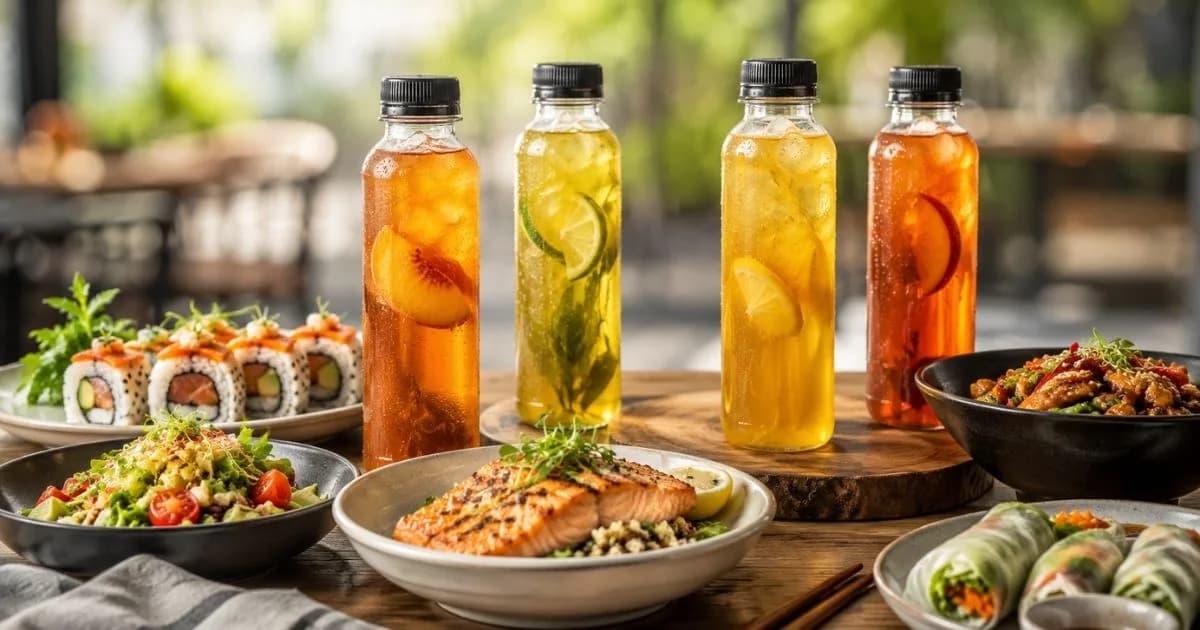
VINUT Tea offers RTD tea solutions in multiple formats, including:
- PET Bottle 450mL
- Aluminum Can 320mL
These formats can support different retail objectives, from convenience purchases and trial packs to multipack promotions and family consumption.
With options featuring low sugar formulations, natural ingredients, and convenient packaging, RTD tea products can be adapted to various e-commerce strategies across Asian markets.
Conclusion
E-commerce is rapidly becoming a major growth channel for RTD tea distribution in Asia. Success requires more than simply listing products online.
Importers, distributors, and retailers must ensure readiness across three critical areas:
- Product readiness
- Content readiness
- Logistics readiness
By developing a comprehensive e-commerce strategy from the beginning, beverage buyers can better position RTD tea products for long-term growth across marketplaces, online grocery platforms, quick commerce channels, and direct-to-consumer websites.
To learn more about export-ready RTD tea solutions, download the VINUT Tea catalog or contact our team for product information and market-specific recommendations.