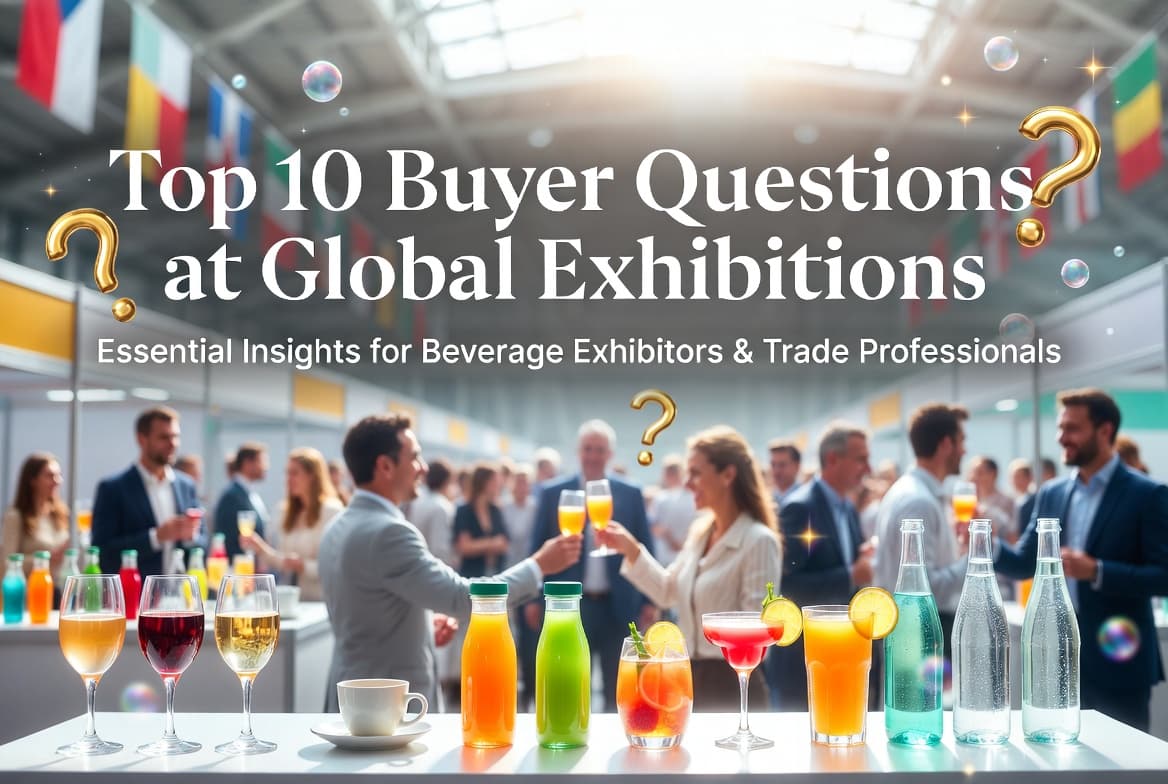
At international trade shows, buyers make fast decisions. Within minutes, they decide whether your booth is worth further discussion. The questions buyers ask at food and beverage exhibitions are not casual - they are practical filters to assess commercial potential. For export teams and brand managers, preparing strong answers in advance is essential to turning conversations into real business opportunities.
Introduction
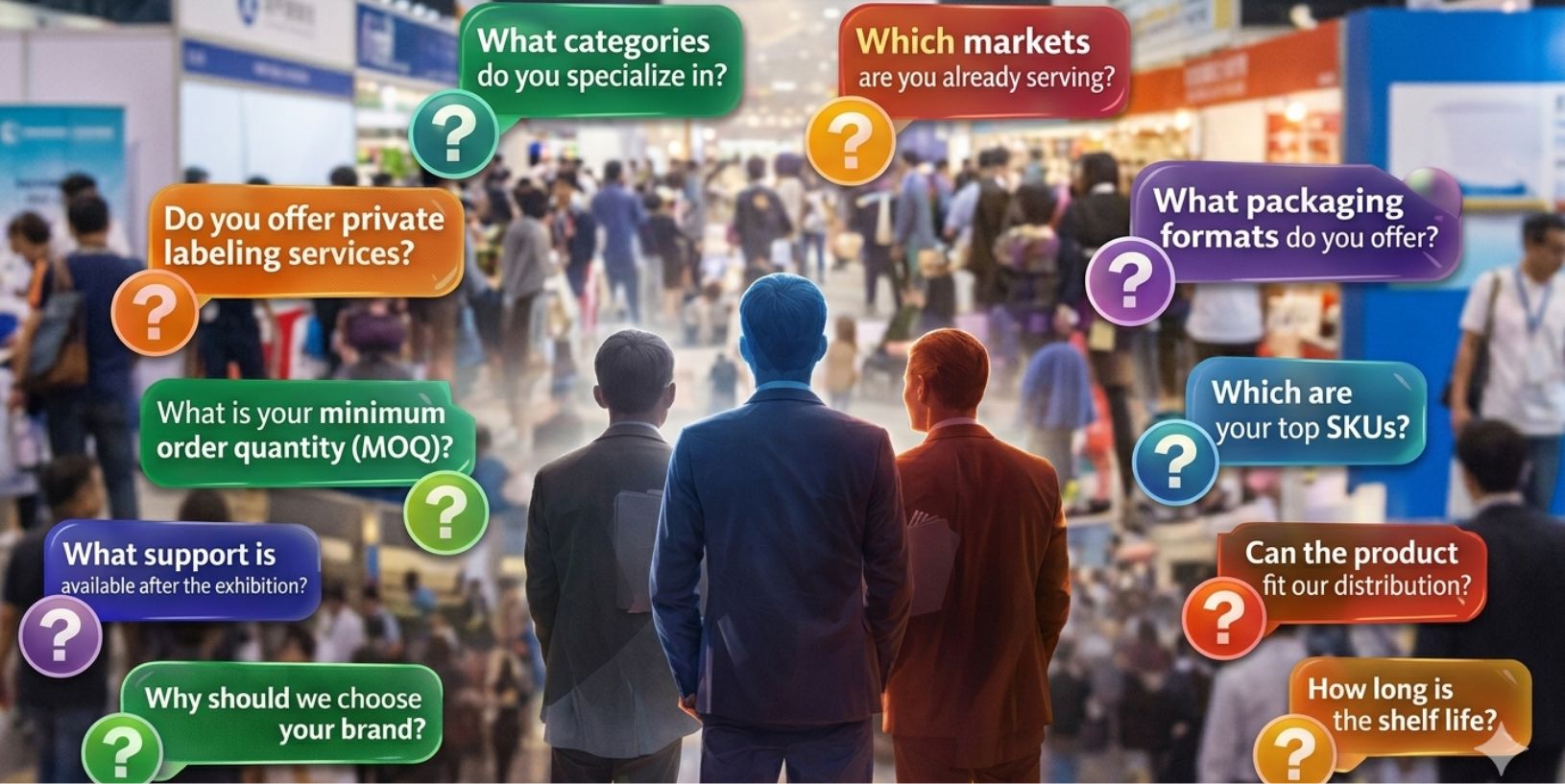
Buyers at international food and beverage exhibitions rarely begin with general compliments. Instead, they quickly move into direct, practical questions about product fit, packaging, certifications, and market readiness. Understanding these beverage exhibition buyer questions allows brands to respond with clarity and confidence, building trust from the very first interaction.
1. Why Buyer Questions at Exhibitions Matter
These initial questions act as qualification tools. Buyers use them to evaluate whether your products match their market needs, distribution channels, and portfolio strategy. Clear answers help create strong first impressions and accelerate follow-up discussions.
2. What Category Do You Specialize In?
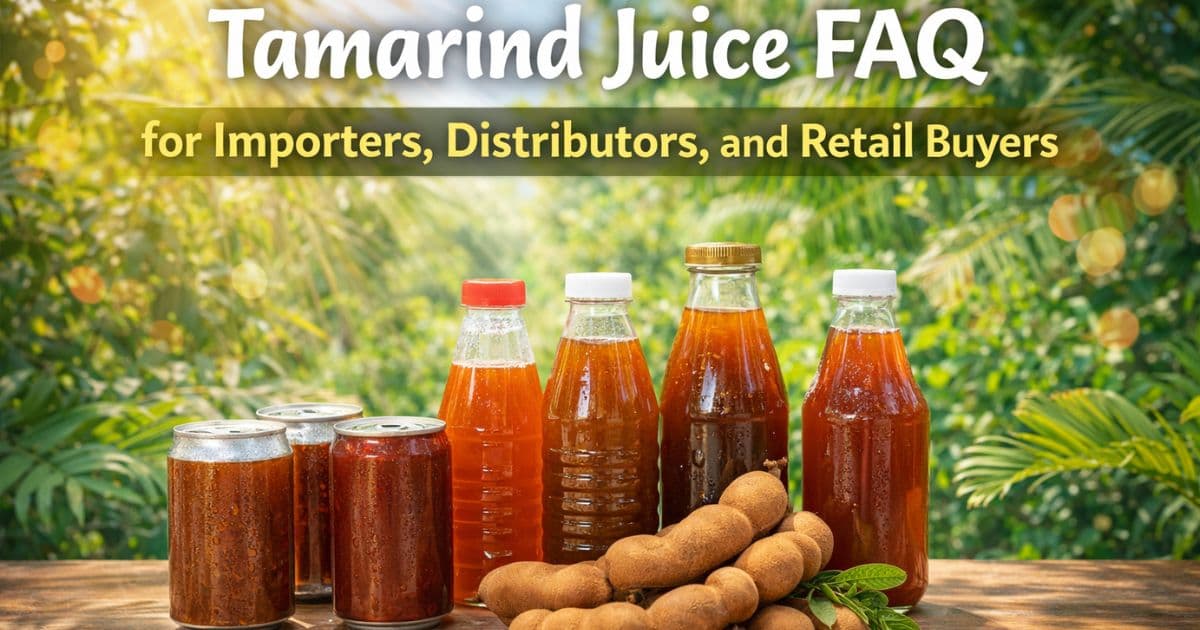
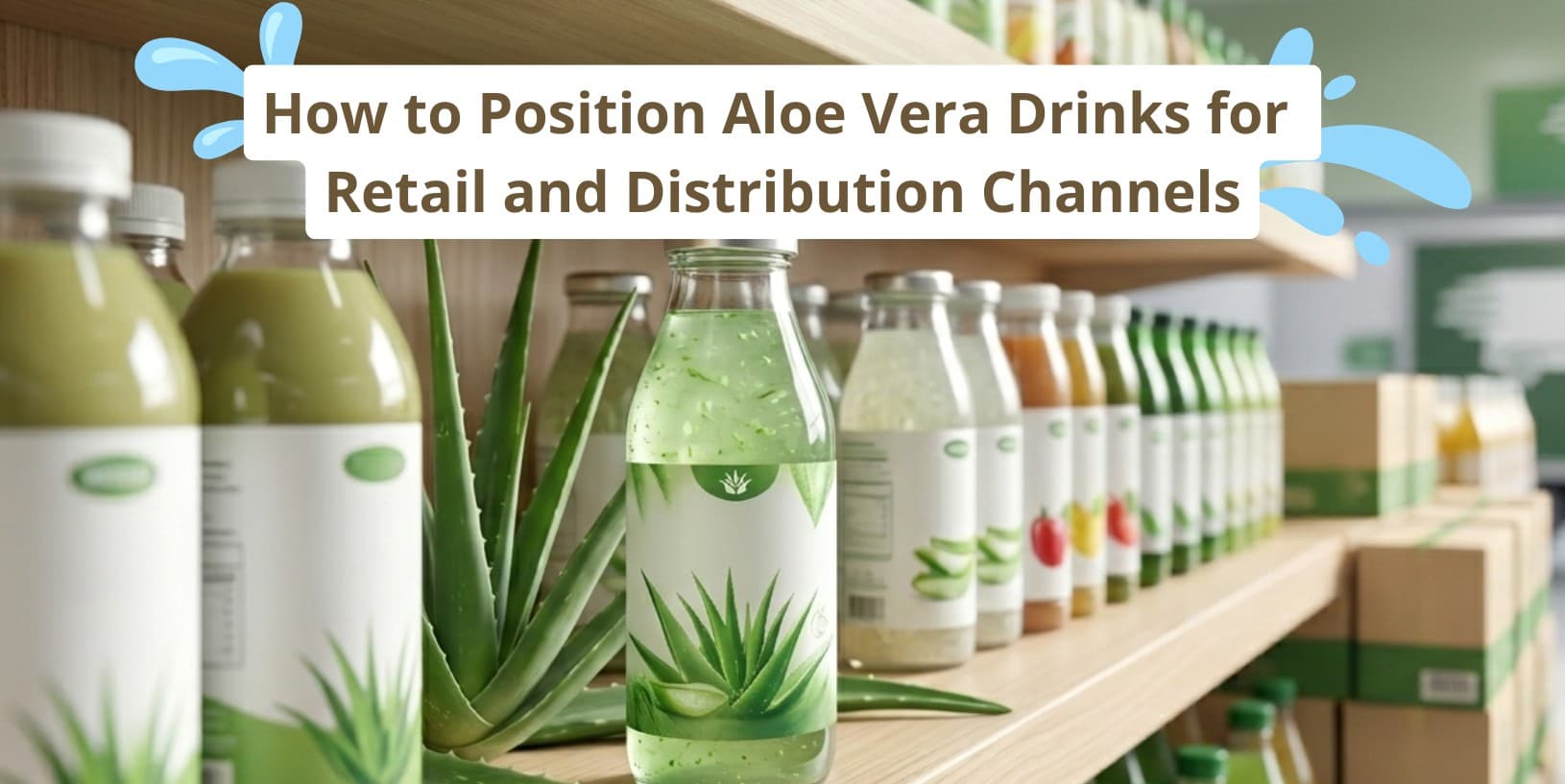
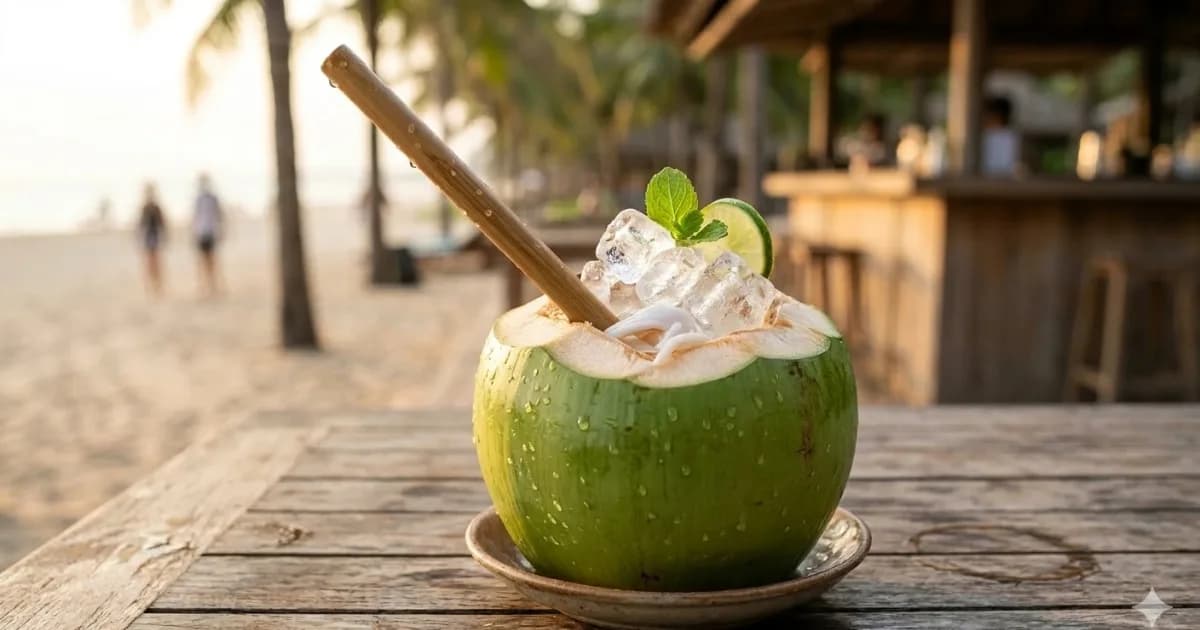
Buyers want category clarity. Whether your strength lies in aloe vera drinks, coconut beverages, or tropical juices, a focused category story is more convincing than a scattered product range.
3. Which Products Are Your Hero SKUs?
This question helps buyers identify your best-performing products. Highlight SKUs with proven demand, simple positioning, and strong channel fit rather than presenting everything equally.
4. Which Markets Are You Already Serving?
Buyers assess your export experience and credibility through this question. Sharing relevant markets builds trust and shows your ability to adapt to different regions.
5. What Packaging Formats and Sizes Do You Offer?
Packaging directly impacts retail fit and logistics. Be ready to explain options such as cans, PET bottles, or cartons, and how they suit supermarkets, convenience stores.
6. What Certifications Do You Have?
Certifications are powerful trust signals. Clearly explain your certifications and what they mean for product safety, quality, and compliance.
7. What Is the Shelf Life and Storage Condition?
Shelf life affects import planning and sales risk. Provide clear, practical answers linked to packaging and product stability.
8. Can the Product Fit My Distribution Channel?
Buyers want to know if your product matches their retail or distribution model. Connect your product’s flavor, format, and positioning to real channel needs.
9. What Support Can You Provide After the Show?
Serious buyers think beyond the booth. Be ready with catalogs, samples, pricing structures, and a clear follow-up process.
10. Why Should I Choose the VINUT brand?
This is the key strategic question. Focus on your strengths - category expertise, product quality, export readiness, and commercial clarity - rather than generic promotional claims.
11. How to Prepare Better Answers Before the Exhibition
Preparation is critical. Build a checklist covering hero SKUs, packaging formats, certifications, shelf life, and target markets. Strong answers should be concise, relevant, and commercially focused.
Conclusion
Successful trade show conversations are built on preparation, not improvisation. By understanding the most common questions buyers ask at food and beverage exhibitions, brands can respond with confidence and move faster toward real partnerships.
Explore VINUT’s product portfolio or contact our team today to discuss export opportunities and prepare for your next international exhibition.