Quick Answer
Aloe vera drinks can perform across multiple markets, but many brands fail to scale because they apply the same positioning across every channel. In reality, success depends on how effectively you position aloe vera drinks for retail and distribution channels. This guide helps importers, distributors, and category teams align product strategy with real channel dynamics instead of using a one-size-fits-all approach.
Introduction
Aloe vera drinks stand out thanks to their refreshing taste, unique texture, and strong visual appeal. However, these strengths must be adapted differently for supermarkets, convenience stores, foodservice, and multicultural retail. By aligning portfolio role, packaging, flavor, and channel strategy, buyers can unlock stronger commercial performance.
1. Start with the Role in Your Portfolio
Before anything else, define whether aloe vera drinks act as a hero product, a complementary category, or a differentiation tool. A clear role helps guide SKU selection, messaging, and channel focus from the start.
2. Build Channel Strategy Before Messaging
Effective aloe vera drink retail positioning should be based on where and how the product is sold. Each channel - supermarkets, convenience stores, ethnic retail, and foodservice - has different expectations and shopper missions.
3. Supermarket Positioning: Visibility and Clarity
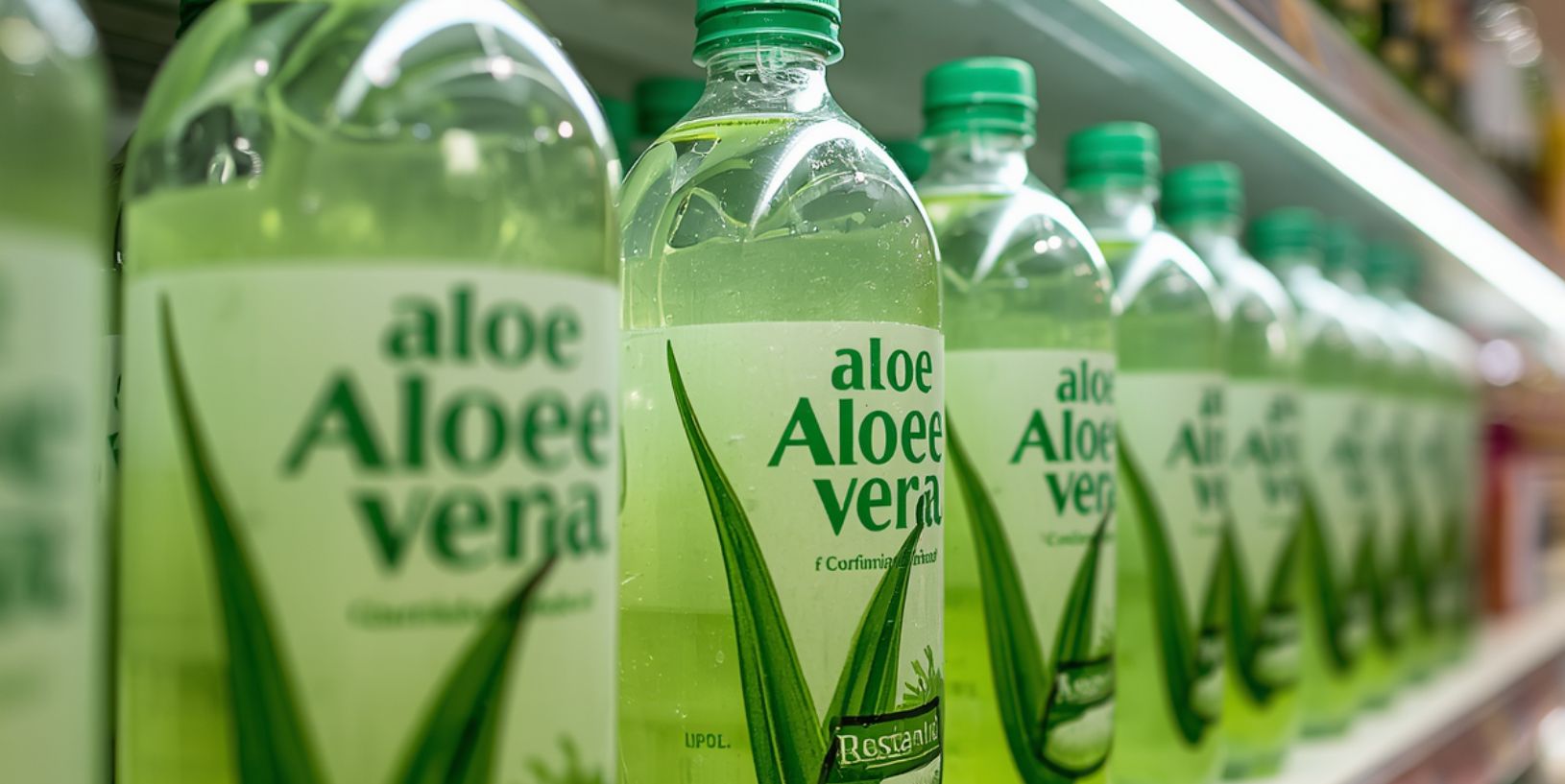
In supermarkets, focus on strong shelf presence, clear labeling, and familiar fruit flavors. Organized assortments and recognizable variants help the category feel easy to understand and encourage repeat purchase.

4. Convenience Store Positioning: Portability and Impulse
Convenience channels reward grab-and-go formats. Single-serve bottles, chilled displays, and eye-catching packaging drive impulse purchases, especially in hot climates.
5. Ethnic Retail Positioning: Familiarity and Authenticity
In multicultural retail, aloe vera drinks benefit from authenticity cues and familiar flavors. Consumers already understand textured beverages, so deeper product ranges can perform well without heavy explanation.
6. Foodservice Positioning: Differentiated Refreshment
In cafés and foodservice, aloe vera drinks work best as a premium ready-to-drink option. Position them as a unique alternative to standard soft drinks, supported by flavor variety and attractive packaging.
7. Align Packaging and Flavor with Channel Strategy
Packaging and pack size should reinforce channel roles. Single-serve formats suit convenience stores, while resealable bottles fit supermarkets. Flavor strategy should match local preferences-such as mango, lychee, or tropical blends-to balance familiarity and discovery.
Conclusion
To successfully position aloe vera drinks for retail and distribution channels, brands must align product role, channel strategy, packaging, and flavor into one cohesive approach.
Explore VINUT’s aloe vera drink portfolio or contact our team to build a channel-fit distribution strategy tailored to your market.
Related Topics
VINUT Team
Beverage Industry Analyst
The VINUT editorial team brings 15+ years of expertise in Vietnamese beverage manufacturing, global export markets, and B2B industry trends across APAC, EU, and Middle East regions.