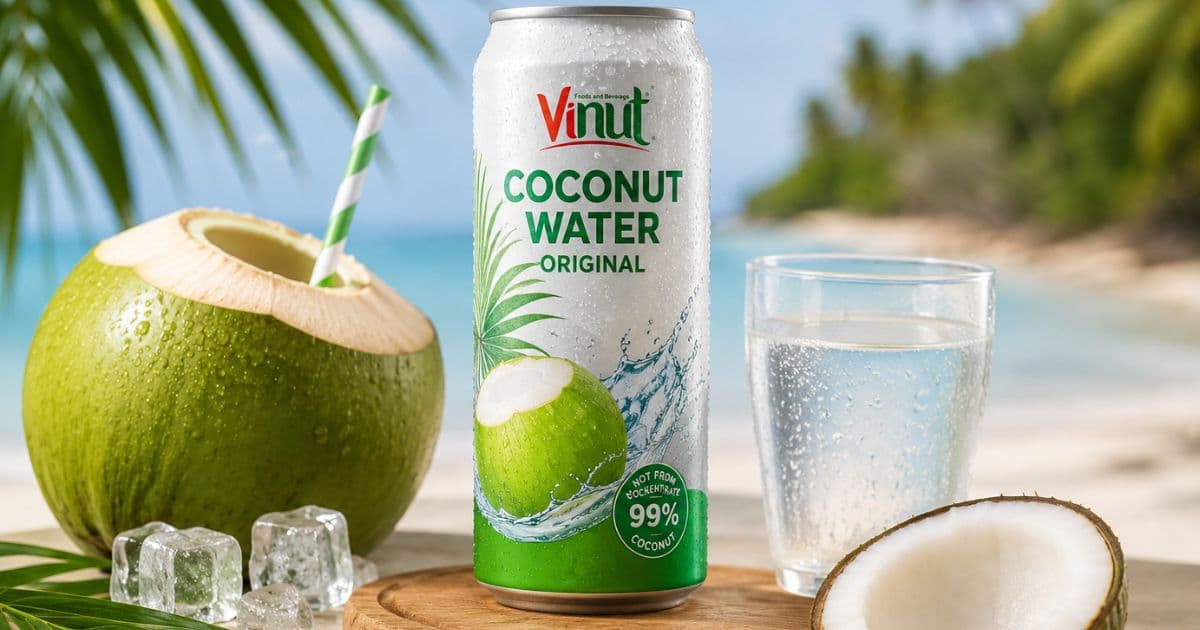
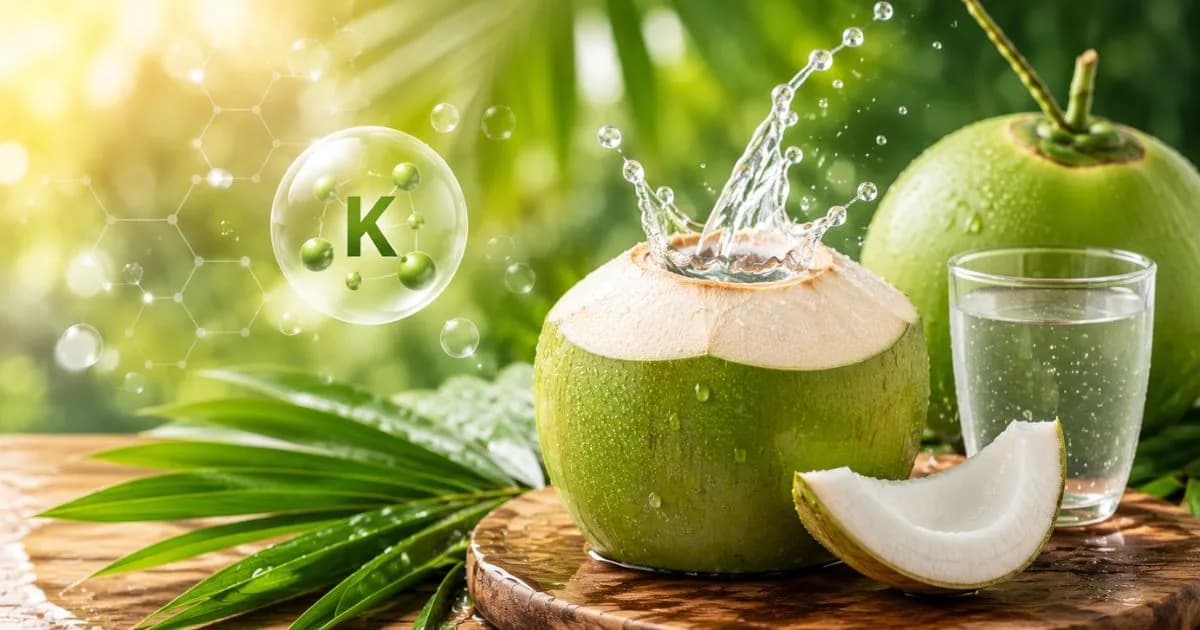
As consumers become more interested in what they drink every day, hydration, ingredients, and nutrition transparency are becoming key factors when choosing beverages.
Among natural beverage options, coconut water has gained popularity because of its refreshing taste and naturally occurring minerals. One of the most discussed nutrients in coconut water is potassium, an electrolyte that plays an important role in maintaining normal fluid balance.
But why does coconut water contain potassium? Is coconut water high in potassium? And how should consumers evaluate coconut water products?
This article explains the relationship between coconut water and potassium and what makes it a popular hydration-focused beverage.
Does Coconut Water Contain Potassium?
Yes, coconut water naturally contains potassium.
Potassium is a mineral classified as an electrolyte. Electrolytes are minerals that help support normal body functions, including fluid balance.
Because coconut water contains water and naturally occurring electrolytes, it is often considered a natural hydration drink.
However, hydration is not determined by one single nutrient. Factors such as:
- Water intake
- Activity level
- Weather conditions
- Sodium balance
- Overall diet
also influence how the body maintains hydration.
Therefore, potassium is one part of the hydration equation rather than the only factor to consider.
What Is Potassium and Why Does It Matter?
Potassium as an Electrolyte
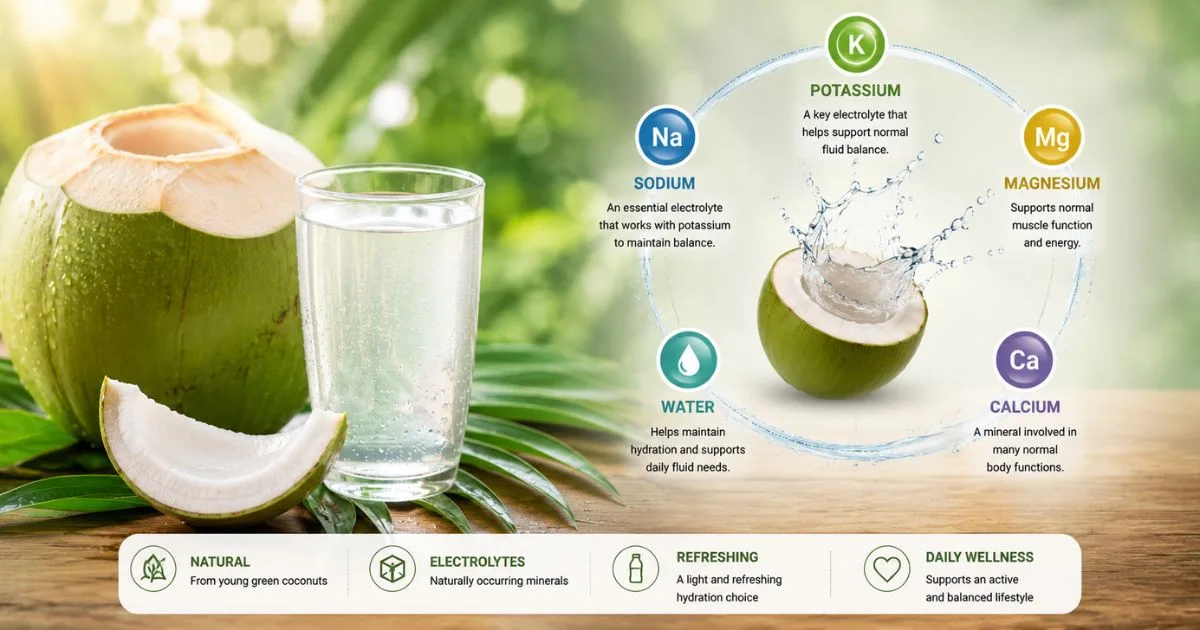
Electrolytes are minerals that carry an electrical charge when dissolved in fluids. Common electrolytes include:
- Potassium
- Sodium
- Magnesium
- Calcium
Potassium is commonly associated with normal fluid balance and muscle function.
This is one reason potassium content is often highlighted on beverage nutrition labels, especially for products positioned around hydration.
Potassium vs Sodium: What Is the Difference?
Both potassium and sodium are electrolytes, but they play different roles.
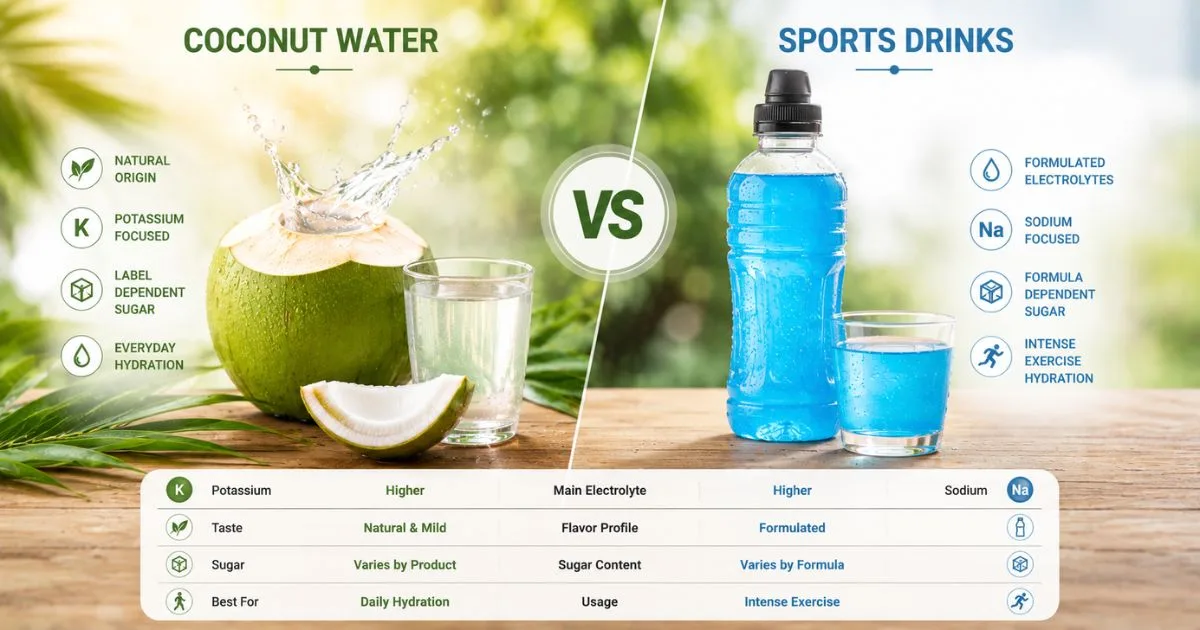
Coconut water is often recognized for its potassium content, while many sports drinks traditionally focus on sodium.
The difference can be summarized as:
| Coconut Water | Sports Drinks | |
|---|---|---|
| Main electrolyte focus | Potassium | Sodium |
| Flavor profile | Natural coconut taste | Formulated flavors |
| Sugar level | Depends on product | Depends on formula |
| Common usage | Everyday refreshment | Sports-focused occasions |
Neither category is automatically better. The best choice depends on individual preferences, activity levels, and nutrition needs.
How Much Potassium Is in Coconut Water?
The potassium content of coconut water varies depending on:
- Coconut variety
- Growing conditions
- Processing methods
- Product formulation
Checking the Nutrition Facts label is the most reliable way to understand the potassium level of a specific beverage.
For consumers, important information to review includes:
- Potassium per serving
- Serving size
- Sodium content
- Total sugar
- Calories
- Ingredients
A clear nutrition label helps people make more informed beverage choices.
Why Is Coconut Water Considered a Hydration Drink?
Coconut water is often associated with hydration because it combines:
Water Content
The primary component of coconut water is naturally occurring liquid from coconuts.
Electrolytes
Minerals such as potassium contribute to its electrolyte profile.
Refreshing Taste
Its mild tropical flavor makes it an appealing alternative to many sweetened beverages.
For many consumers, coconut water fits into a broader trend toward simple, transparent beverage choices.
Coconut Water vs Other Sweetened Beverages
Modern consumers are paying closer attention to beverage labels.
Instead of choosing drinks only based on taste, many now compare:
- Sugar content
- Added sugar
- Ingredients
- Calories
- Nutritional information
Coconut water can be an option for people looking for a beverage made from a simple ingredient base.
However, not all coconut water products are the same. Some may contain added flavors, sweeteners, or other ingredients.
Reading the label remains an important step.

What Should Consumers Check on a Coconut Water Label?
When choosing coconut water, consider the following:
1. Potassium Content
Check how much potassium is provided per serving.
2. Sugar Information
Look at:
- Total sugar
- Added sugar
Natural sugars from coconut are different from added sweeteners, so understanding the label provides better context.
3. Ingredients List
A simple ingredient list helps consumers understand what is inside the beverage.
Look for:
- Coconut water as the main ingredient
- Added ingredients
- Flavor sources
4. Serving Size
A nutrition label is based on a specific serving size, so compare products using the same measurement.
What Should Beverage Buyers Consider?
For retailers and beverage buyers, selecting coconut water involves more than checking potassium content.
Important factors include:
- Nutrition label accuracy
- Ingredient documentation
- Packaging format
- Shelf life
- Market regulations
- Product certifications
Clear product information helps businesses choose beverages that match consumer expectations.
Frequently Asked Questions
Is coconut water high in potassium?
Coconut water naturally contains potassium, but the exact amount varies by product. Consumers should check the Nutrition Facts label for accurate information.
Why does coconut water contain potassium?
Potassium naturally exists in coconuts, which is why coconut water contains this electrolyte.
Is potassium the only electrolyte in coconut water?
No. Coconut water may contain other minerals, including sodium and magnesium, depending on the product.
Is coconut water better than sports drinks?
Coconut water and sports drinks have different electrolyte profiles and purposes. The better choice depends on individual needs and preferences.
Final Thoughts: Understanding Coconut Water and Potassium
The popularity of coconut water reflects a growing interest in beverages that combine refreshment, simple ingredients, and nutrition transparency.
Potassium is one important reason coconut water is often associated with natural hydration. However, choosing the right beverage starts with understanding the complete nutrition label, including sugar, ingredients, serving size, and electrolyte information.
By becoming more informed about what is inside each drink, consumers can make choices that better match their lifestyle and preferences.