I/ Understanding the European Beverage Market
Europe is one of the most competitive yet lucrative beverage markets globally. Consumers increasingly prefer:
- Natural ingredients
- Low sugar content
- Sustainable packaging
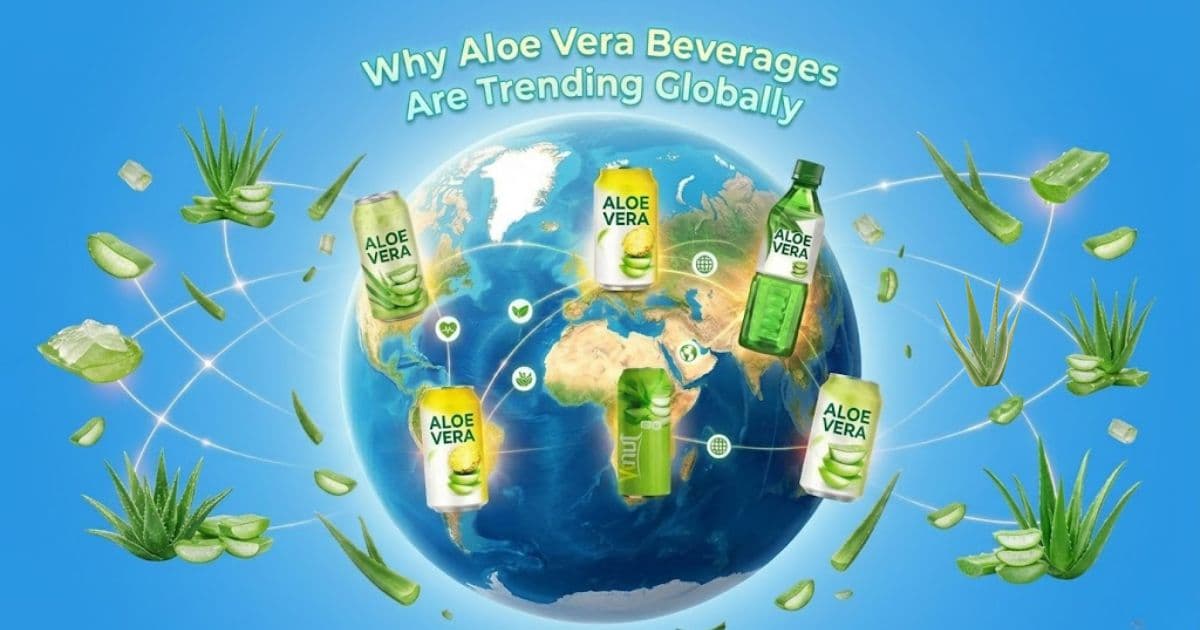
- Functional beverages (vitamins, aloe vera, plant-based drinks)
Countries like Germany, France, and the Netherlands are key entry points due to strong distribution networks.

II/ Product Development Checklist
1. Ensure EU Food Safety Compliance
Your beverage must comply with regulations set by the European Food Safety Authority (EFSA), including:
- Approved ingredients
- Safe additives
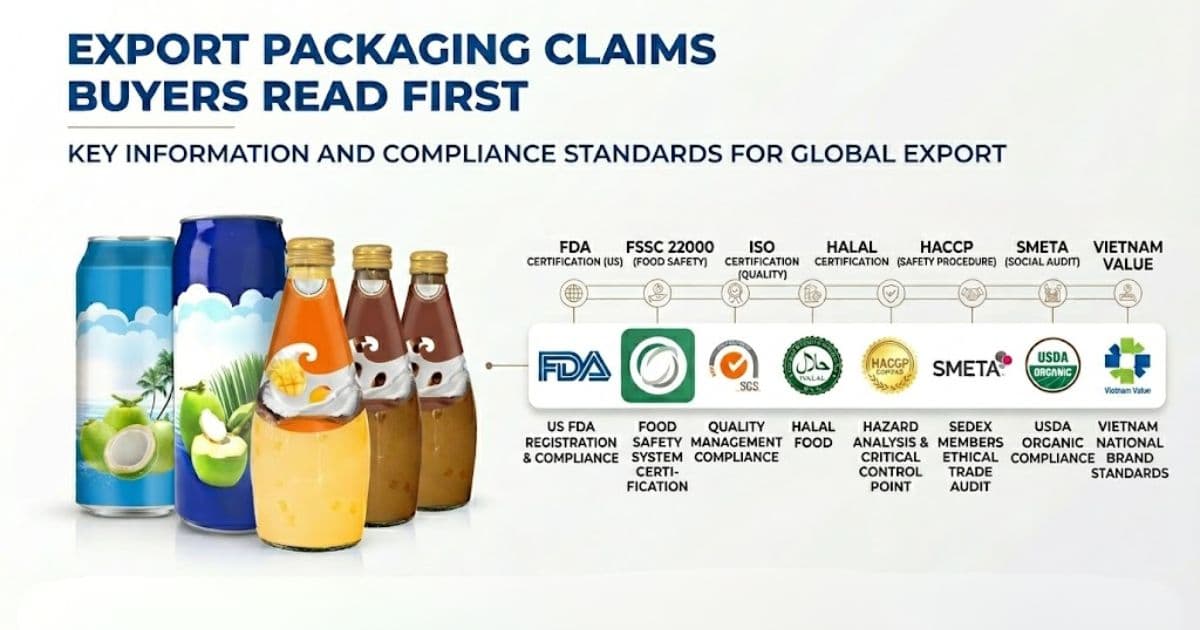
- Hygiene standards (HACCP)
2. Adapt to Consumer Preferences
European consumers are shifting toward:
- Organic and clean-label drinks
- Reduced sugar beverages
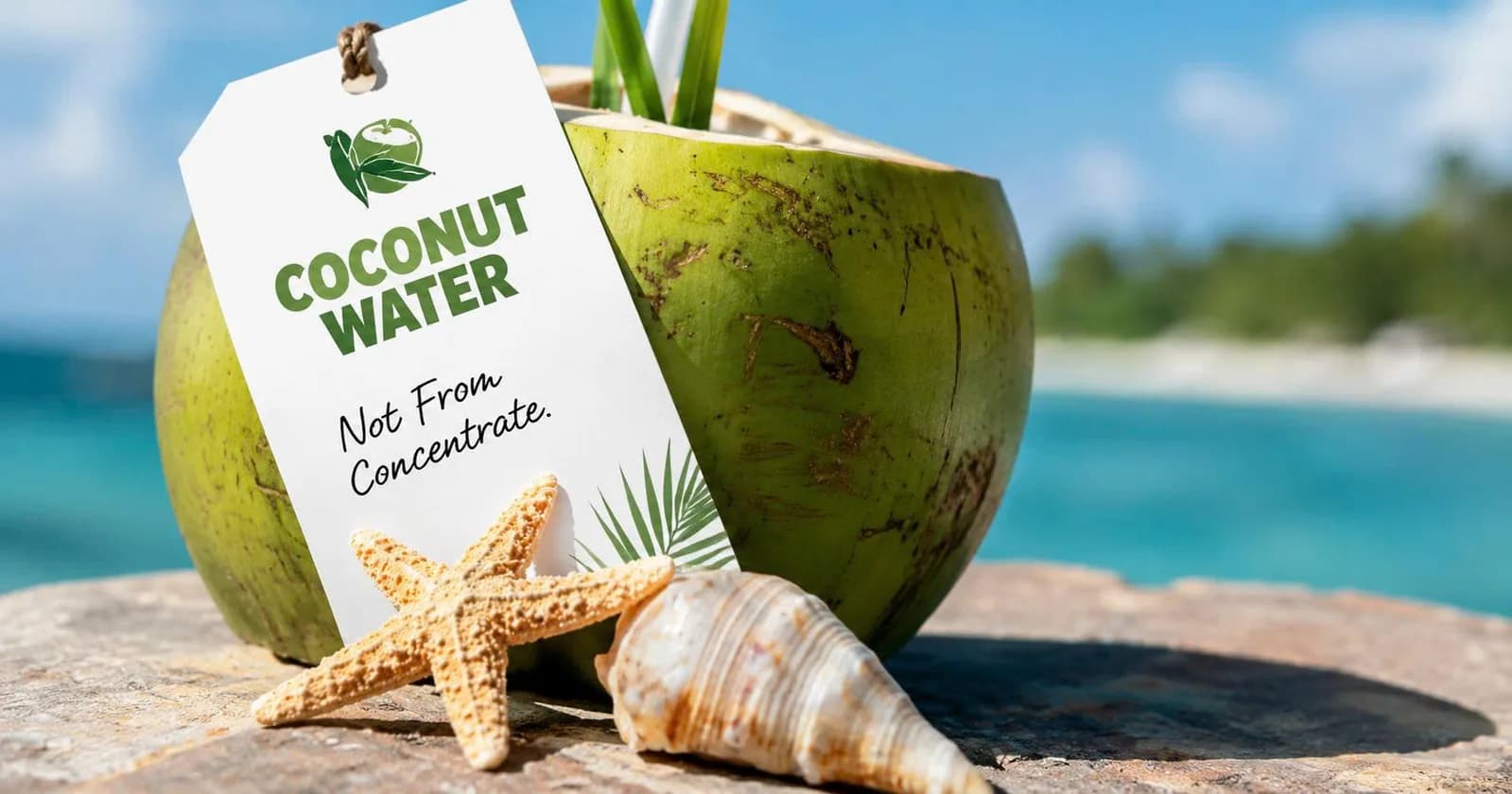
- Exotic flavors (e.g., aloe vera, tamarind, coconut)
3. Shelf Life and Stability
Ensure your product:
- Has a stable shelf life (6–24 months typical)
- Meets transportation and storage requirements
III/ Packaging Requirements in Europe
1. Labeling Regulations
EU labeling must include:
- Ingredient list
- Nutritional information
- Allergen declaration
- Expiry date
- Country of origin
2. Sustainable Packaging Trends
Sustainability is no longer optional. Popular packaging formats include:
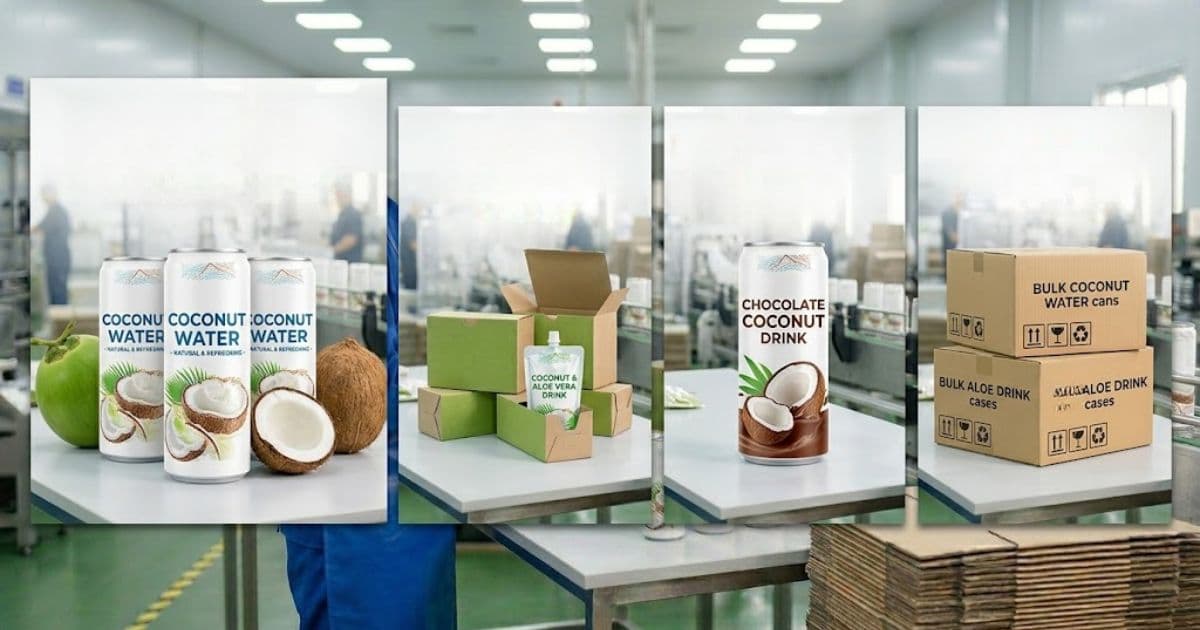
- Aluminium cans (highly recyclable)
- Glass bottles (premium positioning)
- Tetra Pak (eco-efficient cartons)
3. Packaging Compliance
Packaging must follow:
- EU Packaging and Packaging Waste Directive
- Recycling and material safety requirements
IV/ Market Entry Strategy
1.Choose the Right Distribution Channel
Common channels include:
- Retail chains (supermarkets, hypermarkets)
- HoReCa (Hotels, Restaurants, Cafés)
- Online marketplaces
2. Partner with Local Distributors
Working with experienced importers helps:
- Navigate regulations
- Access retail networks
- Reduce entry risks
3. Pricing and Positioning
Your pricing strategy should match:
- Target segment (premium vs mass market)
- Competitor benchmarks
- Consumer purchasing power
V/ Certifications and Legal Requirements
To build trust and ensure compliance, consider:
- ISO certifications (ISO 22000 for food safety)
- Organic certification (if applicable)
- Halal certification (for broader market reach)
VI/ FAQs (FAQ Candidates)
1.What is the first step to launch a beverage in Europe?
The first step is ensuring your product complies with EU food safety regulations and ingredient approvals.
2. Do I need special certification to sell beverages in Europe?
Not always mandatory, but certifications like ISO or organic labels increase credibility and market acceptance.
3. What packaging is best for Europe?
Sustainable packaging such as aluminium cans and recyclable cartons is highly preferred.
4. How long does it take to enter the European market?
Typically 6–12 months, depending on compliance, partnerships, and logistics.
VII/ Conclusion
Launching a beverage product in Europe requires a well-structured approach that combines regulatory compliance, smart packaging, and a strong go-to-market strategy. Brands that prioritize quality, sustainability, and localization will have the highest chance of success in this competitive landscape.