
Entering a new market is rarely a simple expansion—it’s a calculated risk. For importers and distributors, one of the most common mistakes is selecting beverage suppliers based only on price lists or attractive product catalogs. While these factors matter, they rarely determine long-term success.
A strong shortlist of beverage suppliers for new markets should balance four critical elements: product fit, compliance, operational reliability, and long-term partnership potential. Without this balance, even a competitively priced product can fail due to mismatched packaging, regulatory issues, or inconsistent supply.
This article provides a practical framework to help buyers evaluate and shortlist suppliers effectively—before requesting samples or entering commercial negotiations. The goal is simple: reduce risk, improve decision quality, and accelerate successful market entry.
1. Why Supplier Shortlisting Matters Before Market Entry
Choosing the wrong supplier doesn’t just cause inconvenience—it creates real business costs.
Delays in production or shipping can disrupt launch timelines. Inconsistent product quality can damage brand reputation. Packaging that doesn’t align with local preferences may lead to poor shelf performance. And perhaps most critically, a weak supplier fit can result in a product that simply doesn’t resonate with the target market.
This is why beverage supplier evaluation should happen early—well before detailed pricing discussions or contract negotiations.
A structured shortlisting process helps buyers:
- Improve speed-to-market by avoiding unsuitable suppliers early
- Build a more focused and relevant product portfolio
- Increase confidence when presenting products to retail partners or distributors
In short, a good shortlist acts as a filter—ensuring that only viable partners move forward.
2. The Core Criteria Buyers Should Use When Shortlisting Beverage Suppliers
A reliable export beverage supplier checklist should include the following six criteria:
Category Fit
Start with relevance. Does the supplier have real strength in the beverage categories you want to grow?
For example, if your focus is tropical juice or coconut beverages, a supplier with deep expertise in those categories will offer better product consistency, innovation, and support than one with a broad but shallow portfolio.
Market Fit
A good product is not always the right product. Suppliers should demonstrate an understanding of:
- Local taste preferences
- Packaging formats (e.g., cans, Tetra Pak, PET bottles)
- Positioning (premium, mass market, health-focused)
Market fit often determines whether a product sells—not just how it tastes.
Export Readiness
An export-ready supplier should be familiar with:
- Documentation requirements
- Labeling standards for different regions
- Shipping and logistics processes
This reduces friction and avoids costly compliance issues.
Quality and Certifications
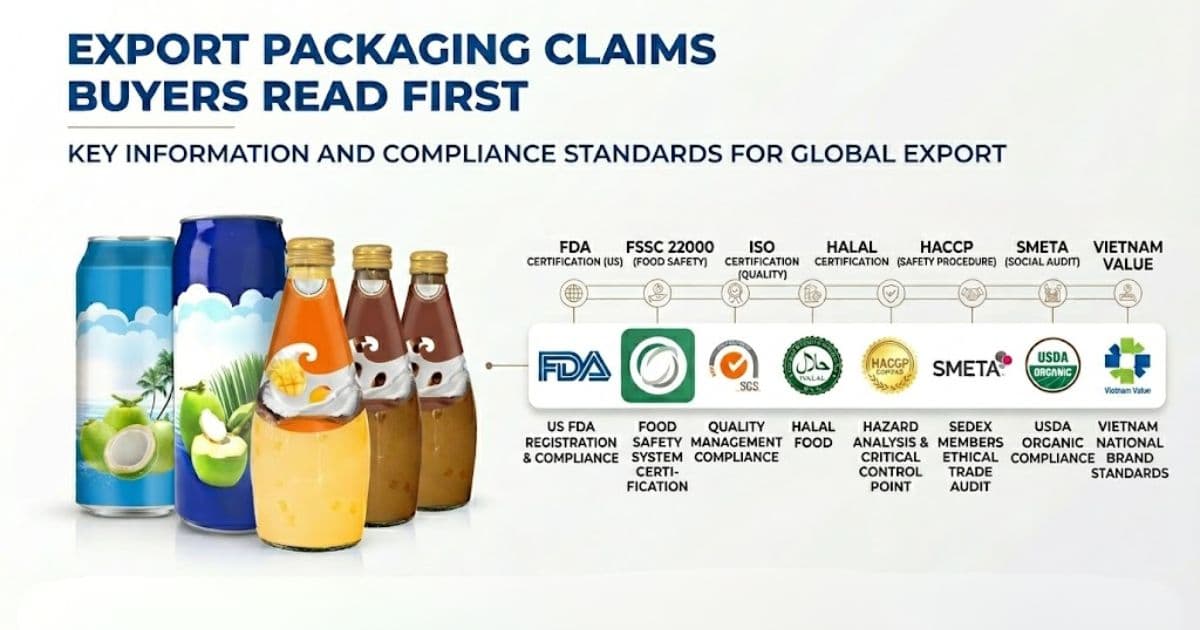
Certifications are a key part of beverage supplier evaluation. They provide assurance that the supplier follows recognized quality systems.
Buyers should look for:
- Food safety certifications (e.g., ISO, HACCP)
- Clear documentation availability
- Consistency in quality control processes
Commercial Fit
Even a strong product becomes impractical if commercial terms don’t align.
Key factors include:
- MOQ (Minimum Order Quantity)
- Lead time
- Pricing structure
- Product range flexibility
A supplier should be able to support both initial testing phases and future scaling.
Operational Fit
This is often overlooked but critical. Evaluate:
- Communication speed and clarity
- Responsiveness during early discussions
- Ability to maintain consistent production over time
Operational reliability often separates short-term suppliers from long-term partners.
3. Key Questions Buyers Should Ask During the Shortlisting Stage
To effectively shortlist beverage suppliers, buyers should ask structured questions early in the process:
- What product categories and packaging formats are strongest in your current export portfolio?
- Which markets are you already serving, and what type of buyers do you support?
- What certifications and quality documents can you provide at the first discussion stage?
- What are your typical MOQ, production lead times, and sample process?
- How do you support buyers entering a new category or retail channel?
- What level of product range depth can you offer within one shipment plan?
These questions help reveal not just capability—but also how the supplier thinks and operates.
4. Warning Signs That a Supplier May Not Be Suitable
Not every supplier that looks good on paper will perform well in practice. During the beverage supplier evaluation process, watch for these red flags:
- Inconsistent or unclear answers about certifications, shelf life, or export documentation
- Disorganized product catalogs or lack of structured presentation
- A portfolio that appears broad but lacks real depth in key categories
- Slow response times or vague communication early in discussions
- Limited understanding of market needs, packaging logic, or buyer challenges
These issues often become larger problems later in the partnership.
5. A Practical Shortlist Framework Buyers Can Use
To make better decisions, buyers should move beyond impressions and apply a simple scoring model.
Here is a practical framework for evaluating beverage suppliers for new markets:
Suggested Criteria (Score each from 1 to 5):
- Category relevance
- Packaging suitability
- Certifications and quality assurance
- Commercial flexibility (MOQ, pricing, lead time)
- Lead time and production capacity
- Communication quality
After scoring, compare suppliers side by side. This approach helps:
- Standardize evaluation
- Reduce bias from marketing materials
- Highlight strengths and weaknesses clearly
For example, a supplier with slightly higher pricing but stronger operational reliability and export readiness may be a better long-term choice.
A shortlist of three to five suppliers is typically ideal for meaningful comparison.
6. How VINUT Supports Buyers Entering or Expanding in New Markets
For buyers looking to apply this framework in practice, VINUT positions itself as a partner rather than just a supplier.
VINUT supports importers and distributors by:
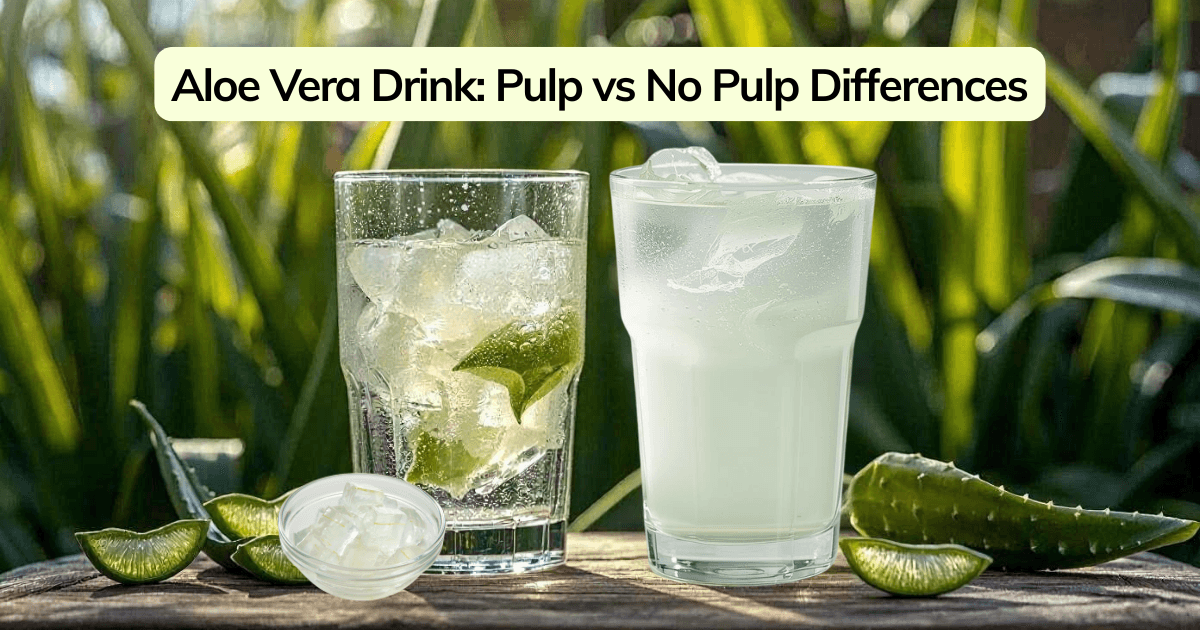
- Offering a wide range of beverage categories, including tropical juice, coconut beverages, and aloe vera drinks
- Providing flexible packaging options aligned with different market needs
- Supporting export documentation and labeling requirements
- Working with buyers to build product portfolios suited for new markets
Instead of focusing only on product supply, the approach emphasizes helping buyers evaluate category fit, packaging logic, and commercial feasibility before scaling.
Next step: Buyers can request a catalog or contact VINUT to explore product options and discuss specific market requirements.
7. Conclusion
Shortlisting is not just about finding a supplier with an attractive product line. It is a strategic step that directly impacts market entry success.
A strong shortlist should be built on four key pillars:
- Category fit
- Quality trust
- Export readiness
- Commercial reliability
By applying a structured export beverage supplier checklist, buyers can reduce risk, make more informed decisions, and build a stronger foundation for growth in new markets.
If you are preparing to enter or expand into a new market, the next practical step is to review supplier portfolios carefully and start structured discussions.
Request a catalog or contact VINUT to explore how your beverage portfolio can align with your target market.
FAQ
Q: What should importers check first when evaluating a beverage supplier?
A: Category fit, certifications, export experience, and commercial reliability should be checked first.
Q: How many suppliers should a buyer shortlist for a new market?
A: A shortlist of three to five relevant suppliers is usually practical for comparison.
Q: Why are certifications important before a first order?
A: Certifications help buyers reduce risk and verify that the supplier follows recognized quality systems.
Q: What makes a beverage supplier export-ready?
A: An export-ready supplier can support product presentation, documentation, packaging fit, and consistent delivery for international markets.
Q: Should buyers focus more on price or product-market fit?
A: Product-market fit and supply reliability should come before price alone, especially when entering a new market.