
I/ Introduction
- - Tropical juice is often seen as a globally appealing category thanks to its refreshing taste and vibrant fruit profiles. However, tropical juice flavor preferences across key export markets are far from uniform. What works well in one region may not perform the same in another.
- - Understanding these differences helps importers, distributors, and category managers build a portfolio that is both market-relevant and commercially effective.
1. Why Flavor Planning Matters in Export Strategy?
- Flavor is one of the first factors buyers evaluate when assessing a juice product. It directly influences shelf appeal, consumer acceptance, and repeat purchase.
- A well-balanced flavor mix can make a product feel both familiar and differentiated at the same time.
2. Understanding Global Flavor Behavior
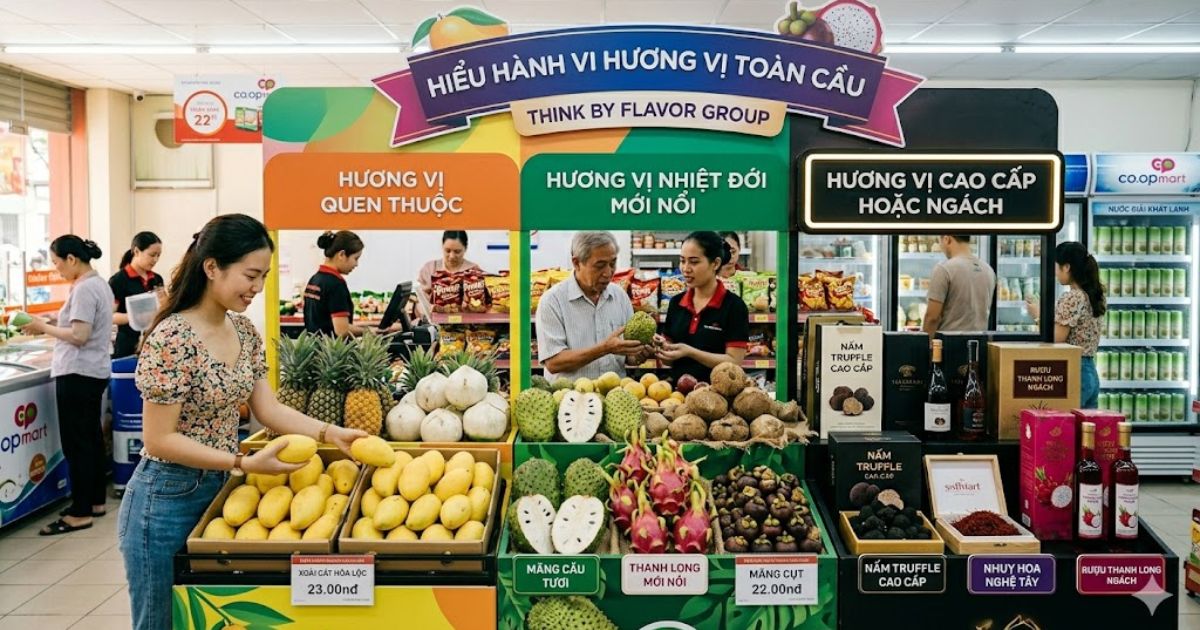
Instead of focusing on individual products, buyers should think in flavor clusters:
- - Familiar flavors
- - Emerging tropical flavors
- - Premium or niche flavors
- Common tropical fruits like mango and pineapple are widely accepted, while others like soursop may depend on regional familiarity.
3. North America: Familiar with a Tropical Twist
- In markets like United States and Canada, buyers often prefer recognizable flavors.
Popular choices include:
- - mango
- - guava
- - passion fruit
Success comes from combining familiarity with a light tropical differentiation.
4. Europe: Clean, Clear, and Natural Positioning
European buyers prioritize clarity, ingredient transparency, and product quality.
Flavors like coconut, pineapple, and mango perform well when presented simply.
5. GCC Markets: Refreshment Comes First
In hot-climate regions such as Gulf Cooperation Council countries, refreshment is key.
Top flavors include:
- - lychee
- - mango
- - mixed tropical fruit
6. Asia: Open to Diverse and Layered Flavors
- Asian markets are more open to complex and textured beverages.
- Ingredients such as Aloe vera and coconut-based drinks are widely consumed.
7. Channel Differences Matter
Flavor success depends on the channel:
- - Mainstream retail
- - Ethnic stores
- - Foodservice
8. Build a Smart Flavor Portfolio
A strong strategy includes:
- - Hero flavors (core products)
- - Test flavors (market-specific)
9. Packaging and Flavor Must Align
- Packaging influences perception as much as flavor.
10. Naming Matters in Global Markets
- Clear and simple flavor names improve buyer confidence.
11. What This Means for Buyers
Successful export strategies depend on:
- - Market understanding
- - Channel fit
- - Flavor familiarity
II/ Conclusion
- There is no single flavor strategy that works globally.
- Instead, success comes from adapting to regional preferences and building a balanced portfolio.
- LINK - LINK