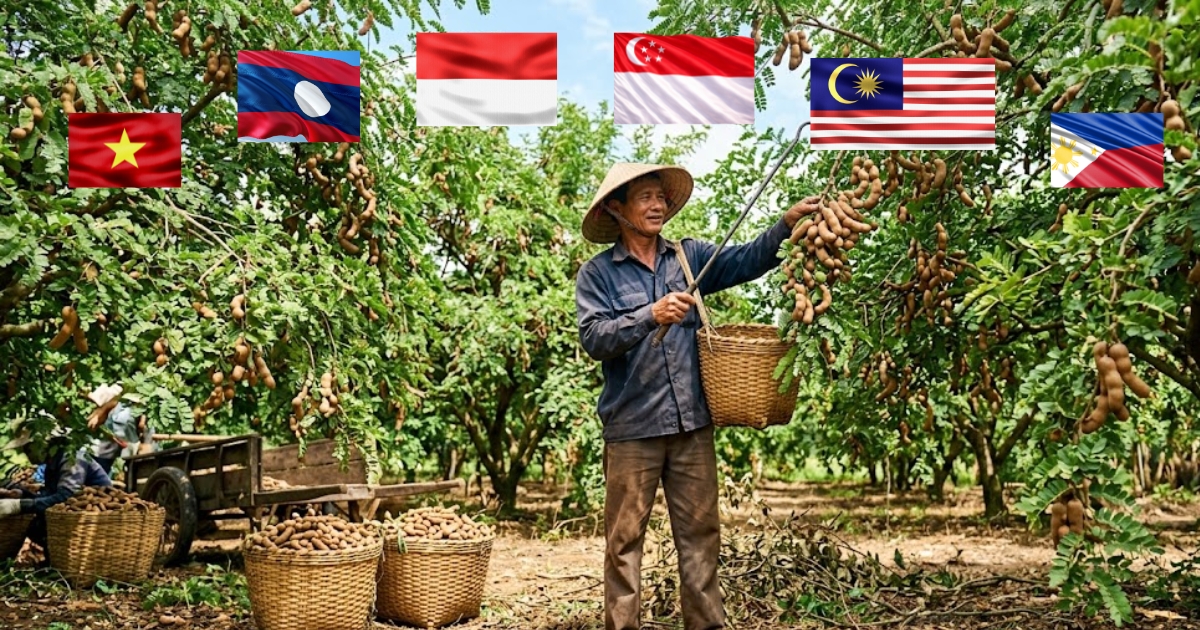

Tamarind Juice Europe: B2B Market & Channel Fit
Tamarind juice is an ideal channel fit for the European beverage market due to its unique sweet-and-sour flavor profile, alignment with the rising demand for exotic, plant-based drinks, and versatility across retail, foodservice, and convenience sectors. As European consumers increasingly shift toward authentic, global flavors, premium tamarind juice offers B2B importers and distributors a high-margin opportunity to diversify their portfolios with a product that stands out on crowded shelves.
A Flavor That Stands Out in a Mature Market
The European beverage market is highly competitive, driven by consumers constantly seeking new, authentic taste experiences. Tamarind offers a bold, balanced flavor profile—naturally tangy, slightly sweet, and deeply refreshing. This makes tamarind juice particularly appealing in a landscape where tropical and ethnic flavors are experiencing rapid growth. For retailers and distributors, introducing tamarind juice means offering a distinctive product that captures consumer curiosity. Partnering with a certified manufacturer like VINUT ensures that this exotic appeal is backed by world-class quality and compliance.

Strategic Distribution Channels for Tamarind Juice
One of the key strengths of tamarind juice in Europe is its flexibility across diverse sales channels. The table below outlines the optimal positioning for maximum market penetration:
| Distribution Channel | Positioning Strategy | Target Consumer |
|---|---|---|
| Retail & Supermarkets | Premium exotic fruit aisle; international beverage section. Tamarind Juice Market | Shoppers exploring new fruit-based drinks beyond traditional citrus or berry options. |
| Foodservice (HoReCa) | Authentic beverage pairings for Thai, Indian, and Latin American cuisines; premium mocktail ingredient. | Diners seeking authentic, experiential culinary pairings. |
| Convenience & On-the-Go | Ready-to-drink (RTD) refreshing thirst-quencher. | Busy consumers looking for a quick, flavorful, and natural refreshment. |
Aligning with European Consumer Trends
Several macro-trends in Europe support the rapid growth of tamarind juice. The demand for natural ingredients, clean-label fruit beverages, and international flavors continues to rise. Tamarind juice meets these expectations by offering a fruit-derived drink that feels both authentic and exciting. Furthermore, European consumers are increasingly drawn to beverages with a rich cultural origin. Tamarind, widely cultivated across tropical regions, provides a compelling narrative that brands can leverage to drive engagement. Market Overview