
Aloe vera drinks continue to hold a strong position in international beverage portfolios thanks to their unique texture, visual differentiation, and versatility across retail formats. Unlike traditional juices or carbonated drinks, aloe vera beverages offer a refreshing experience that stands out on shelves and resonates with modern consumers.
This FAQ is designed to help distributors evaluate whether aloe vera drinks fit their portfolio, covering key considerations such as formats, flavors, packaging, shelf life, and supplier readiness.
I/ What is driving demand for aloe vera drinks in export markets?
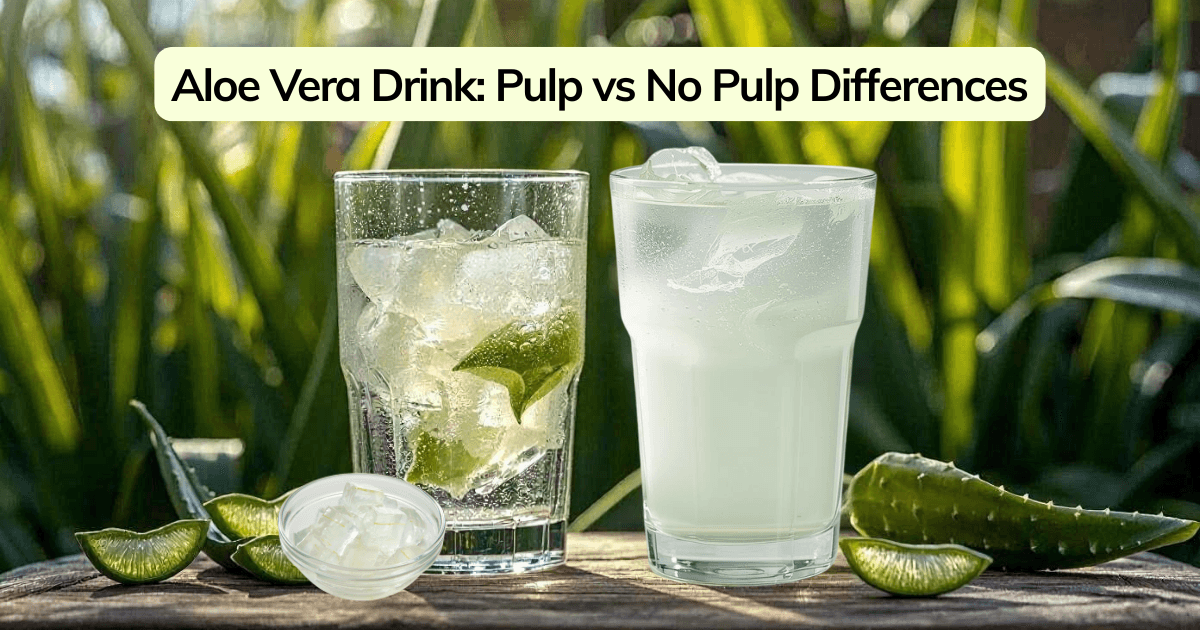
Aloe vera drinks stand out due to their distinct texture and visual identity, often featuring real aloe pulp that enhances the drinking experience.
Key demand drivers include:
- Growing interest in tropical flavors
- Consumer preference for refreshing beverages
- Novelty compared to traditional drinks
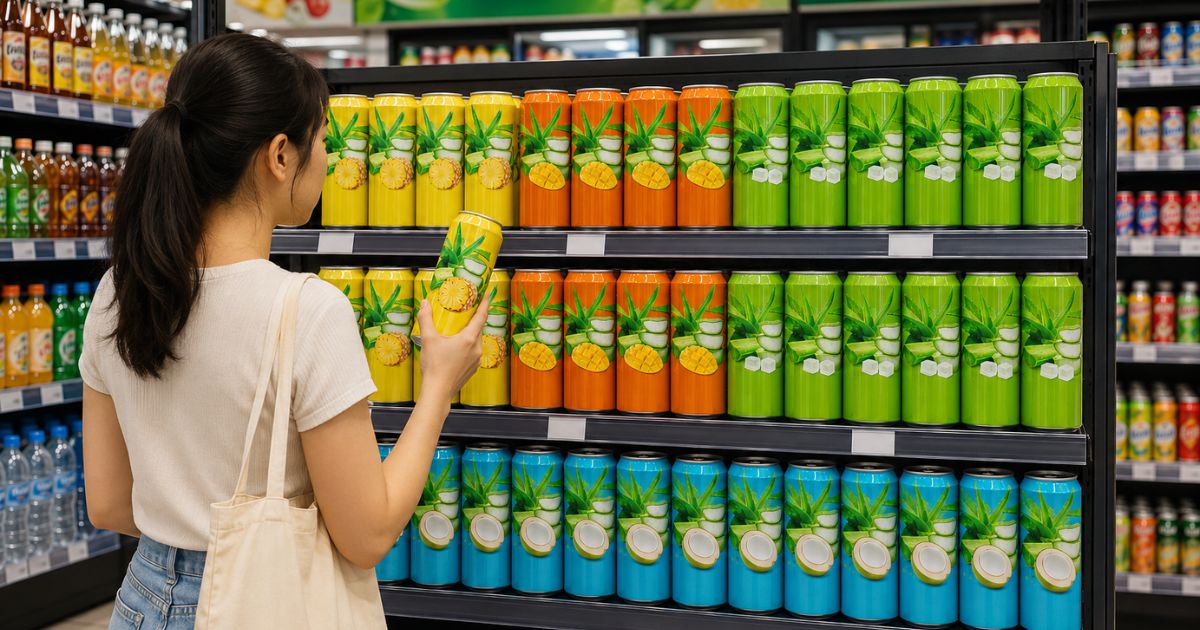
- Strong shelf visibility
Distributors are particularly drawn to categories that offer both functional and visual differentiation, making aloe vera drinks easy to position in competitive markets.
II/ Which aloe vera drink formats are most relevant for distributors?
The most common export formats include:
- Cans
- PET bottles
- Slim cans
- Multipack retail SKUs
Each format serves different distribution needs:
-Supermarkets: PET bottles and multipacks
-Convenience stores: Slim cans and single-serve bottles
-Wholesale channels: Standard cans and bulk-ready formats
Choosing the right format depends on target market behavior, logistics efficiency, and retail channel strategy.
III/ What flavors and product variations matter most?
Aloe vera drinks are available in a wide range of flavors, including:
- Original aloe vera
- Mango
- Lychee
- Grape
- Pineapple
- Mixed tropical