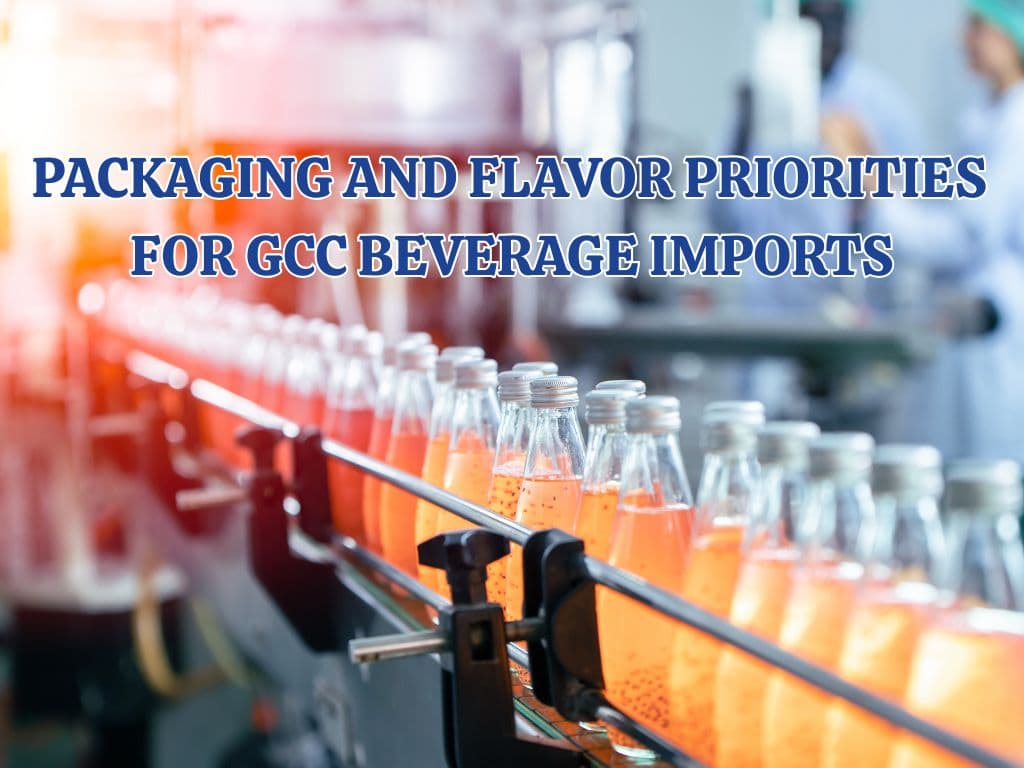
The beverage market in the GCC (Gulf Cooperation Council) countries—comprising Saudi Arabia, the UAE, Qatar, Kuwait, Bahrain, and Oman—is undergoing a massive transformation. Driven by a harsh climate and a rising demographic of young, health-conscious, and affluent consumers, the demand for high-quality imported beverages has never been higher.
To succeed in this competitive landscape, exporters must align with two critical pillars: Packaging and Flavor.
I. Packaging Priorities: Convenience Meets Luxury
In the GCC, packaging is more than just a container; it is a statement of quality and a badge of regulatory compliance.
Sustainability and Eco-Consciousness
Under the influence of regional initiatives like UAE Net Zero 2050 and Saudi Vision 2030, Gulf consumers are increasingly favoring eco-friendly brands.
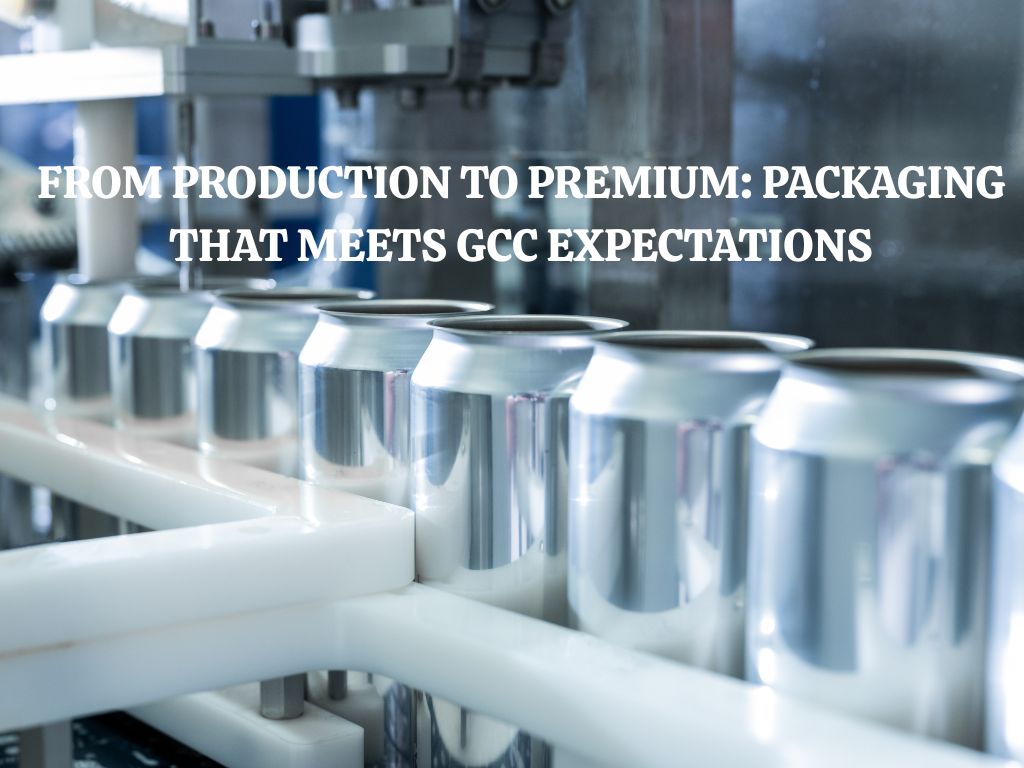
Materials: Aluminum cans and premium glass bottles are preferred over single-use plastics.
Aesthetics: Minimalism with a touch of luxury—such as gold foil accents or modern Arabesque patterns—appeals strongly to the high-end segment.
Stringent Labelling Regulations
All imports must strictly adhere to GSO (Gulf Standardization Organization) standards:
Language: Arabic labeling is mandatory (typically implemented as bilingual English-Arabic labels).
Clarity: Production and expiration dates must be clearly printed (often in DD/MM/YYYY format).
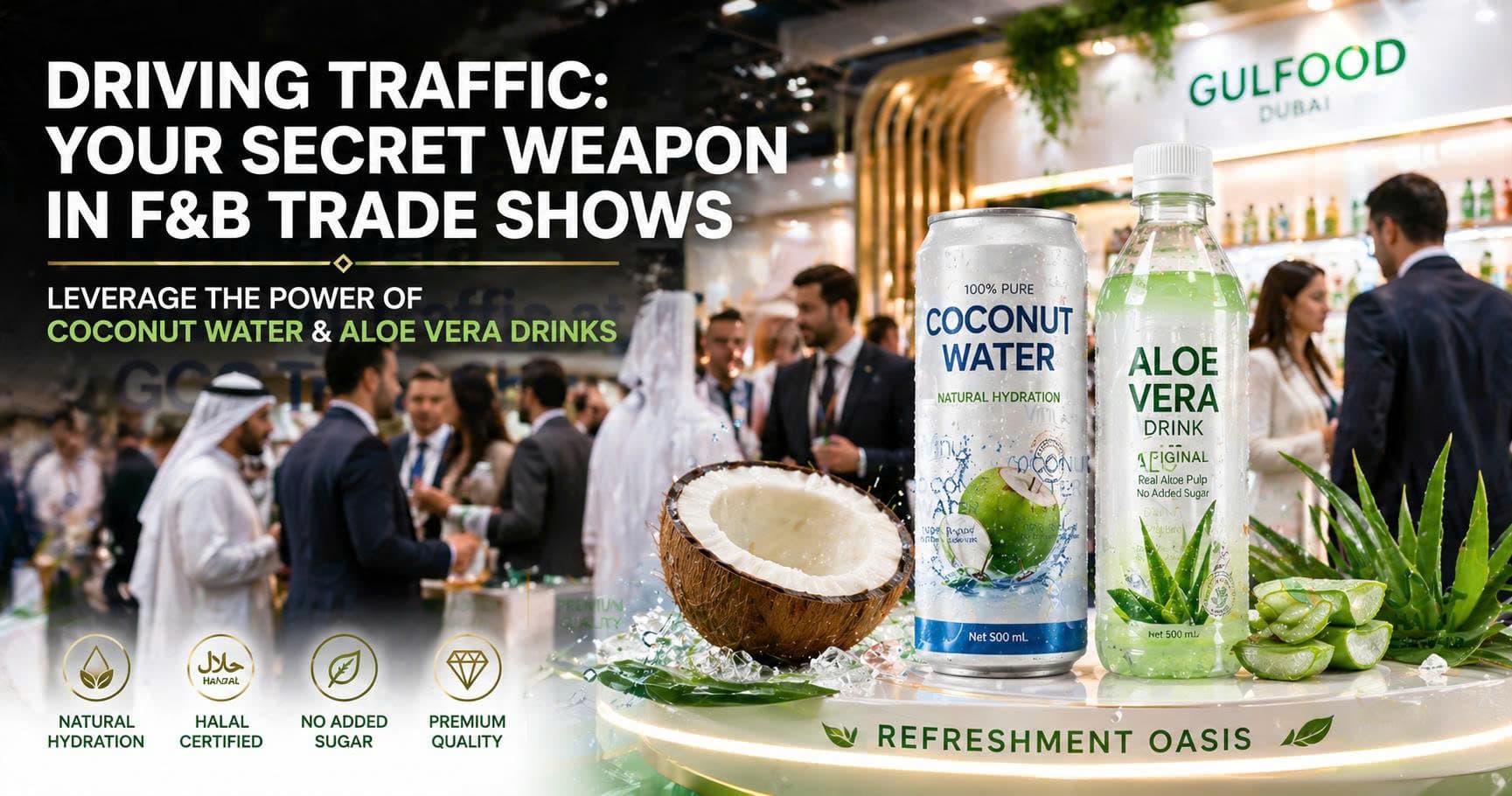
Halal Certification: For beverages with complex ingredients or additives, a Halal certificate is the "golden ticket" for smooth customs clearance.
II. Flavor Trends: Balancing Tradition and Innovation
The Gulf palate is unique, blending a deep respect for local culture with a curiosity for international fusions.
The Rise of Exotic and Premium Juices
Due to the restriction of alcohol in many GCC nations, premium "mocktails" and juices have become the primary choice for social gatherings.
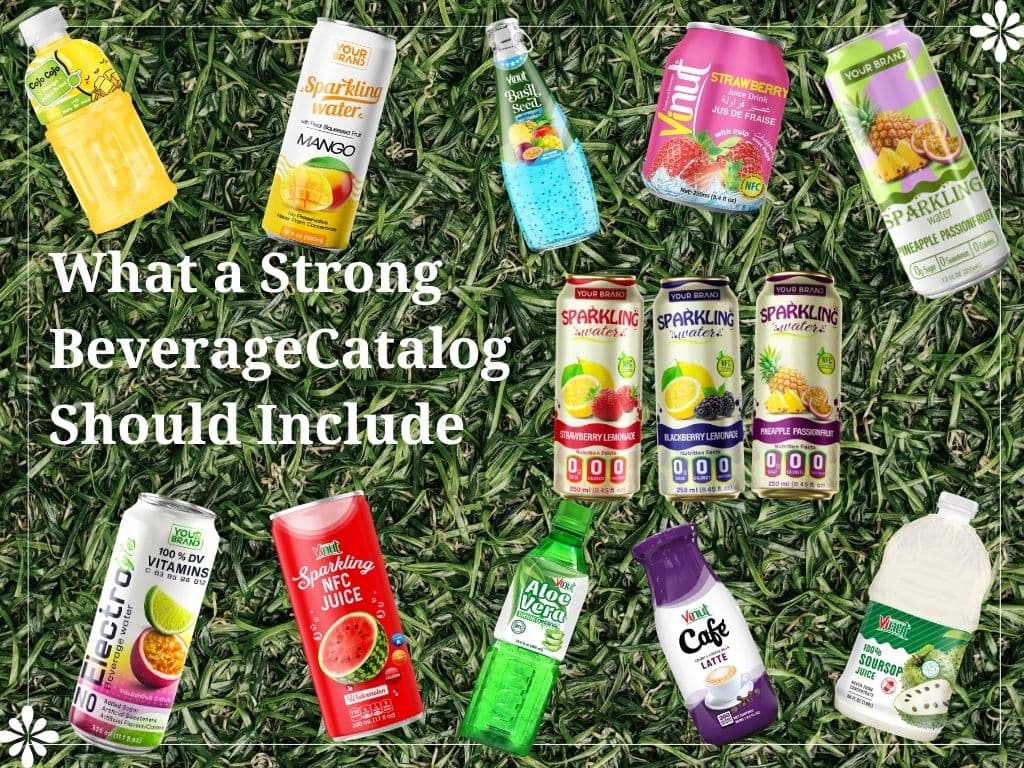
Tropical Profiles: Mango, guava, and passion fruit remain top sellers.
The "National" Flavor: Combinations like Lemon Mint are cultural staples and continue to see high demand in ready-to-drink (RTD) formats.
Health-Conscious and Low-Sugar Options
Governments across the region have introduced "Sugar Taxes" to combat obesity, shifting consumer behavior toward healthier alternatives.
Priorities: Zero-sugar, naturally sweetened, or 100% pure fruit juices.
Functional Ingredients: Botanicals like turmeric, ginger, and ginseng are gaining traction in the functional beverage category.
III. Export Checklist for the GCC Market
Criteria | Priority Requirements |
Sizes | Ranging from 250ml cans (convenience) to 1L bottles (family sharing). |
Durability | Packaging must withstand high temperatures during transit and storage. |
Flavor | Balanced sweetness; focus on refreshing and natural profiles. |
Compliance | Halal, ISO, and adherence to SFDA (Saudi Food & Drug Authority) norms. |
Frequently Asked Questions (FAQs)
Q1: Do GSO packaging standards apply to all GCC countries?
Yes. All member states share the GSO standards. However, be aware of specific local taxes, such as the "Excise Tax" on sweetened drinks in Saudi Arabia and the UAE.
Q2: Is Arabic labeling truly mandatory for all beverage imports
Yes. Arabic is legally required on the packaging. Most successful brands use bilingual labels to maintain a premium, international look while meeting legal requirements.
Q3: Is Halal certification required for soft drinks?
While pure juices are naturally Halal, any beverage containing stabilizers, colors, or complex flavorings requires Halal certification to ensure consumer trust and regulatory approval.
Q4: Which beverage category is growing the fastest in the GCC?
Functional beverages and low-sugar natural juices are currently leading the growth. There is a significant shift away from traditional carbonated soft drinks toward products offering added health benefits (electrolytes, vitamins).
Q5: Why is glass preferred over plastic in this market?
Glass is favored for two reasons: it preserves flavor better under high desert temperatures, and it conveys a "Premium" image that aligns with the luxury-oriented lifestyle of many Gulf consumers.
Conclusion
The GCC market is a "gold mine" for exporters who are willing to adapt. Aligning your GSO-compliant design with Halal-friendly and health-oriented flavor profiles is the ultimate strategy to secure your spot on the shelves of the Middle East.