VINUT
Aloe Vera Drink vs. Fruit Juice: Key Differences for Buyers
🥤 Products3 min read
ISO 22000
HACCP
BRC
FDA
15+ Years of Export Experience

Aloe Vera Drink vs. Fruit Juice: Key Differences for Buyers

In today’s health-conscious market, aloe vera drink vs fruit juice shows clear differences in ingredients, benefits, and appeal for retailers and distributors.
V
VINUT TeamApril 7, 202610 views

Quick Answer

In today’s health-conscious market, aloe vera drink vs fruit juice shows clear differences in ingredients, benefits, and appeal for retailers and distributors.

In today's evolving beverage market, consumers are increasingly seeking options that offer more than just refreshment. For importers, distributors, and retailers, understanding the distinct characteristics of popular plant-based beverages is crucial for building a competitive and relevant product portfolio. While both aloe vera drinks and fruit juices are mainstays, they cater to different consumer needs, market trends, and commercial opportunities.

This guide outlines the key differences to help you make informed purchasing decisions.

1. Core Ingredient and Texture: Aloe Gel vs. Fruit Pressing

The fundamental difference lies in the source material and the resulting sensory experience.

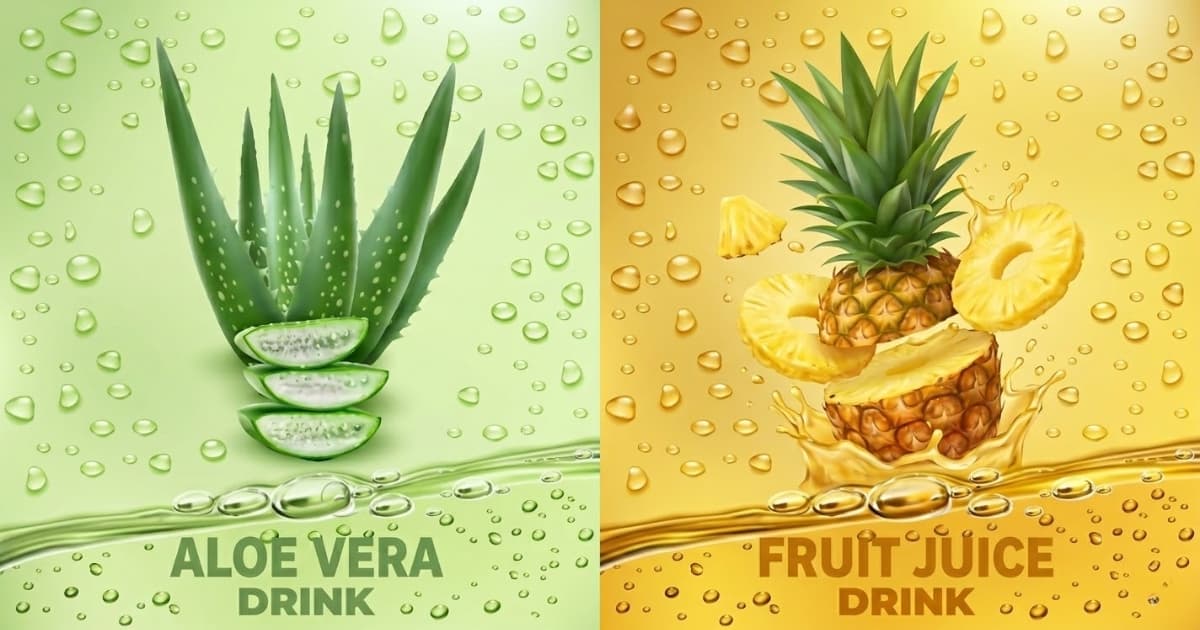
  • Fruit Juice: Produced by pressing or extracting the natural liquid from fruits like oranges, apples, or mangoes. The result is a smooth, familiar liquid texture valued for its authentic fruit flavor. See our complete range at Fruit Juice Drinks
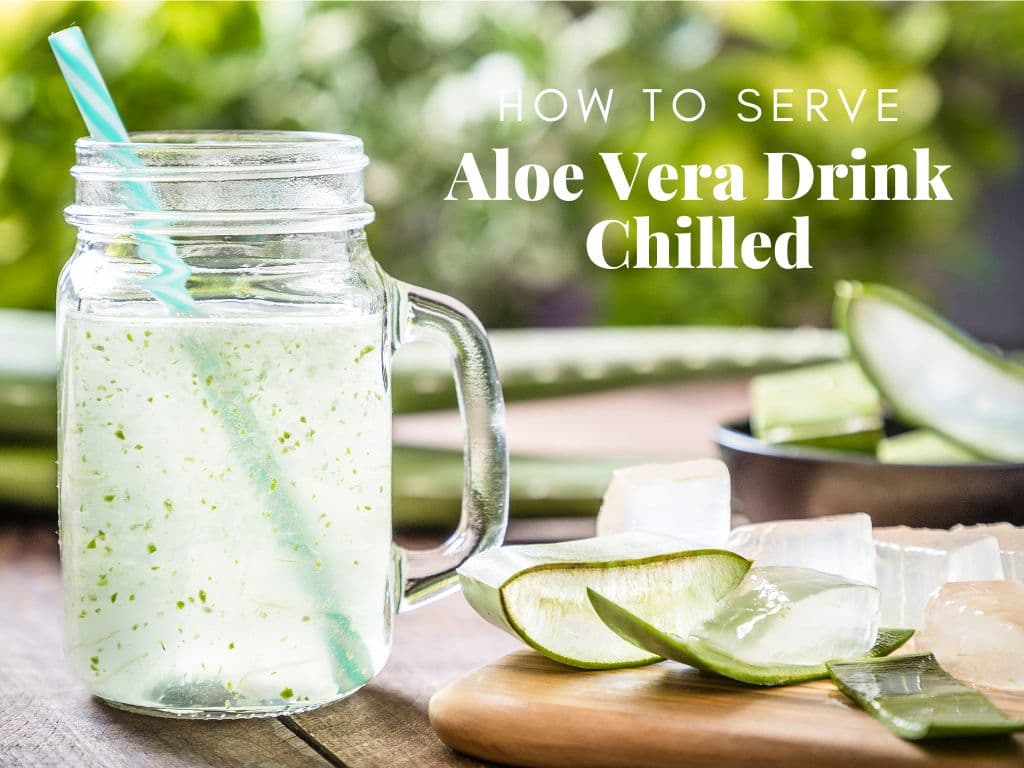
  • Aloe Vera Drink: Crafted using the inner gel of the aloe vera plant leaf. This gel is often processed into a drink that includes pieces of real aloe pulp, creating a unique, slightly chewy texture that provides a more substantial and engaging drinking experience. Explore our selection at Aloe Vera Drinks
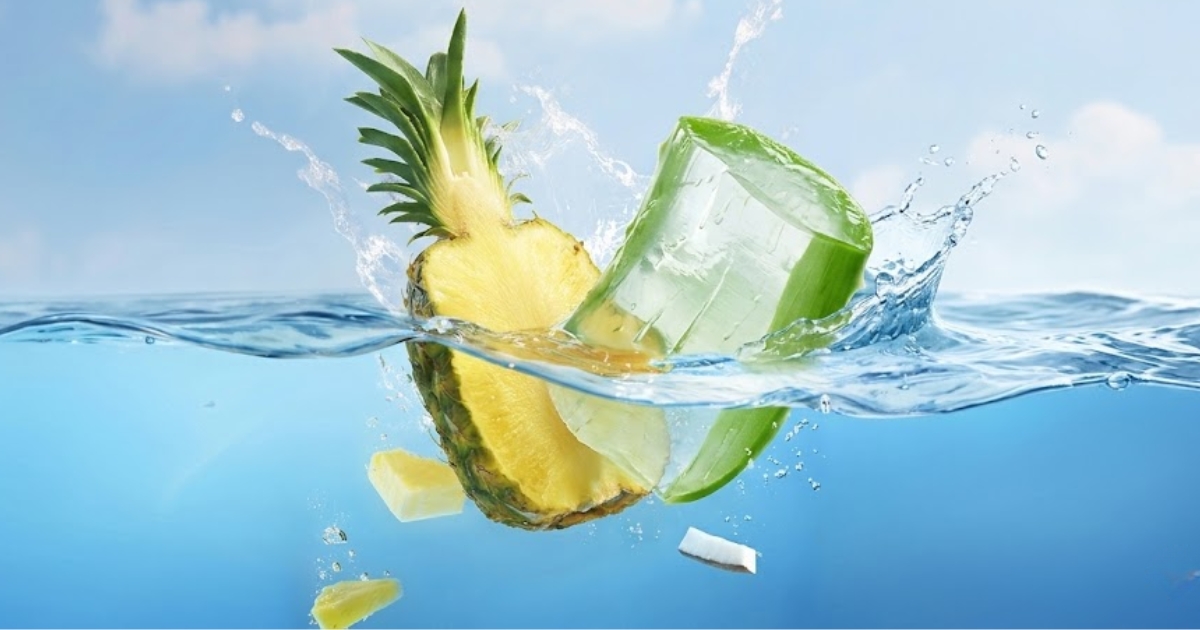
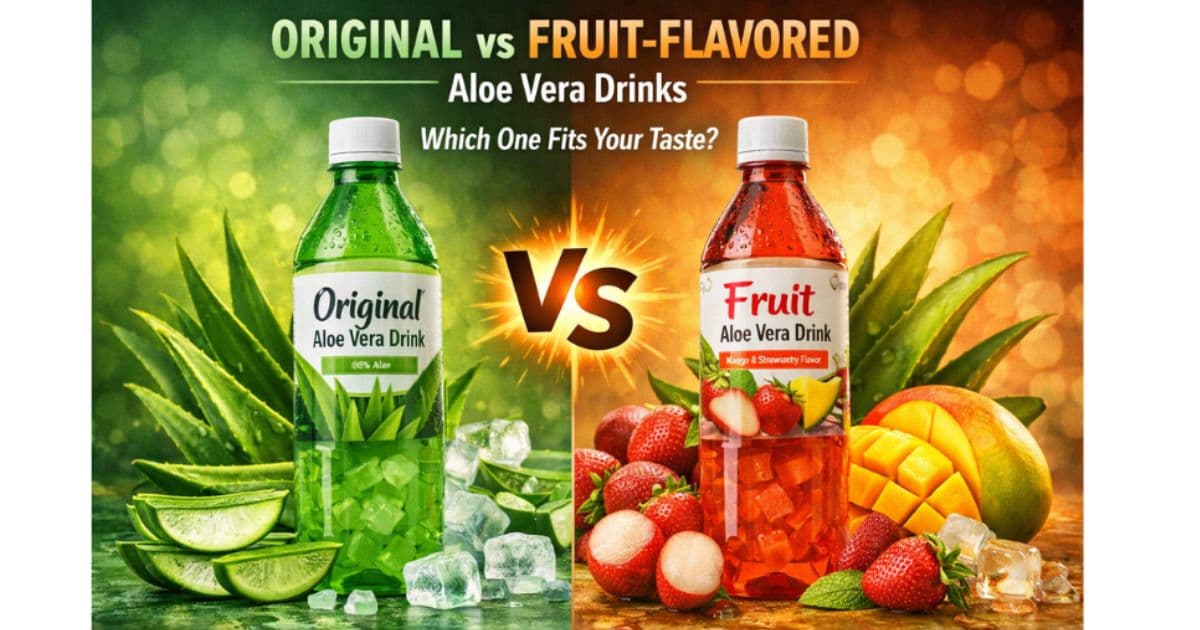
  • Aloe vera drink vs fruit juice comparison showing smooth fruit juice and aloe vera drink with real aloe pulp and unique texture

2. Nutritional Profile and Market Positioning

Each beverage occupies a distinct position in the market based on its nutritional profile and consumer perception.

  • Fruit Juice: Positioned as a traditional source of vitamins (especially Vitamin C) and natural energy. It is a classic, family-friendly staple. However, its higher natural sugar content is a growing consideration for health-conscious consumers.
  • Aloe Vera Drink: Marketed as a functional beverage, prized for its exceptional hydrating properties and association with digestive wellness. Often formulated with lower sugar content, it directly appeals to consumers seeking lighter, healthier, and more functional beverage alternatives.

3. Flavor Profile and Target Audience

The taste and overall experience attract different consumer demographics.

  • Fruit Juice: Delivers a familiar, sweet, and fruit-forward flavor profile. It appeals to a broad audience, including families and consumers seeking classic, comforting tastes.
  • Aloe Vera Drink: Offers a light, crisp, and subtly sweet flavor that is exceptionally refreshing. The addition of pulp creates a modern, premium sensory experience that resonates with health-aware adults and adventurous consumers looking for new textures and functional benefits.
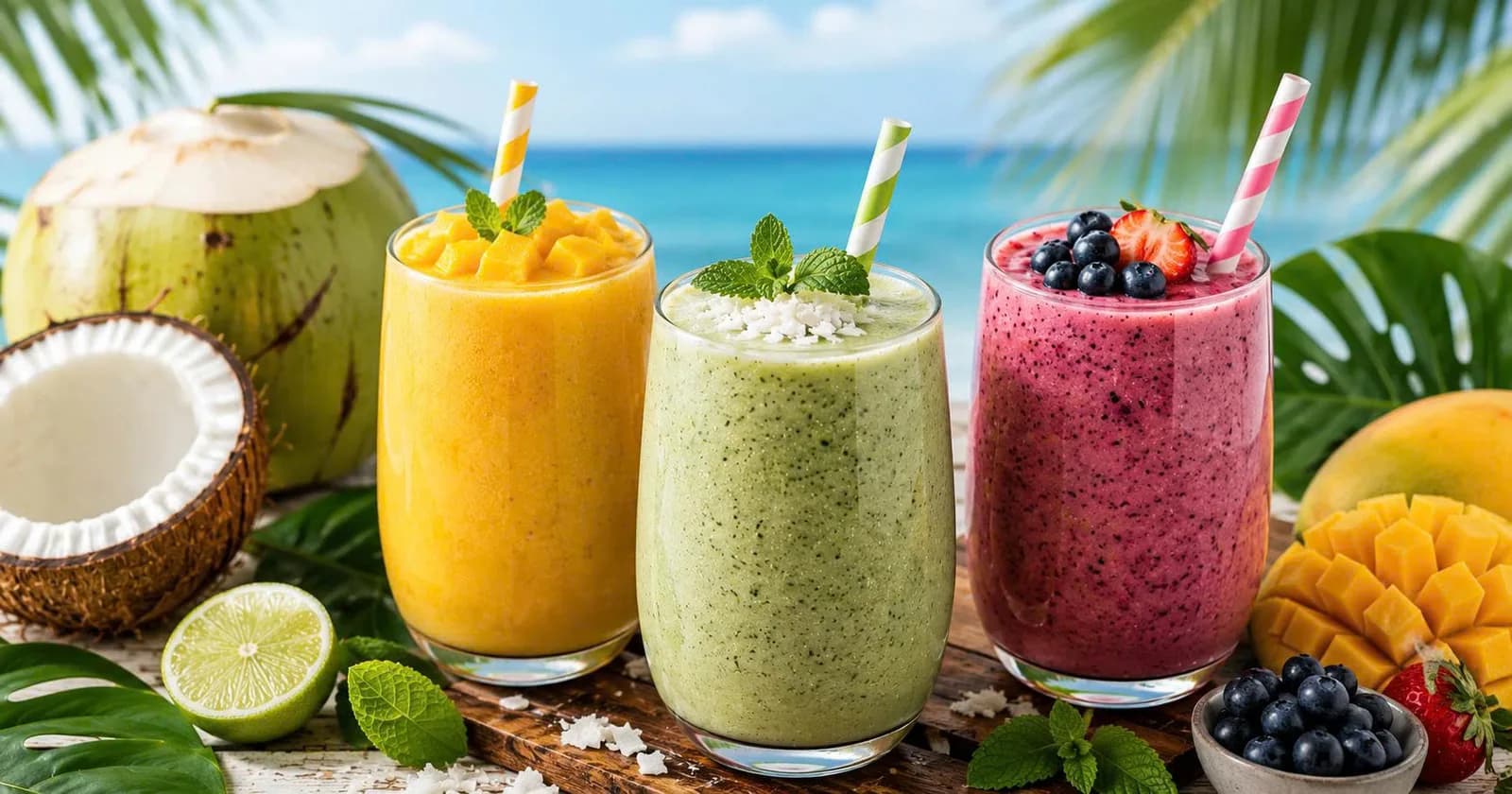
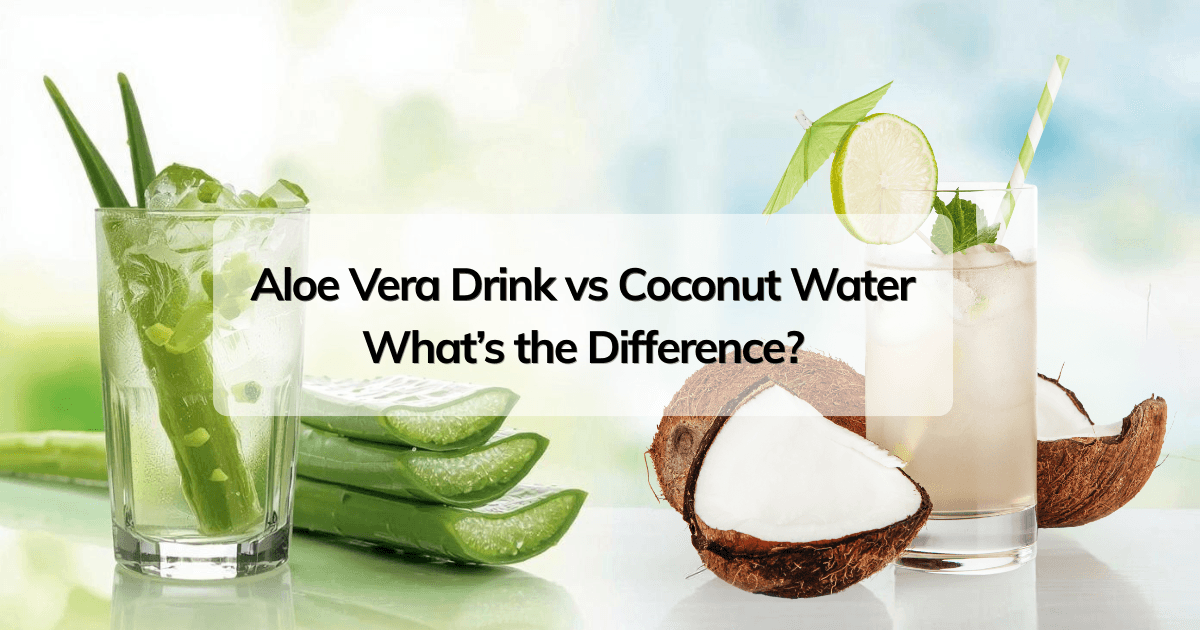
  • Aloe vera drink vs fruit juice taste comparison showing sweet fruit juice and light, refreshing aloe vera drink with modern texture experience

Frequently Asked Questions (FAQ) for Beverage Buyers

What is an aloe vera drink?

An aloe vera drink is a beverage made from the inner gel of the aloe vera plant. It is typically blended with purified water and often includes natural fruit flavors and pieces of aloe pulp. It is positioned as a functional, hydrating beverage with a unique texture.

What is the primary difference between an aloe vera drink and fruit juice?

The primary difference is the core ingredient and market positioning. Fruit juice is derived from fruit and valued for its taste and vitamin content. An aloe vera drink is derived from aloe gel and is valued for its functional properties, such as hydration and digestive wellness, as well as its unique texture and lower sugar profile.

How is a VINUT Aloe Vera Drink produced?

Our process begins with harvesting high-quality aloe vera leaves. The inner gel is carefully extracted, purified to remove bitterness, and then blended with purified water and natural flavors. We include real aloe pulp to enhance the texture and deliver an authentic, premium product.

How should I choose a high-quality aloe vera drink for my inventory?

Look for products with a high percentage of real aloe vera, clear ingredient labeling, and no artificial preservatives. A reliable supplier like VINUT ensures consistent quality, safety compliance, and a product that meets the expectations of discerning modern consumers.

About the Author
V

VINUT Team

Beverage Industry Analyst

The VINUT editorial team brings 15+ years of expertise in Vietnamese beverage manufacturing, global export markets, and B2B industry trends across APAC, EU, and Middle East regions.

Interested in our products?

Request a free sample or contact our sales team.