Entering the European Union (EU) market requires more than a quality product; it demands precise, compliant labeling. For beverage exporters, labeling is not merely a regulatory hurdle but a critical component of a successful market entry strategy. Getting it right from the start prevents costly delays, builds trust with distributors, and meets the high expectations of European retailers and consumers.
1. Core Information: The Foundation of Compliance
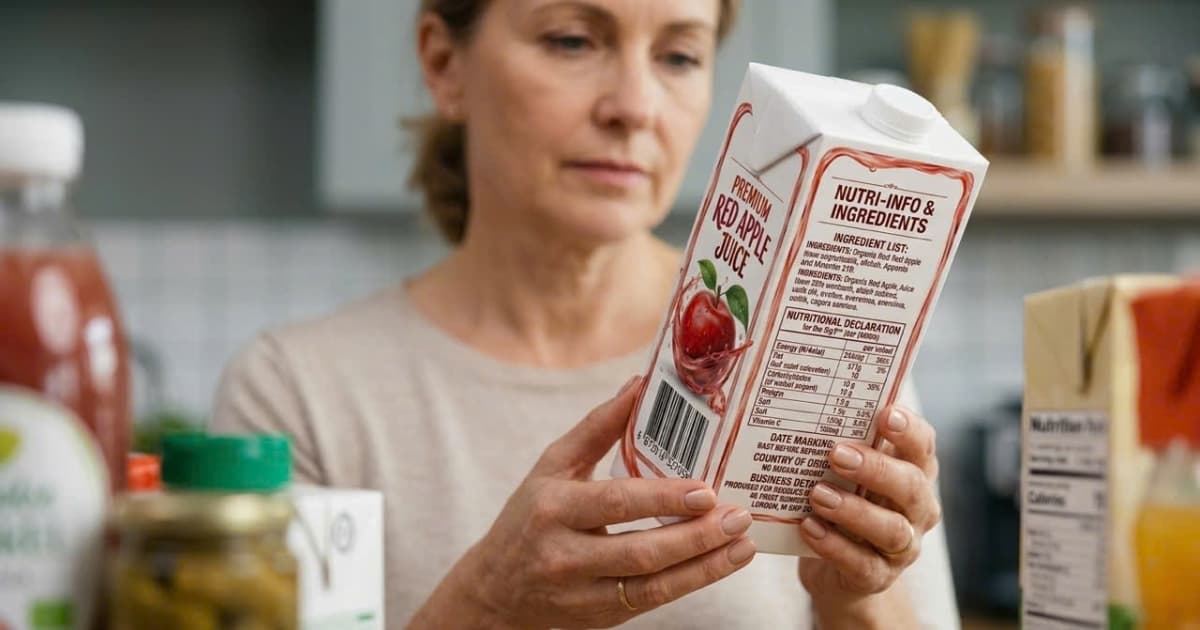
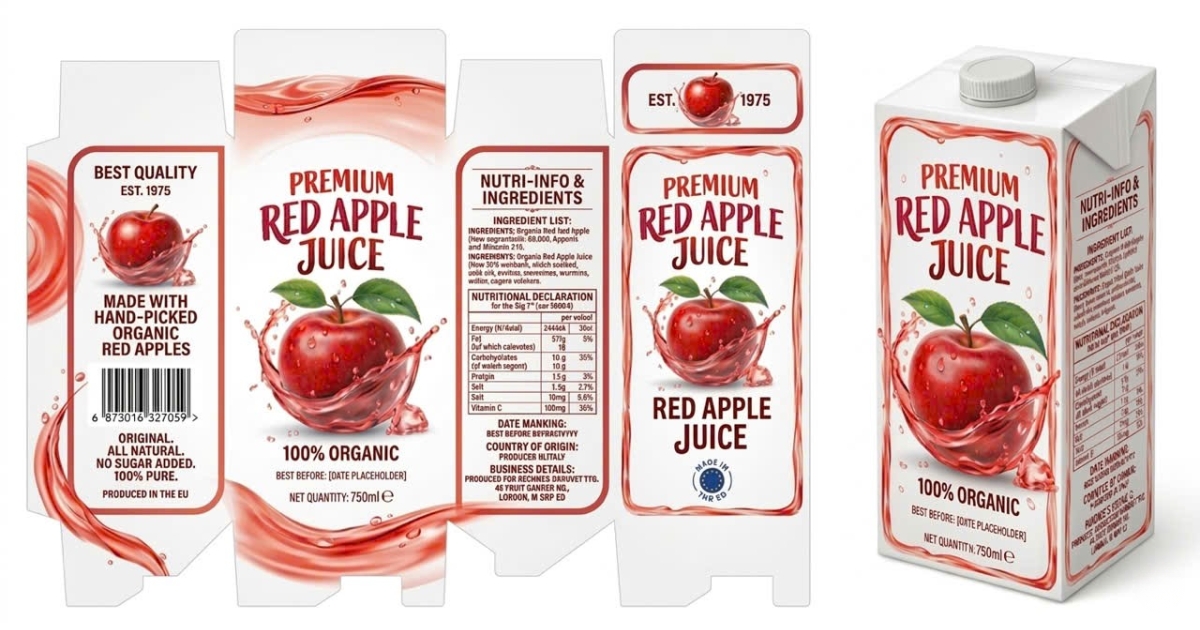
EU regulations mandate absolute transparency to ensure consumer safety and trust. Every beverage label must provide clear, legible, and unambiguous information. Retail buyers scrutinize this as a primary indicator of a supplier's professionalism.
- Product Name: The legal name of the beverage must be clear and not misleading.
- Ingredient List: All ingredients must be listed in descending order of weight, with allergens clearly emphasized.
- Nutritional Information: A mandatory nutritional declaration (the “Big 7”) is required on the back of the pack.
- Net Quantity: The volume of the beverage must be clearly stated.
- Date Marking: A ‘best before’ or ‘use by’ date is essential.
- Country of Origin: Required if its absence could mislead the consumer.
- Business Details: The name and address of the food business operator responsible for the information.
2. Front-of-Pack (FOP) Clarity: Aiding Buyer and Consumer Choice
European retailers increasingly favor products that communicate key attributes instantly. Clear front-of-pack information helps consumers make quick, informed decisions and allows retail buyers to easily categorize products. Vague or exaggerated marketing claims are less effective than straightforward descriptions like “Sparkling Coconut Water” or “100% Pineapple Juice.” Brands that prioritize honesty and clarity on the FOP build greater trust and achieve better on-shelf performance.
3. Sustainability Signals: Meeting Modern Retail Standards
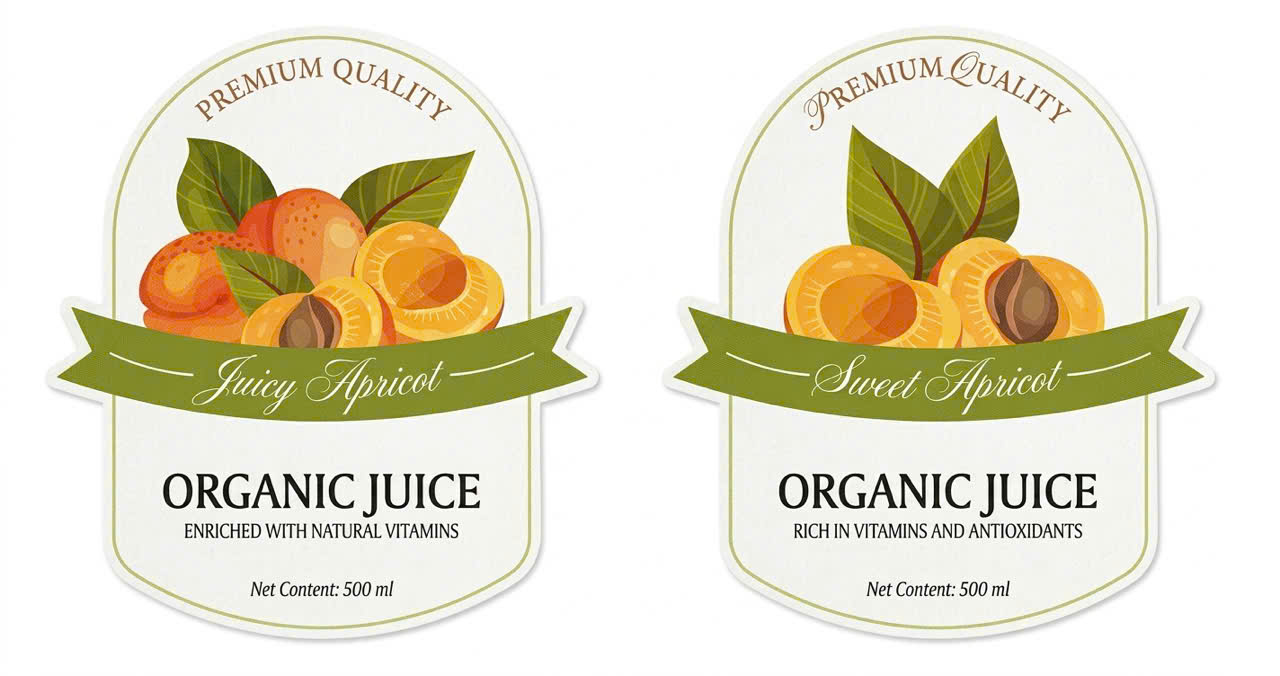
Sustainability is a key consideration for EU buyers. Labeling plays a vital role in communicating a product's environmental credentials. Information regarding packaging materials, recyclability, and responsible sourcing is no longer optional for brands targeting premium retail channels. Labels that are designed with minimal waste and provide clear recycling instructions align with the environmental goals of major European distributors and resonate with a growing base of eco-conscious consumers.
4. Labeling as a Commercial Asset
For export-focused beverage brands, a compliant and well-designed label is a powerful commercial tool. It demonstrates market readiness, attention to detail, and a commitment to quality. By investing in correct labeling before shipment, brands can streamline customs clearance, accelerate buyer approval, and build a foundation for long-term success in the competitive EU market.
5. Frequently Asked Questions (FAQ)
Q: Why is EU beverage labeling so critical for export brands?
A: Compliant labeling is a legal prerequisite for market access. It ensures your product meets strict EU safety and transparency standards, which is essential for building trust with importers, distributors, retailers, and end consumers. Errors can lead to rejected shipments, fines, or delisting.
Q: What are the most common labeling mistakes for non-EU brands to avoid?
A: Common errors include incorrect allergen highlighting, non-compliant nutritional information formats, and making health claims that are not approved by the European Food Safety Authority (EFSA). Using the wrong language or font size for mandatory information is also a frequent issue.
Q: How does label design affect a beverage's performance with European retailers?
A: Retail buyers assess a label's on-shelf impact. They evaluate readability, clarity of the product type, and overall design quality. A clean, professional label that is easy to read from a distance is more likely to secure placement and perform well in a competitive retail environment.
Q: Where can I find the official regulations for EU beverage labeling?
A: The primary regulation is the EU Food Information to Consumers (FIC) Regulation (EU) No 1169/2011. Brands should consult the official text and seek expert guidance to ensure full compliance.