The rise of functional tea is connected to several major beverage trends.
1. Consumers Want More Transparent Ingredients
Modern consumers increasingly read product labels before making purchase decisions.
Instead of looking only at flavor, they compare:
- Sugar content
- Ingredients
- Calories
- Caffeine level
- Product claims
This has encouraged beverage brands to create products with clearer information and simpler ingredient profiles.
For many consumers, transparency builds trust.
2. The Growth of Better-Choice Beverages
Many people are exploring alternatives to heavily sweetened drinks.
Functional tea fits into this movement by offering:
- Familiar tea flavors
- Different sweetness levels
- Refreshing taste
- Convenient packaging
Green tea, black tea, fruit tea, and herbal tea formats allow consumers to choose based on their preferred taste and lifestyle.
The Role of Antioxidants in Tea-Based Beverages
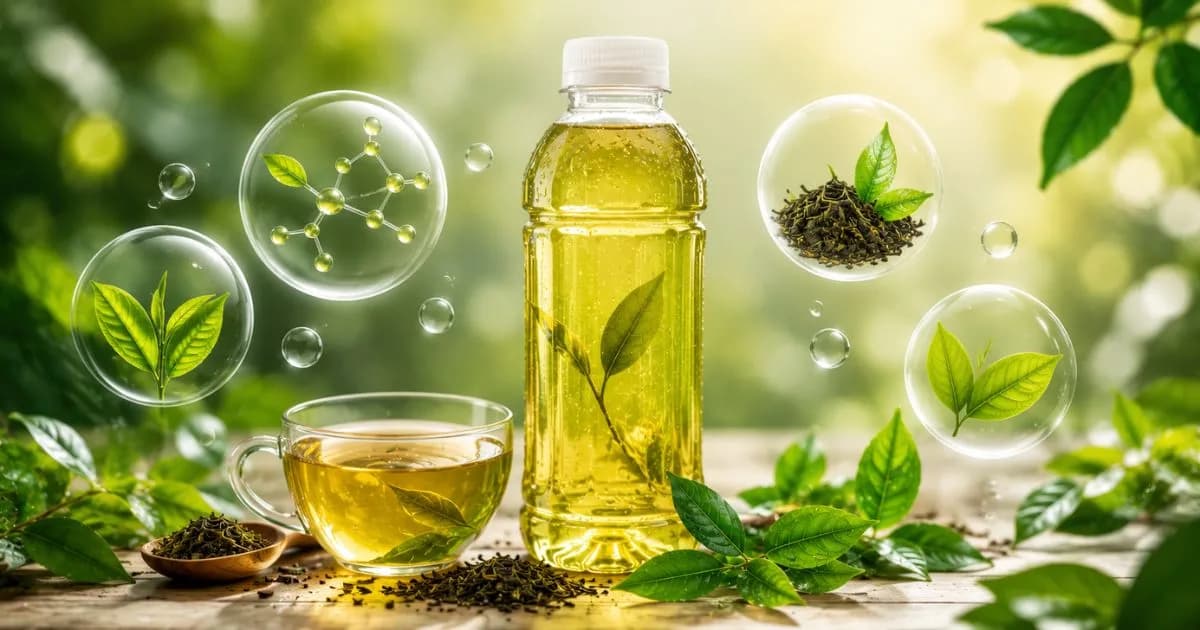
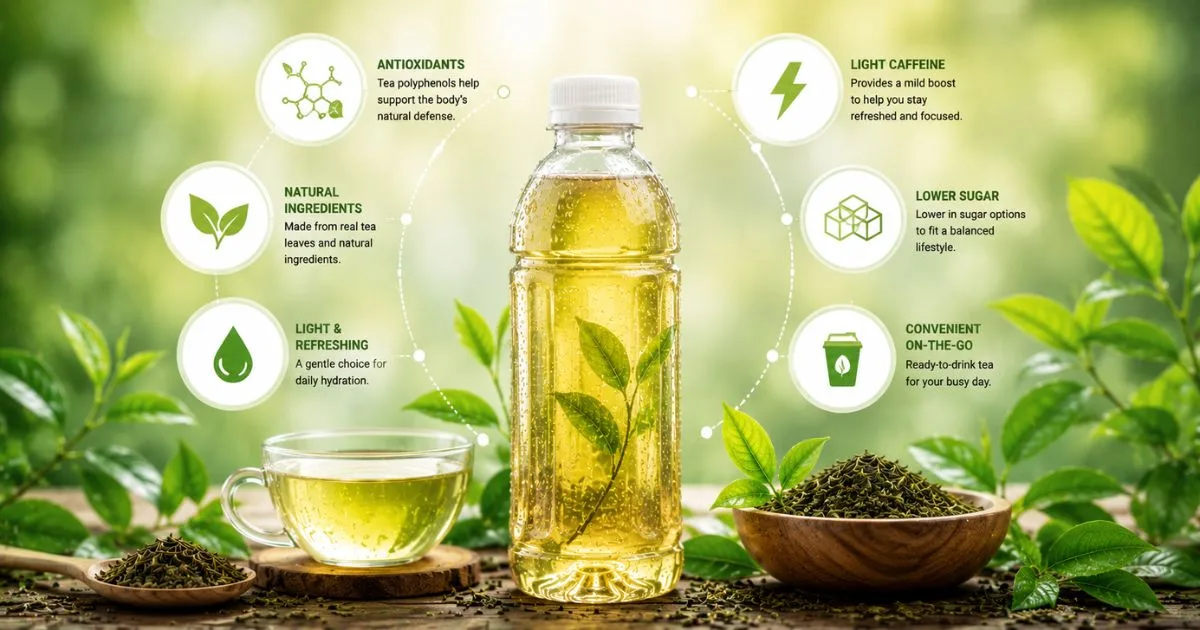
Tea naturally contains plant compounds called polyphenols, which are commonly discussed in relation to antioxidant activity.
Different tea types contain different polyphenol profiles.
Green Tea
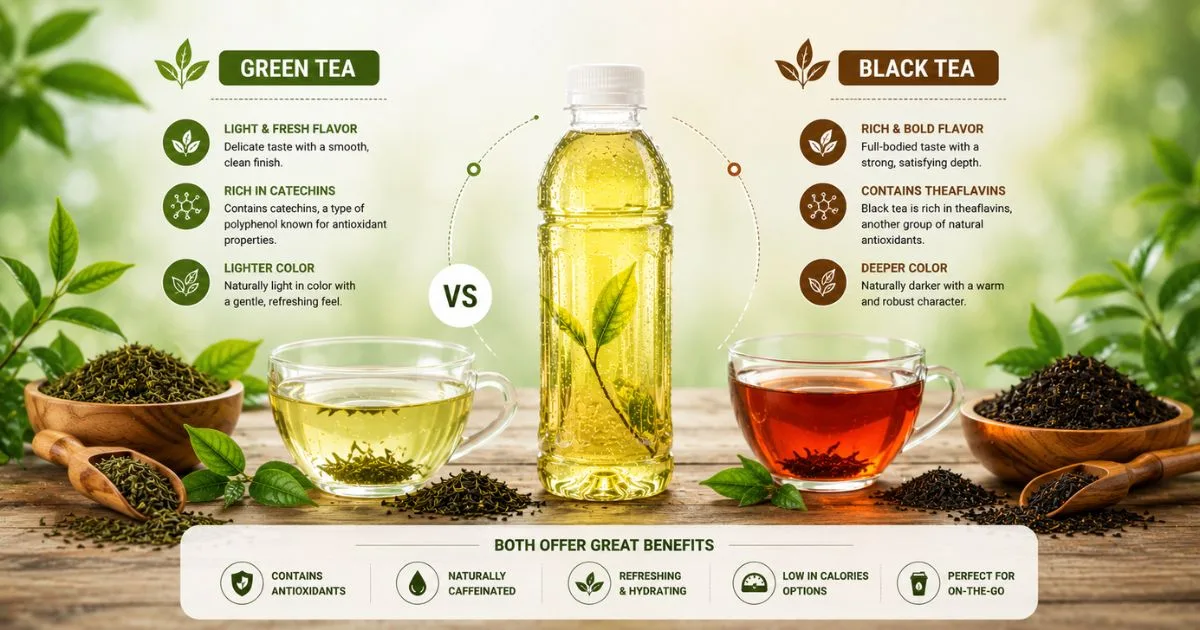
Green tea is known for compounds called catechins, which contribute to its fresh flavor and are often associated with antioxidant properties.
Its taste profile is usually:
- Light
- Fresh
- Slightly vegetal
- Clean
Black Tea
Black tea goes through a different processing method, creating compounds such as theaflavins.
It typically offers:
- Stronger tea notes
- Deeper color
- Richer flavor
Both green tea and black tea can be part of functional beverage categories, depending on formulation and positioning.
Light Caffeine: Why Tea Feels Different From Coffee
Tea naturally contains caffeine, but the experience can feel different compared with coffee or energy drinks.
Caffeine levels vary depending on:
- Tea type
- Brewing method
- Serving size
- Processing method
Green tea and black tea are common examples of naturally caffeinated teas.
Many consumers choose tea because it provides a lighter refreshment moment that fits different occasions, such as:
- Morning routines
- Afternoon breaks
- Work sessions
- Social occasions
For people monitoring caffeine intake, checking product information is always recommended.
Green Tea vs Black Tea: Which One Fits Different Preferences?
Both green tea and black tea have unique characteristics.
| Tea Type | Flavor Profile | Common Consumer Preference |
|---|---|---|
| Green Tea | Fresh, light, clean | Consumers who enjoy a lighter tea experience |
| Black Tea | Bold, rich, deeper taste | Consumers who prefer stronger tea flavors |
In functional beverage development, both varieties provide opportunities to create different taste experiences.
Flavor combinations such as lemon tea, peach tea, and fruit-infused tea also help make tea more approachable for a wider audience.
What Should Consumers Check When Choosing Functional Tea?
Not all functional tea products are the same. Reading the label helps consumers make better choices.
Key factors to review include:
Ingredients List
Look for:
- Tea source
- Sweeteners
- Flavor ingredients
- Additional components
Sugar Information
Check:
- Total sugar
- Added sugar
- Serving size
A product labeled as “functional” does not automatically mean it has low sugar, so nutrition information matters.
Caffeine Information
Consumers who are sensitive to caffeine should check caffeine content when available.
Product Claims
Terms such as:
- Antioxidant
- Natural
- Clean label
- Low sugar
should always be understood based on the actual product information and regulations in each market.
Functional Tea in Modern Retail
Functional tea has become increasingly visible across different channels.
Supermarkets
Retailers often place functional beverages in areas focused on:
- Wellness
- Premium drinks
- Alternative beverages
Convenience Stores
RTD tea works well for on-the-go consumption because it combines portability and convenience.
E-Commerce
Online shopping allows consumers to compare:
- Ingredients
- Nutrition facts
- Product information
This makes education an important part of beverage selection.
Functional Tea Is About Smarter Refreshment ChoicesFunctional tea represents how traditional tea is adapting to modern lifestyles. With growing interest in transparency, balanced sweetness, convenient formats, and mindful consumption, tea-based beverages continue to evolve. Understanding ingredients, nutrition labels, and beverage characteristics helps consumers choose products that best match their personal preferences. Functional tea is not simply about adding new features - it is about creating a more informed and enjoyable way to experience tea. |