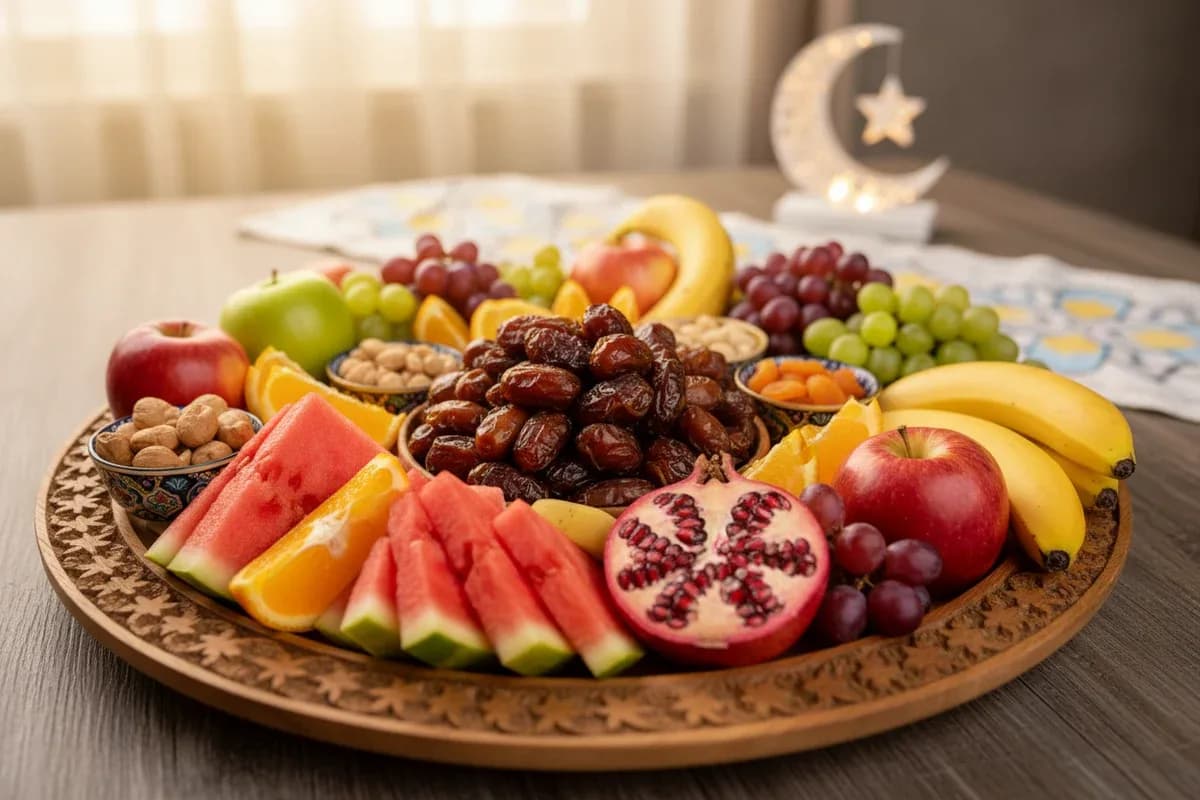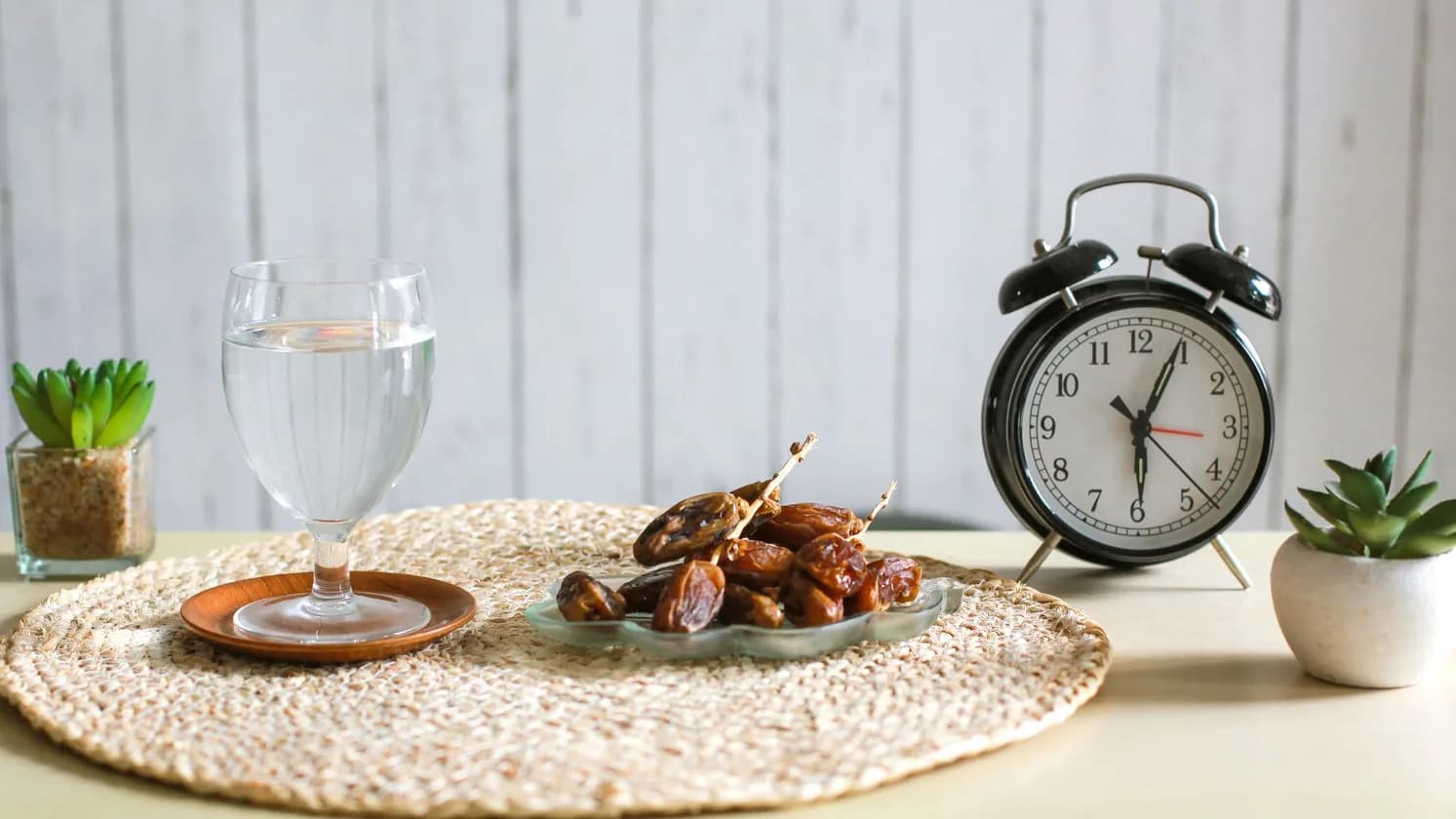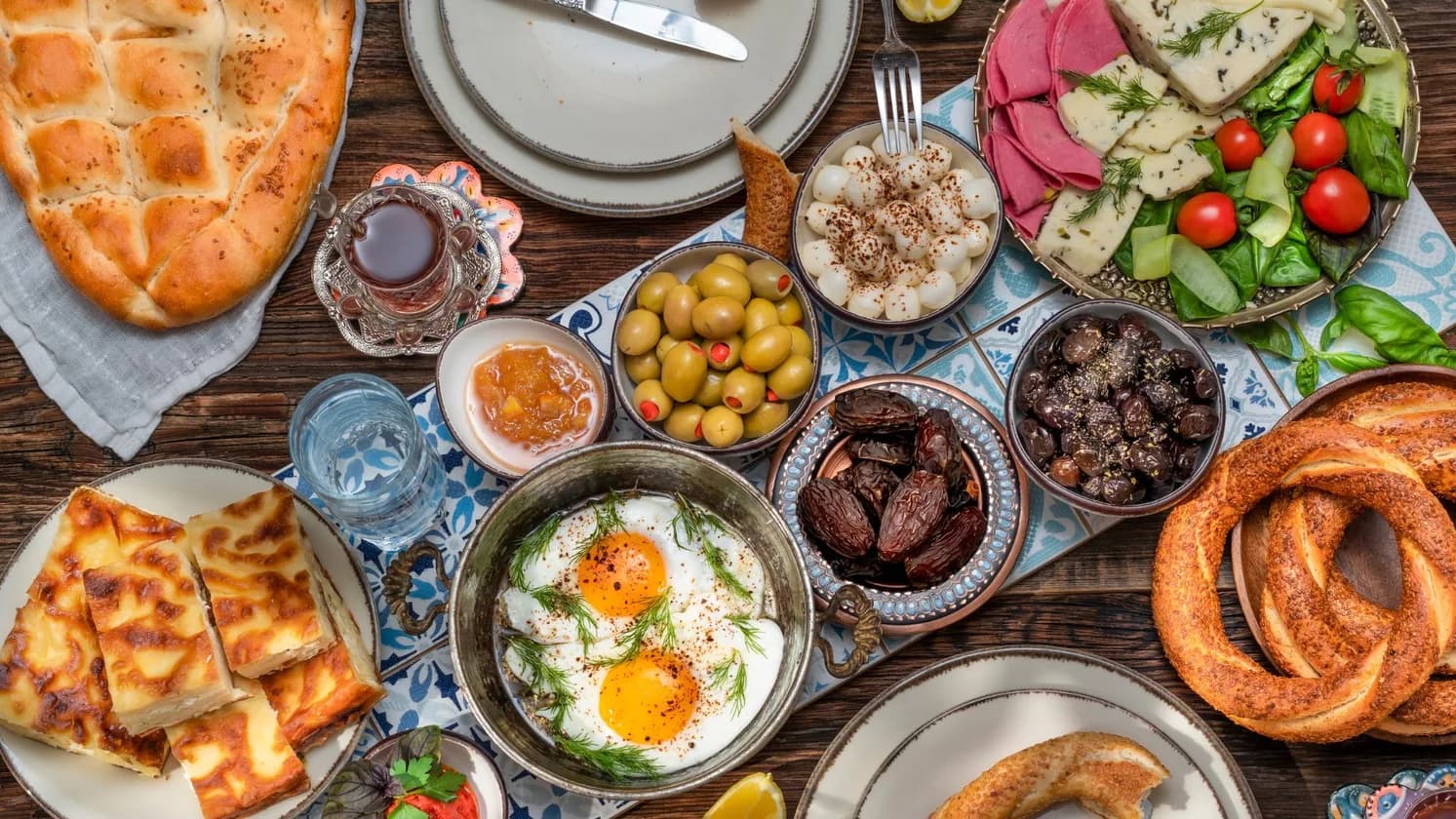

Ramadan changes the timing of meals, but the basic principles of balanced eating remain the same. During this holy month, Muslims who observe the fast do not eat or drink from dawn until sunset. Food and fluids are consumed strictly during non-fasting hours, which include Iftar (the meal that breaks the fast at sunset) and Suhoor (the pre-dawn meal before fasting resumes).
Because the eating window is shorter than usual, knowing the right foods to eat and avoid during Ramadan is essential for maintaining energy, hydration, and overall well-being. A balanced Ramadan eating pattern should prioritize hydrating fluids, vegetables, fruits, whole grains, lean protein, and healthy fats while minimizing items that are overly salty, deep-fried, highly processed, or high in added sugars.
This guide provides practical tips on foods to eat and avoid during Ramadan, helping you build wholesome, nutrient-dense Iftar and Suhoor meals to support your body throughout the fast.
1. Ramadan Nutrition at a Glance
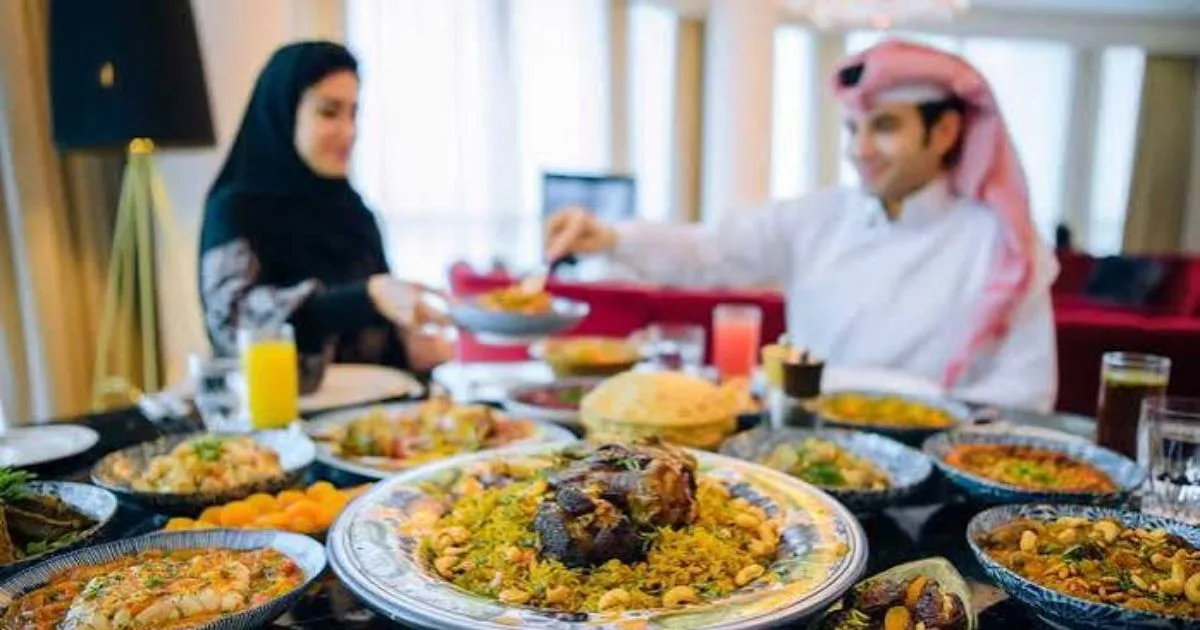
During Ramadan, try to:
- Drink water regularly between Iftar and Suhoor.
- Eat plenty of vegetables.
- Include fresh fruit.
- Choose whole grains and other high-fibre foods.
- Include a source of protein at meals.
- Eat water-rich foods.
- Choose grilling, baking, steaming or similar cooking methods more often.
- Limit highly processed foods.
- Limit deep-fried foods.
- Limit foods and drinks high in added sugar.
- Avoid excessive amounts of salt.
- Eat slowly rather than having a very large meal immediately after fasting.
The goal is not to create a restrictive Ramadan diet. Instead, aim for balance, variety and moderation.
2. What Should You Eat During Ramadan?
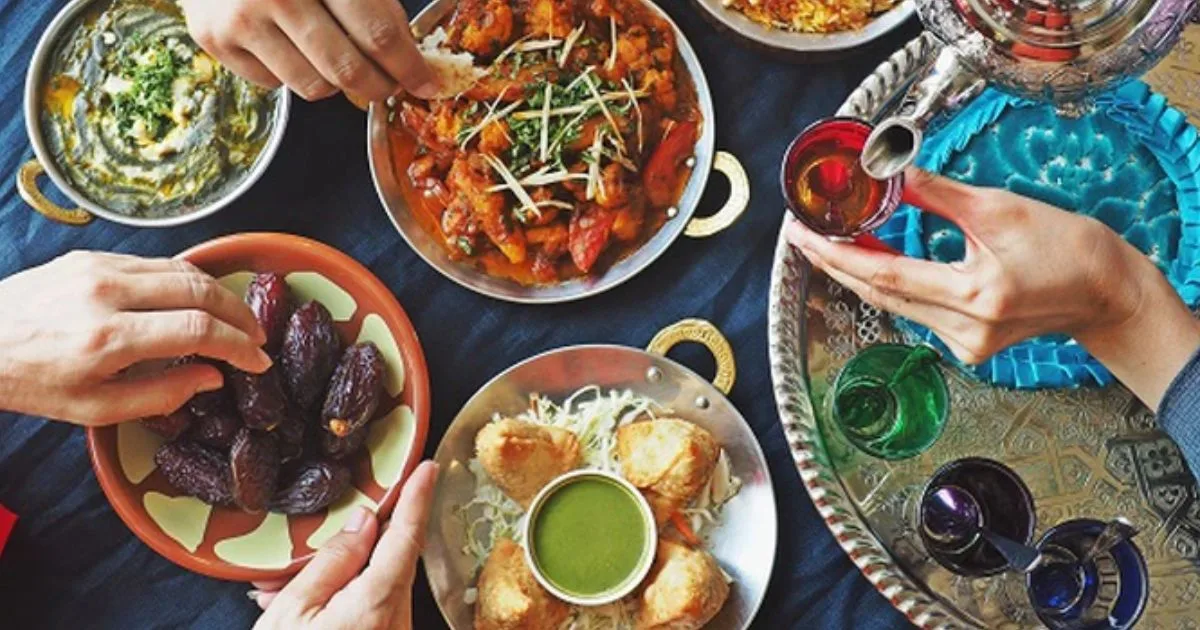
There is no single food or meal plan that everyone should follow during Ramadan. Food traditions differ significantly between countries, cultures and families.
However, several food groups can form the foundation of balanced Iftar and Suhoor meals.
2.1. Vegetables
Vegetables provide vitamins, minerals, fibre and water. Useful choices include:
- Cucumber
- Tomato
- Lettuce
- Spinach
- Carrots
- Peppers
- Eggplant
- Zucchini
- Broccoli
- Cauliflower
- Other seasonal vegetables
Vegetables can be served as:
- Fresh salads
- Soups
- Stews
- Grilled vegetables
- Steamed vegetables
- Roasted vegetables
Try to make vegetables a meaningful part of the meal rather than using them only as a small garnish.
2.2. Fresh Fruit
Fruit provides vitamins, minerals, fibre, naturally occurring sugars and water.
Examples include:
- Watermelon
- Melon
- Oranges
- Apples
- Pears
- Berries
- Grapes
- Bananas
- Mangoes
- Peaches
- Other seasonal fruits
Water-rich fruits such as watermelon and melon can be especially refreshing during the eating period.
Whole fruit generally provides more fibre than fruit juice and can also provide an alternative to large portions of sugary desserts.
2.3. Whole Grains and Higher-Fibre Carbohydrates
Carbohydrates are an important source of energy, while whole grains provide fibre and other nutrients.
Examples include:
- Oats
- Brown rice
- Bulgur
- Whole-grain bread
- Whole-wheat flatbread
- Whole-grain cereals
- Whole-grain pasta
- Barley
- Other traditional whole grains
Whole-grain and high-fibre foods may also support digestive health during Ramadan.
This does not mean traditional white rice or bread must be completely avoided. The overall balance of the meal matters more than a single food.
2.4. Protein-Rich Foods
Include a source of protein as part of Iftar and Suhoor.
Animal Sources
Options can include:
- Fish
- Chicken
- Lean meat
- Eggs
- Milk
- Yogurt
- Lower-salt cheese
Plant Sources
Plant-based options include:
- Lentils
- Beans
- Chickpeas
- Peas
- Tofu
- Nuts
- Seeds
The source recommends grilled or baked lean meats, skinless chicken and fish as protein options during Ramadan. Beans, lentils and chickpeas can also provide protein together with carbohydrates and fibre.
2.5. Water-Rich Foods
Hydration during Ramadan does not come only from drinks. Foods containing significant amounts of water can contribute to overall fluid intake.
Examples include:
- Soup
- Watermelon
- Melon
- Cucumber
- Tomato
- Lettuce
- Yogurt
- Stews
- Fresh fruit
These foods can be particularly useful at Iftar and Suhoor. However, water should still remain the main source of hydration.
2.6. Healthy Fats in Moderate Amounts
Unsaturated fats can form part of a balanced diet.
Sources include:
- Olive oil
- Nuts
- Seeds
- Avocado
- Tahini
These foods are nutrient-dense but also energy-dense, so moderate portions are usually sufficient.
3. What Should You Eat at Iftar?
Iftar is the meal eaten after sunset to break the daily fast.
After many hours without food or fluids, it can be tempting to eat a very large meal immediately. A more balanced approach is to start gradually.
A simple Iftar structure might be:
Water → Dates → Soup or Salad → Main Meal → Fruit
For example:
- Water
- Dates
- Lentil soup
- Mixed salad
- Grilled chicken
- Rice or bulgur
- Cooked vegetables
- Fresh fruit
Another option could include:
- Water
- Dates
- Vegetable soup
- Chickpea salad
- Whole-grain bread
- Yogurt
- Fruit
There is no single correct Iftar menu. Regional cuisine and family traditions can easily be incorporated into a balanced meal.
4. Are Dates Good for Iftar?
Dates are strongly associated with Ramadan and are commonly used to break the fast.
They provide carbohydrates and fibre as well as minerals, so they can form part of Iftar. However, dates are naturally concentrated in sugar and energy, so more is not necessarily better.
They can be enjoyed as part of the meal rather than treated as an unlimited food.
5. What Should You Eat at Suhoor?
Suhoor is the meal eaten before dawn, before the daily fast begins.
A useful Suhoor structure is:
Water + Carbohydrate + Protein + Fruit or Vegetables
The source recommends keeping Suhoor light but nutritious.
5.1. Option 1
- Water
- Oats
- Yogurt
- Banana
- Nuts
5.2. Option 2
- Water
- Whole-grain bread
- Eggs
- Cucumber
- Tomato
- Fresh fruit
5.3. Option 3
- Water
- Rice
- Lentils
- Vegetables
- Yogurt
5.4. Option 4
- Water
- Whole-grain flatbread
- Hummus
- Egg
- Vegetables
- Fruit
Suhoor does not need to be a very large meal to be useful.
6. Foods to Limit During Ramadan
The word “avoid” is often used in nutrition articles, but complete avoidance is not necessary for most foods.
A more practical approach is to identify foods that are better eaten less frequently or in smaller quantities.
6.1. Deep-Fried Foods
Fried foods are part of Ramadan traditions in many countries. Examples may include:
- Fried pastries
- Fried potato dishes
- Fried meat
- Fried chicken
- Deep-fried snacks
- Traditional Ramadan appetizers
These foods can contain large amounts of added fat, and eating large quantities every evening can make the overall diet less balanced.
Consider using cooking methods such as:
- Baking
- Grilling
- Steaming
- Roasting
- Cooking in sauce
- Light stir-frying
Traditional fried foods can still be enjoyed occasionally without becoming the main component of every Iftar.
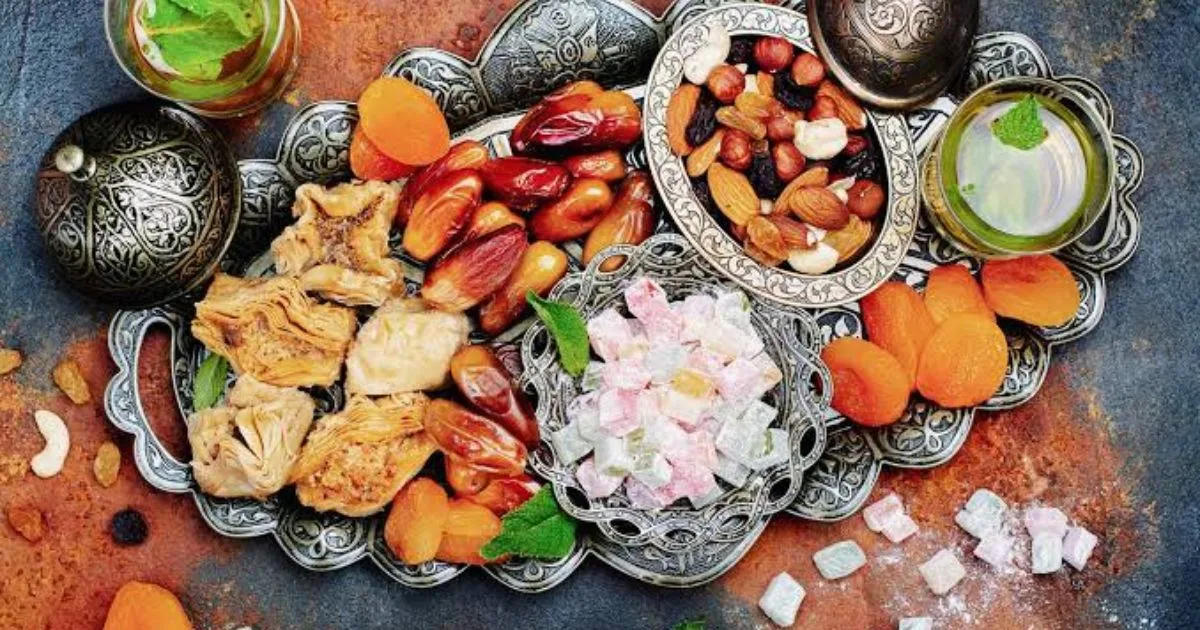
6.2. Foods High in Added Sugar
Ramadan is associated with many traditional desserts and sweet drinks. These foods often play an important cultural and social role.
However, large amounts of added sugar should be limited.
Examples include:
- Syrup-soaked desserts
- Cakes
- Pastries
- Candy
- Sweetened drinks
- Soft drinks
- Heavily sweetened tea or coffee
- Sweetened fruit beverages
Fresh fruit can provide a lighter dessert option on some evenings.
Traditional desserts do not need to disappear from Ramadan. The key is portion size and frequency.
6.3. Sugary Drinks
Sugary beverages can add substantial amounts of sugar without providing the same fibre as whole fruit.
Examples include:
- Soft drinks
- Sweetened juices
- Syrup-based drinks
- Energy drinks
- Sweetened tea
- Sweetened coffee drinks
Water should remain the main hydration drink between Iftar and Suhoor.
6.4. Very Salty Foods
Eating large amounts of salt can increase thirst, which may be particularly uncomfortable before a day of fasting.
Foods that may contain substantial amounts of sodium include:
- Processed meats
- Sausages
- Salted meat or fish
- Very salty cheese
- Pickles
- Olives
- Packaged snacks
- Crackers
- Instant foods
- Commercial sauces
Salt intake is particularly worth watching at Suhoor. Instead of relying heavily on salt, herbs and spices can add flavour to meals.
6.5. Highly Processed Foods
Some highly processed foods are high in:
- Sodium
- Added sugars
- Unhealthy fats
Examples may include:
- Packaged snacks
- Processed meats
- Certain ready meals
- Pastries
- Cookies
- Confectionery
These foods do not need to be completely excluded, but they should not displace fruits, vegetables, whole grains and other nutrient-rich foods.
6.6. Very Fatty Foods
Meals containing large quantities of fatty meat, butter, ghee, cream or pastry fats can feel heavy, particularly after a long fast.
Try balancing richer traditional dishes with:
- Vegetables
- Salads
- Soups
- Leaner protein
- Whole grains
- Fruit
The aim is not to remove traditional foods but to create a more balanced overall meal.
7. Should You Avoid Coffee and Tea During Ramadan?
Not necessarily.
Coffee and tea can be consumed during non-fasting hours. However, the source notes that Ramadan guidance advises limiting caffeinated drinks because caffeine may increase urination in some people.
People who regularly consume caffeine should also be aware that suddenly reducing intake can contribute to headaches or tiredness.
Water should remain an important source of fluids.
8. Foods That May Increase Thirst
Several factors can make thirst more noticeable during fasting.
Foods worth moderating include:
- Very salty foods
- Processed meats
- Salty snacks
- Pickles
- Salty cheese
- Very sweet foods
A heavily salted Suhoor may be particularly uncomfortable during the following day's fast.
9. Foods That May Help With Fullness
No food can guarantee that a person will not feel hungry during fasting.
However, meals containing protein and fibre may be more satisfying than meals based mainly on refined carbohydrates and sweets.
Useful options include:
- Oats
- Whole grains
- Lentils
- Beans
- Chickpeas
- Eggs
- Yogurt
- Vegetables
- Fruit
- Nuts
- Seeds
Combining food groups is generally more practical than searching for one “magic” food.
For example:
Oats + Yogurt + Fruit + Nuts
can provide a more balanced Suhoor than a meal consisting only of sweet pastries.
10. Should You Eat a Large Iftar to Make Up for Fasting?
No.
Fasting during the day does not mean that an extremely large meal is required immediately after sunset.
The source recommends eating slowly and avoiding overeating at Iftar. Very large meals can cause discomfort and may contribute to heartburn.
A more comfortable approach is:
- Break the fast.
- Drink water.
- Begin eating gradually.
- Eat slowly.
- Stop when comfortably satisfied.
Food can continue to be consumed during the remaining non-fasting hours if needed.
11. How to Build a Balanced Ramadan Plate
A simple way to think about the main meal is:
Vegetables + Protein + Carbohydrate + Water
| Component | Examples |
|---|---|
| Vegetables | Salad, grilled vegetables, vegetable soup |
| Protein | Fish, chicken, eggs, lentils, beans |
| Carbohydrate | Rice, bread, bulgur, potatoes, whole grains |
| Hydration | Water, soup, water-rich foods |
| Dessert | Fresh fruit or a moderate portion of traditional dessert |
The exact proportions do not need to be rigid. The principle is to include a variety of food groups rather than allowing one type of food to dominate the meal.
12. Traditional Ramadan Foods Can Still Be Part of a Balanced Diet
Healthy Ramadan eating does not mean abandoning cultural food traditions.
Ramadan food is remarkably diverse. An Iftar table in Morocco can look very different from one in Saudi Arabia, Turkey, Pakistan, Indonesia or Malaysia.
Traditional Ramadan foods can include:
- Soups
- Rice dishes
- Breads
- Meat
- Fish
- Lentils
- Dates
- Fruit
- Milk-based foods
- Traditional beverages
- Desserts
The important question is not whether a food is traditional. It is how frequently it is eaten, how much is consumed and what else is included in the overall diet.
A fried appetizer or traditional sweet can be part of an otherwise balanced Iftar.
13. What About Fruit Juice?
Fruit juice contributes fluid and some nutrients. However, even juice without added sugar contains free sugars and has less fibre than whole fruit.
The source recommends limiting free sugars, including those found in fruit juices.
Whole fruit can therefore be a better regular choice. Juice can still be enjoyed, but it should not replace water as the main hydration drink.
14. What About People With Medical Conditions?
General Ramadan nutrition advice is not appropriate for everyone.
Individual medical advice may be necessary for people with:
- Diabetes
- Kidney disease
- Heart disease
- Gastrointestinal conditions
- Conditions affecting fluid balance
- Other chronic illnesses
Pregnancy and breastfeeding may also require individual assessment.
Some medications also need to be taken with food or at particular times. People with health conditions should discuss Ramadan fasting with an appropriate healthcare professional.
The source also notes that Islam provides exemptions from fasting in certain circumstances. Questions about religious requirements should be discussed with a qualified Islamic scholar.
15. Frequently Asked Questions
15.1 What are the best foods to eat during Ramadan?
A balanced Ramadan diet can include vegetables, fruit, whole grains, protein-rich foods, water-rich foods and moderate amounts of healthy fats.
15.2 What foods should you avoid during Ramadan?
Most foods do not need to be completely avoided. However, it is sensible to limit deep-fried foods, foods high in added sugar, very salty foods, highly processed foods and excessive amounts of fatty foods.
15.3 What should I eat for Iftar?
A balanced Iftar can combine water, vegetables, a source of protein, carbohydrate foods and fruit.
15.4 What should I eat for Suhoor?
Try combining water, higher-fibre carbohydrates, protein and fruits or vegetables.
15.5 What foods help you stay full during Ramadan?
Foods containing fibre and protein, such as oats, whole grains, legumes, eggs, yogurt, vegetables, fruits, nuts and seeds, can contribute to a satisfying meal.
15.6 What foods make you thirsty during fasting?
Foods containing a large amount of salt may increase thirst. This includes salty snacks, processed meats, pickles and some cheeses.
15.7 Is fried food allowed during Ramadan?
Yes. There is no general nutritional rule requiring fried food to be completely excluded. From a health perspective, however, frequent or large portions of fried foods are better limited.
15.8 Can you eat sweets during Ramadan?
Yes. Traditional sweets can be enjoyed in moderation. Foods high in added sugar are better eaten in smaller portions and less frequently.
15.9 What is the best drink during Ramadan?
Water should be the main drink for hydration during the non-fasting hours between Iftar and Suhoor.
Healthy Ramadan eating does not require a special diet. A useful principle is: Drink water. Eat vegetables and fruit. Include whole grains and protein. Choose less fried and processed food. Limit excessive sugar and salt. Eat slowly and enjoy traditional foods in moderation. Ramadan is also about much more than nutrition. Iftar and Suhoor connect food with worship, family, hospitality and community. A balanced approach allows people to enjoy those traditions while making thoughtful choices about what they eat during the non-fasting hours. |