Ramadan Food Traditions in UAE, Saudi Arabia, Egypt and Indonesia
Ramadan is observed by Muslims around the world, but there is no single “Ramadan menu.” The principles of fasting are shared: Muslims who observe the fast refrain from food and drink from dawn until sunset, break the fast with Iftar, and may eat a pre-dawn meal called Suhoor.
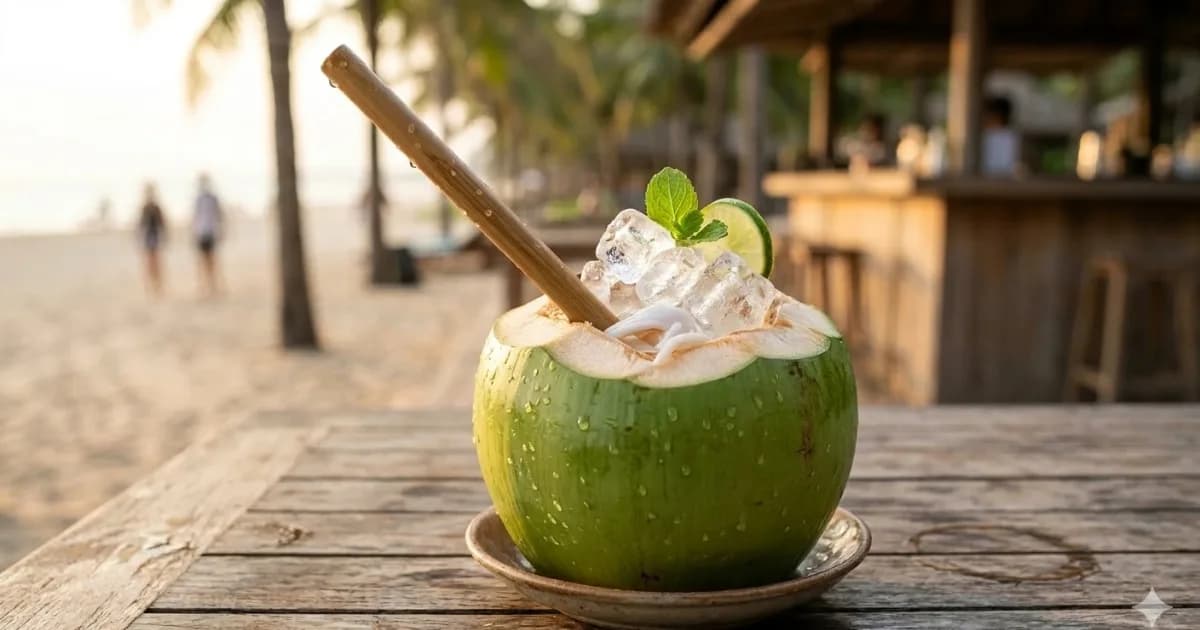
What appears on the table, however, can be completely different from one country to another. In the United Arab Emirates, an Iftar table may include harees, thareed and luqaimat. Saudi Arabia has its own highly regional food traditions, from sambusa and jareesh to foul and tamees. Egyptian Ramadan tables are closely associated with mahshi, traditional drinks, kunafa and qatayef. Thousands of kilometres away, Indonesians prepare takjil, kolak and an extraordinary variety of regional foods for buka puasa, the breaking of the fast.
Exploring Ramadan food traditions therefore offers a fascinating way to understand how religion, geography, agriculture and local history come together around the Iftar table.
1. Ramadan Food Traditions at a Glance
| Country | Foods Commonly Associated with Ramadan |
|---|---|
| UAE | Dates, harees, thareed, regag, machboos, luqaimat, gahwa |
| Saudi Arabia | Dates, Saudi coffee, sambusa, soups, jareesh, foul, tamees, luqaimat, sobia |
| Egypt | Mahshi, foul, soups, meat dishes, kunafa, qatayef, tamarind and carob drinks |
| Indonesia | Takjil, kolak, dates, iced fruit drinks, regional porridges, rice dishes and traditional snacks |
These are examples rather than fixed menus. Ramadan foods vary between regions, cities, households and generations.
2. Ramadan Food Traditions in the UAE
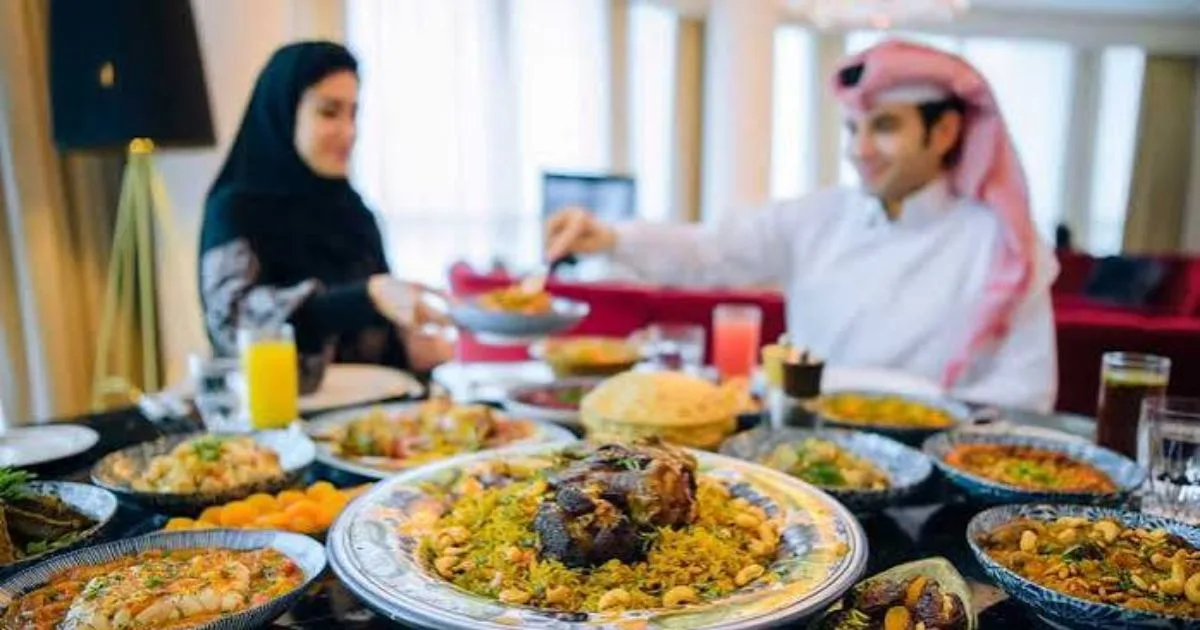
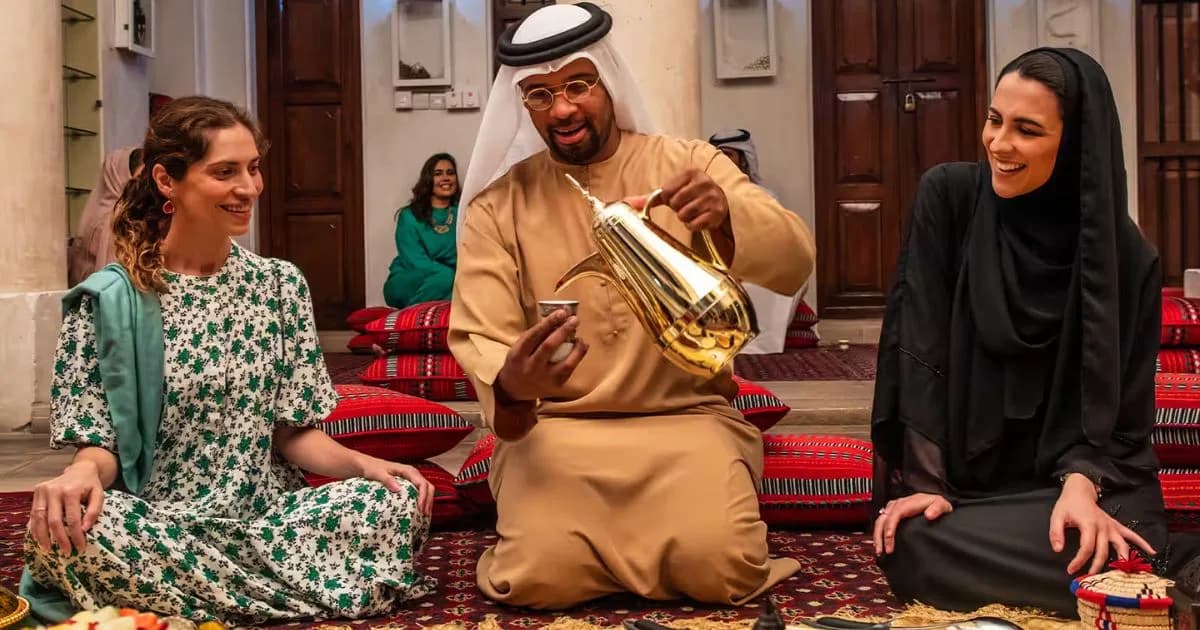
Ramadan food culture in the United Arab Emirates is closely connected with hospitality, family gatherings and sharing.
Iftar and Suhoor are important family occasions that provide time for relatives to gather, reflect and reconnect. Traditional Iftar can also follow different stages around the Maghrib and Taraweeh prayers.
2.1. How Is Iftar Traditionally Started in the UAE?
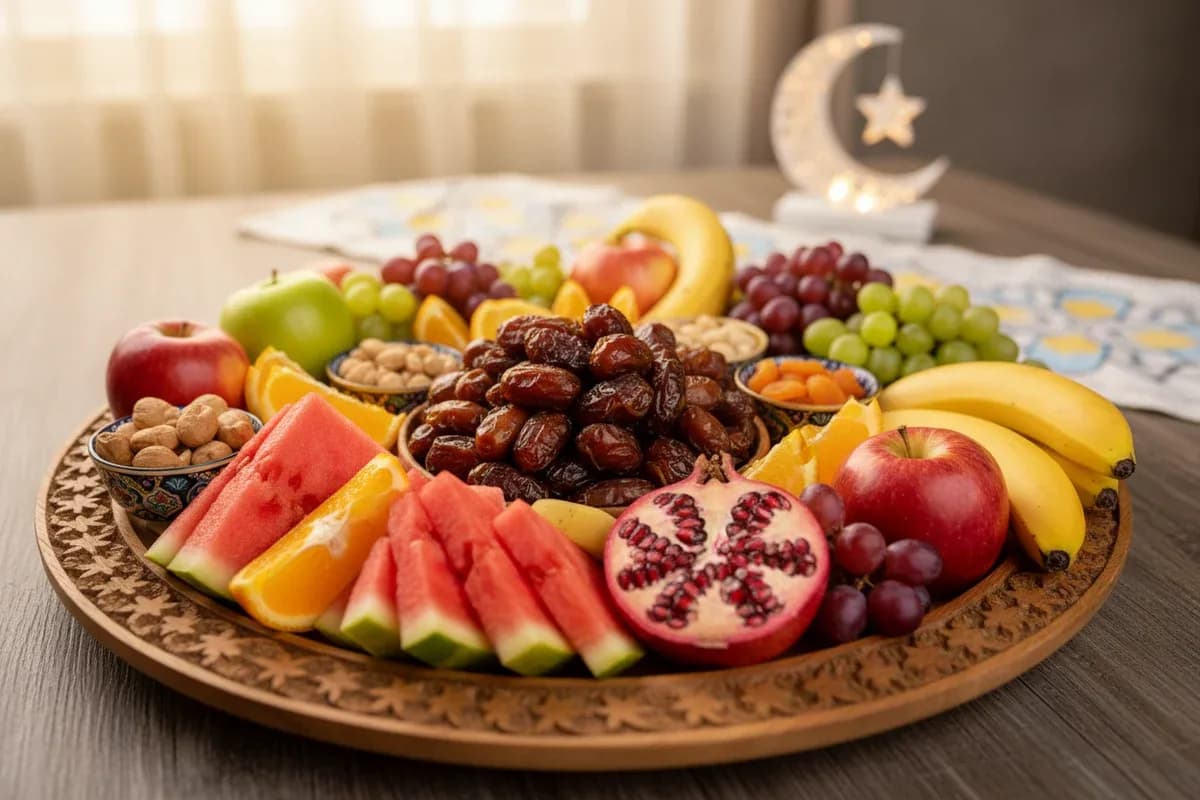
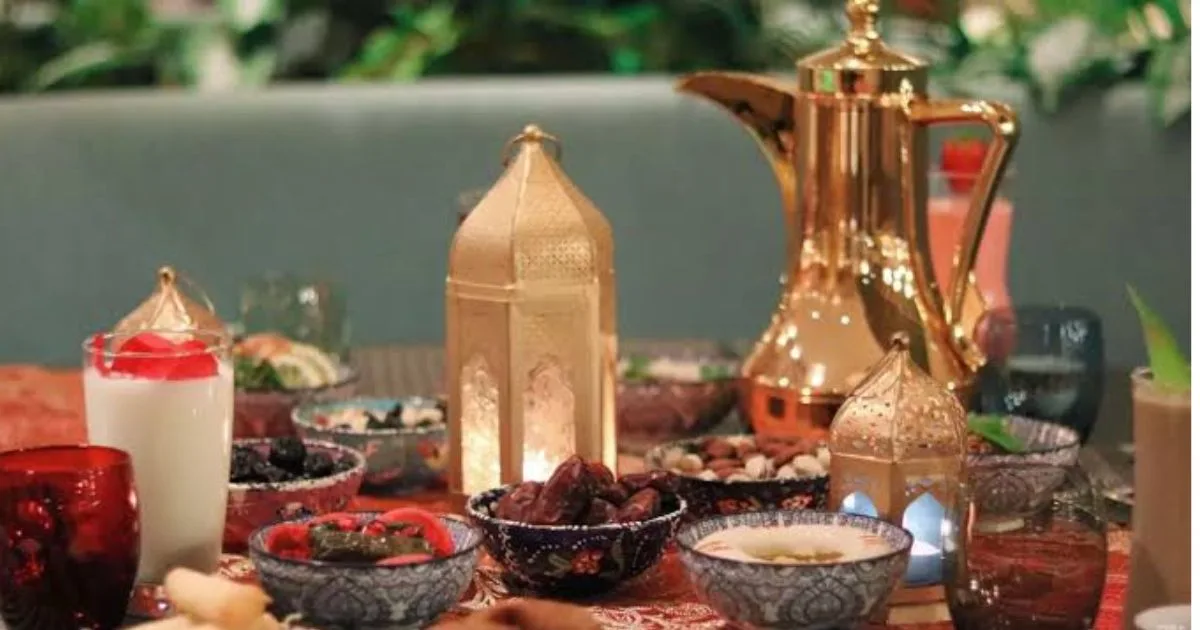
Dates and drinks commonly play an important role when breaking the fast.
Gahwa, Arabic coffee typically flavored with cardamom and sometimes saffron, has a broader place in Emirati hospitality and is frequently served alongside dates.
After the initial breaking of the fast and prayer, a larger meal may follow. Traditional Ramadan foods can include several distinctly Emirati dishes.
2.2. Harees
Harees is one of the foods most strongly associated with Ramadan in the UAE.
It is made by slowly cooking wheat together with meat until the ingredients develop a smooth, porridge-like texture.
The dish requires long cooking and relatively simple ingredients, yet it has an important place in Emirati celebrations and Ramadan meals.
2.3. Thareed
Thareed combines bread with a slow-cooked meat and vegetable stew.
Traditional Emirati flatbread absorbs the broth, creating a soft layered dish designed to be shared.
Thareed is particularly associated with significant family meals, including Iftar.
2.4. Regag
Regag is a thin, crisp Emirati bread.
It can accompany dishes such as thareed and is widely served in Emirati homes during Ramadan.
Bread is important in many Ramadan cuisines, but the type of bread and the way it is eaten reflect local traditions.
2.5. Machboos
Machboos is a fragrant rice dish that may be prepared with chicken, lamb, seafood or fish.
Its characteristic flavor comes partly from spices and loomi, or dried lime.
Machboos is an important part of Emirati cuisine generally rather than exclusively a Ramadan food, but shared rice dishes frequently fit naturally into larger family gatherings.
2.6. Luqaimat
For something sweet, Emirati tables may include luqaimat.
These small fried dough balls are crisp outside and soft inside and are commonly served with date syrup or another sweet topping.
Luqaimat are particularly visible during Ramadan and other celebrations and are associated with Emirati traditions of hospitality and sharing.
2.7. The Character of an Emirati Ramadan Table
A traditional Emirati Ramadan meal can therefore bring together:
Dates → Gahwa → Harees → Thareed → Regag → Shared Rice or Meat Dishes → Luqaimat
Not every household follows the same menu.
The more important theme is communal eating and hospitality.
3. Ramadan Food Traditions in Saudi Arabia
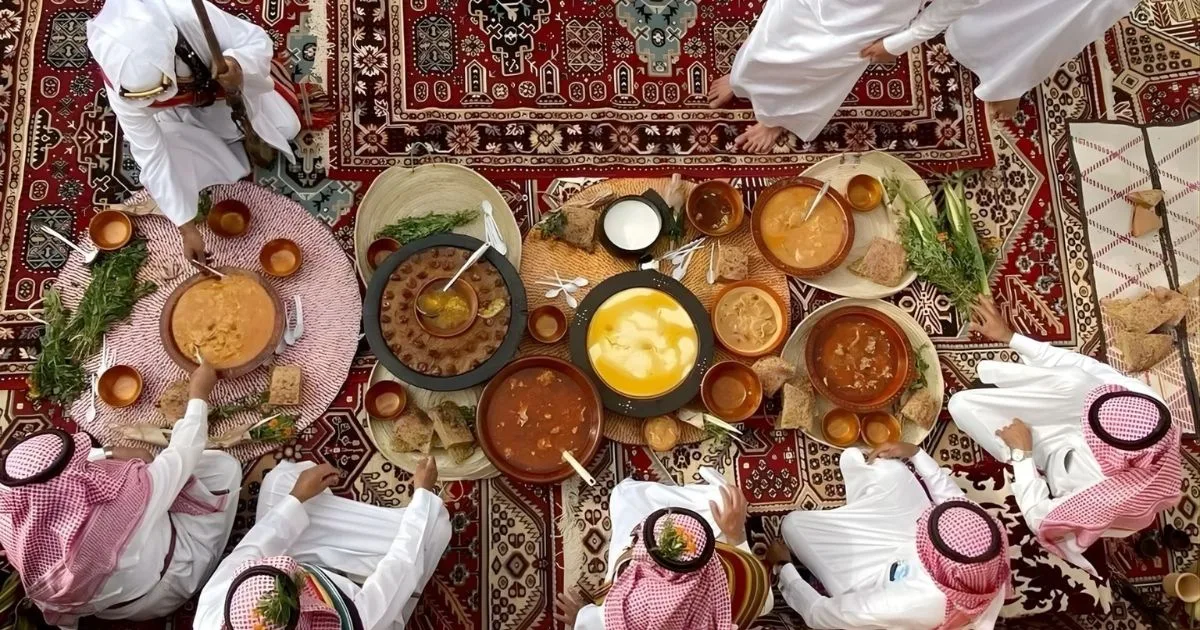
Saudi Arabia cannot accurately be represented by a single Ramadan menu.
The Kingdom contains highly distinctive regional cuisines, and Ramadan tables in Riyadh, Jeddah, Madinah, AlUla, Jazan and the Eastern Province may look quite different.
This regional diversity is an important part of Saudi Ramadan food culture.
3.1. Breaking the Fast with Dates
Dates are central to Saudi Ramadan traditions.
Families commonly begin Iftar with dates together with water, laban or other drinks.
Saudi coffee is also closely associated with hospitality and Ramadan gatherings. A familiar sequence in many homes can be:
Dates and coffee → Maghrib prayer → Savory foods → Later coffee and sweets
3.2. Sambusa
One of the most recognizable foods on Saudi Ramadan tables is sambusa, also called sambosa or samosa.
These triangular pastries can be filled with:
- Meat
- Cheese
- Vegetables
- Other family-specific fillings
Sambusa is an established Ramadan food, particularly associated with Makkah and Madinah, although it is now widespread throughout the Kingdom.
3.3. Jareesh
Jareesh is made from crushed wheat and is deeply connected with Saudi culinary heritage.
Preparation styles differ by region and family, but it can have a thick, porridge-like consistency and may be prepared with laban, onions, spices or meat.
It appears particularly prominently in central Saudi cuisine.
3.4. Foul and Tamees in the Hijaz
In western Saudi Arabia, particularly the Hijaz region, foul and tamees are familiar foods.
Foul is a fava-bean dish, while tamees is a soft flatbread traditionally baked in a hot oven.
This pairing is a common feature of Hijazi Ramadan tables.
3.5. Sobia
Sobia is particularly associated with Ramadan in Jeddah, Makkah and Madinah.
Recipes vary, and Saudi sobia should not automatically be assumed to be identical to Egyptian drinks carrying a similar name.
It is one of the prominent beverages found on Ramadan tables in western Saudi Arabia.
3.6. Regional Saudi Ramadan Food
Different regions contribute their own traditions.
Examples include:
- Riyadh: jareesh, marqouq and matazeez
- Madinah: grain soups, sambusa and various sweets
- Jeddah: foul and sobia
- Jazan: fish dishes, mughash and local breads
- Aseer: haneeth, local breads, soups and sambusa
- Qassim: qursan, matazeez, luqaimat and soups
This diversity makes “Saudi Ramadan food” a collection of regional traditions rather than a single cuisine.
3.7. Sharing Food with Neighbors
Food also has a strong community role during Ramadan.
Saudi traditions include exchanging dishes between neighbors and organizing communal Iftar meals. Food may also be distributed to fasting people through charitable and community initiatives.
The Ramadan table therefore represents not only family eating but also hospitality, generosity and neighborhood connection.
4. Ramadan Food Traditions in Egypt
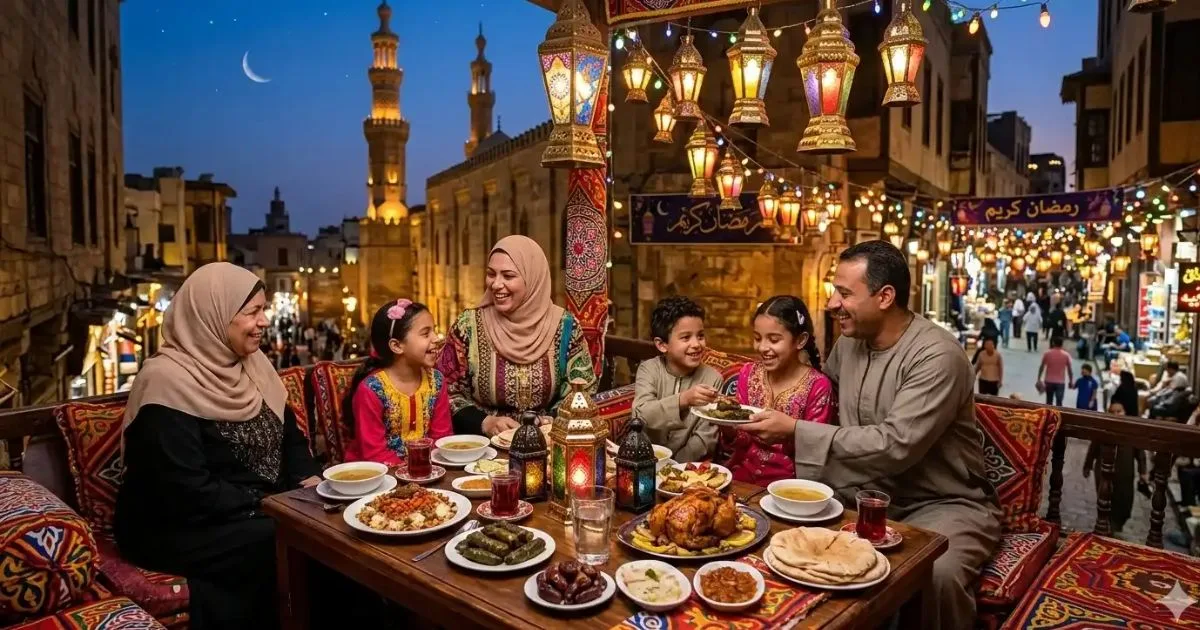
Ramadan has an especially visible presence in Egyptian food culture.
In homes and streets, special drinks, pastries and desserts become strongly associated with the month.
A typical Egyptian Iftar can progress from drinks and light foods into soups, rice or stuffed vegetables, meat dishes and finally desserts.
4.1. Traditional Egyptian Ramadan Drinks
Several drinks are closely associated with Egyptian Ramadan tables.
These may include:
- Tamarind
- Carob
- Licorice drinks
- Hibiscus, or karkadeh
These beverages have their own histories and should be viewed as traditional refreshments rather than automatic substitutes for water.
4.2. Mahshi
Mahshi refers to vegetables stuffed with seasoned rice and sometimes other ingredients.
Common vegetables can include:
- Grape leaves
- Zucchini
- Eggplant
- Peppers
- Cabbage
Mahshi is not exclusive to Ramadan, but it can form part of large Egyptian family meals and Iftar spreads.
Egyptian Iftar meals may combine soup, rice or pasta, mahshi and meat, chicken or fish.
4.3. Foul
Foul, or cooked fava beans, is one of the most recognizable foods in Egyptian cuisine.
It can be seasoned in many different ways with ingredients such as lemon, cumin, olive oil, herbs and vegetables.
Although foul is eaten year-round, it can also appear within Ramadan meals.
4.4. Molokhiya
Another famous Egyptian dish is molokhiya, prepared from finely chopped molokhiya leaves and typically seasoned with garlic and coriander.
It is one of Egypt's defining dishes.
Like many national dishes, molokhiya is not specifically a Ramadan-only food, but it may form part of family Iftar meals.
4.5. Kunafa and Qatayef
Few foods signal Ramadan in Egypt as strongly as kunafa and qatayef.
Kunafa is made from fine pastry strands and may contain nuts, cream or other fillings before being finished with syrup.
Qatayef are small folded pancakes traditionally filled with nuts, cream or other fillings.
During Ramadan, bakeries and markets prominently display both.
These desserts are long-established foods associated with Ramadan in Egypt and the broader Arab world.
4.6. The Character of an Egyptian Ramadan Table
A simplified Egyptian Iftar might therefore move through:
Traditional Drink → Soup → Mahshi/Rice → Meat or Chicken → Kunafa or Qatayef
But household traditions differ considerably.
Ramadan food in Egypt is characterized not only by individual dishes but by the seasonal return of foods and drinks that become much more visible during the holy month.
5. Ramadan Food Traditions in Indonesia
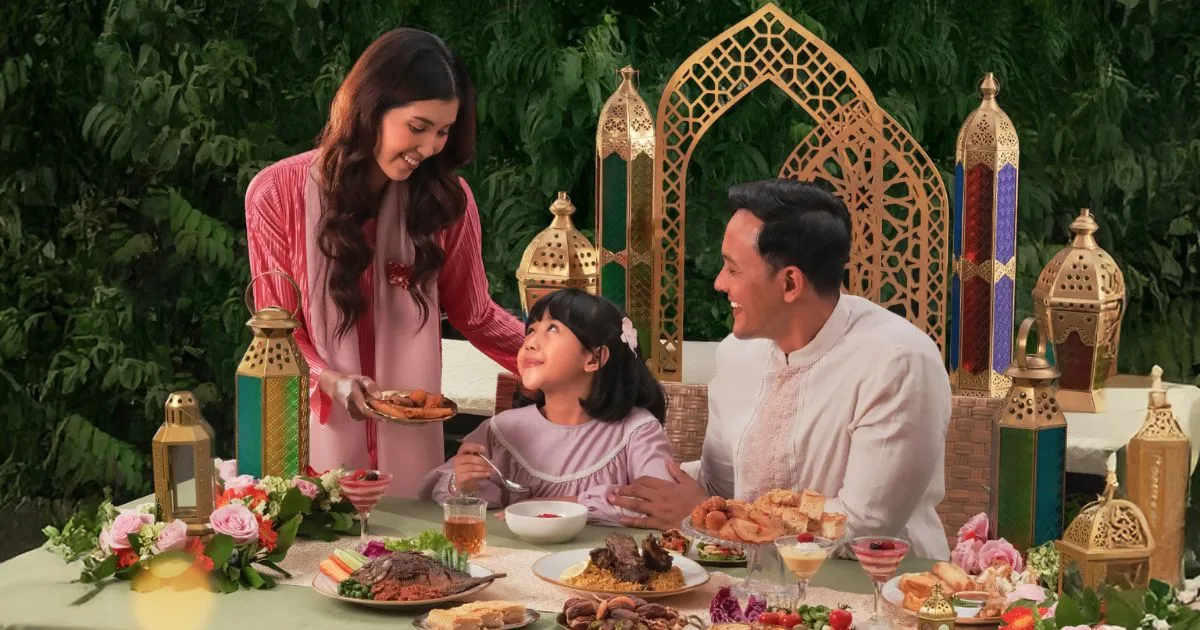
Indonesia offers perhaps the clearest example of how local culture transforms Ramadan food traditions.
Across thousands of islands, communities have developed their own foods for buka puasa, the Indonesian term commonly used for breaking the fast.
Rather than one Indonesian Ramadan menu, there are hundreds of regional traditions.
5.1. What Is Takjil?
One of the most important terms in Indonesian Ramadan food culture is takjil.
Takjil does not refer to one specific food.
In everyday Indonesian usage during Ramadan, it commonly describes the snacks and drinks eaten around the time of breaking the fast.
Before sunset, markets and roadside stalls across Indonesian cities fill with people buying takjil. Ramadan markets and “takjil hunting” have become distinctive social features of the fasting month.
5.2. Kolak
Kolak is one of the foods most strongly associated with Ramadan in Indonesia.
It is a sweet dish traditionally made with ingredients such as:
- Coconut milk
- Palm sugar
- Banana
- Sweet potato
- Pandan
Recipes vary.
Kolak is one of the classic foods eaten when breaking the fast and appears widely during Ramadan. Although often described internationally as a dessert, its role in Indonesia is closely connected with the first foods consumed at buka puasa.
5.3. Dates
Dates are also widely available throughout Indonesia during Ramadan.
They connect Indonesian Muslim practice to the broader Islamic tradition of breaking the fast with dates.
Supermarkets, traditional markets and Ramadan stalls often increase their displays of dates during the month.
5.4. Es Pisang Ijo
From Makassar in South Sulawesi comes Es Pisang Ijo.
The dish features banana wrapped in green-colored dough, traditionally accompanied by coconut-based elements, syrup and shaved ice.
It is one example of the colorful sweet foods and drinks served around buka puasa.
5.5. Regional Ramadan Foods
Indonesia's enormous geographic diversity means that many Ramadan foods are specific to individual regions.
Examples include:
5.6. Bubur Kanji Rumbi – Aceh
Bubur Kanji Rumbi is a spiced rice porridge whose ingredients can include coconut milk, vegetables and aromatic spices.
In parts of Aceh, it is prepared and distributed at mosques during Ramadan.
5.7. Ketan Bintul – Banten
Ketan Bintul is sticky rice served with seasoned grated coconut, sometimes accompanied by meat.
It has strong historical links with Banten and becomes especially visible during Ramadan.
5.8. Mi Glosor – Bogor
Mi Glosor is a distinctive yellow noodle dish often served with peanut sauce and vegetables and widely sought during Ramadan in Bogor.
These foods demonstrate why Indonesian Ramadan cuisine cannot be summarized simply as rice and sweet drinks. Every region brings its own ingredients and history to the fasting month.
5.9. The Indonesian Buka Puasa Rhythm
A common pattern is for people to first consume a drink and light sweet food when the Maghrib call to prayer signals the end of the fast. A fuller evening meal can follow afterward.
In simplified form:
Takjil → Prayer → Main Meal
The exact pattern differs between individuals and families.
6. How Do Ramadan Food Traditions Differ Between These Countries?
Although all four countries observe Ramadan, their food cultures reflect very different environments.
6.1. UAE
Emirati Ramadan food highlights:
Wheat + Meat + Rice + Dates + Gahwa
Shared dishes such as harees and thareed reflect longstanding Gulf food traditions.
6.2. Saudi Arabia
Saudi Ramadan cuisine is especially regional.
Western cities may emphasize foul, tamees and sobia, while central regions have traditions built around wheat dishes such as jareesh and qursan.
Dates and coffee remain important across many households.
6.3. Egypt
Egyptian Ramadan cuisine is particularly recognizable through:
Traditional Drinks + Mahshi + Familiar Family Dishes + Kunafa + Qatayef
The seasonal visibility of desserts and beverages is a major part of the Ramadan atmosphere.
6.4. Indonesia
Indonesia's traditions emphasize enormous regional variety and a strong takjil culture.
Coconut milk, palm sugar, tropical fruit, rice, spices and local ingredients produce Ramadan foods very different from those found in the Gulf or Egypt.
7. What Do All Four Traditions Have in Common?
Despite the differences, several themes appear repeatedly.
7.1. Food Brings Families Together
Iftar is rarely only about satisfying hunger.
It creates a regular moment for family members to gather.
7.2. Sharing Food Is Important
Food is exchanged with:
- Neighbors
- Relatives
- Guests
- Communities
- People in need
Sharing reinforces the communal character of Ramadan and extends the meaning of the Iftar table beyond the immediate family.
7.3. Certain Foods Become Seasonal Symbols
Some foods are available throughout the year but gain special meaning during Ramadan.
Examples include:
- Harees in the UAE
- Sambusa in Saudi Arabia
- Kunafa and qatayef in Egypt
- Kolak in Indonesia
These foods can become recognizable seasonal symbols of Ramadan in their respective cultures.
7.4. Ramadan Food Is Local
Islam provides the religious framework.
Local cultures provide the ingredients, recipes and presentation.
This is why an Iftar table in Abu Dhabi can look dramatically different from one in Cairo or Jakarta while serving the same fundamental purpose: breaking the day's fast.
8. Frequently Asked Questions
8.1. What Foods Are Traditionally Eaten During Ramadan?
There is no universal Ramadan food. Common foods vary by country and can include dates, soups, rice, bread, meat dishes, vegetables, fruits, desserts and traditional beverages.
8.2. What Do People Eat for Iftar in the UAE?
Traditional Emirati Ramadan foods can include dates, harees, thareed, regag and luqaimat, together with gahwa and other drinks.
8.3. What Foods Are Popular During Ramadan in Saudi Arabia?
Dates, Saudi coffee, sambusa, soups and luqaimat are widely associated with Ramadan. Regional dishes include jareesh, foul and tamees, thareed and numerous local breads and soups.
8.4. What Is Traditional Ramadan Food in Egypt?
Egyptian Ramadan meals may include mahshi, soups, rice or pasta, foul, meat dishes and traditional beverages. Kunafa and qatayef are particularly associated with Ramadan desserts.
8.5. What Do Indonesians Eat During Ramadan?
Popular foods include takjil, kolak, dates and many regional dishes. Indonesia has hundreds of local Ramadan traditions, so foods differ greatly between provinces.
8.6. What Is Takjil?
Takjil is a term commonly used in Indonesia for foods and drinks consumed around the time of breaking the fast. It refers to a category of refreshments rather than one specific recipe.
8.7. Is Ramadan Food the Same Throughout the Middle East?
No. Even neighboring countries have different ingredients, recipes and regional traditions. Saudi Arabia itself has considerable differences between provinces.
9. One Ramadan, Many Food Cultures
Ramadan provides a shared rhythm:
Suhoor → Fasting → Iftar → Family and Community → Suhoor
But the food that fills that rhythm reflects local identity.
In the UAE, Ramadan may bring enormous pots of harees and trays of luqaimat. Across Saudi Arabia, regional dishes preserve the food traditions of different provinces. Egyptian streets and homes fill with familiar Ramadan drinks, kunafa and qatayef. In Indonesia, afternoon takjil markets showcase a remarkable variety of sweets, fruit drinks, porridges and regional specialties.
There is therefore no single answer to the question:
“What do Muslims eat during Ramadan?”
A better answer is:
Ramadan food traditions are global in meaning but deeply local in flavor.
Understanding those differences provides a richer picture of Ramadan itself: a month in which worship, family, generosity, memory and food traditions come together around tables across the world.
10. One Ramadan, Many Food Cultures
Ramadan may be observed around the world through the same fundamental practice of fasting, but the foods served at Iftar and Suhoor reflect the unique identity of each community.
In the UAE, dishes such as harees, thareed and luqaimat are closely connected with Emirati hospitality. In Saudi Arabia, regional specialties show how different provinces contribute to the country's Ramadan food culture. Egypt is known for its traditional drinks, mahshi, kunafa and qatayef, while Indonesia's takjil culture and diverse regional foods highlight the country's rich culinary traditions.
Across all four countries, food serves a purpose beyond nourishment. Family gatherings, hospitality, generosity and sharing are recurring parts of the Ramadan experience.
This is what makes Ramadan food traditions so diverse: the religious meaning of Ramadan is shared, while the flavors, ingredients and customs are shaped by local culture and history.
From the Gulf to Southeast Asia, exploring these traditions offers a glimpse into how communities celebrate Ramadan in their own distinctive ways—one Iftar table at a time.