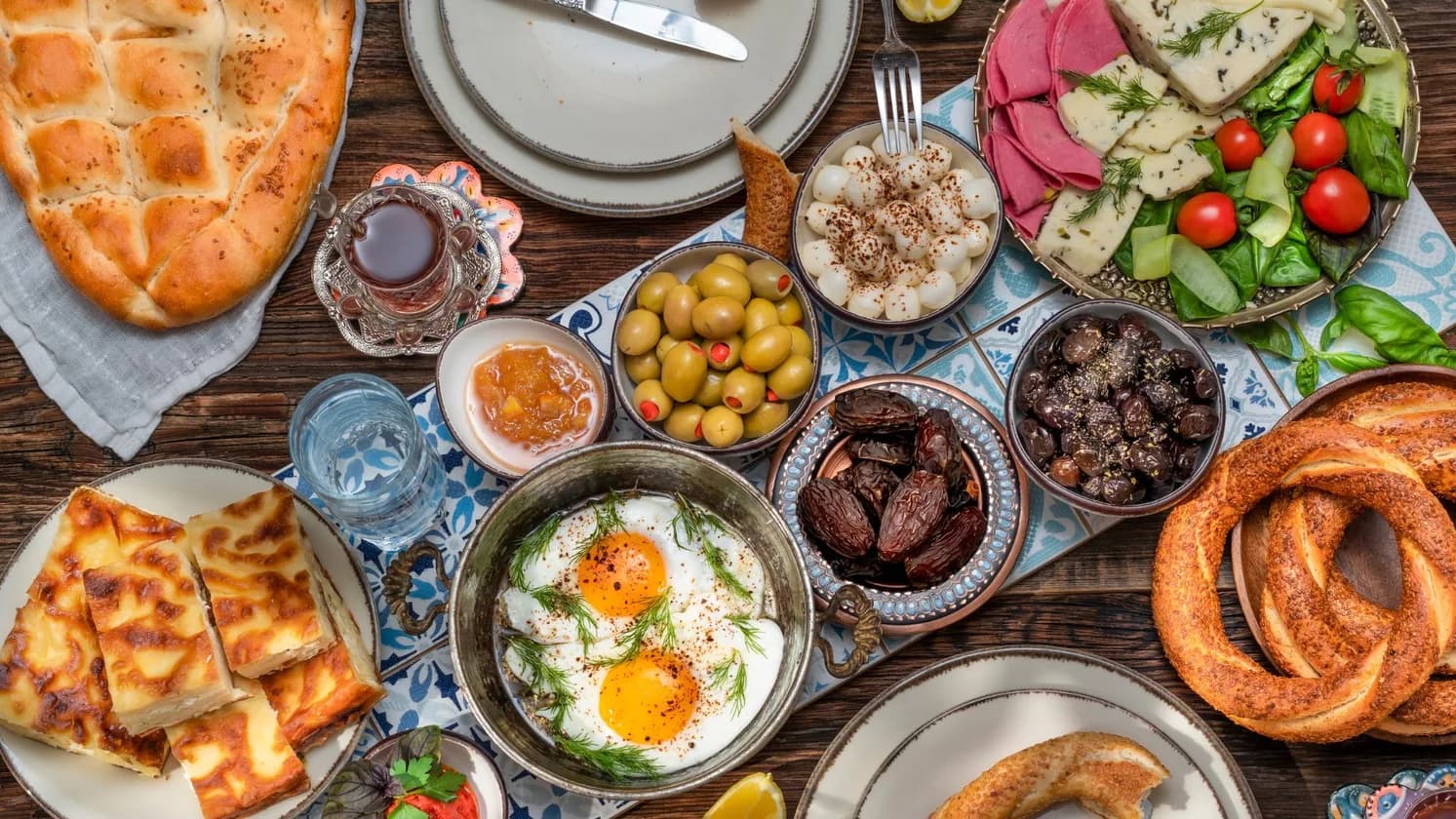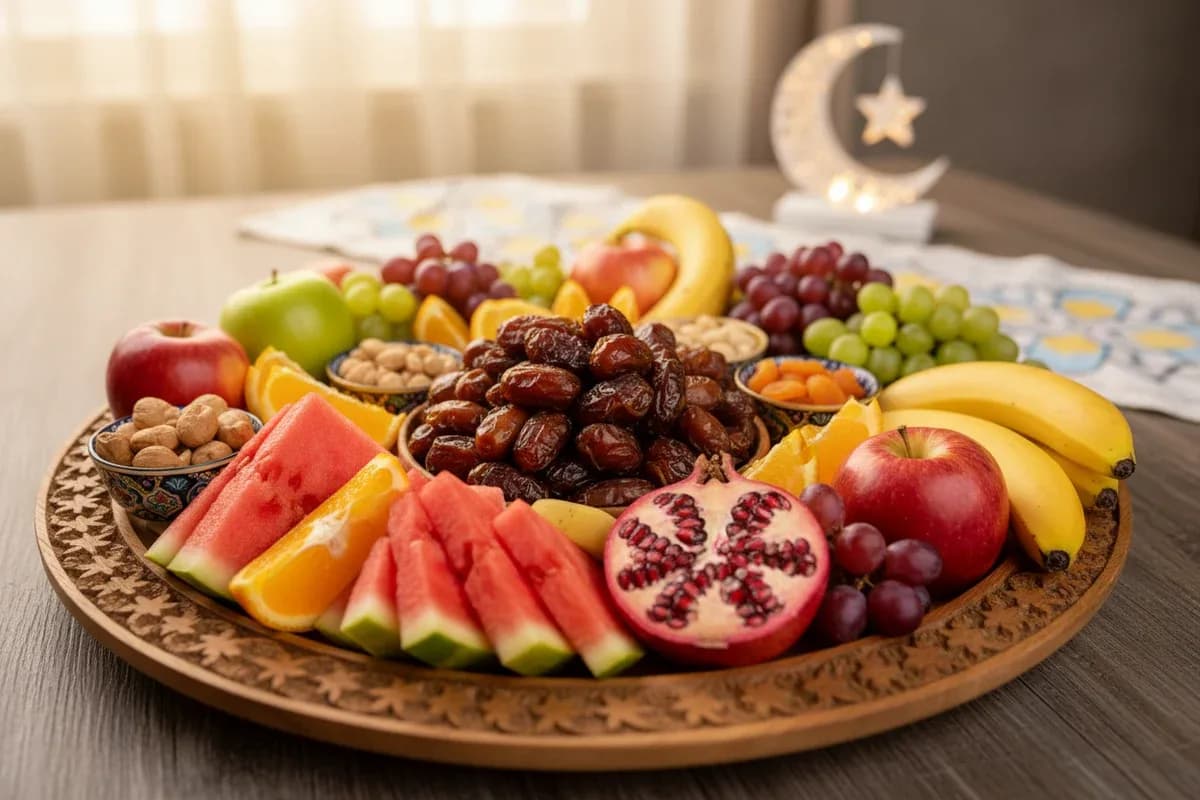
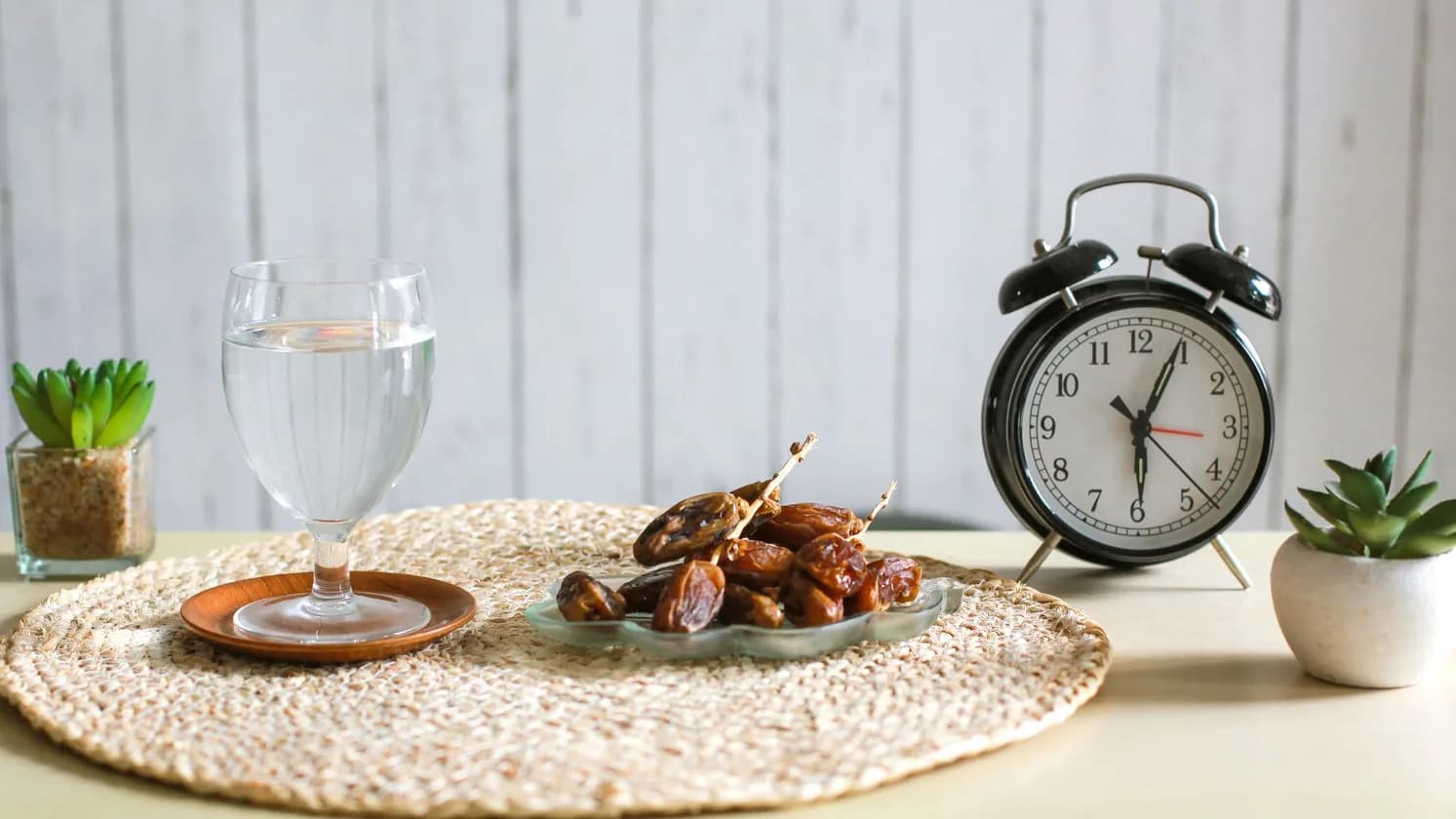
No. Muslims who are observing the Ramadan fast do not drink water during the daily fasting period.
The fast begins at dawn, around the time of the Fajr prayer, and ends at sunset with the Maghrib prayer. After sunset, Muslims can eat and drink again until the next fast begins at dawn.
In simple terms:
Suhoor → Dawn → Fasting (No Food or Water) → Sunset → Iftar → Eating and Drinking During the Night → Suhoor
According to the World Health Organization (WHO), Ramadan fasting involves abstaining from food and drink from dawn until sunset.
1. Ramadan Fasting: Quick Answer
Can Muslims drink water while fasting? No.
Can Muslims eat while fasting? No.
When does fasting begin? At dawn, before sunrise.
When does fasting end? At sunset.
What is Suhoor? The pre-dawn meal.
What is Iftar? The meal eaten at sunset to break the fast.
Can Muslims eat at night during Ramadan? Yes.
Do fasting times differ between countries? Yes, because dawn and sunset times depend on location and date.
Does every Muslim have to fast? No. Islamic exemptions apply in various circumstances.
2. Can You Drink Water During Ramadan?
Muslims observing the Ramadan fast do not drink water between dawn and sunset.
This includes:
Water
Tea
Coffee
Juice
Milk
Soft drinks
Other beverages
Ramadan fasting is therefore different from some modern forms of intermittent fasting in which water is permitted.
Islamic fasting involves abstaining from both food and drink during the fasting period.
2.1. Does Even Water Break the Ramadan Fast?
Yes. Drinking water intentionally during fasting hours breaks the fast. If you are wondering, “Can You Drink Water During Ramadan?”, the answer depends on the time of day. Muslims observing the fast do not drink water from dawn until sunset. However, water can be consumed freely during the non-fasting hours between Iftar and Suhoor.
Staying hydrated during the evening and night is important, particularly after a long day of fasting.
3. When Can Muslims Drink Water During Ramadan?
Muslims who are fasting can drink water:
After sunset → throughout the evening and night → until the next fast begins at dawn.
A typical daily pattern looks like this:
3.1. Sunset
The fast ends and Iftar begins.
Water is commonly consumed when breaking the fast.
3.2. Evening
People can continue drinking fluids with their meals and throughout the evening.
3.3. Before Dawn
Water can also be consumed with Suhoor.
3.4. Dawn
Once the fasting period begins, eating and drinking stop again.
This cycle continues each day throughout Ramadan.

4. When Can Muslims Eat During Ramadan?
Muslims who are fasting can eat between sunset and dawn.
The two meals most closely associated with Ramadan fasting are:
Iftar — after sunset
and
Suhoor — before dawn
Islamic Relief describes Iftar as the meal eaten at sunset to break the daily fast and Suhoor as the meal eaten before dawn.
Food can also be eaten during the evening between these two meals.
This means Muslims are not required to eat only twice.
Depending on family traditions and individual routines, the nighttime eating period may include:
Iftar
Dinner
Fruit or snacks
Drinks
Suhoor
5. What Is Suhoor?
Suhoor, also spelled Suhur, is the meal eaten before dawn before the daily Ramadan fast begins.
It may include foods such as:
Oats
Bread
Rice
Eggs
Yogurt
Fruits
Vegetables
Lentils
Other traditional foods
Water is also commonly consumed.
Suhoor must finish before the fasting period begins at dawn.
Islamic Relief's scholar-reviewed guidance defines Suhoor as the early-morning meal eaten before the break of dawn.
6. What Is Iftar?
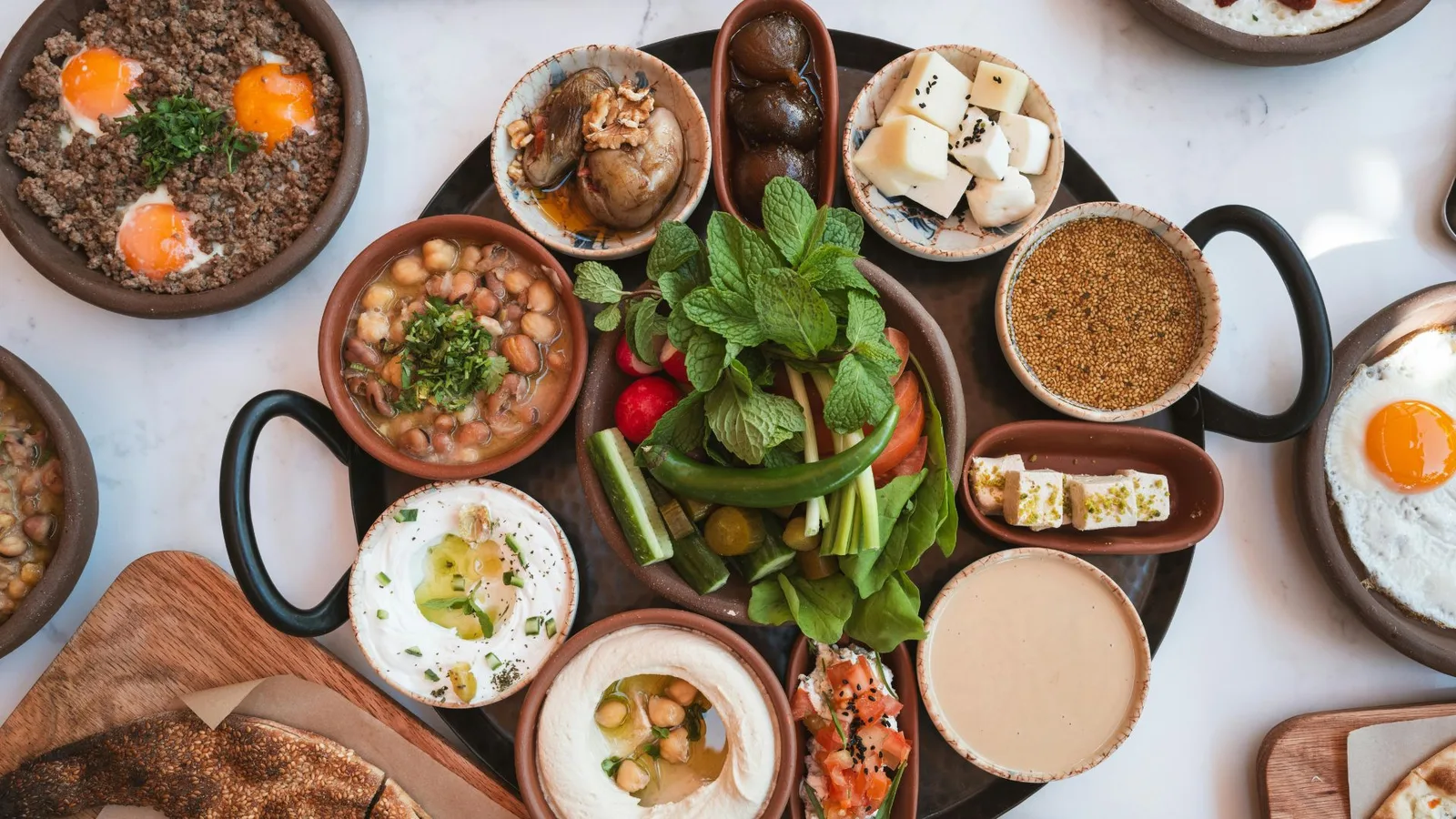
Iftar is the meal eaten after sunset to break the daily Ramadan fast.
At this point, Muslims who have been fasting can begin eating and drinking again.
Many Muslims traditionally break their fast with:
Dates
Water
A larger meal may then follow.
Iftar traditions vary significantly between countries and families.
An Iftar in Saudi Arabia may look very different from one in Egypt, Indonesia, Pakistan or the United States.
The timing, however, follows the same principle:
Iftar begins when the daily fast ends at sunset.
7. Does Ramadan Fasting Start at Sunrise?
No.
This is an important distinction.
The Ramadan fast begins at dawn, not sunrise.
Dawn occurs before the sun rises.
In Islamic practice, the beginning of the fasting period is associated with Fajr, the dawn prayer.
Suhoor therefore ends before Fajr.
Islamic Relief's scholar-reviewed guidance states that Suhoor can be eaten until the beginning of dawn and is eaten before Fajr time.
The sequence is:
Suhoor → Fajr/Dawn → Fasting → Sunrise occurs later
This is why saying that Muslims simply fast “from sunrise to sunset” is less precise than saying:
from dawn to sunset.
WHO also uses “dawn until sunset” when describing Ramadan fasting.
8. What Time Does the Ramadan Fast End?
The daily fast ends at sunset.
This coincides with the time of the Maghrib prayer.
Once sunset occurs, Muslims can break the fast and Iftar begins.
The exact clock time changes according to:
Country
City
Geographic latitude
Date
Season
There is therefore no single worldwide Iftar time.
9. Do Muslims Fast for the Same Number of Hours Everywhere?
No.
Ramadan fasting lasts from local dawn until local sunset.
Day length differs depending on geographic location and season.
For example, fasting hours in Jakarta may differ considerably from fasting hours in London.
Even within the same city, fasting times change slightly during the month as sunrise and sunset patterns change.
This is why Muslims normally use a local Ramadan or prayer timetable rather than following one global fasting schedule.
10. Can Muslims Eat Immediately After Sunset?
Yes.
Once the fasting period has ended at sunset, Muslims can break their fast.
They do not need to wait until later in the evening.
The meal eaten at this time is Iftar.
For many Muslims, breaking the fast promptly at sunset is also part of Ramadan religious practice.
11. Can Muslims Eat All Night During Ramadan?
Food and drink are permitted during the non-fasting period between sunset and dawn.
However, this does not mean Muslims necessarily eat continuously throughout the night.
A typical routine might include:
Iftar → Prayer → Main Meal → Evening → Sleep → Suhoor
Other families may structure the evening differently.
Ramadan eating schedules are influenced by:
Culture
Family habits
Prayer schedules
Work
Sleep
Local traditions
12. Can Muslims Drink Coffee or Tea at Night During Ramadan?
Yes.
Coffee, tea and other drinks can be consumed during non-fasting hours.
However, water should remain an important part of hydration between Iftar and Suhoor.
Long fasting periods without fluids can increase the risk of dehydration, particularly in hot conditions or during physical activity.
WHO recommends adequate water intake during the non-fasting period.
13. How Do Muslims Stay Hydrated If They Cannot Drink During the Day?
Hydration takes place during the period between Iftar and Suhoor.
A practical pattern is:
Water at Iftar → fluids during the evening → water before bed → water at Suhoor
Rather than trying to drink a very large quantity at once, fluids can be distributed throughout the non-fasting period.
Foods containing significant amounts of water can also contribute to overall intake.
Examples include:
Watermelon
Melon
Cucumber
Tomato
Soup
Yogurt
Fresh fruit
Water should remain the main hydration drink.

14. Do Children Have to Fast During Ramadan?
Young children are not required to observe the Ramadan fast.
The obligation to fast applies after reaching the appropriate stage of religious responsibility, provided the person is able to fast.
Some families may introduce children gradually to fasting practices as they grow older.
Practices may vary between families and communities.
15. Does Every Muslim Have to Fast?
No.
Islam provides exemptions or allowances in various circumstances.
These may include:
Young children
People who are ill
Some elderly people unable to fast
Travelers
Menstruating women
Pregnant women in relevant circumstances
Breastfeeding women in relevant circumstances
Specific religious requirements concerning missed fasting days can vary according to circumstances and Islamic jurisprudence.
People seeking an individual religious ruling should consult a qualified Islamic scholar.
Islamic Relief's scholar-reviewed Ramadan guidance also identifies illness, travel, pregnancy, nursing, menstruation and age among circumstances affecting the requirement to fast.
16. What If Someone Becomes Sick While Fasting?
Health circumstances should not be ignored simply because someone is fasting.
Islam provides exemptions for illness and other situations where fasting may be inappropriate.
People with conditions such as:
Diabetes
Kidney disease
Heart disease
Conditions affecting hydration
Other chronic illnesses
may require individualized advice.
WHO specifically notes that Ramadan fasting raises important considerations for people with diabetes, pregnant women and others who may be medically at risk.
Medical decisions should be discussed with an appropriate healthcare professional.
Religious questions about whether a fast should be continued or made up later should be discussed with a qualified Islamic scholar.
17. Frequently Asked Questions
17.1. Can you drink water during Ramadan?
People observing the Ramadan fast do not drink water from dawn until sunset. Water can be consumed during the non-fasting hours between Iftar and Suhoor.
17.2. Can Muslims drink water before sunrise?
Yes, but the important cutoff is dawn/Fajr, which occurs before sunrise.
Eating and drinking must stop when the fasting period begins at dawn.
17.3. Can Muslims drink water after sunset?
Yes. Once the daily fast ends at sunset, Muslims can drink water and other permitted beverages.
17.4. What time do Muslims stop eating in the morning?
They stop eating when the daily fast begins at dawn, associated with Fajr.
Exact clock times depend on location and date.
17.5. What time do Muslims start eating in the evening?
The fast ends at sunset, when Iftar begins.
17.6. Can Muslims eat before sunrise?
Yes, during Suhoor, but eating must finish before the fast begins at dawn.
Because dawn occurs before sunrise, Muslims do not normally continue eating all the way until sunrise.
17.7. Can Muslims eat after Iftar?
Yes.
Food and drinks can be consumed during the evening and night until the next fast begins at dawn.
17.8. Is Iftar breakfast or dinner?
Iftar literally breaks the daily fast and takes place in the evening.
It functions as the first meal after fasting, although socially it may resemble dinner.
17.9. What is the difference between Iftar and Suhoor?
Iftar is eaten after sunset to end the day's fast.
Suhoor is eaten before dawn before the next day's fast begins.
17.10. Can Muslims drink juice during fasting hours?
No.
The restriction applies to beverages generally, not only water.
Juice may be consumed during non-fasting hours.
17.11. Can Muslims drink coffee during Ramadan?
Yes, during non-fasting hours.
Coffee cannot be consumed while someone is observing the daily fast.
17.12. Do Muslims go without water for the whole month?
No.
They abstain from water only during each day's fasting period from dawn until sunset.
They can drink during the evening and night between Iftar and Suhoor.
18. Understanding Ramadan Fasting Simply
For someone unfamiliar with Ramadan, the easiest way to understand the daily fasting schedule is:
Before Dawn: Suhoor + Water
↓
Dawn/Fajr: Fast Begins
↓
Daytime: No Food or Drink
↓
Sunset/Maghrib: Fast Ends
↓
Iftar + Water + Evening Meals
↓
Suhoor Before the Next Dawn
This pattern repeats each day during Ramadan.
Ramadan fasting takes place from dawn (Fajr) to sunset (Maghrib), not from sunrise to sunset. During these hours, Muslims observing the fast abstain from all food and drinks, including water. After sunset, they can eat, drink, and prepare for the next day's fast. Understanding this distinction is key to understanding how fasting works during Ramadan. |