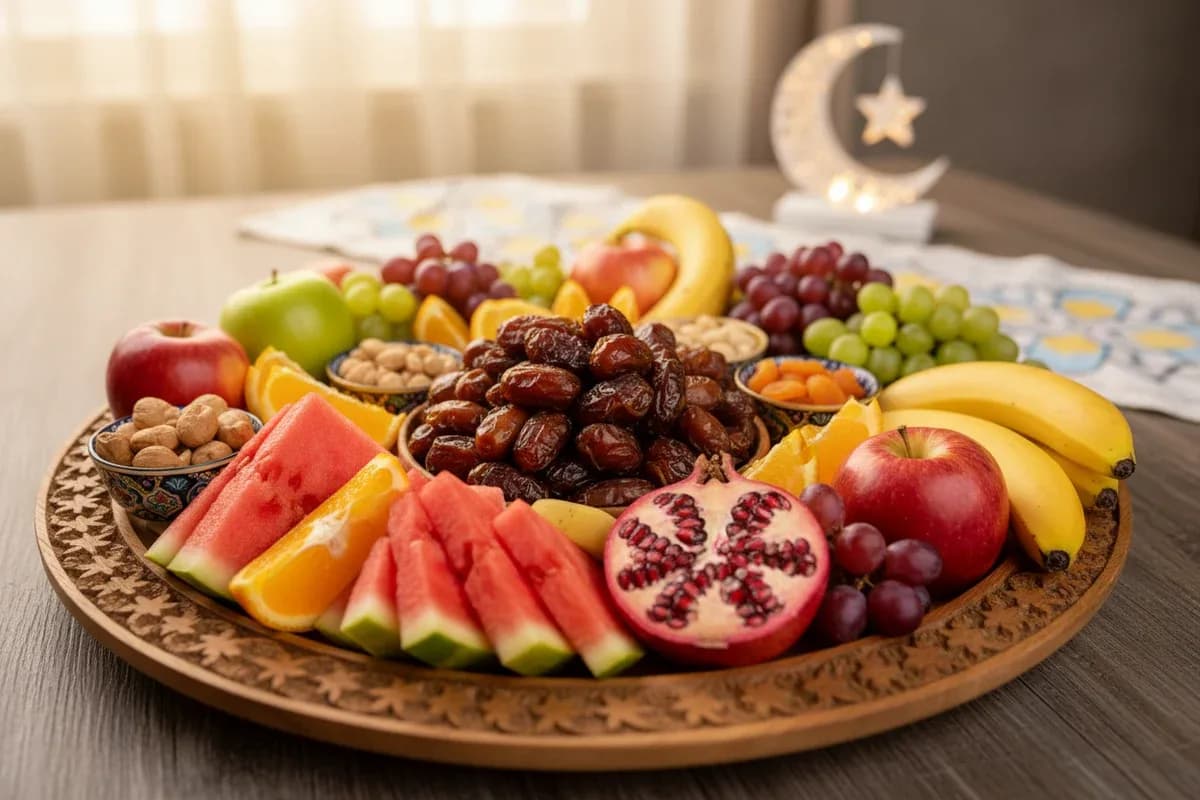
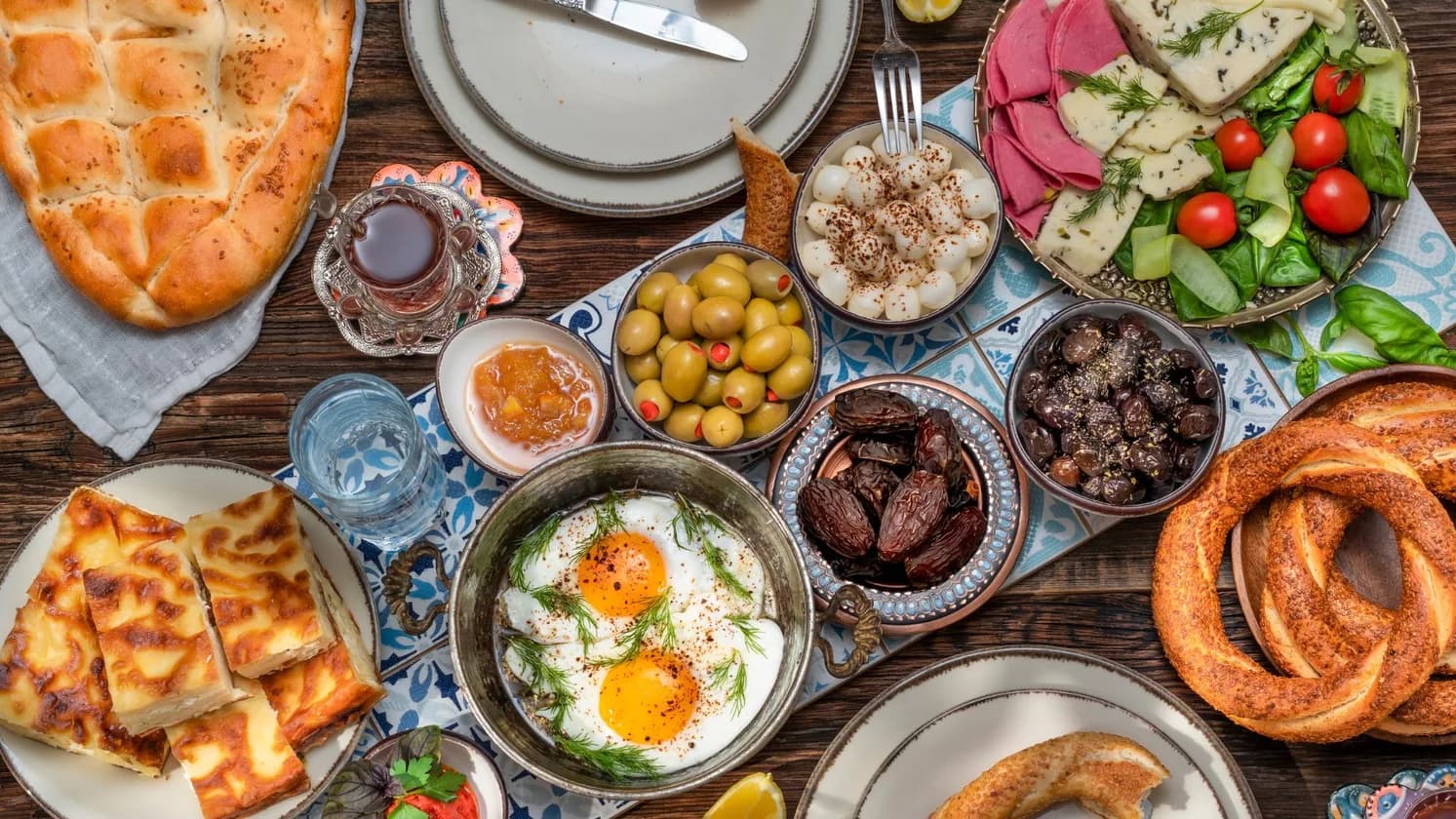
Suhoor is the pre-dawn meal eaten by Muslims before beginning the daily fast during Ramadan. It is the final opportunity to eat and drink before fasting begins at dawn and continues until sunset.
A balanced Suhoor does not need to be large or complicated. It can include water, whole grains, protein-rich foods, fruits and vegetables to provide fluids and nutrients before the fasting period.
This guide explains what Suhoor is, when it is eaten, what foods to consider before fasting, and which foods may be better limited.
1.Suhoor at a Glance
- Suhoor is the meal eaten before dawn during Ramadan.
- It is eaten before the daily fast begins.
- Once fasting begins, no food or drink is consumed until sunset.
- Suhoor should generally be light but nutritious.
- Water and fluid-rich foods can support hydration before fasting.
- Whole grains and high-fibre foods can form useful carbohydrate choices.
- Protein can come from eggs, dairy foods, legumes, fish, meat or plant-based alternatives.
- Very salty foods may increase thirst.
- Large amounts of sugary, fried or highly processed foods are better limited.
- Suhoor traditions vary considerably between cultures.
2. What Is Suhoor?
Suhoor, also spelled Suhur and sometimes called Sehri in parts of South Asia, is the meal Muslims eat before dawn when observing the Ramadan fast.
It takes place before the fasting period begins.
During Ramadan, the general daily eating pattern is:
Suhoor → Dawn → Fasting → Sunset → Iftar → Evening eating and hydration → Suhoor
Suhoor therefore has a different function from Iftar.
Iftar breaks the fast after sunset.
Suhoor prepares for the next fasting period before dawn.
Suhoor also has religious significance. Eating Suhoor is a practice encouraged in the Islamic tradition and is not simply a nutritional routine.
3. What Time Is Suhoor?
Suhoor is eaten during the final part of the night before dawn.
It must finish before the daily fasting period begins at Fajr, the dawn prayer time.
Because dawn changes according to geographic location and date, there is no universal Suhoor time.
Someone fasting in Cairo may have a different Suhoor time from someone in Kuala Lumpur, Dubai, London or New York.
Suhoor times also change gradually throughout Ramadan.
Muslims therefore normally follow local prayer timetables or guidance from their local mosque or Islamic authority.
4. Why Is Suhoor Important?
From a religious perspective, Suhoor is an established part of Ramadan fasting.
From a nutritional perspective, it provides an opportunity to consume food and fluids before several hours without eating or drinking.
The World Health Organization describes Suhoor as fuel for the day ahead and recommends keeping the meal light and nutritious.
A balanced Suhoor may help provide:
- Fluids before fasting
- Dietary energy
- Protein
- Fibre
- Vitamins and minerals
- A more comfortable transition into the fasting period
However, no particular food can guarantee that someone will avoid hunger or thirst throughout the day.
Fasting conditions vary according to climate, activity level, fasting duration and individual health.
5. What Should You Eat Before Fasting?
There is no single perfect Suhoor meal.
A practical approach is to combine several food groups:
Fluids + Higher-fibre carbohydrate + Protein + Fruit or vegetables + Moderate healthy fats
For example:
Water + oats + yogurt + fruit + nuts
or
Water + whole-grain bread + eggs + vegetables + yogurt
or
Water + rice + lentils + vegetables + fruit
The exact combination can be adapted to local food traditions and personal preferences.
5.1. Drink Water
Hydration is one of the most important considerations during non-fasting hours.
People observing the Ramadan fast do not drink during fasting hours, including water.
The period between Iftar and Suhoor is therefore the main opportunity to replace fluids.
Rather than leaving all hydration until the final minutes before fasting, fluids can be consumed gradually throughout the evening and again at Suhoor.
Fluid requirements vary from person to person depending on:
- Age
- Body size
- Physical activity
- Climate
- Health
- Diet
- Length of the fast
WHO recommends drinking plenty of water between Iftar and Suhoor and including hydrating foods in the diet.
5.2. Choose Whole Grains and Higher-Fibre Carbohydrates
Carbohydrates provide an important source of dietary energy.
For Suhoor, higher-fibre carbohydrate foods can be particularly useful as part of a balanced meal.
Examples include:
- Oats
- Whole-grain bread
- Whole-grain cereals
- Brown rice
- Bulgur
- Whole-wheat flatbread
- Other whole grains
British Nutrition Foundation guidance notes that whole-grain and higher-fibre foods can help with fullness and digestive health during Ramadan.
This does not mean that traditional white rice, bread or other refined grains must be completely avoided.
The overall quality and balance of the meal are more important than one individual ingredient.
5.3. Include a Source of Protein
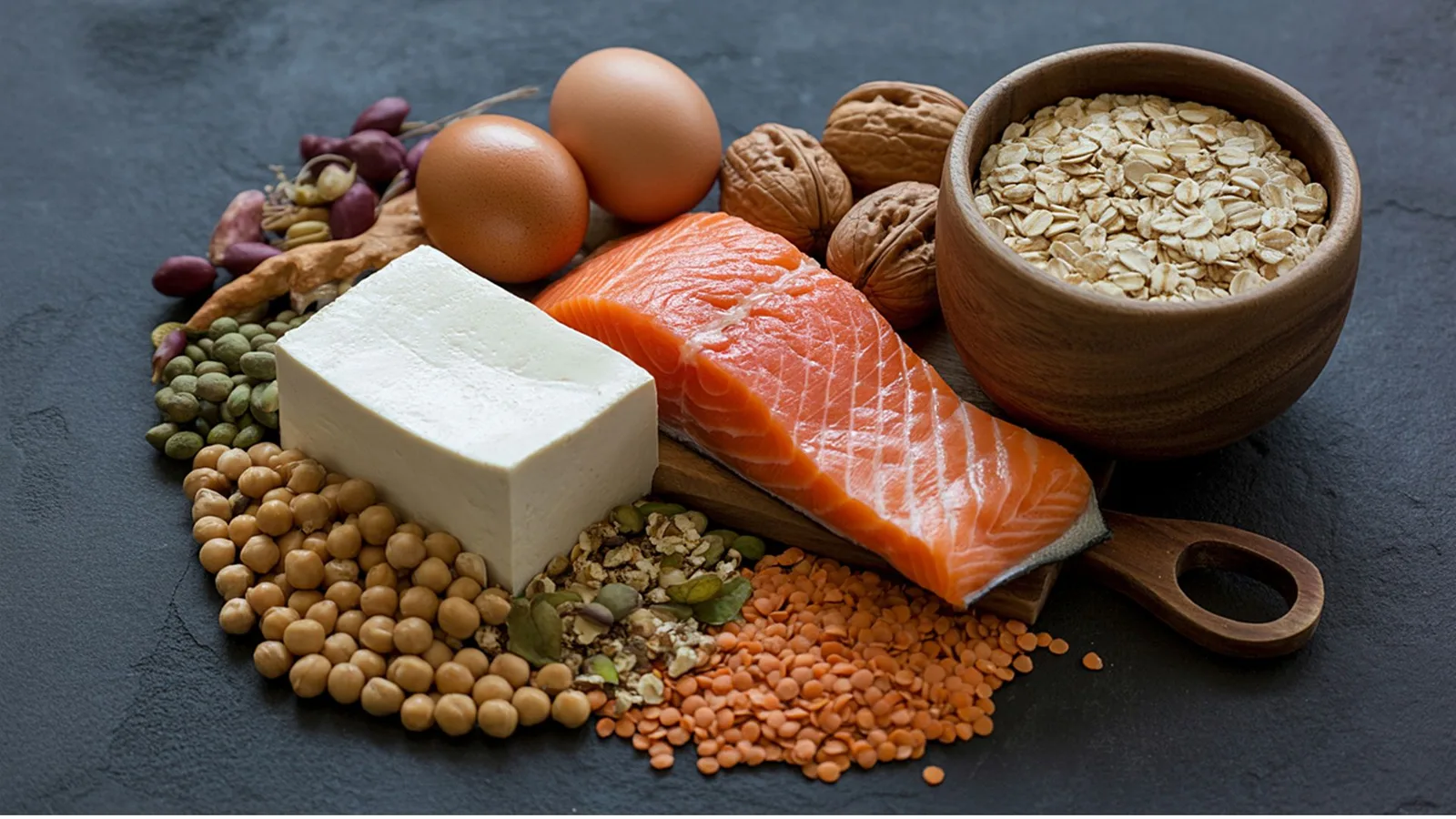
Protein-rich foods can help make Suhoor more balanced.
Options include:
- Eggs
- Yogurt
- Milk
- Labneh
- Lower-salt cheese
- Lentils
- Chickpeas
- Beans
- Tofu
- Fish
- Chicken
- Lean meat
- Nuts and seeds
Vegetarian and plant-based Suhoor meals can also provide adequate protein when appropriate foods are combined.
For example:
Whole-grain bread + hummus + vegetables + yogurt
or
Oats + milk or yogurt + nuts + fruit

5.4. Include Fruits and Vegetables
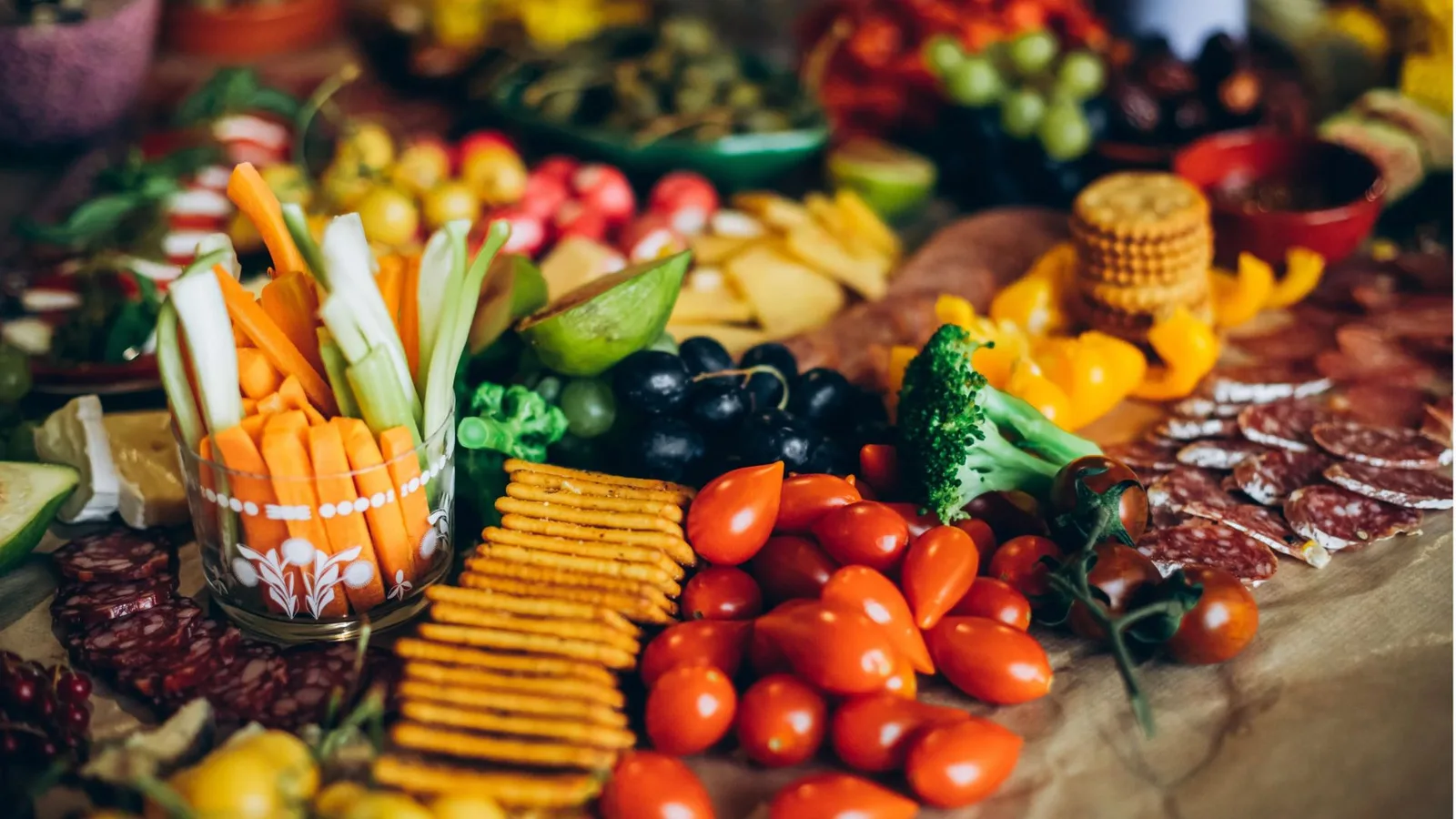
Fruits and vegetables provide vitamins, minerals, fibre and water.
Useful Suhoor options can include:
- Cucumber
- Tomato
- Lettuce
- Watermelon
- Melon
- Orange
- Berries
- Apple
- Pear
- Banana
- Mango
- Other seasonal produce
Water-rich foods can contribute to total fluid intake, although they do not replace the need to drink fluids.
WHO specifically recommends vegetables and hydrating foods such as watermelon and salads during Ramadan.
5.5. Consider Healthy Fats in Moderate Amounts
Foods containing unsaturated fats can also form part of Suhoor.
Examples include:
- Avocado
- Nuts
- Seeds
- Tahini
- Olive oil
These foods can add energy and variety to a meal.
Because fats are energy-dense, portion size still matters.
A small amount of nuts or seeds added to oats or yogurt may be more practical than a very heavy high-fat meal before fasting.
6. Best Foods for Suhoor
There is no scientifically defined list of foods that everyone must eat before fasting.
However, several foods work well within the principles of hydration, fibre, protein and overall nutritional balance.
6.1. Oats
Oats provide whole-grain carbohydrates and fibre.
They can be prepared as:
- Porridge
- Overnight oats
- Muesli
- Oats with yogurt
Add fruit, nuts or seeds to increase variety.
6.2. Eggs
Eggs provide protein and can be combined easily with vegetables and whole-grain foods.
Examples include:
- Boiled eggs
- Vegetable omelette
- Eggs with whole-grain toast
- Eggs with avocado and tomato
Cooking methods that do not require large quantities of oil can help keep the meal lighter.
6.3. Yogurt
Yogurt contributes protein, fluid and nutrients including calcium.
It can be combined with:
- Oats
- Whole-grain cereal
- Fruit
- Nuts
- Seeds
Choose products according to individual nutritional needs and preferences.
6.4. Lentils, Beans and Chickpeas
Legumes provide a combination of:
- Plant protein
- Carbohydrates
- Fibre
- Vitamins and minerals
They can be used in soups, salads, stews, hummus or other regional dishes.
6.5. Whole-Grain Bread
Whole-grain bread can provide a convenient base for Suhoor.
Try pairing it with:
- Egg
- Hummus
- Yogurt or labneh
- Avocado
- Vegetables
- Nut butter
6.6. Fruit
Fruit is easy to include at Suhoor and contributes water, fibre and micronutrients.
Fresh whole fruit will generally provide more fibre than fruit juice.
WHO's broader healthy-diet guidance also notes that fruit juices can contain significant amounts of free sugars even when no sugar has been added.
7. Simple Suhoor Meal Ideas
A balanced Suhoor does not need many dishes.
Here are several practical examples.
7.1. Suhoor Idea 1: Oats and Yogurt
- Water
- Overnight oats
- Plain yogurt
- Banana or berries
- Nuts or seeds
This combines whole grains, protein, fruit and fluids.
7.2. Suhoor Idea 2: Eggs and Whole-Grain Bread
- Water
- Eggs
- Whole-grain bread
- Tomato
- Cucumber
- Avocado
- Fresh fruit
This provides carbohydrate, protein, vegetables, fruit and fat.
7.3. Suhoor Idea 3: Middle Eastern-Inspired Meal
- Water
- Whole-grain flatbread
- Labneh or yogurt
- Egg
- Hummus
- Cucumber
- Tomato
- Fruit
Food traditions differ widely across the Middle East, so this is simply one possible combination rather than a universal Suhoor menu.
7.4. Suhoor Idea 4: South Asian-Inspired Meal
- Water
- Whole-grain roti or another flatbread
- Lentil dish
- Egg or yogurt
- Vegetables
- Fresh fruit
Avoid making the meal excessively salty or oily simply because it is the final meal before fasting.
7.5. Suhoor Idea 5: Southeast Asian-Inspired Meal
- Water
- Rice
- Egg, fish or tofu
- Cooked vegetables
- Fresh fruit
Rice can remain part of Suhoor when combined with protein, vegetables and adequate fluids.
7.6. Suhoor Idea 6: Vegetarian Meal
- Water
- Chickpeas or lentils
- Whole-grain bread or oats
- Yogurt or a suitable plant-based alternative
- Vegetables
- Fruit
- Nuts or seeds
A vegetarian Suhoor can still include carbohydrate, protein, fibre and micronutrients.
8. What Foods Should You Limit at Suhoor?
Suhoor does not need to be restrictive.
However, some foods may be less practical when eaten in large quantities immediately before a long fasting period.
8.1. Very Salty Foods
Eating a large amount of salty food can increase thirst.
Foods that may contain substantial amounts of salt include:
- Processed meats
- Salty cheeses
- Pickles
- Packaged snacks
- Instant noodles
- Some sauces
- Processed foods
British Nutrition Foundation specifically recommends avoiding very salty Suhoor foods because salt can stimulate thirst.
8.2. Large Amounts of Fried Food
Deep-fried foods may make a meal heavy and can contribute significant amounts of fat and calories.
Instead of making fried foods the centre of every Suhoor, alternatives include:
- Baking
- Grilling
- Steaming
- Boiling
- Light sautéing
8.3. Large Amounts of Sugary Foods
Pastries, sweets, sugary cereals and sweetened drinks may be enjoyable occasionally, but they should not replace more nutrient-rich foods at Suhoor.
WHO recommends limiting foods high in sugar during Ramadan.
8.4. Too Much Caffeine
Coffee and tea are part of daily life for many people.
They do not necessarily need to be eliminated completely.
However, WHO recommends limiting caffeinated drinks such as coffee, tea and cola during Ramadan because caffeine may increase urination in some people.
People who normally consume large amounts of caffeine may also experience headaches or tiredness when their usual intake changes suddenly during Ramadan.
9. Should You Eat a Very Large Suhoor?
Not necessarily.
Eating a very large meal does not guarantee that you will remain full for the entire fasting period.
WHO recommends keeping Suhoor relatively light while still making it nutritious.
Instead of focusing on quantity alone, consider the composition of the meal:
Hydration + Fibre + Protein + Nutrient-rich foods
Eating slowly can also make it easier to recognize fullness.
10. Is It Better to Eat Suhoor as Late as Possible?
Suhoor is traditionally eaten during the final part of the night before the fast begins.
Islamic Relief's scholar-reviewed guidance describes Suhoor as a pre-dawn meal and notes its religious importance within Ramadan practice.
WHO also advises delaying Suhoor until relatively late where practical in some of its Ramadan health guidance.
However, fasting must begin at the appropriate dawn time.
Local prayer timetables should therefore be followed.
11. Can You Skip Suhoor?
Some people may feel that skipping Suhoor is easier, particularly if they find waking before dawn difficult.
However, Suhoor provides an important opportunity to eat and hydrate before the fasting period.
WHO specifically encourages a light, nutritious Suhoor.
From an Islamic perspective, Suhoor is also an encouraged practice and carries religious significance.
12. What About People With Medical Conditions?
Ramadan fasting is not appropriate in exactly the same way for every person.
People with conditions such as:
- Diabetes
- Kidney disease
- Heart disease
- Conditions affecting fluid balance
- Other chronic illnesses
may require individualized medical advice.
Pregnancy and breastfeeding can also require individual assessment.
WHO recommends that pregnant women make decisions about fasting on an individual basis in consultation with a healthcare provider.
Religious exemptions also exist for people who cannot fast safely.
People with health concerns should seek advice from an appropriate healthcare professional and, where religious guidance is required, a qualified Islamic scholar.
13. Frequently Asked Questions About Suhoor
13.1. What Suhoor is?
Suhoor is the meal Muslims eat before dawn before beginning the daily Ramadan fast.
13.2. What time should Suhoor be eaten?
Suhoor is eaten before the beginning of the dawn fasting period. Exact times vary by date and location.
13.3. What is the best food to eat before fasting?
There is no single best food. A balanced Suhoor can combine water, whole grains or other higher-fibre carbohydrate foods, protein, fruits and vegetables.
13.4. What should I drink at Suhoor?
Water should form an important part of hydration during the non-fasting period. Fluid-rich foods can also contribute to overall
Staying hydrated during the non-fasting hours is essential during Ramadan. Water should be your main source of fluids, while water-rich foods such as fruits, vegetables and soups can also help support hydration. Choosing nourishing foods and drinking fluids regularly between Iftar and Suhoor can help you prepare for the day ahead. From the first sip at Suhoor to the refreshing drinks shared at Iftar, every choice is an opportunity to nourish the body while embracing the traditions of Ramadan. |