
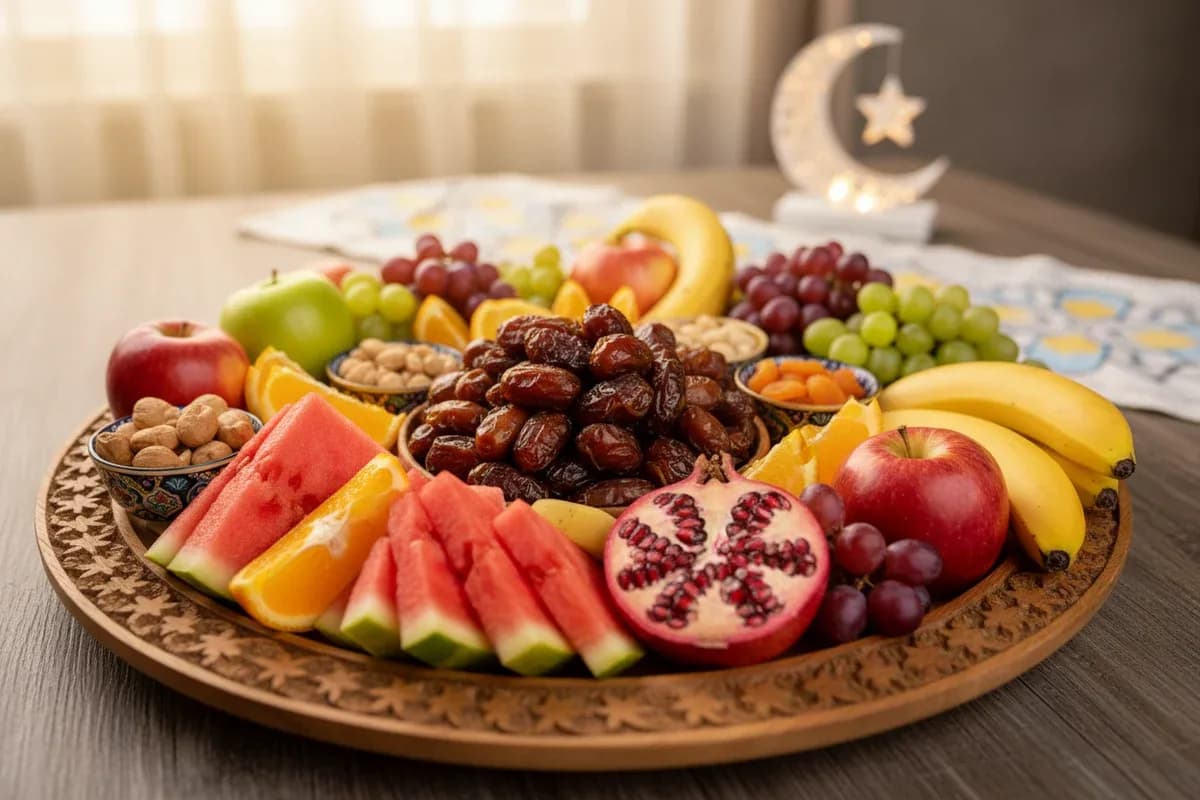
Best Fruits for Ramadan: Hydrating Fruits for Iftar
Ramadan is a time when meals are limited to the hours between Iftar and Suhoor, making food and drink choices especially important. Fresh fruit can be a useful part of Ramadan meals because it provides water, carbohydrates, fibre, vitamins and minerals.
While no single fruit is the “best” choice for everyone, water-rich fruits can be particularly helpful at Iftar. However, fruit should complement regular water intake rather than replace it.
1. Best Fruits for Ramadan at a Glance
Some of the most suitable fruits to enjoy during Ramadan include:
- Watermelon
- Melon
- Oranges and other citrus fruits
- Peaches and nectarines
- Apples
- Berries
- Grapes
- Pears
- Mangoes
- Bananas
- Dates
These fruits can be enjoyed at Iftar, during the evening or as part of Suhoor. Choosing a variety of fresh fruits is a simple way to add different nutrients to the Ramadan diet.
2. Why Eat Fruit During Ramadan?
Fresh fruit can provide several nutrients that are useful during Ramadan.
Fruit naturally contains water and carbohydrates, while many varieties also provide dietary fibre, vitamins and minerals. Including fruit as part of a balanced meal can therefore help add variety to Iftar and Suhoor.
Fruit can also be an easy option when you want something naturally sweet without adding sugar or syrup.
However, fruit should not be viewed as a replacement for a balanced meal. During Ramadan, it is still important to include other food groups such as vegetables, whole grains, protein-rich foods and healthy fats.
3. Can Fruit Help With Hydration During Ramadan?
Yes. Fresh fruits with a high water content can contribute to overall fluid intake.
Watermelon, melon, oranges and other water-rich fruits can be useful choices at Iftar because they contain a significant amount of water.
However, fruit alone cannot provide all the fluids needed during the non-fasting hours. Water should remain the main drink between Iftar and Suhoor.
For this reason, think of fresh fruit as a food that supports hydration rather than as a replacement for drinking water.
4. Best Fruits for Ramadan
There is no single fruit that everyone needs to eat during Ramadan. A variety of fresh seasonal fruits can provide different combinations of water, fibre, vitamins and minerals.
4.1. Watermelon
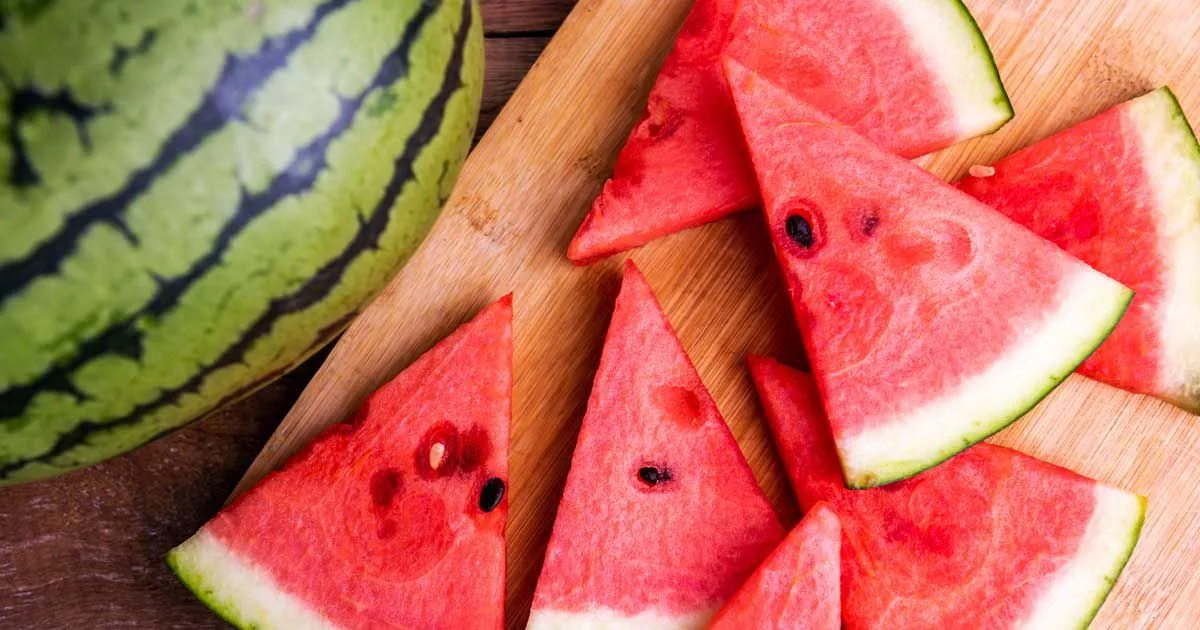
Watermelon is one of the most popular choices when looking for a refreshing fruit during Ramadan.
Its high water content makes it particularly suitable for Iftar, when rehydration becomes an important part of breaking the fast.
It can be served on its own, added to a fruit plate or combined with other fresh fruits.
4.2. Melon
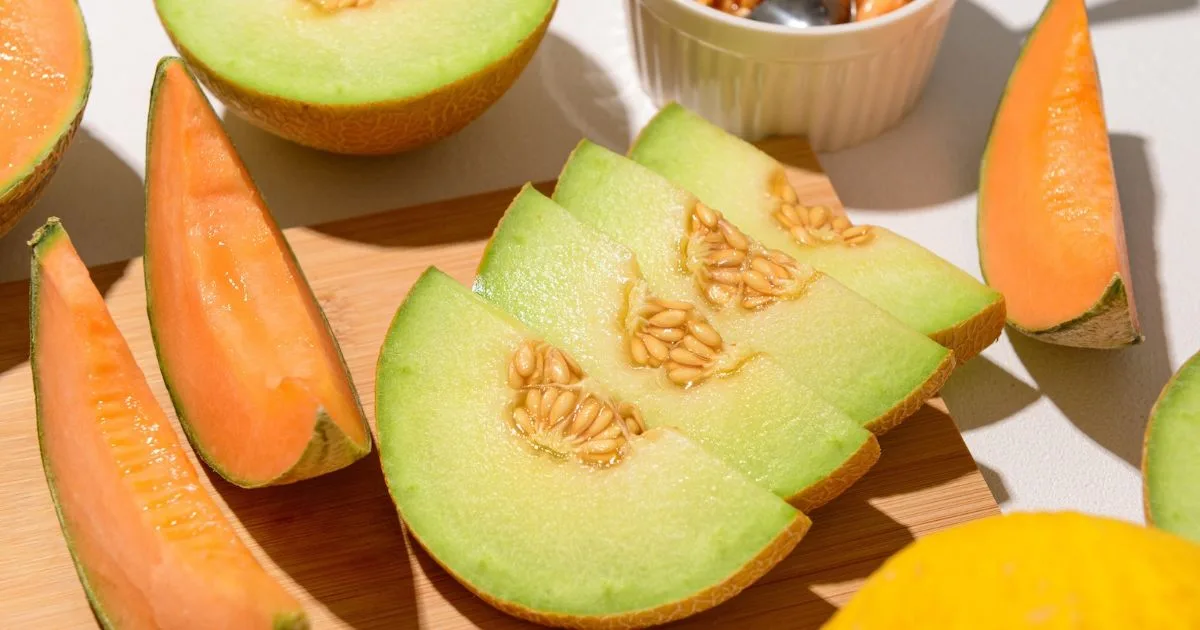
Melons are another water-rich fruit that can be enjoyed during Ramadan.
Their naturally sweet taste and refreshing texture make them suitable for an Iftar fruit plate or a light evening snack.
Different varieties of melon can also add variety to your fruit choices throughout Ramadan.
4.3. Oranges and Other Citrus Fruits
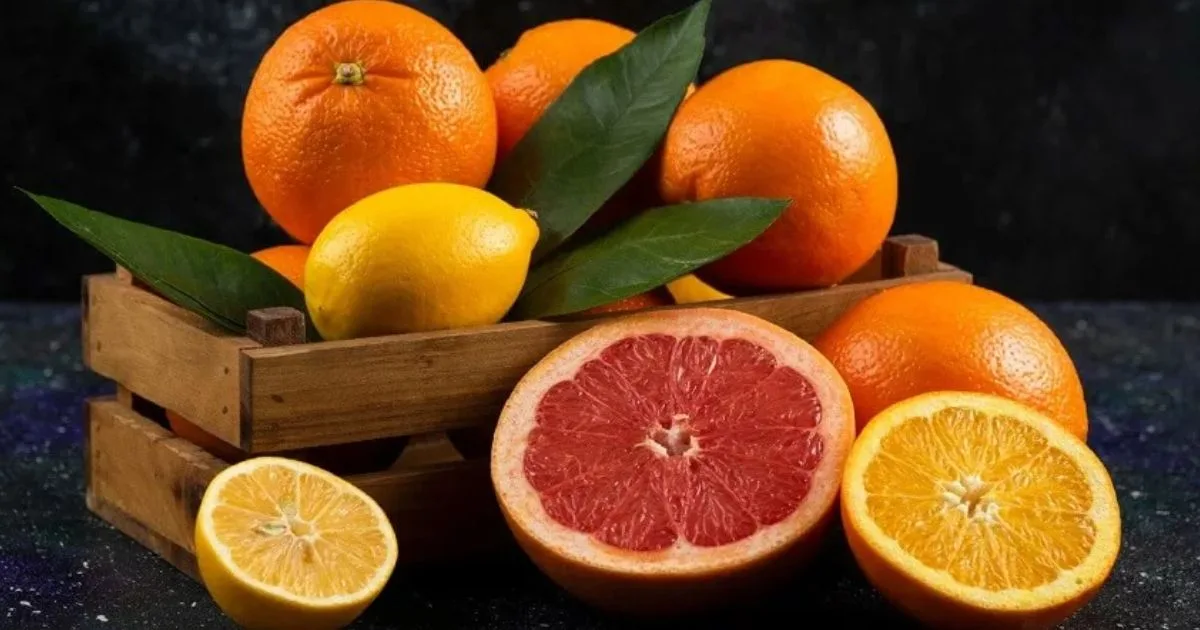
Oranges and other citrus fruits contain water and can contribute to fluid intake.
They can be eaten whole or added to a fresh fruit salad. Eating the whole fruit also provides dietary fibre that may be reduced when fruit is turned into juice.
4.4. Peaches and Nectarines
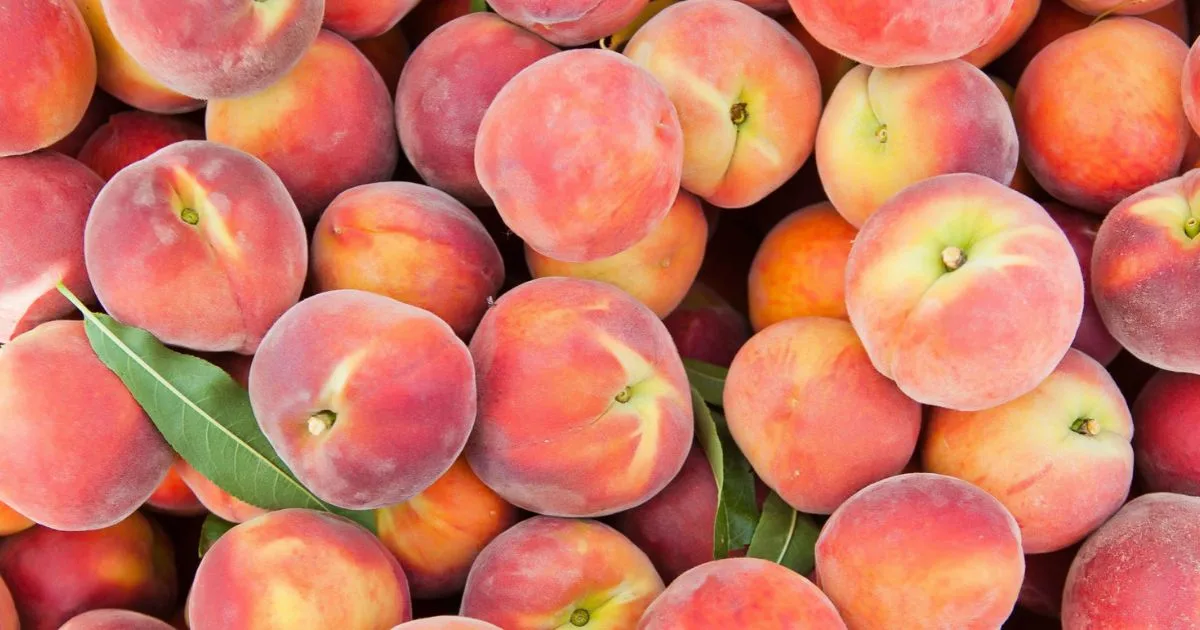
Peaches and nectarines can be refreshing seasonal choices during Ramadan.
They can be eaten fresh as part of an Iftar fruit plate or combined with yogurt for a simple snack.
4.5. Apples
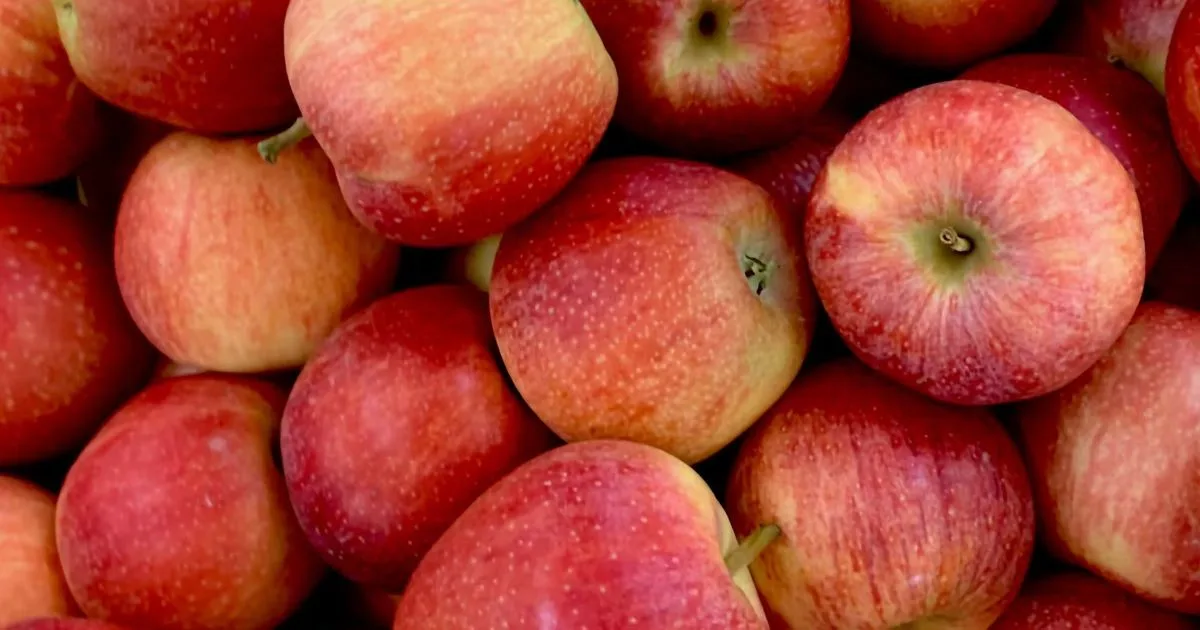
Apples are an easy fruit to include at either Iftar or Suhoor.
They provide dietary fibre and can be paired with other foods to create a more balanced snack or meal.
For example, sliced apple can be served with yogurt, oats or other nutritious foods.
4.6. Berries
Berries can add colour, flavour and variety to Ramadan meals.
They can be eaten fresh, mixed into yogurt or combined with oats for Suhoor.
Using different types of berries can also help create a more varied fruit intake.
4.7. Grapes

Grapes are convenient to eat and can be included in a fresh fruit plate or fruit salad.
They can be enjoyed during the evening or as part of a balanced Iftar meal.
4.8. Pears
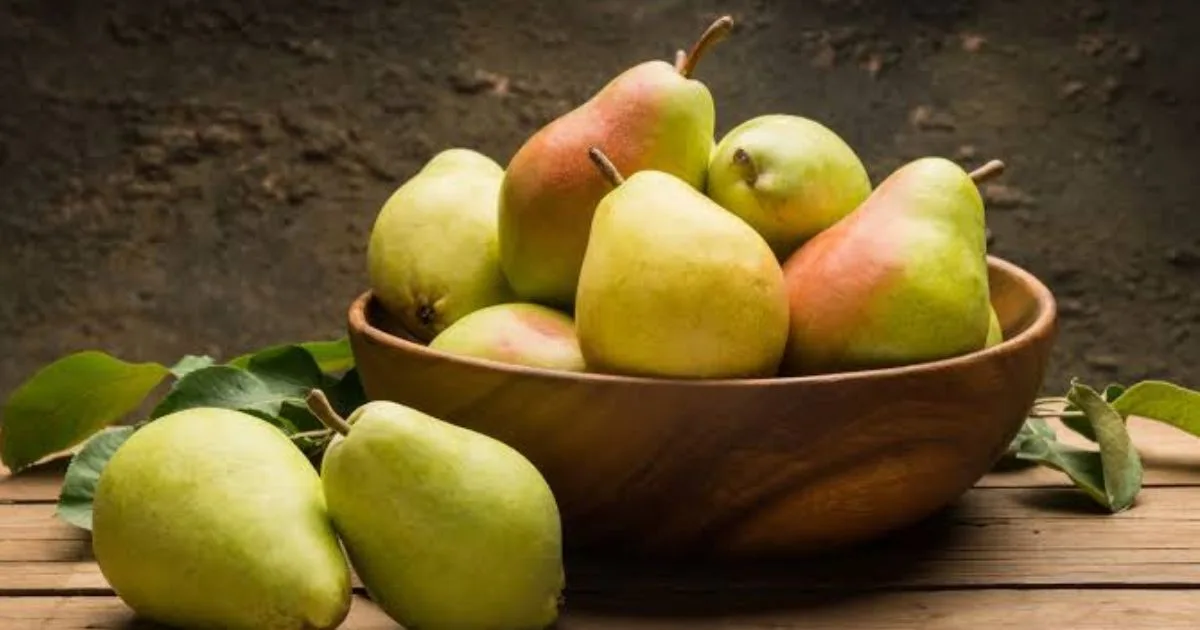
Pears are another fresh fruit option that can be included during Ramadan.
They can be eaten on their own or combined with other foods such as yogurt and oats.
4.9. Mango

Mango provides a naturally sweet flavour and can be enjoyed as part of a varied Ramadan diet.
Fresh mango can be added to a fruit bowl or fruit salad. Since fruit is naturally sweet, there is generally no need to add additional sugar or syrup.
4.10. Bananas

Bananas are a practical option for Suhoor or an evening snack.
They can be combined with oats and yogurt to create a more filling meal that includes fruit alongside other food groups.
4.11. Dates
Dates have a traditional role in Ramadan and are commonly used to break the fast at Iftar.
However, dates are dried fruit rather than a water-rich fresh fruit. Therefore, while they can be an important part of the traditional Iftar meal, they should not be considered a primary source of hydration.
Water should still be consumed between Iftar and Suhoor.
5. Which Fruits Are Best for Hydration at Iftar?
If your priority is choosing fruits that can contribute to hydration after a day of fasting, focus on fresh fruits with high water content.
5.1. Watermelon
Watermelon is a particularly refreshing option for Iftar because of its high water content.
It can be served chilled as part of a fresh fruit plate.
5.2. Melon
Melon is another water-rich choice that can contribute to fluid intake.
It works well when combined with watermelon and other fresh fruits.
5.3. Oranges
Oranges provide both water and dietary fibre when eaten as whole fruit.
They can be served alongside other fruit or eaten separately after breaking the fast.
5.4. Other Fresh Seasonal Fruits
Other fresh seasonal fruits can also be included depending on availability and personal preference.
The goal does not need to be finding one “perfect” fruit. Instead, variety can help make meals more enjoyable while providing different nutrients.
6. What Is the Best Time to Eat Fruit During Ramadan?
Fruit can be included at different points during the non-fasting period.
6.1. At Iftar
Fresh fruit can be part of an Iftar meal, particularly water-rich options such as watermelon, melon and oranges.
A small fruit plate can provide a refreshing addition to the meal without requiring complicated preparation.
6.2. During the Evening
Fruit can also be enjoyed as an evening snack.
For example, fruit can be combined with yogurt or other foods to create a simple snack between Iftar and Suhoor.
6.3. At Suhoor
Fruit can also be included at Suhoor.
Instead of eating fruit alone, combine it with other foods such as yogurt, oats or other protein- and fibre-containing foods.
For example, bananas can be combined with oats and yogurt, while berries can be served with yogurt and oats.
7. Whole Fruit or Fruit Juice?
Whole fruit is generally a better choice than fruit juice when you want to include fruit in your Ramadan diet.
Whole fruit naturally contains dietary fibre, while fruit juice can contain significant amounts of free sugars.
The World Health Organization recommends limiting free sugars, including those found naturally in fruit juice.
Therefore, rather than replacing fresh fruit with juice, choose whole fruit more often and keep water as the main drink for hydration.
8. What About Smoothies?
Smoothies can vary considerably depending on their ingredients.
A smoothie made mainly from whole fruit and other nutritious ingredients can be different from a drink containing added sugar, syrup, ice cream or condensed milk.
When preparing smoothies during Ramadan, consider keeping the ingredients simple and avoiding unnecessary added sugars.
Whole fruit should still remain a regular part of the diet.
9. Should You Add Sugar to Fruit?
There is generally no need to add sugar or syrup to fresh fruit.
Fruit already contains natural sugars and has its own flavour. Adding sugar, syrup or other sweeteners can increase the overall sugar content of a dish.
For a Ramadan fruit salad, try combining naturally sweet fruits with different textures and flavours instead.
10. Simple Iftar Fruit Plate Idea
A fresh fruit plate can be one of the easiest ways to include fruit at Iftar.
For example, combine:
- Watermelon
- Melon
- Orange
- Grapes
- Berries
Cut the fruit into bite-sized pieces and serve it fresh.
You can adjust the combination according to seasonal availability and personal preference.
The fruit plate can be served alongside other foods and drinks as part of a balanced Iftar meal.
11. Fruit and Yogurt Iftar Bowl
A fruit and yogurt bowl is another simple option.
Combine:
- Fresh berries
- Sliced banana
- Mango or peach
- Plain yogurt
You can also add oats or other suitable ingredients to make the bowl more substantial.
This option combines fruit with another food group instead of relying on fruit alone.
12. Simple Suhoor Fruit Bowl
Fruit can also be incorporated into Suhoor.
One simple combination is:
Banana + oats + yogurt
Another option is:
Berries + yogurt + oats
These combinations allow fruit to complement other foods rather than replacing the whole meal.
13. Fruit Salad for Ramadan
Fruit salad is a simple way to combine several different fruits in one dish.
Try combining seasonal fruits such as:
- Watermelon
- Melon
- Orange
- Apple
- Grapes
- Berries
- Mango
There is no need to add sugar or syrup. The natural sweetness of the fruit can provide enough flavour.
For variety, change the combination according to the fruits available during the season.
14. Is Dried Fruit as Hydrating as Fresh Fruit?
No. Dried fruit should not be considered equivalent to fresh fruit for hydration.
During the drying process, much of the water is removed. This means dried fruit is more concentrated and does not provide the same hydration contribution as fresh, water-rich fruit.
Dates are a traditional example of dried fruit commonly eaten at Iftar.
They can still be part of a balanced Ramadan diet, but water should remain the main source of hydration.
15. Can You Eat Too Much Fruit During Ramadan?
Fruit can be part of a healthy Ramadan diet, but eating a large amount of any single food does not create a balanced diet.
Instead of focusing on eating as much fruit as possible, aim for variety and balance.
Fresh fruit can be combined with:
- Vegetables
- Whole grains
- Protein-rich foods
- Yogurt and other suitable dairy foods
- Healthy fats
- Water
This approach allows fruit to complement the overall diet rather than become the main component of every meal.
16. Are Some Fruits Better Than Others During Ramadan?
There is no single fruit that is universally “best” for Ramadan.
The most useful choice depends on what you need from the meal.
If you want a refreshing, water-rich option at Iftar, watermelon, melon and oranges are suitable choices.
If you want fruit for Suhoor, bananas, apples, berries or other fruits can be combined with foods such as oats and yogurt.
The most practical approach is to enjoy a variety of fresh fruits rather than relying on only one type.
17. Frequently Asked Questions
17.1. What Are the Best Fruits for Ramadan?
Useful fruits during Ramadan include watermelon, melon, oranges, peaches, apples, berries, grapes, pears, mangoes and bananas. Dates also have an important traditional role at Iftar.
Rather than choosing one “best” fruit, eating a variety of fresh seasonal fruits can provide different combinations of water, fibre, vitamins and minerals.
17.2. What Is the Best Fruit for Hydration During Ramadan?
Watermelon is one of the most useful fruits for hydration because of its high water content.
Melon and other fresh water-rich fruits can also contribute to fluid intake.
However, fruit should support hydration rather than replace water. Water should remain the main drink between Iftar and Suhoor.
17.3. What Fruits Should You Eat at Iftar?
Water-rich fruits such as watermelon, melon and oranges can be refreshing choices at Iftar.
Other fresh fruits can also be included according to preference and availability. A combination of several fruits can add variety to the meal.
17.4. Is Watermelon Good for Iftar?
Yes. Watermelon can be a suitable choice for Iftar because it contains a high amount of water.
It can be eaten on its own or combined with other fresh fruits. However, watermelon should complement drinking water rather than replace it.
17.5. Are Dates Hydrating?
Dates contain some water, but they are dried fruit and are not as hydrating as fresh water-rich fruits such as watermelon or melon.
Dates are traditionally eaten when breaking the fast, but water should remain the main drink for hydration during the non-fasting hours.
17.6. Is Fruit Juice Good for Iftar?
Fruit juice can contain free sugars, so whole fruit is generally a preferable choice when including fruit in the diet.
If juice is consumed, it should not replace water as the main hydration drink.
17.7. Can I Eat Fruit at Suhoor?
Yes. Fruit can be part of a balanced Suhoor.
For example, bananas can be paired with oats and yogurt, while berries can be combined with yogurt and oats.
Fruit should complement other food groups rather than replace the whole meal.
17.8. Which Fruits Are Good Before Fasting?
A variety of fresh fruits can be included at Suhoor.
Bananas, apples, berries and other seasonal fruits can be combined with protein- and fibre-containing foods to create a more balanced meal before the fasting period begins.
17.9. Should I Add Sugar to a Ramadan Fruit Salad?
There is generally no need to add sugar or syrup to a fresh fruit salad.
Fruit already provides natural sweetness, and adding extra sugar increases the amount of free or added sugars in the dish.
17.10. Can Fruit Help With Hydration During Ramadan?
Yes. Fresh fruits with high water content can contribute to fluid intake.
Watermelon, melon and oranges are examples of fruits that can support hydration. However, fruit should complement regular water consumption rather than replace it.
18. A Simple Approach to Fruit During Ramadan
Including fruit during Ramadan does not need to be complicated.
A simple approach is to:
- Choose a variety of fresh fruits.
- Include water-rich fruits at Iftar when desired.
- Eat whole fruit more often than fruit juice.
- Avoid adding unnecessary sugar or syrup.
- Combine fruit with other nutritious foods at Suhoor.
- Remember that water should remain the main hydration drink.
Include fruit as part of a balanced diet rather than relying on it alone.
There is no need to search for one perfect “Ramadan fruit.” Watermelon, melon, citrus fruits, apples, berries, grapes, pears, mangoes, bananas and other seasonal fruits can all have a place in a varied diet.