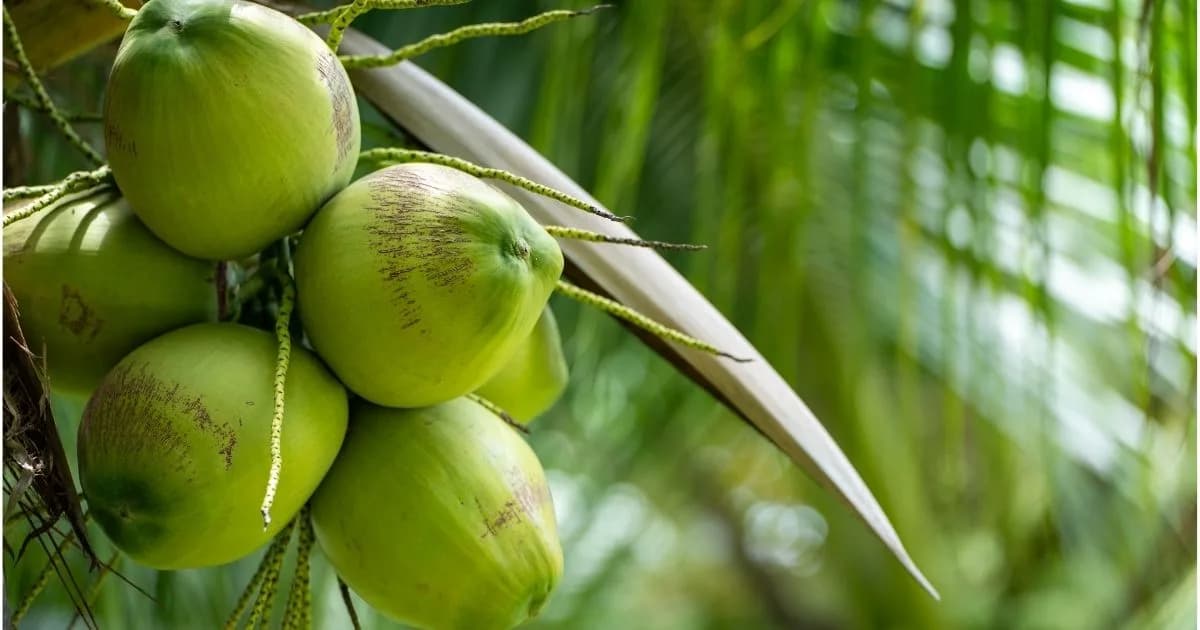
Fresh coconut water is one of the world's fastest-growing natural beverages, but delivering it safely to international consumers requires far more than simply collecting liquid from young coconuts. The coconut water processing journey combines strict raw material selection, hygienic manufacturing, quality assurance, and export-ready packaging to preserve freshness while meeting global food safety standards.
For importers, distributors, retailers, and VINUT branded distribution buyers, understanding how coconut water is processed helps evaluate supplier capabilities, product consistency, and long-term business reliability.
This guide explains the complete coconut water production process, from coconut sourcing to export shipment, while highlighting the quality factors international buyers should consider.
1. How Is Coconut Water Processed for Export?
In short, export-quality coconut water follows a controlled manufacturing process that typically includes:
- Selecting coconuts at the appropriate maturity
- Washing and inspecting raw materials
- Hygienic extraction of coconut water
- Filtration and clarification
- Product standardization when required
- Controlled processing for food safety and shelf stability
- Filling into sterilized cans or bottles
- Packaging inspection
- Batch coding, warehousing, and export preparation
The exact process varies by manufacturer, packaging format, and destination market, but every professional canned coconut water processing facility should prioritize food safety, consistency, and traceability.
2. Why Coconut Water Processing Matters for Global Buyers
Choosing a supplier is not just about finding the right flavor. The quality of the manufacturing process determines regulatory compliance, product stability, and the overall consumer experience.
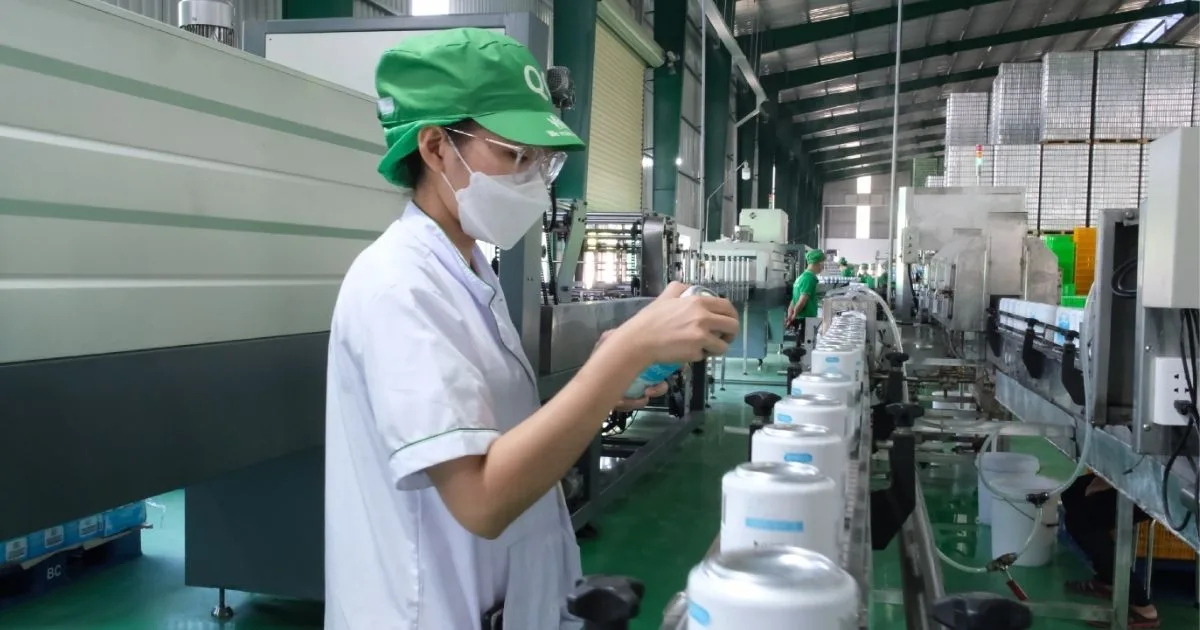
A strict quality control process helps maintain consistent product quality.
2.1. Food Safety and Microbiological Control
International buyers expect coconut water to be processed under strict food safety controls. Proper processing reduces microbiological risks and helps ensure compliance with global import requirements.
2.2. Shelf Stability and Shipping Readiness
Export products often spend weeks in containers before reaching distributors. Controlled processing helps maintain product quality throughout transportation, warehousing, and retail distribution without compromising safety.
2.3. Taste Consistency Across Batches
Consumers expect the same taste every time they purchase a product. Well-managed manufacturing controls natural variations between coconut harvests to deliver consistent sweetness, aroma, and appearance across production lots.
3. Step-by-Step Coconut Water Processing Flow
3.1. Coconut Sourcing and Maturity Control
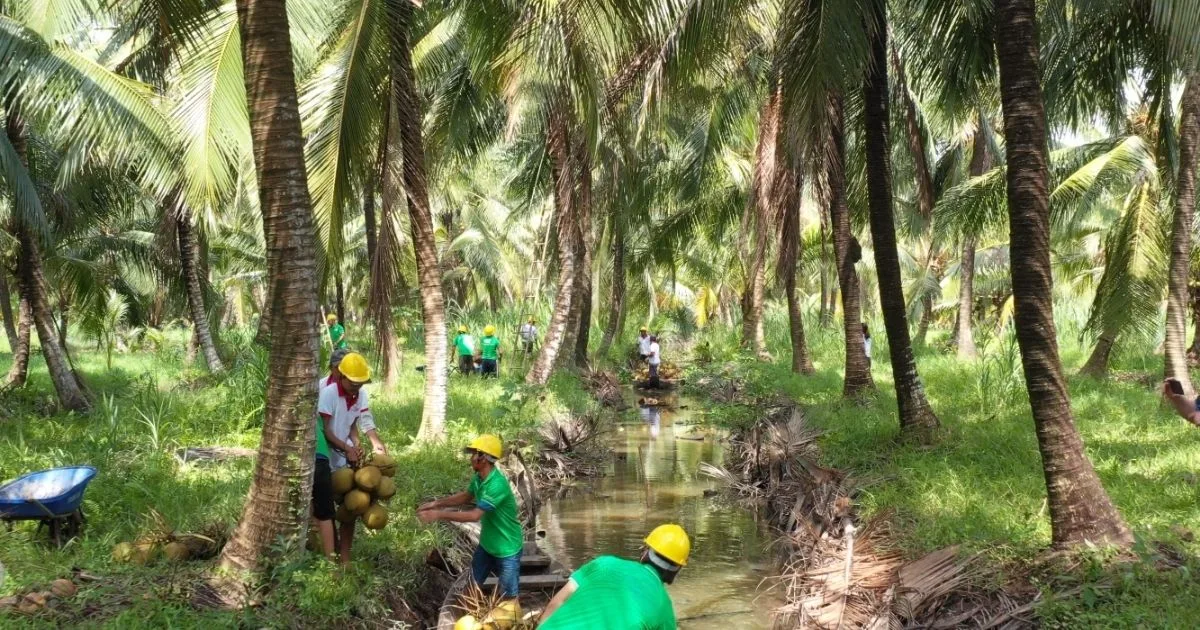
Coconut sourcing and maturity control.
The process begins with selecting suitable coconuts from qualified farms. Manufacturers evaluate:
- Coconut variety
- Harvest season
- Fruit maturity
- Water volume
- Natural sweetness
- External quality
Proper maturity significantly influences flavor, Brix level, and overall drinking experience.
3.2. Washing, Sorting and Raw Material Inspection
Before extraction, coconuts are thoroughly cleaned to remove dust and contaminants. Each batch undergoes inspection for:
- Physical defects
- Cracks
- Mold
- Mechanical damage
- Foreign materials
- Only qualified raw materials proceed to production.
3.3. Extraction of Coconut Water
The coconut water is extracted under hygienic conditions using food-grade equipment designed to reduce contamination risks.
Efficient extraction minimizes unnecessary exposure to air, helping preserve the beverage's natural characteristics before further processing.
3.4. Filtration and Clarification
Fresh coconut water naturally contains fine particles.
Filtration removes unwanted solids while maintaining the beverage's clean appearance and pleasant mouthfeel. Depending on product specifications, clarification may also improve visual consistency.
3.5. Formulation or Standardization When Required
Not every coconut water product is identical.
Depending on customer requirements, manufacturers may standardize certain characteristics to maintain consistent quality between production batches.
The formulation depends on product positioning and destination market regulations.
3.6. Controlled Treatment for Safety and Shelf Stability
One of the most important stages in the coconut water manufacturer process is controlled treatment to reduce microorganisms and extend shelf life.
Manufacturers apply processing methods that aim to preserve the natural flavor as much as possible.
The objective is to produce a safe beverage suitable for international distribution.
3.7. Filling, Can Seaming and Packaging Integrity Checks
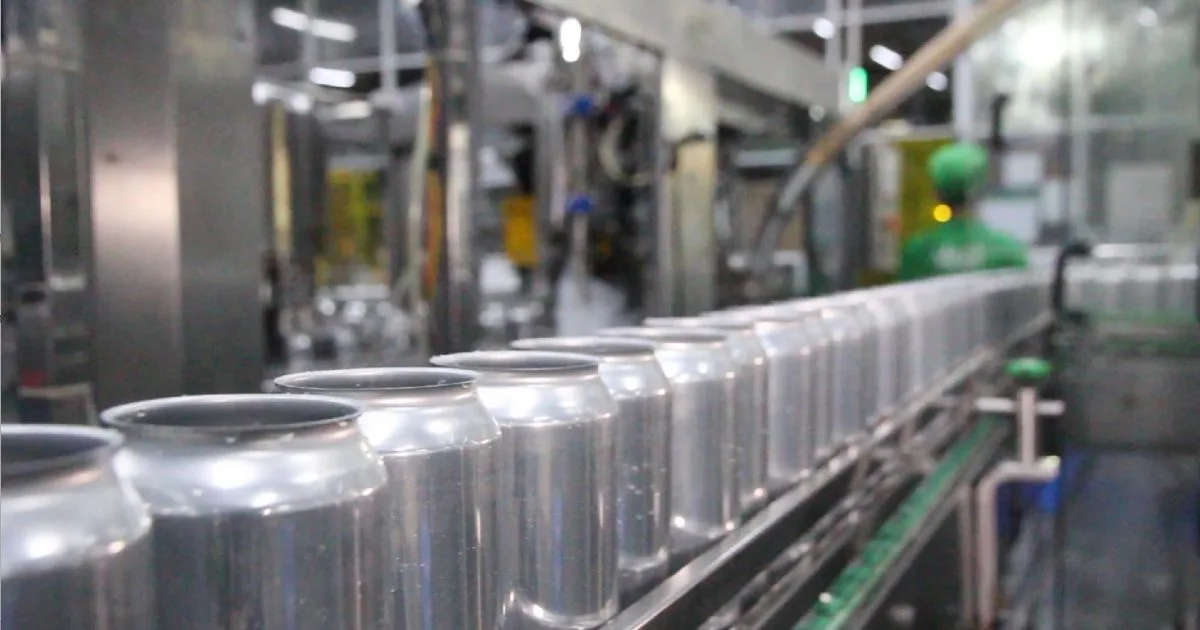
After processing, coconut water is filled into sanitized containers such as aluminum cans, PET bottles, or glass bottles.
After processing, coconut water is filled into sanitized containers such as aluminum cans, PET bottles, or glass bottles. Quality control includes:
- Fill volume verification
- Container integrity
- Seam inspection for cans
- Cap torque testing for bottles
- Leak testing
- Visual inspection
Packaging integrity is essential for export performance.
3.8. Coding, Storage and Export Preparation
Finished products receive batch identification codes for complete traceability. Products are then:
- Cartoned
- Palletized
- Stored under suitable warehouse conditions
- Prepared for export documentation
- Loaded into containers for shipment
Proper inventory management ensures product freshness throughout the supply chain.
4. Key Quality Parameters Importers Should Ask About
4.1. Brix, pH and Sensory Consistency
Professional suppliers monitor critical quality indicators including:
- Brix
- pH
- Color
- Aroma
- Flavor
- Appearance
These measurements help maintain consistent product quality.
4.2. Packaging Integrity and Best-Before Dating
Packaging quality affects both transportation performance and consumer confidence. Importers should confirm:
- Shelf life
- Packaging specifications
- Storage recommendations
- Date coding format
4.3. Batch Traceability and Export Documents
Reliable manufacturers should provide complete export documentation, which may include:
- Commercial Invoice
- Packing List
- Certificate of Origin
- Health Certificate (where applicable)
- Phytosanitary or other destination-specific documents if required
- Certificate of Analysis
5. Processing Considerations by Product Type
5.1. Organic Coconut Water
Organic production requires certified raw materials, segregation from conventional ingredients, and compliance with applicable organic certification standards.
5.2. Coconut Water Original
Original coconut water focuses on preserving the beverage's authentic taste while achieving food safety and shelf stability suitable for export.
5.3. Coconut Water with Pulp
Products containing coconut pulp require additional controls for ingredient quality, distribution consistency, and packaging performance.
5.4. Coconut Water with juice
Fruit-flavored coconut water requires careful formulation to achieve balanced flavor while maintaining product stability and regulatory compliance.
6. Common Misunderstandings About Processed Coconut Water
6.1. Coconut Processed Does Not Always Mean Artificial
Food processing is essential for producing beverages that are safe, stable, and suitable for international distribution. Processing itself does not imply artificial ingredients.
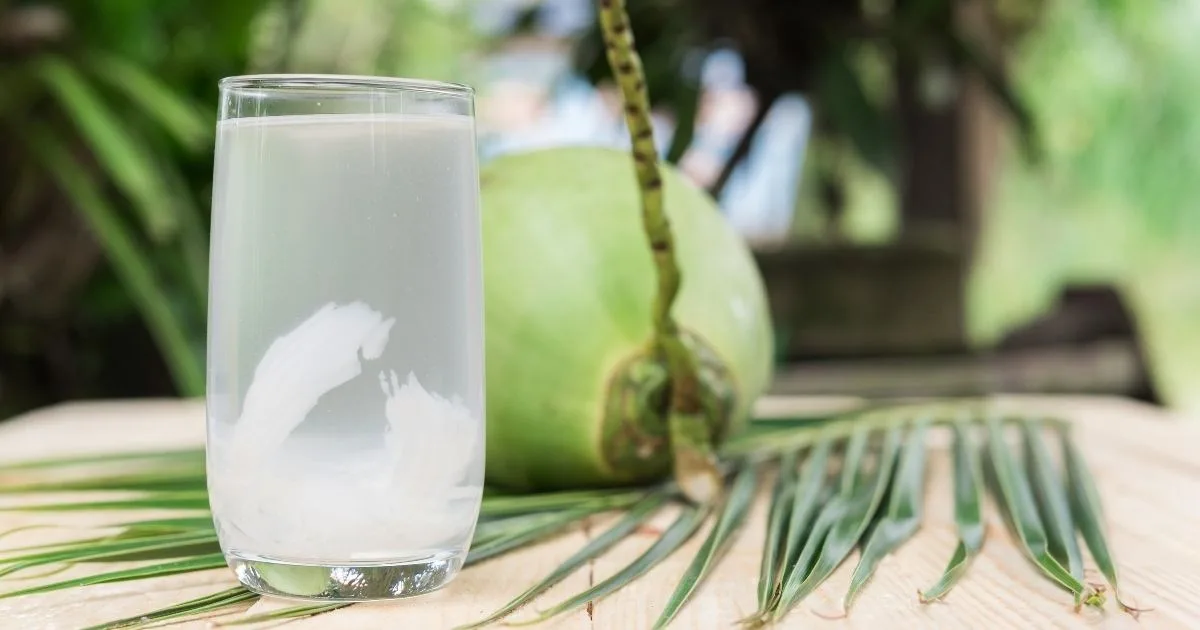
Coconut Processed Does Not Always Mean Artificial.
6.2. Not From Concentrate Is Different from Raw or Unprocessed
"Not From Concentrate (NFC)" means the product is not reconstituted from concentrate. It does not necessarily mean the beverage is raw or has received no processing.
6.3. Shelf-Stable Packaging Still Requires Quality Control
Shelf-stable beverages depend on both proper processing and packaging integrity. Ongoing quality assurance remains critical throughout manufacturing.
7. Buyer Checklist Before Sourcing Coconut Water
7.1. Questions to Ask the Manufacturer
Before selecting a supplier, buyers should ask:
- Which food safety certifications does your factory hold?
- What is your production capacity?
- What packaging formats are available?
- Can you support OEM or VINUT branded distribution production?
- Which export markets do you currently serve?
- How is product traceability managed?
7.2. Documents to Request Before Shipment
Buyers should request:
- Certificate of Analysis (COA)
- Product Specification Sheet
- Ingredient List
- Nutrition Facts
- Food Safety Certifications
- Certificate of Origin
- Commercial Invoice
- Packing List
Processing Turns Coconut Water into an Export-Ready Beverage Understanding how is coconut water made for export allows buyers to evaluate suppliers beyond pricing alone. A professional coconut water processing system ensures food safety, product consistency, packaging reliability, and compliance with international trade requirements. Whether sourcing canned coconut water processing solutions or developing a VINUT branded distribution beverage, partnering with an experienced manufacturer with robust quality management systems can help reduce supply chain risks and support long-term business growth in global markets. |