
I/What Is Coconut Water?
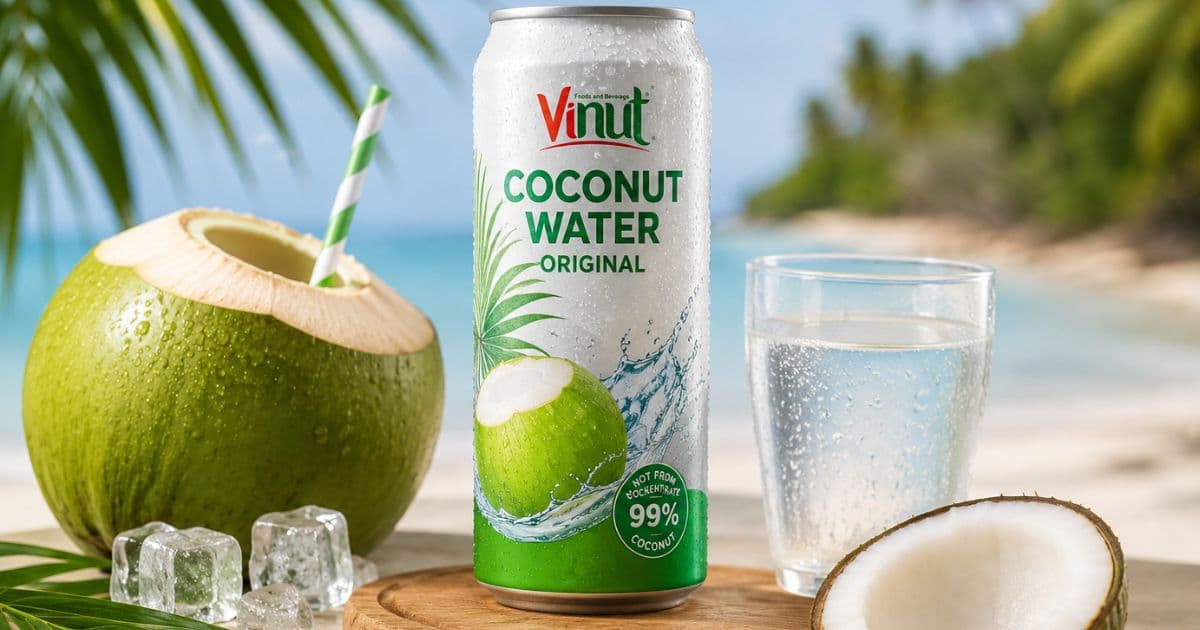
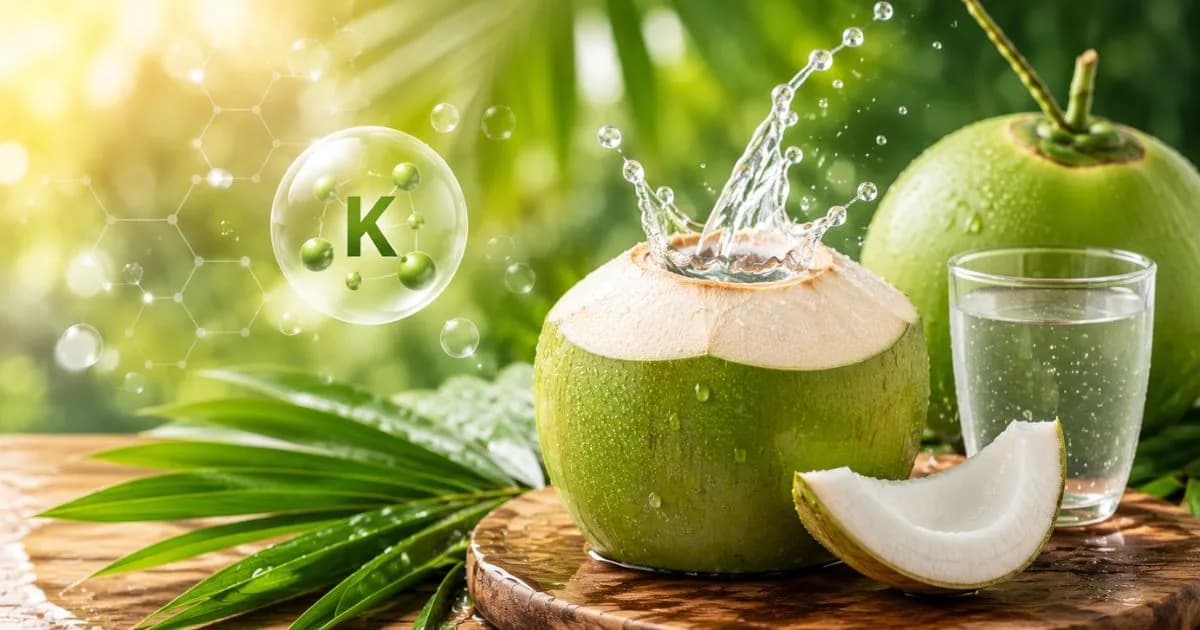
Coconut water is the clear liquid naturally found inside young green coconuts. It is different from coconut milk, which is made by blending coconut flesh with water. Coconut water is naturally low in fat and contains electrolytes such as potassium, sodium, and magnesium.
Today, coconut water is widely consumed across Asia, Europe, the Middle East, and North America because consumers are increasingly looking for beverages that feel lighter, more natural, and refreshing.
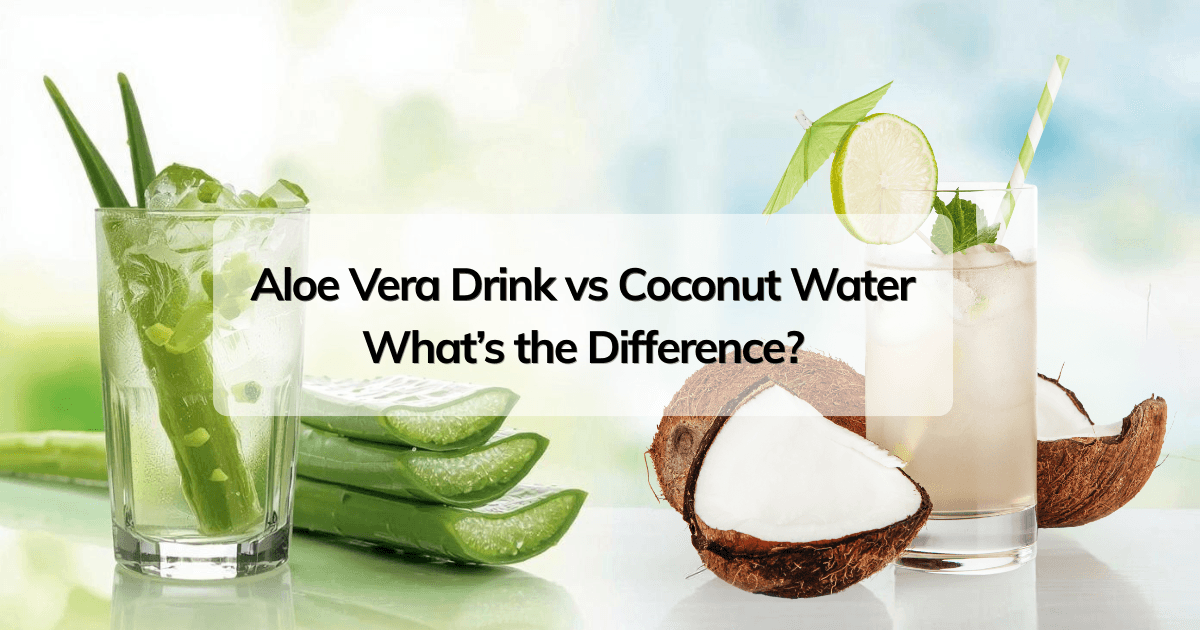
1.Coconut Water vs Coconut Milk
Coconut water and coconut milk are often confused, but they serve very different purposes:
- Coconut water is naturally clear and refreshing
- Coconut milk is creamy and higher in fat
- Coconut water is commonly used for hydration
- Coconut milk is often used in cooking and desserts
2. Why Coconut Water Is Popular in Tropical Beverage Markets
Tropical beverage markets continue to grow because consumers are interested in fruit-based drinks, natural ingredients, and convenient wellness beverages. Coconut water fits these trends perfectly due to its clean-label appeal and refreshing taste.
II/ Coconut Water Nutrition at a Glance
One reason consumers choose coconut water is its simple nutritional profile. While exact values vary by brand and formulation, coconut water is generally known for being low in fat and containing naturally occurring electrolytes.
1. Calories and Natural Sugars
Many people ask: How many calories are in coconut water?
- Coconut water is generally lower in calories than many sugary soft drinks or flavored beverages. It also contains naturally occurring sugars from the coconut itself.
- This makes it appealing for consumers who want a lighter beverage option without the heaviness of carbonated soft drinks.
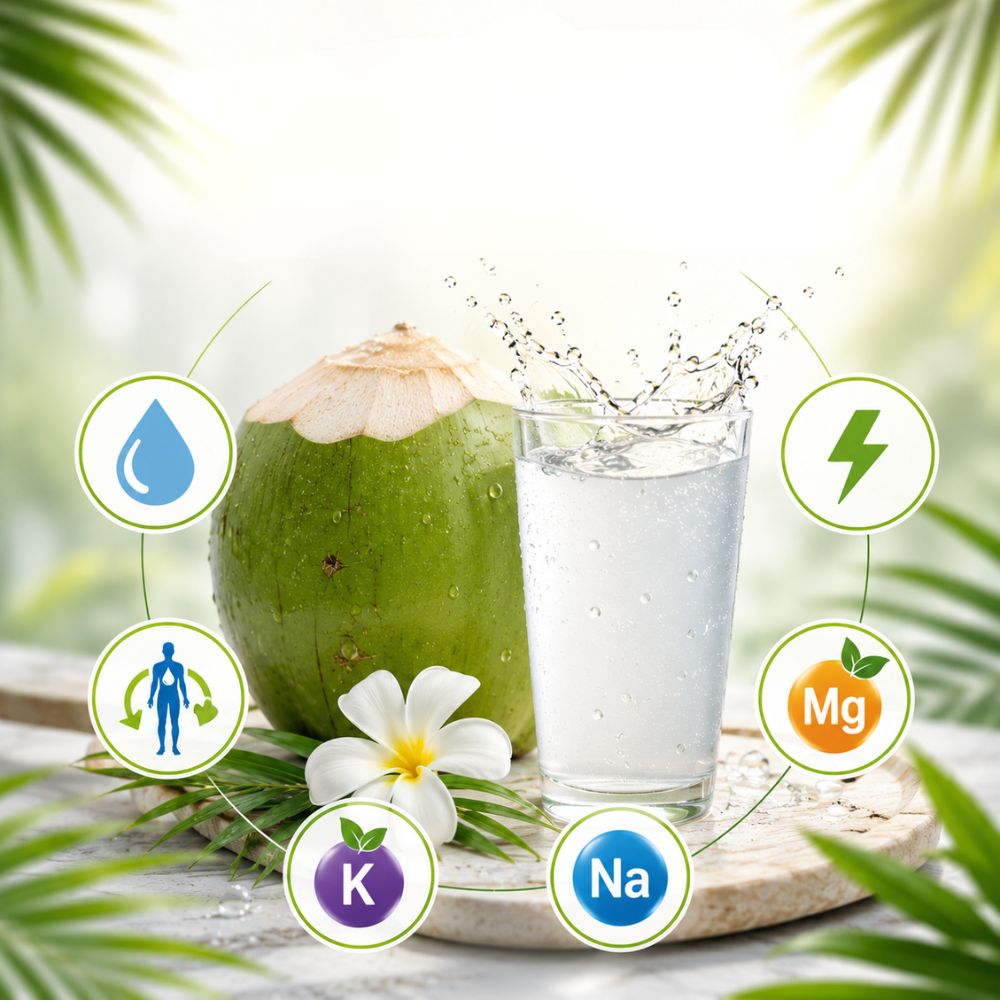
2. Electrolytes: Potassium, Sodium, Magnesium
A major reason for the popularity of coconut water hydration is its electrolyte content.
Electrolytes found in coconut water may include:
- Potassium
- Sodium
- Magnesium
- Manganese