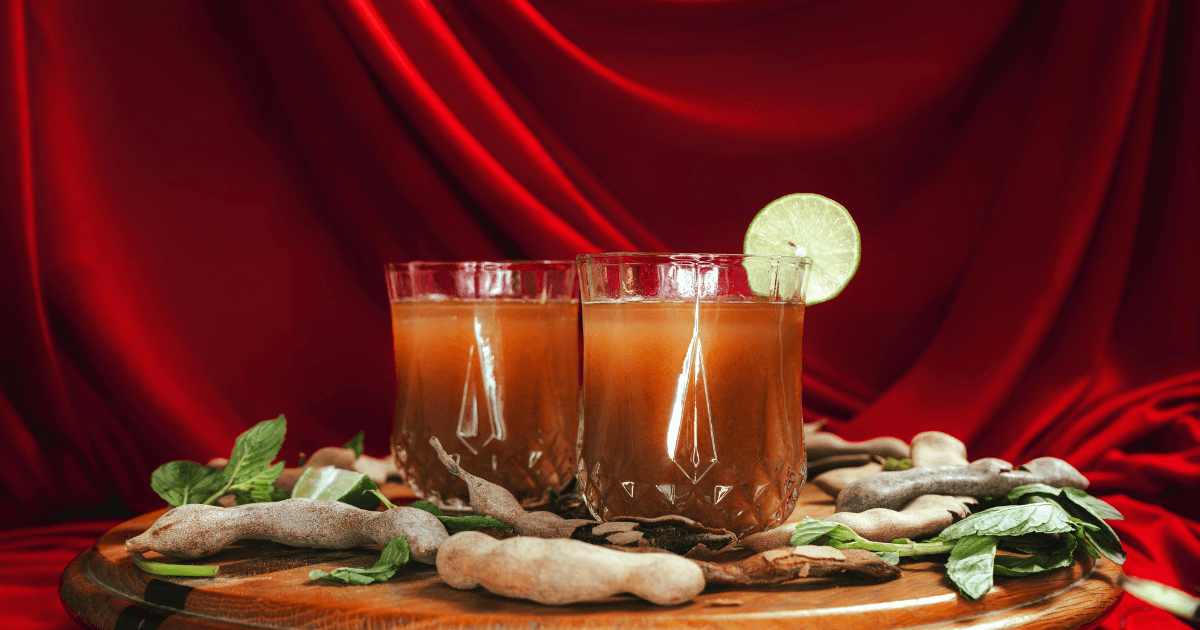
For beverage importers and distributors, importing tamarind juice can be a highly profitable opportunity thanks to the growing demand for exotic fruit drinks and ethnic beverages worldwide. Tamarind juice is widely appreciated for its unique sweet-and-tangy flavor, making it attractive in supermarkets, convenience stores, and specialty food channels.
However, before placing an order, buyers need to ask the right questions to ensure product quality, market fit, and smooth logistics. Below are the most important questions every importer should consider.
1. What Is the Product Specification and Ingredient Quality?
The first question when importing tamarind juice should always be about product specifications.
Buyers should confirm:
- Tamarind juice concentration
- Sugar level / Brix
- Added ingredients or preservatives
- Natural flavoring and color
- Shelf life
- Packaging size options
Understanding the formulation helps determine whether the product matches consumer preferences in your target market.
For example, some markets prefer:
- high fruit content
- less sugar
- organic or natural ingredients
- no artificial preservatives
Always request a product specification sheet (TDS) and ingredient list before importing.
2. Does the Product Meet Import Regulations?
One of the most critical concerns in importing tamarind juice is compliance with local regulations.
Ask your supplier:
- Does the product meet FDA / EU / local food standards?
- Are certificates available?
- Is the label compliant with destination country requirements?
- Are ingredients approved for import?
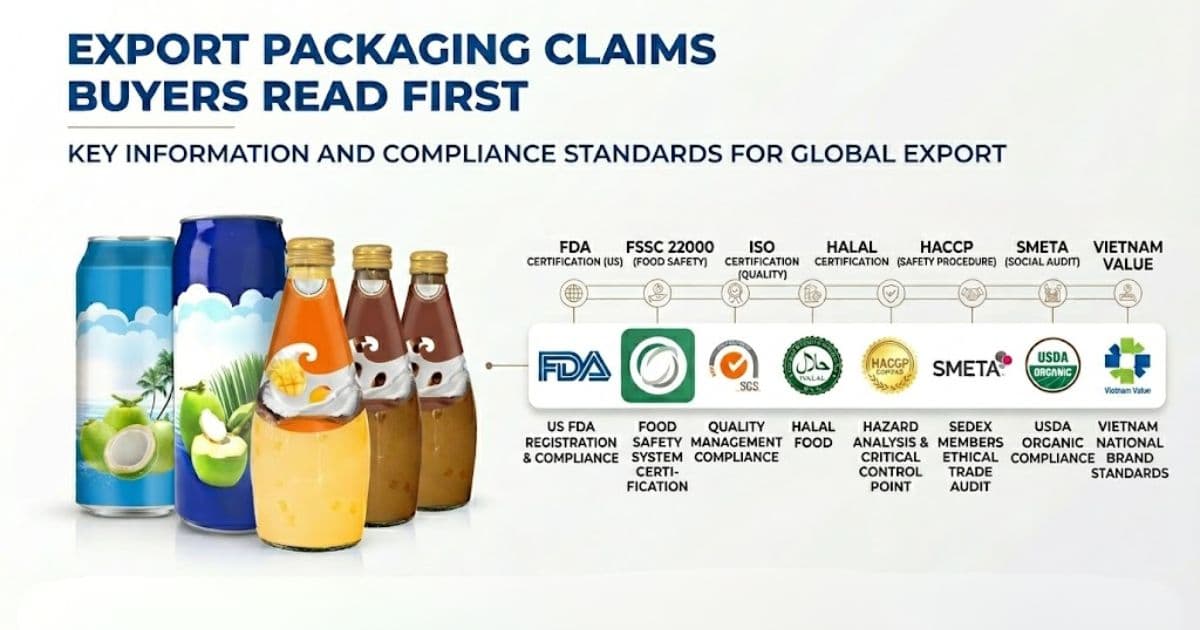
Important documents may include:
- HACCP
- ISO
- GMP
- FDA registration
- Health certificate
- Certificate of origin
- MSDS (if required)
For importers, compliance issues can lead to customs delays or rejected shipments.
3. What Packaging Options Are Available?
Packaging plays a major role in product success.
Before importing tamarind juice, ask whether the supplier offers:
- cans (250ml, 330ml)
- PET bottles
- glass bottles
- Tetra Pak
- bulk packaging
Different sales channels require different packaging.
For example:
- retail supermarkets → sleek cans or PET bottles
- horeca / restaurants → glass bottles
- wholesalers → carton bulk packs
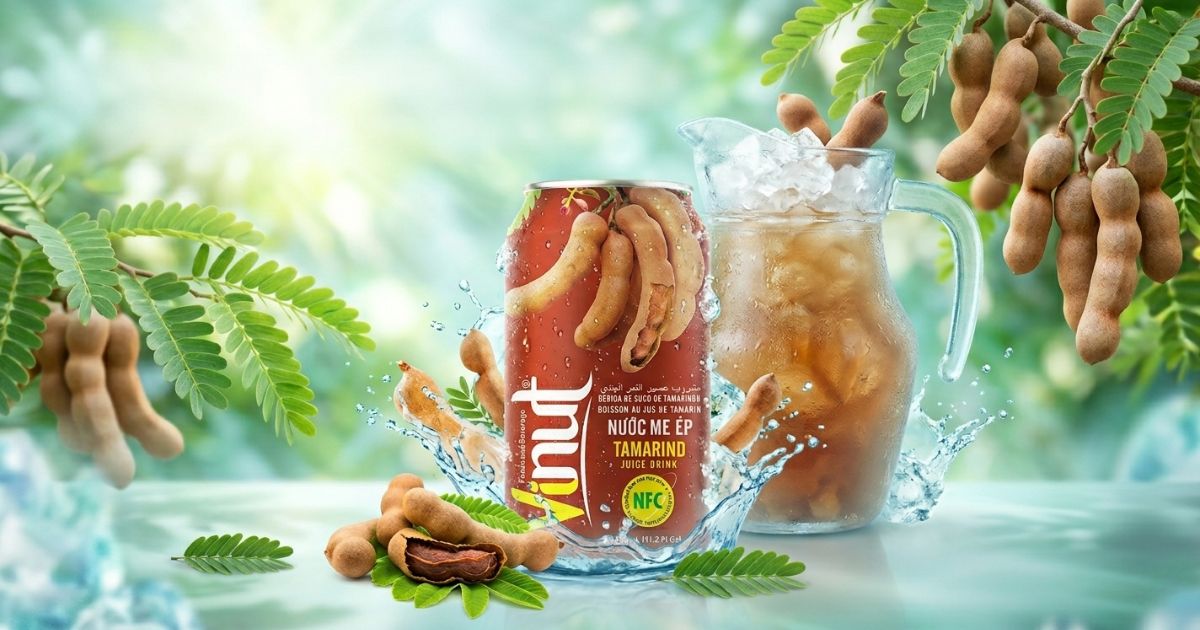
If you are building your own brand, ask about VINUT branded distribution / OEM / ODM services.
4. What Is the MOQ and Pricing Structure?
Import buyers must clearly understand commercial terms.
Important questions include:
- What is the minimum order quantity (MOQ)?
- How many cartons per container?
- What is the FOB price?
- What is the CIF price?
- Are volume discounts available?
When importing tamarind juice, price competitiveness is essential for reseller margins.
A supplier should provide clear pricing based on:
- 20ft container
- 40ft container
- mixed SKU loading
- VINUT branded distribution orders
5. What Is the Shelf Life and Storage Requirement?
Shelf life directly affects inventory turnover.
Ask:
- How long is the shelf life?
- What is the production lead time?
- What storage temperature is required?
For international buyers, longer shelf life means better flexibility for sea freight and warehouse distribution.
Most importers prefer products with 12–24 months shelf life.
6. Can the Supplier Support VINUT branded distribution Branding?
Many importers want exclusive products for their market.
Therefore, before importing tamarind juice, ask if the manufacturer supports:
- market labeling guidance design
- custom flavor profile
- custom packaging size
- exclusive formula
- market exclusivity
This is especially important for distributors who want to differentiate from competitors.
7. What Are the Shipping and Lead Times?
Logistics is one of the most important buyer concerns.
Key questions:
- How long is production time?
- How many days for shipping?
- Which port is used?
- Can mixed products be loaded in one container?
Reliable lead time helps buyers plan promotions and inventory.
Conclusion
Successful importing tamarind juice starts with asking the right questions. Product quality, certification, pricing, packaging, and logistics all directly impact your profitability and customer satisfaction.
For distributors and importers, working with an experienced beverage manufacturer who understands export requirements is the key to long-term business success.
Key Buyer Questions Before Importing Tamarind Juice
Q: What are the most important certifications for a tamarind juice exporter?
A: For B2B importers, tamarind juice is commonly supplied in aseptic bags within drums or cartons for bulk manufacturing. For retail-ready products, options include aluminum cans, glass bottles, or PET bottles, often packed in cartons for shipping.
Q: What are the common packaging options for B2B tamarind juice imports?
A: For B2B importers, tamarind juice is commonly supplied in aseptic bags within drums or cartons for bulk manufacturing. For retail-ready products, options include aluminum cans, glass bottles, or PET bottles, often packed in cartons for shipping.
Q: What is the typical shelf life for aseptically packaged tamarind juice?
A: Aseptically packaged tamarind juice typically has a shelf life of 12 to 24 months when stored in a cool, dry place. The exact duration depends on the specific formulation, ingredients, and packaging technology used by the manufacturer.