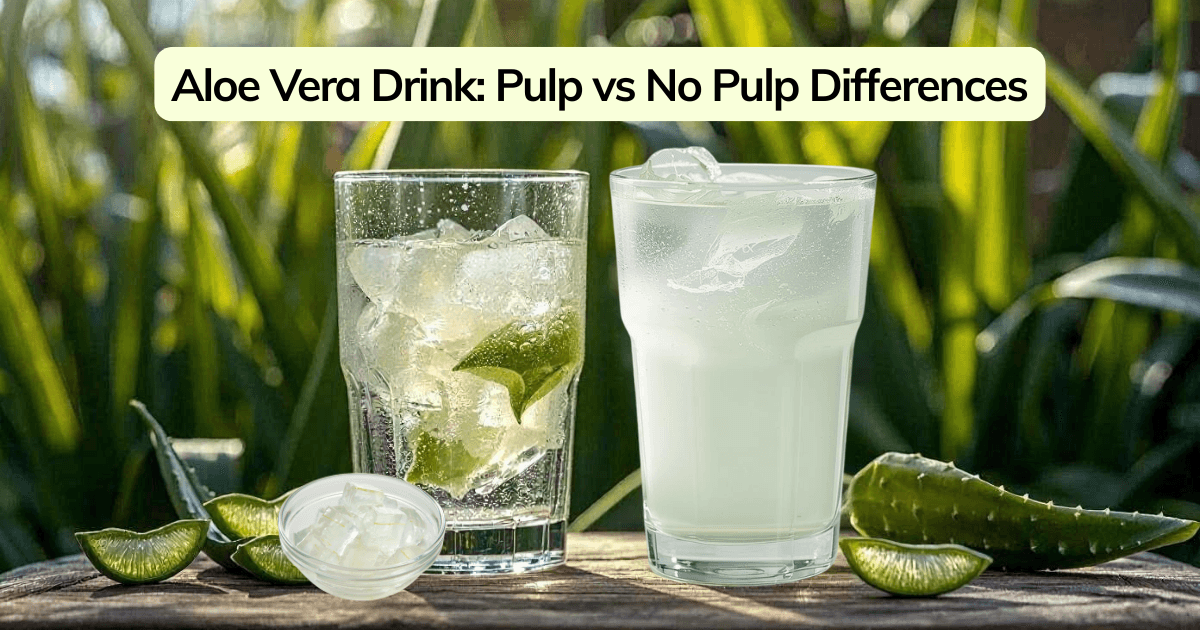
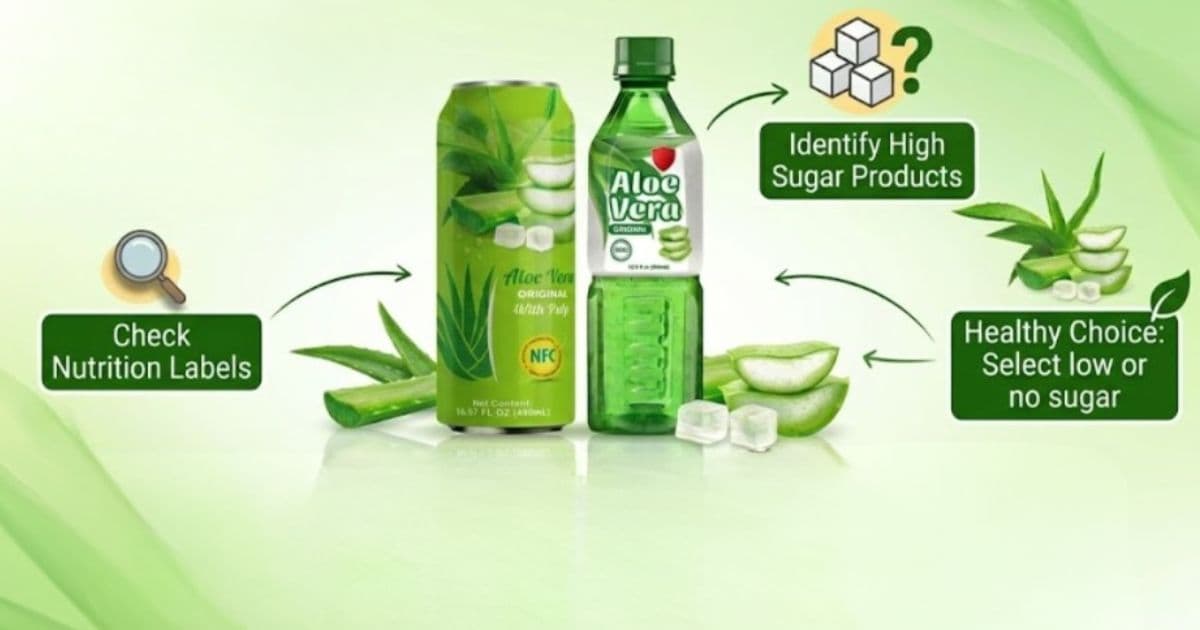
Sugar levels in commercial aloe vera drinks are a critical formulation variable, ranging from zero-sugar options designed for health-conscious markets to fully sweetened beverages where sugar content can be comparable to traditional soft drinks.
I/ What Sugar Levels in Aloe Vera Drinks Mean
Sugar levels refer to the total amount of sugar present in a beverage, usually measured in grams per 100 ml or per serving. This value helps consumers compare different drinks and estimate daily sugar intake.
In aloe vera drinks, sugar can come from several sources:
- Natural sugar from aloe vera gel
- Added sugar such as sucrose or glucose syrup
- Natural sweeteners
- Artificial sweeteners
Because aloe vera itself has a mild and slightly bitter taste, manufacturers often add sweeteners to improve flavor, which increases sugar levels in the final product.
II/ Why Are Consumers Concerned About Sugar in Drinks?
Consumers today are more aware of sugar-related health concerns such as:
- Weight gain
- Type 2 diabetes
- Tooth decay
- Blood sugar spikes
This is driving demand for healthier beverages, including low-sugar functional drinks and plant-based beverages.
III/ Why Do Sugar Levels in Aloe Vera Drinks Vary?
Aloe vera drinks are made using different formulas. Some products contain mostly pure aloe vera juice, while others mix in sweeteners and fruit flavors.
Factors that affect sugar content include:
- Added cane sugar
- Fruit juice concentrate
- Artificial sweeteners
- Natural fruit flavoring
- Serving size per bottle or can
For example, an original aloe vera drink may contain 8g of sugar per serving, while a mango aloe vera drink or strawberry aloe beverage may contain 15g or more.

IV/ Types of Sugar Found in Aloe Vera Drinks
Understanding the type of sugar is as important as knowing the amount.
1.Natural Sugar
Natural sugar comes from aloe vera and fruit ingredients. It is usually part of the plant’s carbohydrate structure and is often accompanied by small amounts of nutrients.
2. Added Sugar
Added sugar is introduced during processing to enhance taste and consumer appeal. This type of sugar increases calories and is often the main contributor to high sugar levels.
3. Total Sugar
Total sugar includes both natural and added sugar and is commonly shown on nutrition labels.
Learning to distinguish these types helps consumers better understand what they are drinking.
V/ Frequently Asked Questions (FAQ)
1. What is considered a high sugar level in a drink?
A beverage is generally considered high in sugar if it contains 9 grams or more of sugar per 100 ml. Drinks with 3-4g per 100ml are considered low in sugar.
2. Does aloe vera naturally contain sugar?
Yes, aloe vera gel contains a small amount of natural sugar. However, the majority of sugar in commercial aloe vera drinks is typically added during production to enhance flavor.
3. How do I read the sugar content on an aloe vera drink label?
To understand the sugar content, look for 'Total Sugar' and 'Added Sugar' on the nutrition facts panel. Also, check the 'Serving Size' to calculate your total intake from the container.
VI/ Conclusion
Sugar levels in aloe vera drinks are a key educational topic that helps consumers understand nutrition, manage sugar intake, and make informed beverage choices. By learning how to read labels, identify added sugar, and evaluate sugar content per 100 ml, individuals can develop healthier consumption habits and improve overall dietary awareness.