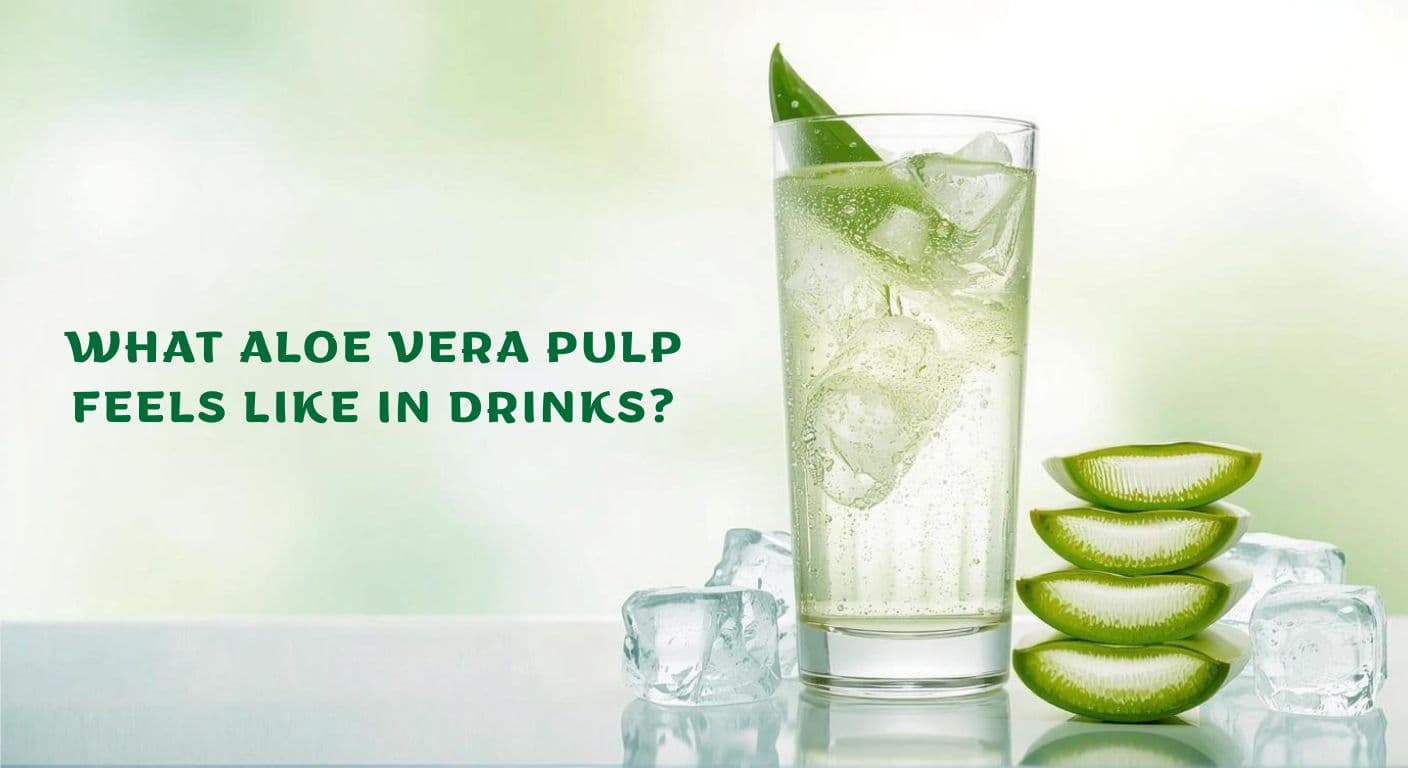
Aloe vera drinks have become increasingly popular in the functional beverage market, not only for their refreshing taste but also for their unique texture. One of the most distinctive features is the presence of aloe vera pulp. For first-time drinkers, a common question arises: what does aloe vera pulp actually feel like in drinks? Understanding this sensory experience can help you decide whether it suits your preferences.
1. The Unique Texture of Aloe Vera Pulp
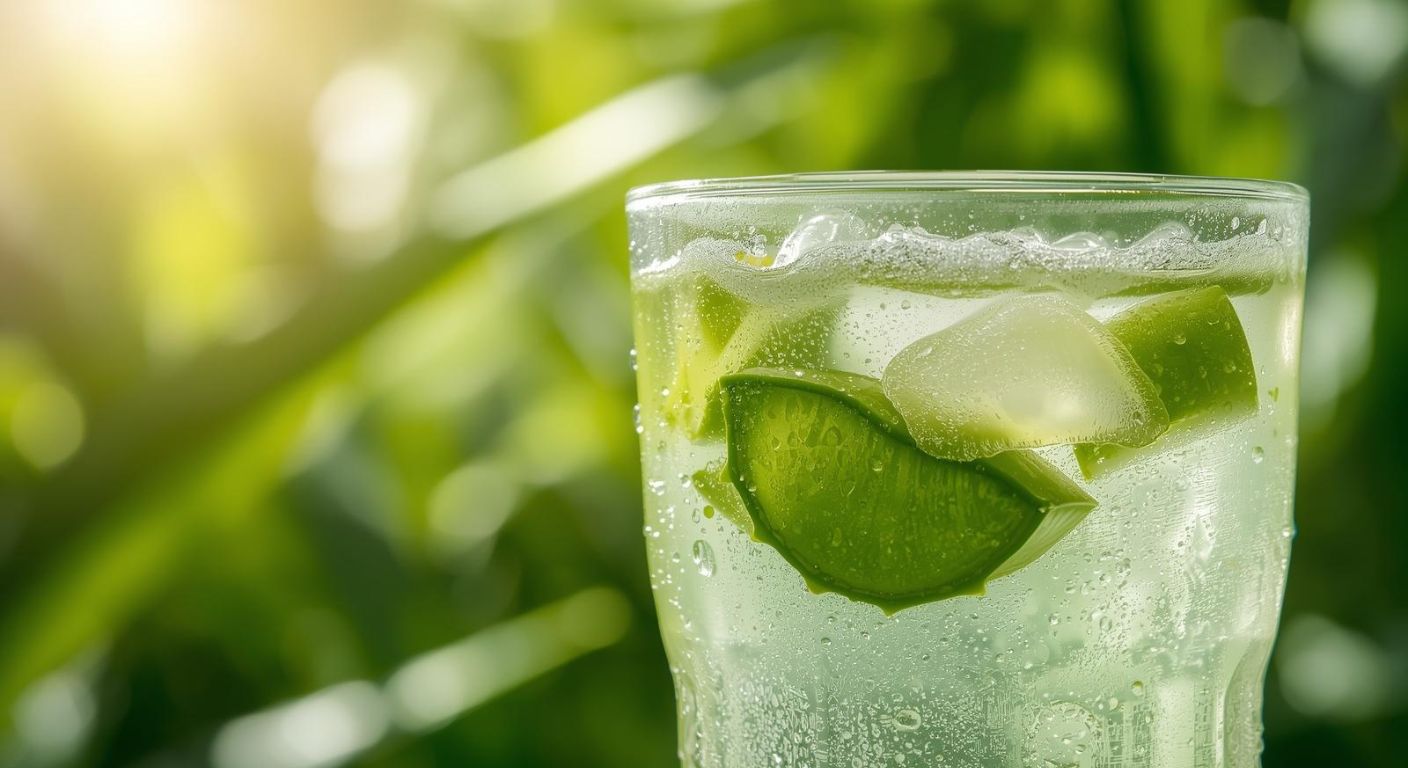
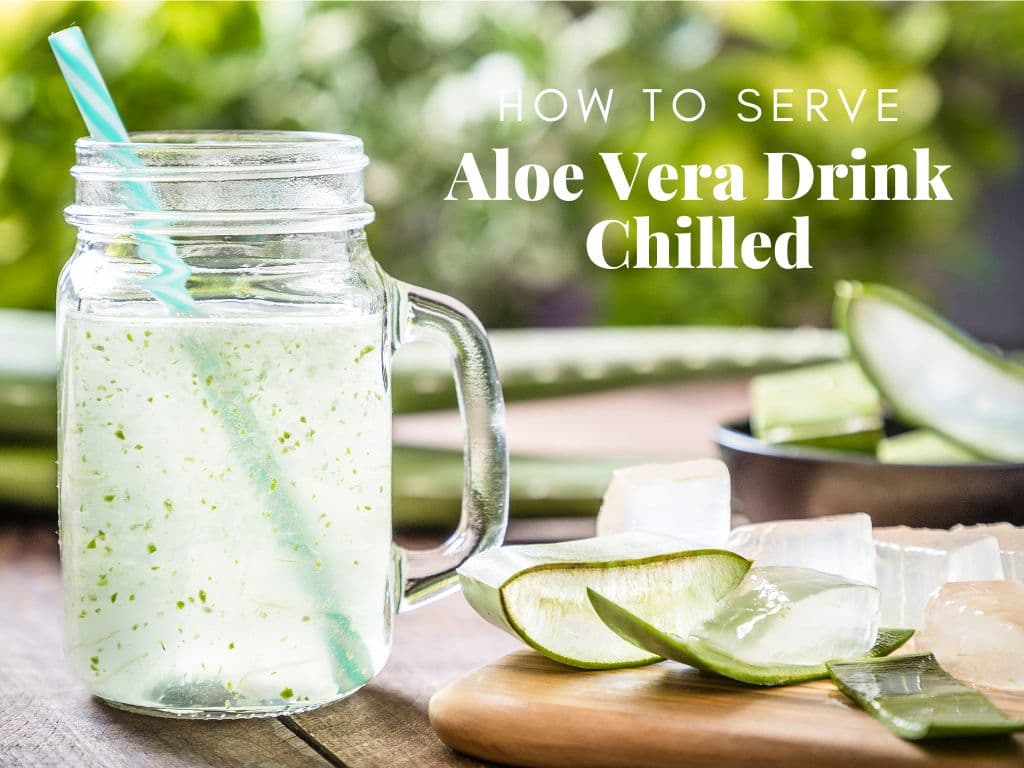
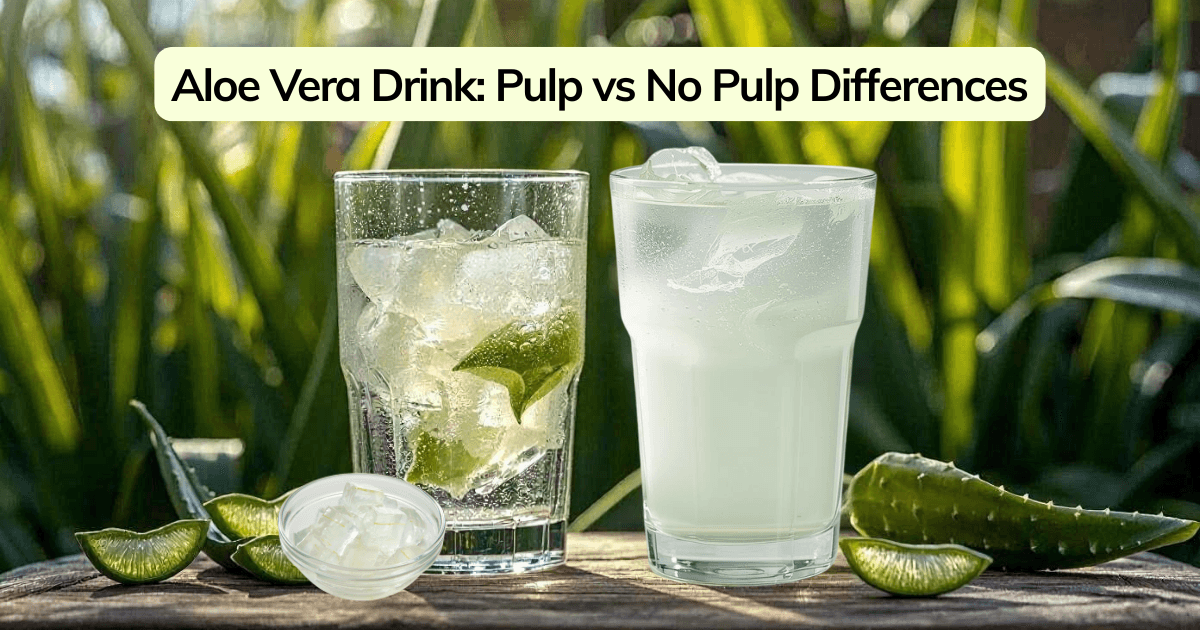
Aloe vera pulp is made from the inner gel of the aloe leaf, which is cut into small, soft cubes and suspended in liquid. When you take a sip, you’ll notice a combination of smooth liquid and gentle, chewy bits. The pulp itself is often described as:
- Soft and slightly firm: It’s not as tough as jelly but has more structure than juice.
- Lightly chewy: Similar to nata de coco or soft fruit bits in beverages.
- Cool and refreshing: Especially when the drink is served chilled.
This combination creates a multi-layered drinking experience, where texture plays just as important a role as flavor.
2. How It Compares to Other Drink Textures
If you’ve tried beverages with added textures before, aloe vera pulp might feel familiar. It shares similarities with:
- Bubble tea toppings (like coconut jelly, but softer)
- Fruit pulp juices (such as orange juice with pulp, but more defined)
- Gel-based desserts (though less sticky and more watery)
However, aloe vera pulp is lighter and less sugary in texture compared to many of these alternatives, making it feel more natural and less heavy on the palate.