VINUT
Ingredient & Origin Knowledge4 min readJune 17, 2026

Coconut Water Electrolytes Explained

V
VINUT Team157 views
Coconut Water Electrolytes Explained
Article Guide (13 sections)

I/ What Are Electrolytes?

Electrolytes are minerals that help regulate fluid balance, muscle function, and nerve activity in the body. They are essential for maintaining hydration and supporting normal physical functions.

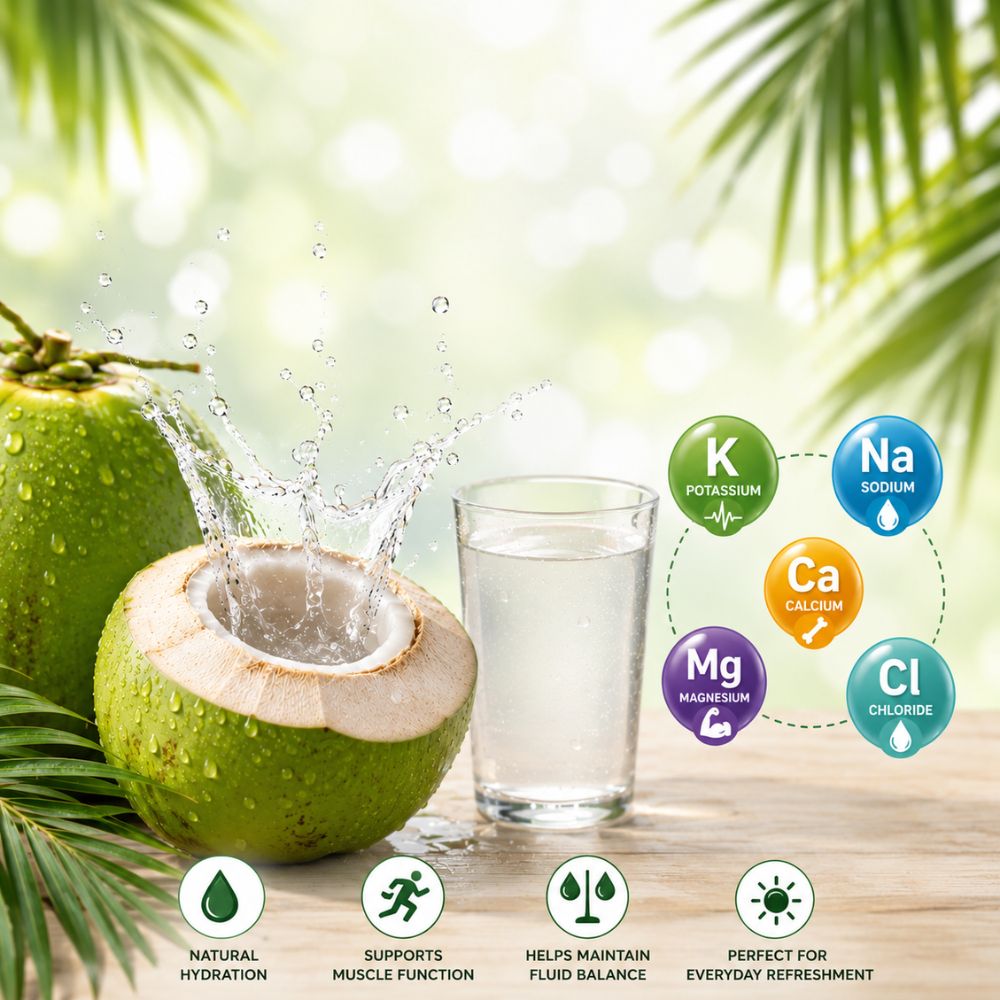
Common electrolytes include:

  • Potassium
  • Sodium
  • Calcium
  • Magnesium
  • Chloride

Electrolytes are naturally lost through sweat, especially during exercise or hot weather. This is why many hydration beverages contain minerals designed to help replenish the body.

II/ Does Coconut Water Naturally Contain Electrolytes?

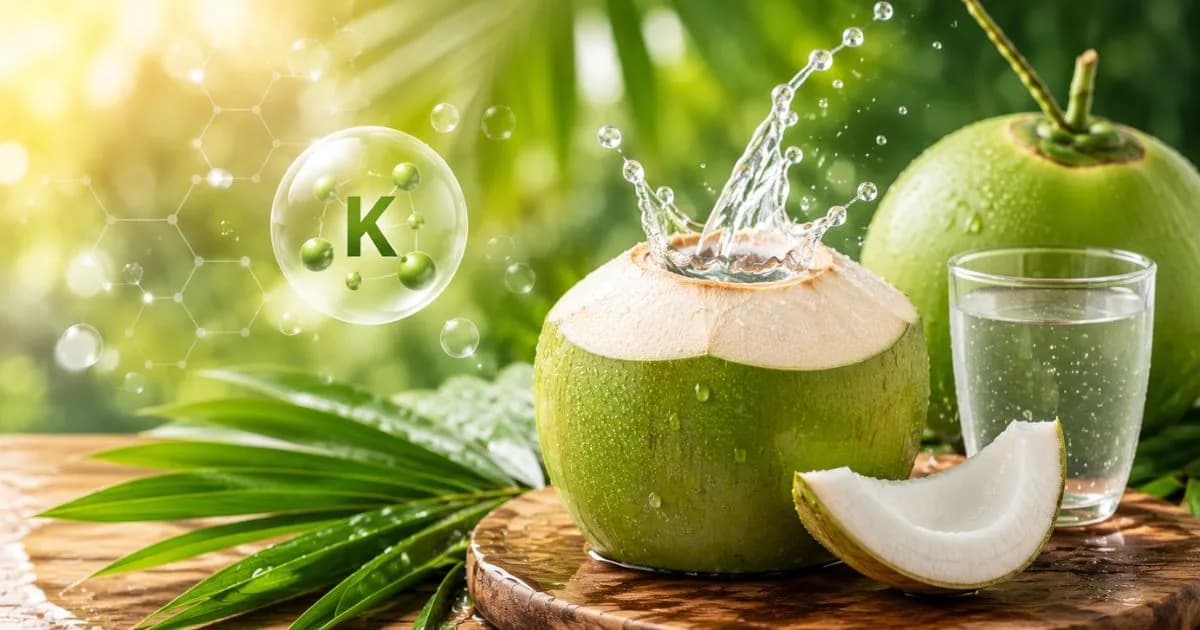
Yes. Coconut water naturally contains electrolytes because it is the liquid found inside young coconuts. Unlike many formulated sports drinks, coconut water provides naturally occurring minerals rather than added electrolyte blends.

Potassium is the most well-known electrolyte in coconut water. However, electrolyte levels can vary depending on:

  • Coconut variety
  • Harvest maturity
  • Processing method
  • Serving size
  • Product formulation

Because of these factors, there is no universal electrolyte value for all coconut water products.

III/ Main Electrolytes Found in Coconut Water

1.Potassium

Potassium is the key electrolyte commonly associated with coconut water. It plays a role in fluid balance and muscle function.

Many consumers choose coconut water because it is naturally rich in potassium compared with traditional soft drinks.

2. Sodium

Coconut water also contains sodium, although usually in lower amounts than many sports drinks.

This makes coconut water suitable for everyday hydration and light activity, while people involved in long endurance exercise or heavy sweating may require additional sodium replacement.

3. Calcium, Magnesium, and Chloride

Depending on the product, coconut water may also contain smaller amounts of:

  • Calcium
  • Magnesium
  • Chloride

These minerals contribute to the overall electrolyte profile of coconut water products.
IV/ Is Coconut Water a Good Electrolyte Drink?

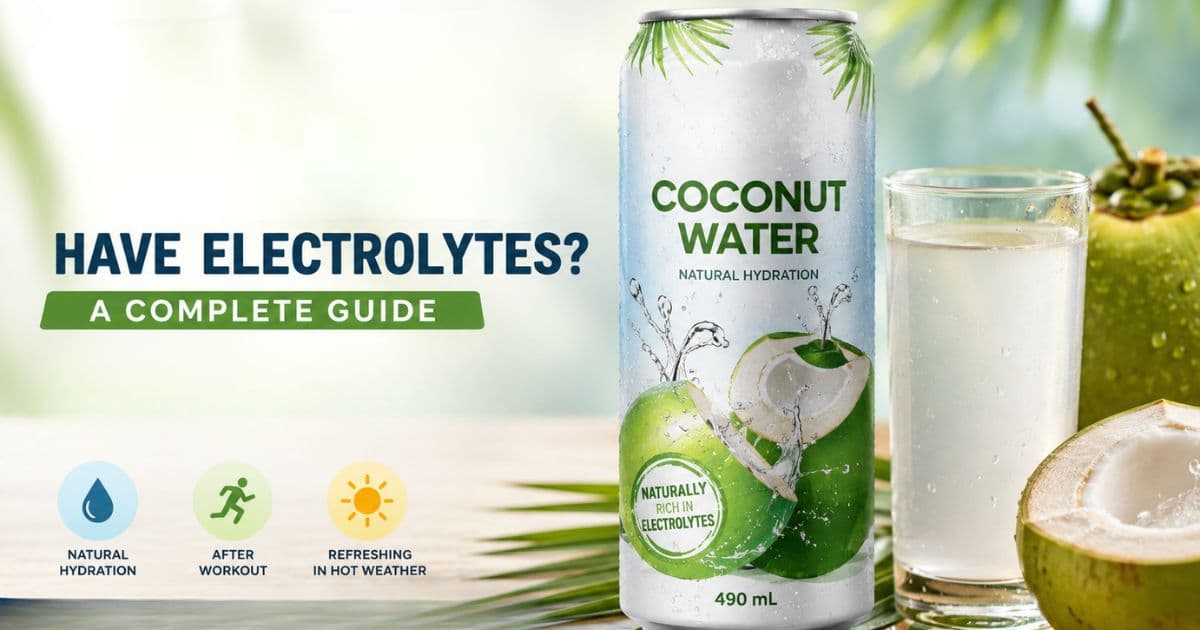
Coconut water can be a good natural electrolyte beverage for everyday hydration and light physical activity.

Its potassium-focused electrolyte profile makes it different from many sports drinks, which are often formulated with higher sodium levels.

Coconut water may fit hydration needs for:

  • Daily refreshment
  • Warm weather
  • Casual workouts
  • Walking or yoga
  • Light gym sessions

However, people participating in high-intensity exercise or endurance sports may require beverages with higher sodium and carbohydrate levels.

Naturally Contain Electrolytes

V/ When Coconut Water May Not Be Enough

Although coconut water contains electrolytes, it may not be suitable for every hydration situation.

For example:

  • Long endurance exercise may require higher sodium replacement
  • Heavy sweating can increase electrolyte loss
  • Illness-related dehydration should follow medical guidance
  • Individuals managing potassium intake should consult healthcare professionals

Coconut water should not be presented as a replacement for oral rehydration solutions or medical hydration products.

VI/ Conclusion

  • - Coconut water naturally contains electrolytes, especially potassium, along with smaller amounts of sodium and other minerals. It can support everyday hydration, warm-weather refreshment, and light physical activity.

  • - While coconut water may not replace specialized sports drinks for intense exercise or heavy sweating, it remains a popular natural hydration beverage for many consumers worldwide.

  • - Explore VINUT Coconut Water products to discover a refreshing coconut water option that fits your hydration preferences.
  • VII/ FAQ

  • 1.Does coconut water have electrolytes?

  • Yes. Coconut water naturally contains electrolytes including potassium, sodium, calcium, magnesium, and chloride.

  • 2. What electrolytes are in coconut water?

  • The main electrolytes in coconut water are potassium and sodium, along with smaller amounts of calcium, magnesium, and chloride.

  • 3. Is coconut water high in potassium?

  • Coconut water is commonly known for its potassium content compared with many soft drinks and flavored beverages.

  • 4. Is coconut water an electrolyte drink?

  • Coconut water can be considered a natural electrolyte beverage because it naturally contains minerals that support hydration.

  • 5. Can coconut water help after a workout?

  • Coconut water may support hydration after light or moderate exercise. Intense exercise may require additional sodium replacement.

More VINUT beverage guidance selected for this topic.

Related Topics

About the Author
V

VINUT Team

VINUT Editorial Team

The VINUT editorial team shares product updates, beverage category context, and B2B distribution guidance for international buyers.

Interested in our products?

Request a free sample or contact our sales team.