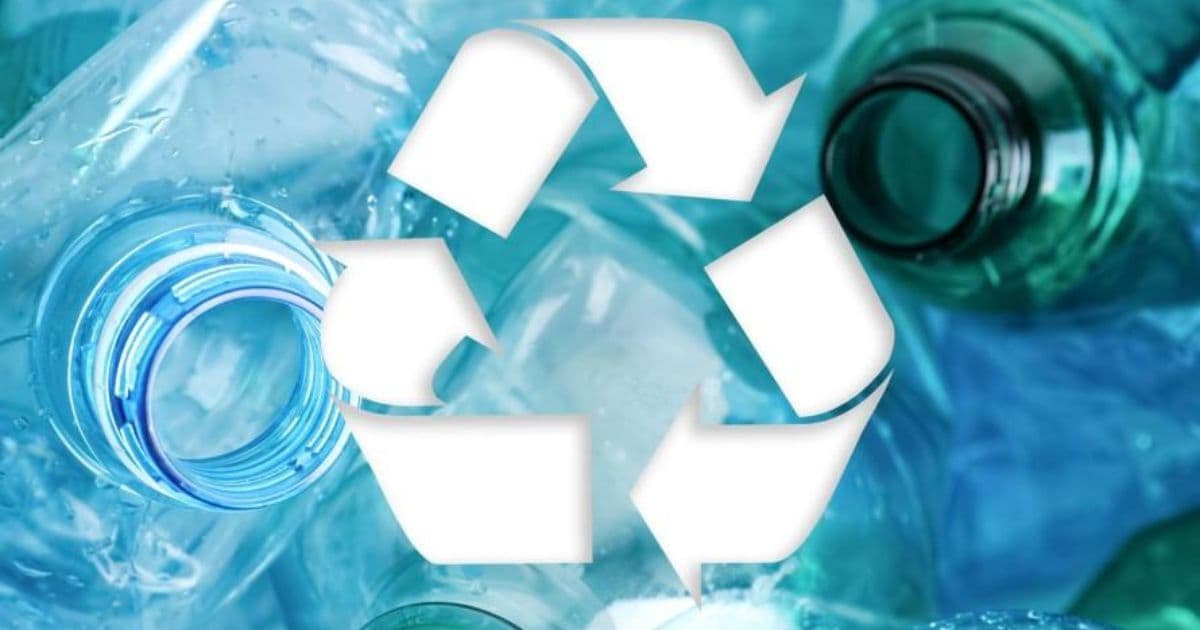
I/ Recycled Content Requirements in European PET Bottles
1. EU Targets for rPET Usage
Under the Single-Use Plastics Directive:
- PET bottles must contain at least 25% recycled plastic by 2025
- This increases to 30% by 2030
These targets apply across all EU member states, making rPET sourcing a critical supply chain priority.
2. Benefits of Using Recycled PET
- Reduces carbon footprint
- Aligns with circular economy goals
- Enhances brand sustainability image
- Meets retailer and consumer expectations
3. Challenges for Beverage Exporters
- Limited availability of food-grade rPET
- Price volatility compared to virgin PET
- Compliance verification across markets
II/ Export-Ready PET Bottle Design for Europe
1.Lightweighting for Cost Efficiency
Reducing bottle weight lowers:
- Shipping costs
- Material usage
- Environmental impact
2. Compliance with EU Labeling Standards
Export-ready PET bottles must comply with:
- Multilingual labeling
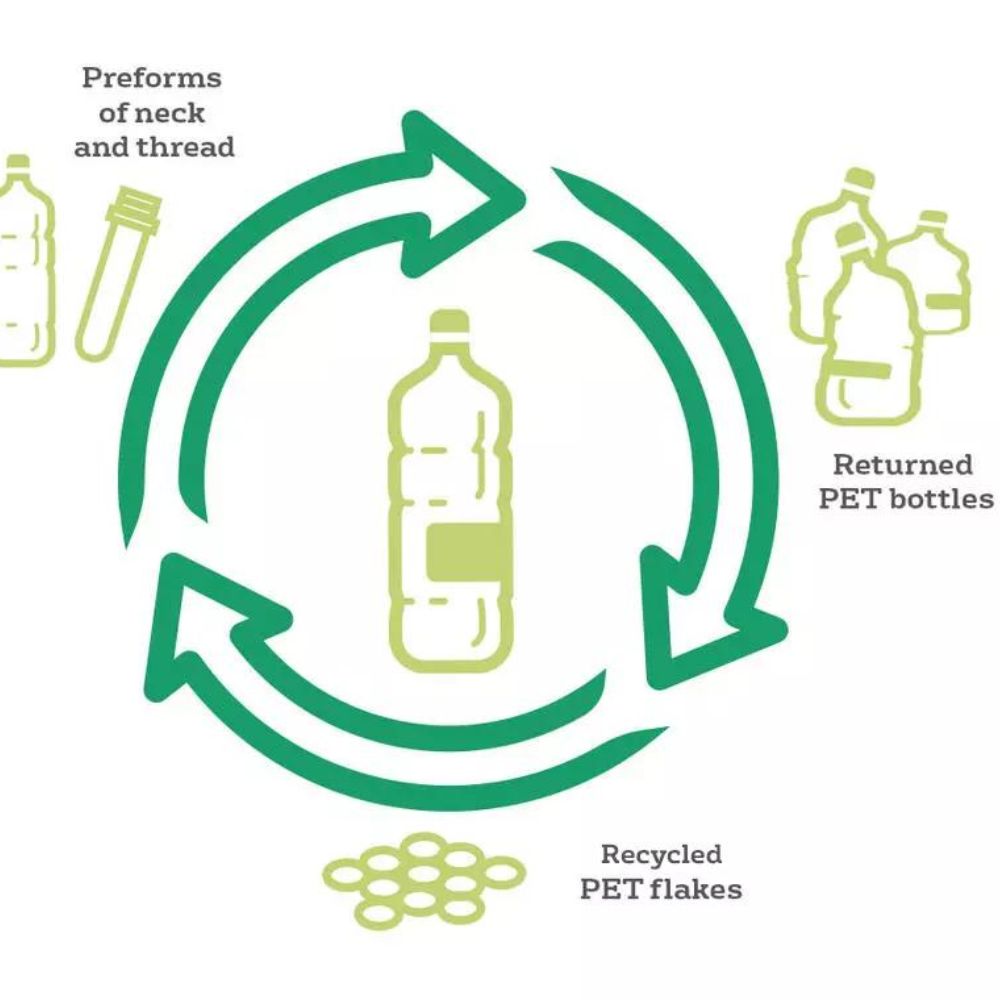
- Recycling symbols
- Barcode and traceability systems
3. Shelf Appeal and Market Fit
European consumers prefer:
- Minimalist design
- Eco-friendly messaging
- Transparent packaging
III/ Key Trends Shaping PET Bottles in Europe
1. Circular Packaging Systems
Brands are investing in:
- Closed-loop recycling
- Deposit return schemes
2. Smart Packaging Integration
- QR codes for traceability
- Digital product passports (emerging in EU policy)
3. Premiumization
- Unique bottle shapes
- Embossed branding
- Matte or frosted finishes
IV/ Frequently Asked Questions (FAQ)
1.What is the minimum recycled content for PET bottles in Europe?
At least 25% by 2025 and 30% by 2030 under EU regulations.
2. Are tethered caps mandatory in Europe?
Yes, all beverage bottles under 3 liters must have tethered caps since July 2024.
3. Why is rPET important for beverage brands?
It reduces environmental impact and ensures compliance with EU sustainability laws.
4. How can exporters make PET bottles EU-compliant?
By using rPET, implementing tethered caps, and ensuring proper labeling and lightweight design.
V/ Conclusion
The European PET bottle market is rapidly evolving under sustainability and regulatory pressure. From recycled content mandates to tethered caps and export-ready design, beverage brands must adapt quickly to stay competitive. Aligning with EU standards not only ensures compliance but also strengthens brand positioning in a sustainability-driven market.