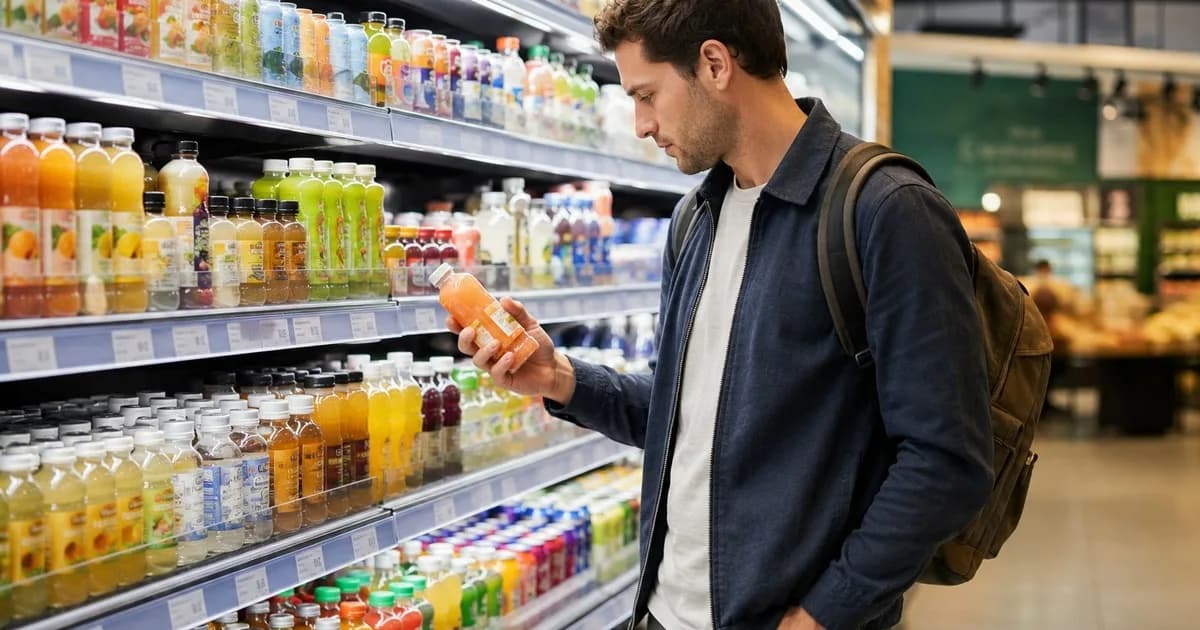
Launching a beverage brand can require significant time, investment, and technical expertise. Businesses must normally develop a formula, test the product, select suitable packaging, prepare compliant labels, organize production, and establish quality-control procedures before entering the market.
Private label drinks provide a faster and more cost-effective alternative. Instead of developing a beverage entirely from scratch, businesses can select ready-to-market beverage concepts, customize the branding and packaging, and work with an experienced private label beverage manufacturer to prepare the products for commercial distribution.
For importers, distributors, retailers, hospitality businesses, and emerging beverage brands, private label manufacturing can reduce development risk and accelerate market entry. This guide explains how private label beverages work, how they differ from OEM and ODM, and what buyers should prepare before requesting a quotation.
1. What Are Private Label Drinks?
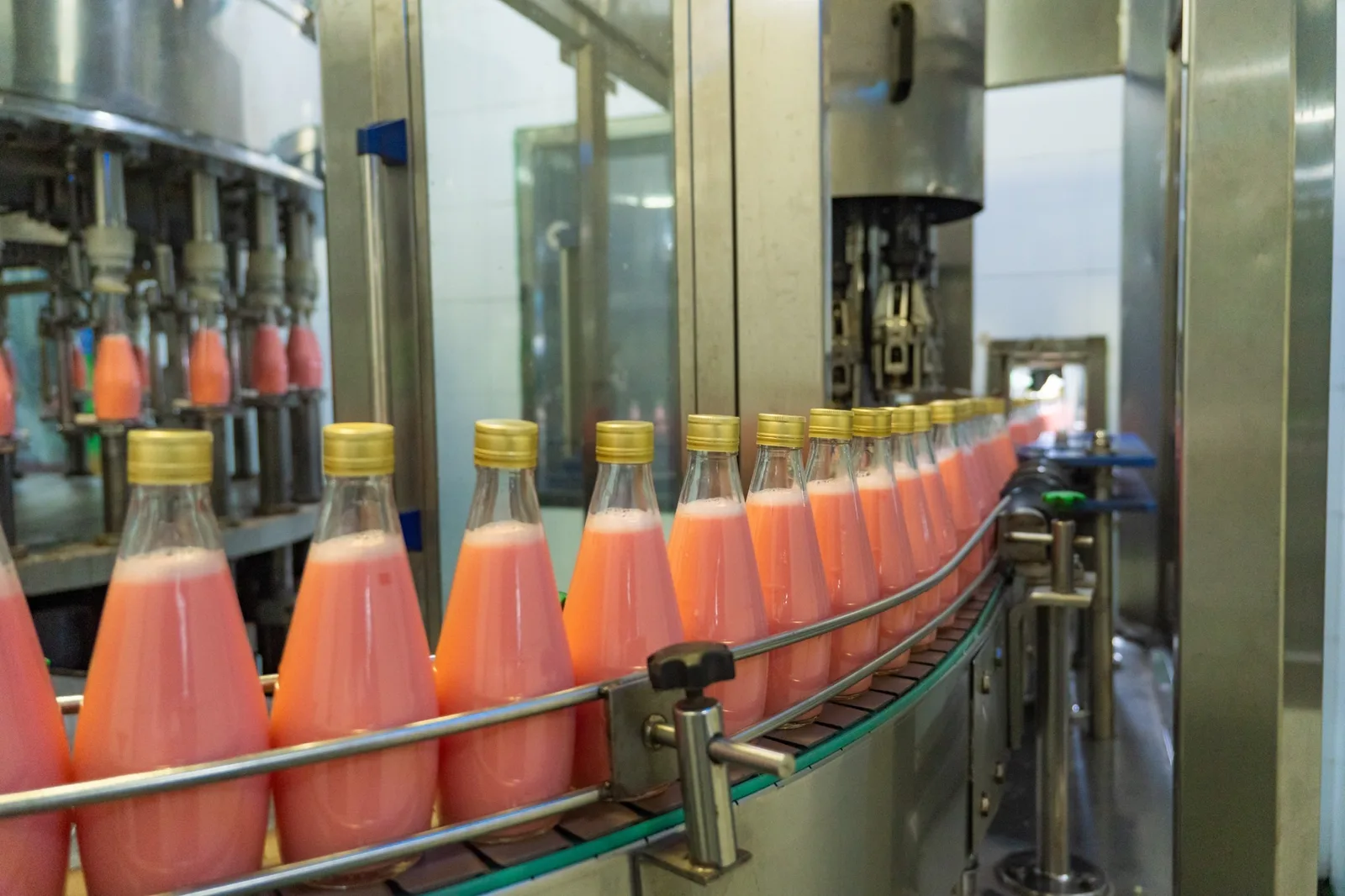
Private Label Beverage Production
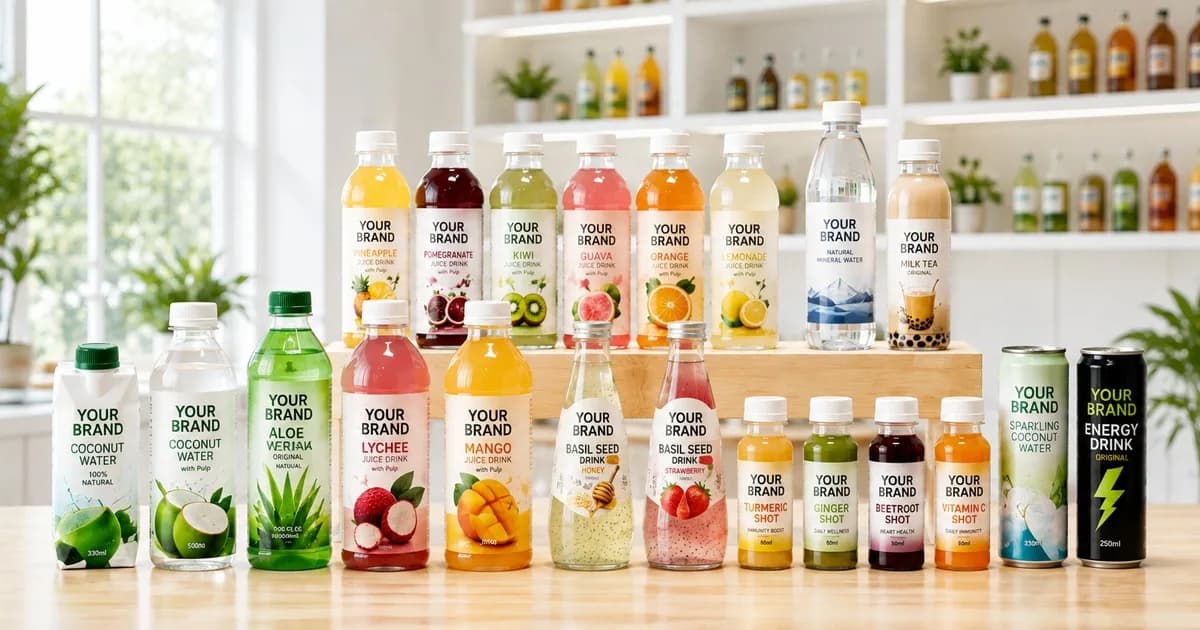
Private label drinks are beverages produced by a manufacturer and sold under the buyer’s own brand. The manufacturer manages the production process, while the buyer focuses on branding, product positioning, marketing, and distribution. Depending on the manufacturer’s capabilities, buyers can select the beverage category, flavor, product size, packaging format, and label design.
In short, launching a private label beverage generally involves:
- Defining the target market
- Selecting a ready-to-market beverage concept
- Choosing a flavor and product size
- Selecting a suitable packaging format
- Reviewing samples and product specifications
- Customizing the brand and packaging artwork
- Confirming commercial terms
- Approving the product for production
- Preparing the order for delivery or export
The exact process varies by product, packaging type, order quantity, and destination market. However, every professional private label beverage project should prioritize product quality, clear specifications, compliant labeling, and reliable manufacturing support.
1.1. Key Benefits of Private Label Beverages
Private label solutions can offer several commercial advantages:
- Faster time to market
- Lower product development costs
- Reduced R&D requirements
- Lower commercial risk
- Access to established beverage concepts
- Flexible branding and packaging
- Professional manufacturing support
- Easier expansion into new product categories
- Support for domestic and international distribution
This manufacturing model can be especially suitable for businesses that want to launch a beverage without building their own production facility or managing the entire product-development process internally.
1.2. Private Label vs. OEM vs. ODM
Private Label, OEM, and ODM are different manufacturing approaches. Understanding the differences helps buyers choose a model that matches their product concept, budget, technical requirements and launch schedule.
Private Label
Private label programs typically use existing or ready-to-market beverage concepts provided by the manufacturer.
Buyers can customize elements such as:
- Brand name
- Logo
- Label design
- Packaging artwork
- Product size
- Selected flavor
- Carton design
Because the core beverage concept is already available, private label manufacturing is generally the fastest option for launching a beverage brand.
OEM
OEM beverage manufacturing is based on a formula or detailed product specification supplied by the buyer.
This approach is suitable for established beverage brands that already have:
- An existing product formula
- Defined ingredient requirements
- Technical specifications
- Quality standards
- Packaging requirements
The manufacturer produces the beverage according to the agreed customer specifications.
ODM
ODM services support the development of a new beverage from an initial idea.
The process may include:
- Product concept development
- Ingredient selection
- Formulation
- Laboratory testing
- Sample development
- Product adjustments
- Specification approval
Because ODM projects require additional development and testing, they generally involve more time and technical coordination than private label programs.
2. Why Private Label Helps Beverage Brands Launch Faster
Developing a completely new beverage can involve multiple rounds of formulation, ingredient sourcing, sample testing, packaging evaluation, stability assessment, and regulatory review.
Each stage can affect the project timeline and total investment. Private label beverage solutions simplify the process by allowing businesses to begin with an established product concept and production system.
2.1. Reduced Product Development Time
Creating a beverage from scratch may take considerable time. The formula must be developed, tested, adjusted, and approved before commercial production can begin.
With private label manufacturing, buyers can select from available beverage concepts and review samples to determine whether the products match their target market.
This reduces the number of development stages and allows the project to move more quickly toward branding, packaging, and commercial production.
2.2. Lower R&D Costs
New beverage development may require technical specialists, ingredients, laboratory trials, stability testing, and several rounds of sample revision.
Private label solutions can reduce these costs because the manufacturer has already established the core product concept and production process.
Buyers can therefore allocate more resources to:
- Brand development
- Packaging design
- Marketing
- Distribution
- Sales activities
- Market expansion
2.3. Access to Established Production Systems
An experienced manufacturer already has production lines, packaging equipment, trained personnel, quality-control procedures, and supply-chain systems in place.
Businesses can use these established capabilities instead of investing in their own manufacturing infrastructure.
This is particularly useful for importers, distributors, retailers, and emerging brands that want to focus on commercial growth rather than factory operations.
2.4. Flexible Branding and Packaging
Private label buyers can usually customize key brand elements, including:
- Brand name and logo
- Product name
- Flavor identification
- Label design
- Packaging artwork
- Barcode
- Carton artwork
- Distributor information
- Market-specific product information
The available level of customization depends on the product, packaging format, minimum order quantity, and manufacturer’s production capabilities.
2.5. Lower-Risk Market Testing
Private label beverages allow businesses to test a new category or target market without investing in a completely new formulation.
This approach may help buyers evaluate:
- Consumer response
- Retail performance
- Distributor interest
- Flavor preferences
- Packaging acceptance
- Market demand
The commercial results can then guide future product expansion or more customized OEM and ODM projects.
3. Step-by-Step Private Label Beverage Launch Process
A well-organized private label project moves through several stages, from defining the target market to commercial production and delivery.
3.1. Define the Target Market
The first step is to determine where and how the beverage will be sold.
Buyers should identify:
- Target country or region
- Intended consumer group
- Sales channel
- Product positioning
- Expected price segment
- Preferred beverage category
- Packaging preferences
- Regulatory and labeling requirements
A product intended for supermarkets may require different packaging, sizing, and positioning from one sold through convenience stores, foodservice channels, e-commerce platforms, or hospitality businesses.
3.2. Select the Beverage Concept
After identifying the target market, buyers can review the manufacturer’s available product portfolio.
Selection criteria may include:
- Beverage category
- Flavor
- Ingredient profile
- Sweetness level
- Product size
- Shelf-life requirements
- Target price
- Packaging compatibility
Selecting a concept that matches local consumer preferences and distribution conditions can improve the product’s commercial suitability.
3.3. Choose the Packaging Format
Packaging influences product protection, shelf presentation, consumer convenience, transportation performance, and brand positioning.
Common private label beverage packaging formats include:
- Aluminum cans
- PET bottles
- PP bottles
- Glass bottles
The selected format should be compatible with the beverage, filling process, intended shelf life, shipping conditions, and target market.
3.4. Review Samples and Specifications
Samples allow buyers to evaluate the product before confirming commercial production.
The review should consider:
- Taste
- Aroma
- Sweetness
- Color
- Texture
- Ingredient profile
- Nutrition information
- Product specifications
- Packaging appearance
- Expected shelf life
Buyers should provide clear and documented feedback. If changes are requested, the manufacturer can evaluate whether they are technically and commercially feasible.
3.5. Customize the Brand
Once the beverage concept has been selected, the buyer can prepare the brand identity and packaging artwork.
Typical elements include:
- Brand name
- Logo
- Product name
- Flavor name
- Ingredient list
- Nutrition Facts
- Net content
- Barcode
- Storage instructions
- Manufacturer or distributor information
- Date-code area
- Country-specific statements
All details should be reviewed carefully before the artwork is approved for printing.
Labeling requirements vary between markets. Buyers should confirm that the final packaging complies with applicable regulations in the destination country.
3.6. Confirm Commercial Terms
Before production begins, the manufacturer and buyer should confirm the technical and commercial requirements of the project.
These may include:
- Minimum order quantity
- Product quotation
- Product specifications
- Packaging specifications
- Payment terms
- Sample approval
- Artwork approval
- Production lead time
- Production schedule
- Shipping terms
- Export documentation
Clear written confirmation helps reduce misunderstandings and supports more efficient project management.
3.7. Quality Control and Commercial Production
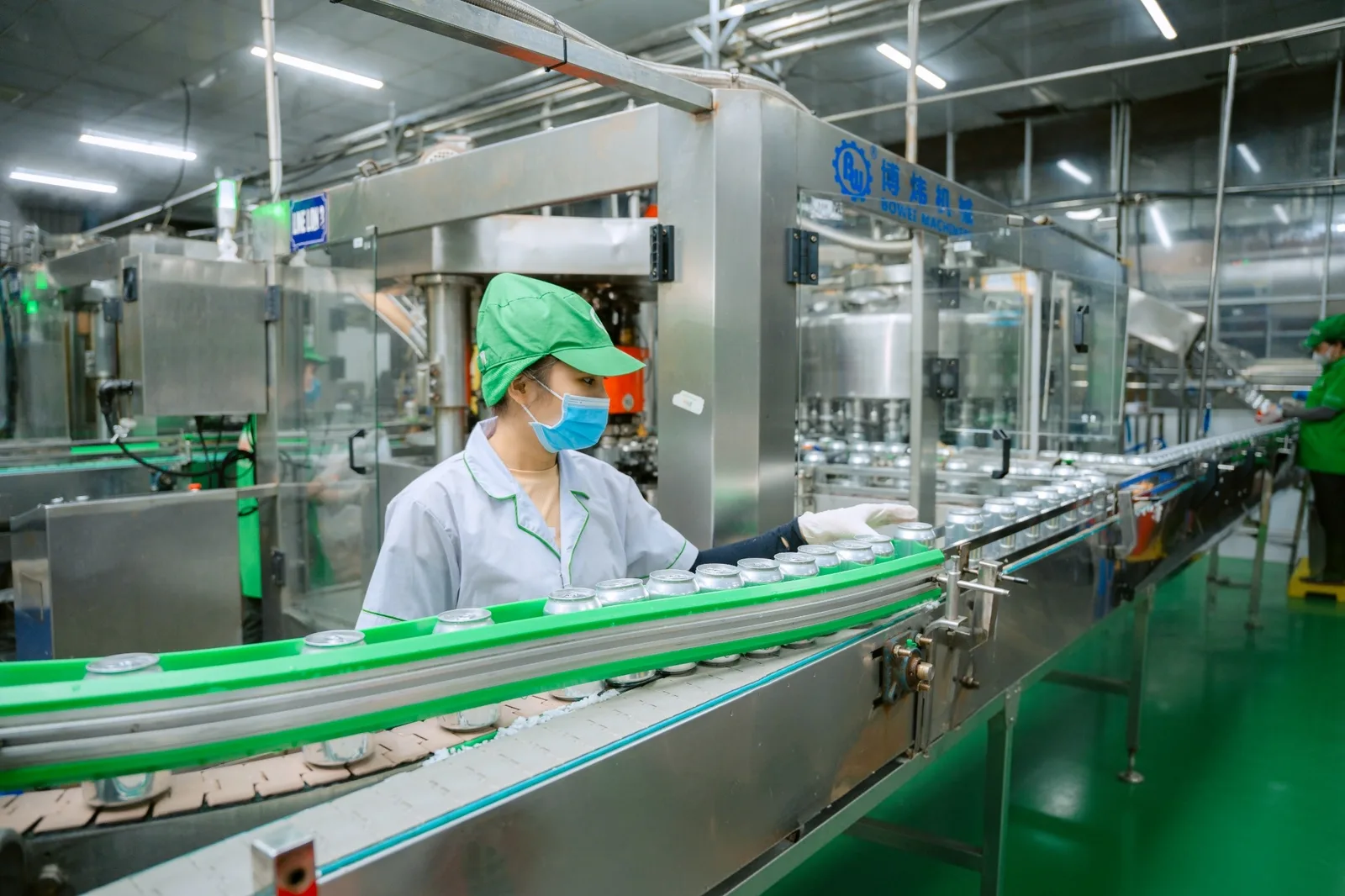
Quality Control Throughout Commercial Production
After the samples, artwork, specifications, and commercial terms have been approved, the manufacturer can schedule commercial production.
The process may include:
- Raw material inspection
- Ingredient verification
- Beverage processing
- In-process quality control
- Filling and sealing
- Date coding and labeling
- Finished-product testing
- Packaging inspection
- Carton packing
- Sample retention
- Warehouse storage
Production records and batch codes help support product identification and traceability.
3.8. Export Preparation and Delivery
The final stage involves preparing the finished products for delivery or international shipment.
Activities may include:
- Final product inspection
- Carton and pallet preparation
- Shipment coordination
- Container-loading preparation
- Export documentation
- Customs documentation support
- Delivery scheduling
Document requirements vary by beverage category and destination market. Buyers should confirm all required certificates and shipping documents before production begins.
4. Popular Private Label Beverage Categories
A professional private label beverage manufacturer should offer a broad product portfolio to support different consumer preferences, sales channels, and international markets.
Popular categories include:
4.1. Private Label Coconut Water
Coconut water is a widely recognized tropical beverage suitable for retail, convenience, foodservice, and international distribution.
Available concepts may include:
- Original coconut water
- Coconut water with pulp
- Coconut water blended with juice
- Flavored coconut water
The exact ingredient profile should be confirmed in the approved product specification.
4.2. Private Label Fruit Juice Drinks
Fruit juice drinks support a wide range of flavors and product-positioning strategies.
Popular tropical flavors may include:
- Mango
- Pineapple
- Lychee
- Passion fruit
- Pink guava
- Soursop
- Orange
- Mixed fruit
Buyers should confirm juice content, ingredients, sweetness, and product specifications before approval.
4.3. Private Label Aloe Vera Drinks
Aloe vera beverages combine a flavored beverage base with visible aloe vera pieces, creating a recognizable appearance and texture.
Available concepts may include original aloe vera drinks and fruit-flavored varieties.
4.4. Private Label RTD Coffee
Ready-to-drink coffee provides a convenient format for consumers who want a packaged coffee beverage without additional preparation.
Product concepts may include:
- Milk coffee
- Black coffee
- Iced coffee
- Flavored coffee drinks
The available options depend on the manufacturer’s product portfolio and processing capabilities.
4.5. Private Label Tea Drinks
Tea beverages can support a variety of flavors and market positions.
Available concepts may include:
- Black tea
- Green tea
- Fruit tea
- Milk tea
- Herbal tea beverages
Sweetness, flavor, packaging, and serving size can be selected according to the intended market.
4.6. Private Label Energy Drinks
Energy drinks are commonly distributed through supermarkets, convenience stores, gyms, and other fast-moving retail channels.
Ingredient use, product claims, and labeling requirements should be reviewed carefully for each destination market.
4.7. Private Label Basil Seed Drinks
Basil seed drinks combine a flavored beverage with visible basil seeds, creating a distinctive texture and appearance.
These products can be offered in various tropical fruit flavors, depending on the manufacturer’s available concepts.
4.8. Private Label Tropical Drinks
Tropical beverages allow brands to introduce flavors associated with Southeast Asia and other tropical regions.
These products may help distributors diversify their portfolios and offer new flavor experiences to consumers.
5. Packaging Formats for Private Label Drinks
Packaging plays an important role in product protection, shelf visibility, consumer convenience, transportation, and brand positioning.
5.1. Aluminum Cans
Aluminum cans provide a lightweight and widely recognized format for ready-to-drink beverages.
Potential advantages include:
- Strong shelf presentation
- Convenient handling
- Compatibility with various beverage categories
- Efficient storage and transportation
- Multiple size options
The manufacturer should confirm the can size, production compatibility, artwork method, and minimum order requirements.
5.2. PET Bottles
PET bottles are lightweight, practical, and available in different shapes and sizes.
Depending on the bottle design, the transparent packaging may allow consumers to see the beverage and any visible ingredients inside.
5.3. PP Bottles
PP bottles may be suitable for selected beverage categories and processing requirements.
The manufacturer should confirm compatibility between the container, filling process, product characteristics, and expected shelf life.
5.4. Glass Bottles
Glass bottles can support a premium appearance and strong product presentation.
However, buyers should also consider:
- Transportation weight
- Shipping costs
- Breakage risk
- Carton protection
- Pallet configuration
Each packaging format can generally be customized with the buyer’s brand and label, subject to manufacturing capability and minimum order quantity.
6. Key Quality Factors Buyers Should Confirm
Product quality depends on more than taste alone. Buyers should evaluate how the manufacturer controls raw materials, production, packaging, finished products, and documentation.
6.1. Product Specifications and Consistency
Professional manufacturers should monitor key product characteristics according to the approved specifications.
These may include:
- Brix
- pH
- Color
- Aroma
- Flavor
- Appearance
- Texture
- Fill volume
The relevant quality parameters vary according to the beverage category.
6.2. Packaging Integrity
Packaging quality affects product protection, transportation performance, shelf presentation, and consumer confidence.
Buyers should confirm:
- Container specifications
- Can-seam or cap integrity
- Leak-testing procedures
- Label placement
- Date-code format
- Carton specifications
- Storage recommendations
- Expected shelf life
6.3. Batch Traceability
A reliable manufacturer should maintain batch identification and production records.
Traceability systems may cover:
- Raw material batches
- Ingredient records
- Production date
- Finished-product batch code
- Quality-control results
- Retained samples
- Packing records
- Shipment information
These records help identify and review products throughout the manufacturing and distribution process.
6.4. Food-Safety and Export Readiness
Buyers should request current copies of applicable food-safety and quality certifications.
The required certifications depend on:
- Beverage category
- Destination market
- Import regulations
- Retailer requirements
- Distribution channel
- Buyer specifications
Manufacturers supporting international projects should also understand export preparation and provide appropriate documentation based on the destination country.
7. Buyer Checklist Before Requesting a Private Label Beverage Quote
Preparing clear project information helps the manufacturer evaluate feasibility, recommend suitable products, and provide a more accurate quotation.
7.1. Questions to Ask the Manufacturer
Before selecting a private label beverage manufacturer, buyers should ask:
- Which private label beverage categories are available?
- What flavors, product sizes, and packaging formats can you provide?
- What is the minimum order quantity?
- Can you provide samples for evaluation?
- Which branding and packaging elements can be customized?
- What is the estimated production lead time?
- Which food-safety certifications does your factory hold?
- What is your production capacity?
- Which export markets do you currently serve?
- Can you support destination-specific labeling requirements?
- How do you manage quality control and batch traceability?
- Which export documents can you provide?
7.2. Information to Provide for an Accurate Quotation
Buyers should prepare:
- Target country or region
- Intended sales channel
- Preferred beverage category
- Flavor requirements
- Packaging format
- Product size
- Estimated order quantity
- Brand and label requirements
- Required certifications
- Shipping destination
- Preferred trade terms
- Expected launch schedule
A complete project brief helps the manufacturer recommend an appropriate private label solution and prepare a more accurate quotation and production plan.
7.3. Documents to Request Before Production and Shipment
Buyers should request:
- Product Specification Sheet
- Ingredient List
- Nutrition Facts
- Approved Packaging Artwork
- Packaging Specifications
- Certificate of Analysis
- Food-Safety Certifications
- Commercial Invoice
- Packing List
- Certificate of Origin
- Health Certificate, where applicable
- Other destination-specific export documents, where required
Private Label Drinks Support Faster Market Entry |
Private label drinks provide a practical route for businesses that want to launch a beverage brand without managing the entire product-development and manufacturing process independently. By selecting a ready-to-market beverage concept, choosing suitable packaging, customizing the brand, and working with an experienced private label beverage manufacturer, businesses can reduce development time and enter the market more efficiently. Successful projects still require careful preparation. Buyers should define their target market, review samples and specifications, prepare compliant packaging artwork, confirm commercial terms, and evaluate the manufacturer’s quality and export capabilities. With the right product strategy and manufacturing partner, private label beverages can support faster market entry, portfolio expansion, and long-term brand development. |