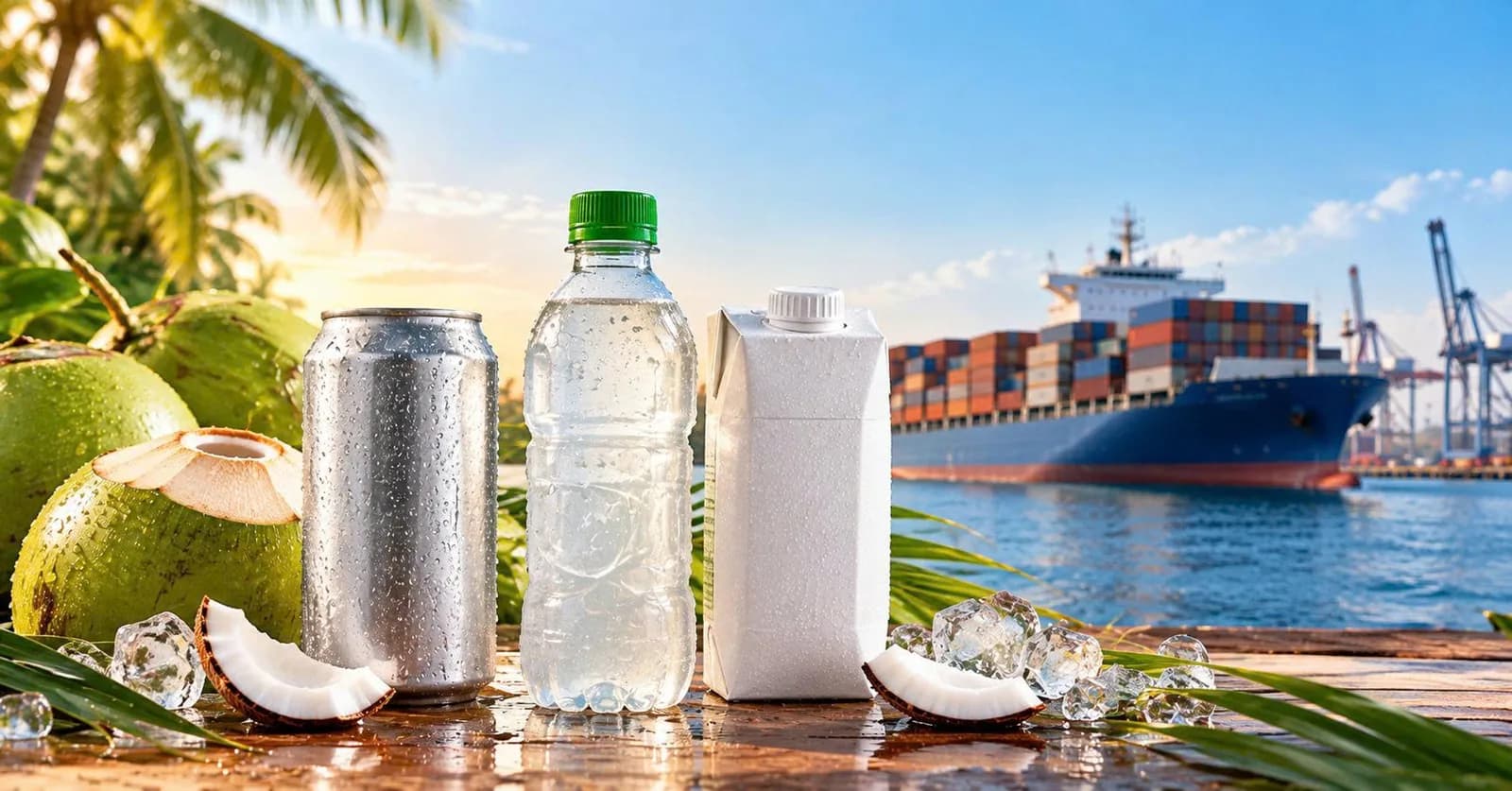
Choosing between a can, PET bottle, and carton is not simply a packaging-design decision.
The selected format affects:
- Product protection
- Processing requirements
- Shelf-life validation
- Consumer usage
- Retail placement
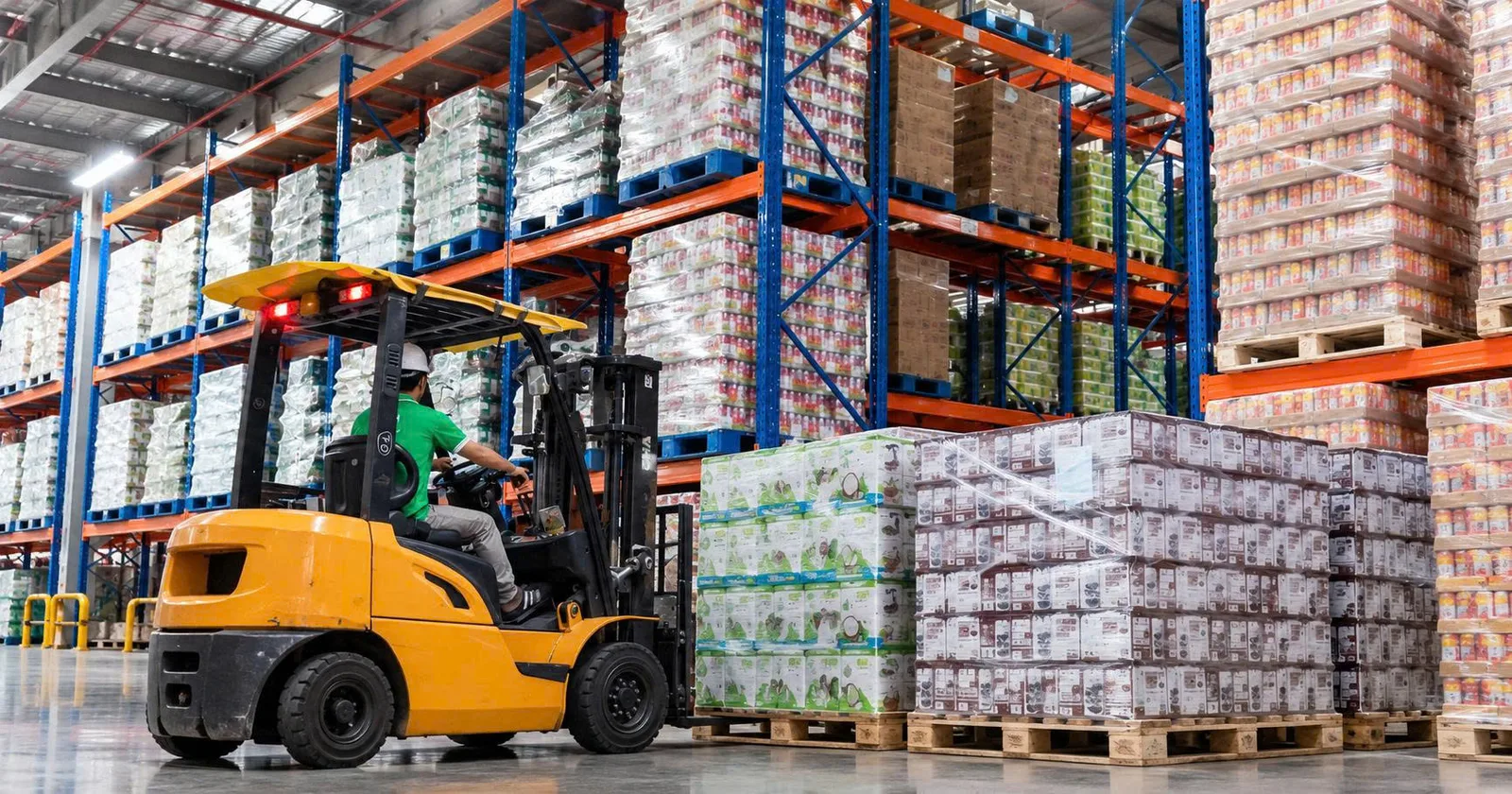
- Case and pallet efficiency
- Shipping damage
- Barcode and product data
- State recycling obligations
- Landed cost per saleable unit
Packaging cannot improve poor raw materials or an inadequate production process. It can only help protect the product quality established before filling. The final performance depends on the coconut water formula, processing system, package material, closure, storage conditions, and distribution environment.
This guide compares the three main formats from the perspective of U.S. importers, distributors, and retailers.

Important definition: “Can” in this guide means a hermetically sealed metal beverage can. Buyers should confirm whether the can body and end are aluminum, steel, or another metal. “Carton” refers primarily to a shelf-stable aseptic beverage carton, not the corrugated master shipping case
1. Single-Serve Coconut Water Packaging: Metal Cans
Metal cans are widely considered for single-serve coconut water because they combine strong product protection with compact retail presentation.
1.1. Product-Protection Advantages
A metal can provides a complete barrier to external light and oxygen through the container wall. This can help protect beverages whose color, aroma, or flavor may change through light or oxygen exposure.
However, the can body is only one part of the system. Buyers must also evaluate:
- Internal coating or lacquer
- Can end
- Double seam
- Headspace
- Fill level
- Thermal process
- Corrosion resistance
- Product and liner compatibility
A strong barrier does not compensate for a damaged seam, unsuitable internal coating, excessive dissolved oxygen, or an inadequately validated process.
1.2 Commercial Advantages
Metal cans may work well for:
- Convenience stores
- Vending
- Chilled impulse purchase
- Ethnic grocery
- Supermarket single-serve sections
- Foodservice
- E-commerce multipacks
- Promotional variety packs
The full cylindrical surface can also provide substantial space for brand graphics and product communication.
1.3. Commercial Limitations
Buyers should consider that cans:
- Are normally not resealable
- Do not allow consumers to see the beverage
- Can dent during handling
- May require relatively high quantities for fully printed designs
- Can create excess packaging inventory when artwork changes
- Require careful seam and corrosion control
- May not suit consumers seeking a larger, repeatedly opened package
1.4. Can-Specific Due Diligence
Request the following:
Requirement | Evidence |
| Can material | Body and end material specification |
| Internal coating | Supplier declaration and compatibility information |
| Food-contact compliance | Regulatory status for the intended product and process |
| Seam integrity | Double-seam specification and inspection records |
| Corrosion resistance | Product-specific storage or pack testing |
| Thermal process | Scheduled process or validation applicable to the SKU |
| Fill control | Net-content, headspace, and fill-volume tolerances |
| Damage resistance | Case, pallet, drop, vibration, and compression testing |
| Lot coding | Legible code after processing and distribution |
2. PET Bottles for Coconut Water
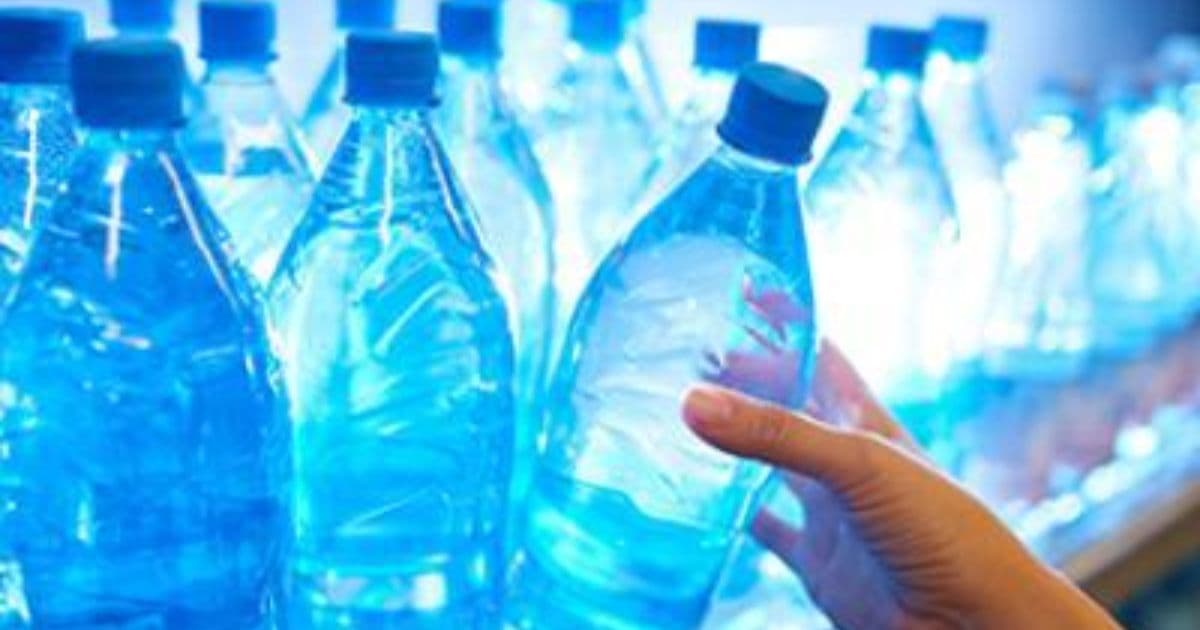
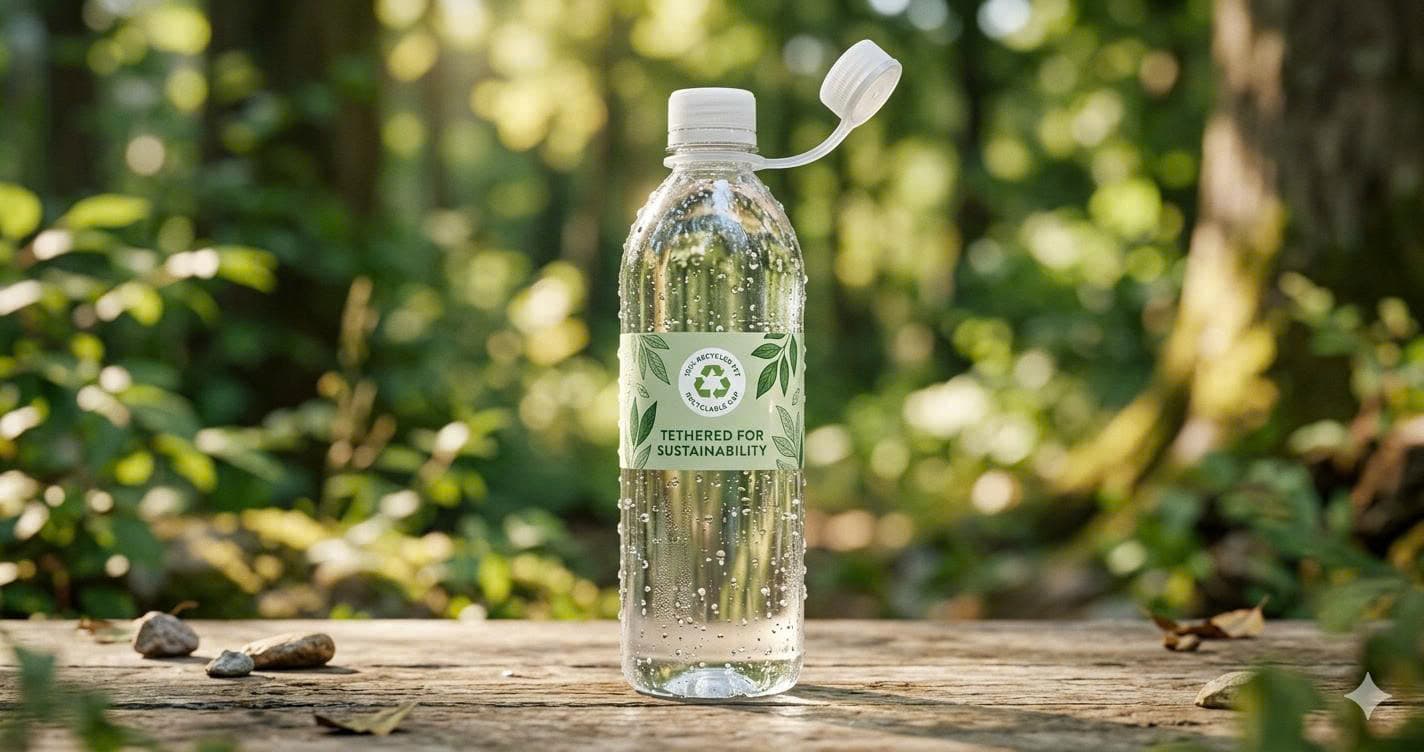
PET bottles can support transparent, resealable, and consumer-friendly coconut water formats.
They are particularly relevant when the product strategy requires:
- A screw cap
- On-the-go consumption over multiple occasions
- A 500 ml or family-size format
- Product visibility
- An ergonomic bottle shape
- Flavor differentiation through labels or sleeves
- A format that resembles water or functional hydration products
2.1. PET Performance Depends on the Bottle Design
A standard PET bottle should not automatically be assumed suitable for hot filling or extended ambient storage.
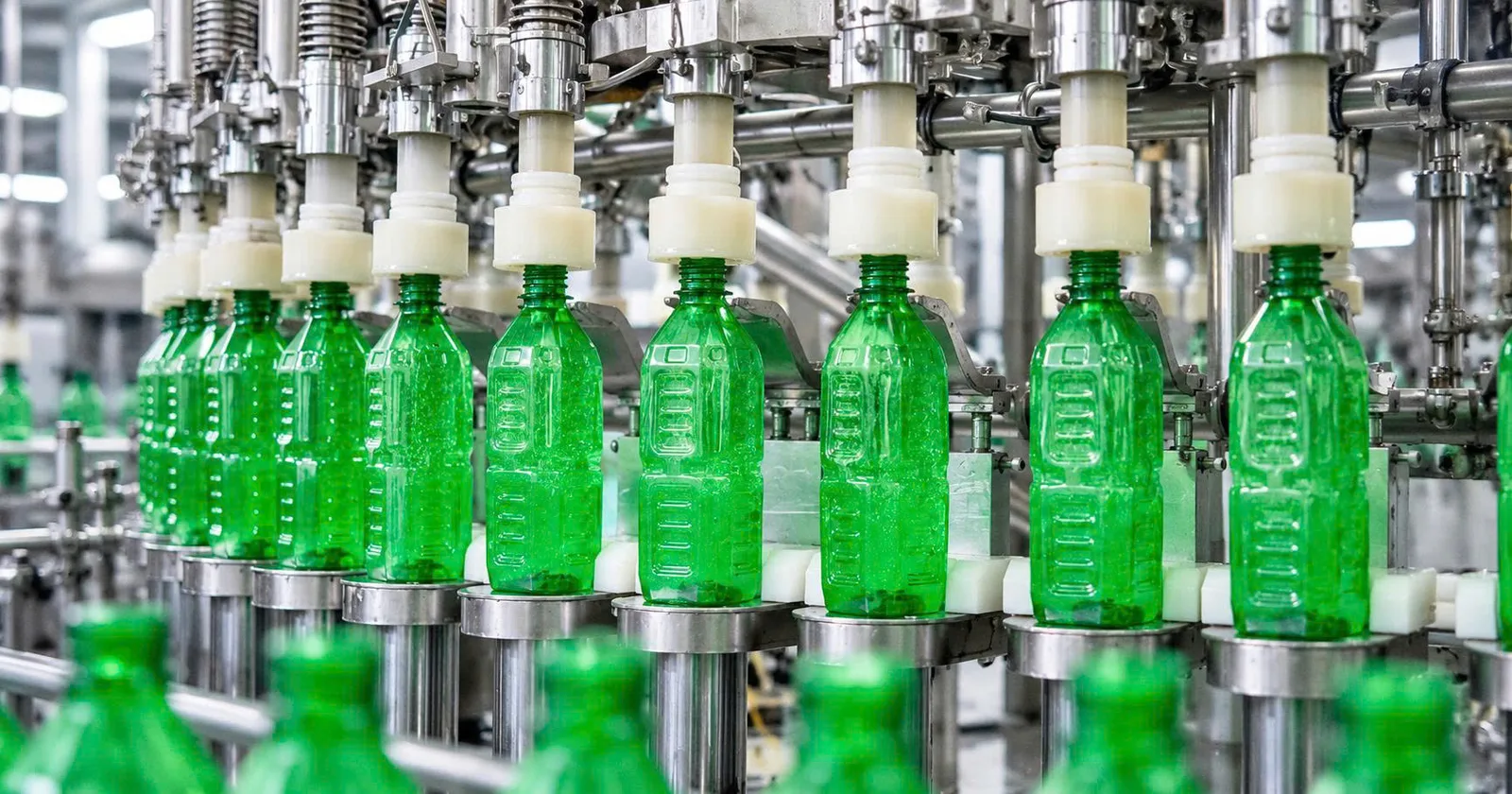
Depending on the production system, the project may require:
- Heat-set PET
- Aseptic PET
- Oxygen-barrier technology
- UV protection
- An oxygen scavenger
- A specialized closure
- Vacuum panels
- Reinforced top-load performance
Commercial heat-set PET systems can be engineered for elevated filling temperatures. Amcor, for example, describes PET heat-set technology designed for filling at up to 85°C. This confirms that hot-fill capability is a designed package characteristic rather than an automatic property of every PET bottle.
2.2. Product-Protection Considerations
Compared with a metal can or an opaque aseptic carton, clear PET normally requires more attention to:
- Light exposure
- Oxygen transmission
- Headspace oxygen
- Cap permeability
- Flavor stability
- Color change
- Bottle deformation
- Storage near heat sources
The buyer should request test results for the exact bottle weight, resin, color, barrier structure, closure, label, and filling process.
2.3. Key Business Benefits
PET can offer:
- Resealability
- Product visibility
- Lightweight handling
- Multiple bottle sizes
- Familiar hydration positioning
- Large label area
- Convenient household use
- Compatibility with chilled merchandising
2.4. Key Business Considerations
Potential risks include:
- Bottle paneling or deformation
- Cap leakage
- Scuffing during transport
- Light exposure through clear material
- Lower barrier performance without suitable technology
- Greater case cube for some bottle shapes
- Recycling complications caused by colorants, barriers, labels, inks, and sleeves
2.5. PET Design and Recycling
PET recyclability must be assessed as a complete package rather than from the bottle resin alone.
The Association of Plastic Recyclers evaluates the bottle body, color, closure, label, adhesive, ink, barrier layers, and other attachments. Its 2026 guidance notes that bottle color can affect optical sorting and the value of recovered PET, while clear PET generally offers the widest range of recycling applications.
A full-body shrink sleeve or barrier technology should therefore be reviewed for both product performance and recycling compatibility.
2.6. PET-Specific Due Diligence
Requirement | Evidence |
| Resin and bottle structure | Resin, bottle weight, layer, and barrier specifications |
| Processing compatibility | Hot-fill, aseptic, retort, or cold-fill validation |
| Oxygen and light protection | Transmission data and shelf-life evidence |
| Closure | Cap material, torque specification, liner, and leakage testing |
| Bottle strength | Top-load, drop, vacuum, and pressure performance |
| Label system | Label, sleeve, ink, adhesive, and recycling compatibility |
| Product visibility | Color-stability testing under retail lighting |
| Transit performance | Scuffing, paneling, leakage, and case-compression testing |
3. Aseptic Carton Coconut Water: Packaging Considerations
Aseptic cartons are multilayer packages commonly used for shelf-stable juices, dairy products, plant-based beverages, and coconut products.
A conventional aseptic carton typically combines:
- Paperboard for strength
- Polymer layers for moisture protection and sealing
- A thin aluminum layer for protection from light and air
Tetra Pak states that this structure can support long shelf life without refrigerated distribution when the product and package are processed and filled aseptically.
This is a packaging-system capability, not a guaranteed shelf-life claim for every coconut water formula.
3.1. Commercial Strengths
Aseptic cartons may offer:
- Strong light and oxygen protection
- Ambient distribution
- Rectangular shelf presentation
- Efficient use of case and pallet space
- Family-size and multi-serve options
- Large printable panels
- Cap or straw configurations
- Familiarity in juice and plant-based beverage sections
3.2. Commercial Constraints
Buyers should evaluate:
- Whether the product is still or carbonated
- Whether the filler can handle pulp or suspended ingredients
- Whether a cap or straw is required
- Edge and corner damage
- Puncture resistance
- Seal integrity
- Exposure to water or high humidity
- Consumer acceptance of carton-packaged coconut water
- Local carton-recycling access
- Dependence on a specific filling system and laminate
Standard aseptic cartons are generally evaluated for still beverages. A sparkling coconut water project requires a pressure-rated package and filling system.
3.3. Formula and Laminate Compatibility
The complete coconut beverage formula must be disclosed to the packaging and filling specialists.
Tetra Pak’s Coconut Handbook notes that components in some coconut liquid products can interact with particular laminate structures. Fine suspended particles may also affect package sealing. The suitable laminate should therefore be selected from the actual formula rather than from the general product category.
This is particularly relevant for products containing:
- Coconut cream
- Added oils
- Pulp
- Powders
- Stabilizers
- Flavors
- Minerals
- Functional ingredients
3.4. Carton Recycling
Cartons contain multiple materials that must be collected, sorted, and processed through suitable infrastructure.
The Carton Council reported that approximately 63% of U.S. households had access to carton recycling at the end of 2025. Local acceptance still varies, and access does not prove that every package design is collected or recycled in every market.
3.5. Carton-Specific Due Diligence
Requirement | Evidence |
| Carton type | Aseptic structure, size, shape, and opening format |
| Laminate compatibility | Written confirmation for the selected formula |
| Filling system | Filler, sterilization method, and process validation |
| Seal integrity | Longitudinal and transversal seal controls |
| Closure or straw | Material, attachment, leakage, and tamper evidence |
| Shelf life | Product-specific real-time stability study |
| Case protection | Edge, puncture, humidity, and compression testing |
| Recycling claim | Market-specific collection-access substantiation |
4. Coconut Water Can vs PET: Comparison With Aseptic Cartons
Evaluation factor | Metal can | PET bottle | Aseptic carton |
| External light barrier | Very high | Variable | High |
| External oxygen barrier | Very high through the can wall | Variable by bottle and closure | High with appropriate aseptic structure |
| Product visibility | No | Yes, when clear | No |
| Resealability | Usually no | Usually yes | Optional cap, depending on format |
| Carbonation suitability | Available with validated pressure design | Available with pressure-rated design | Standard aseptic formats are generally for still products |
| Single-serve fit | Strong | Strong | Available |
| Family-size fit | Limited | Strong | Strong |
| Cold-box fit | Strong | Strong | Depends on format and consumer expectation |
| Ambient distribution | Possible with validated process | Possible with validated process and barrier | Core aseptic use case |
| Decoration | Printed can, sleeve, or label | Label, sleeve, or direct decoration | Printed carton panels |
| Main damage mode | Dents and seam damage | Leakage, scuffing, paneling, and deformation | Edge crush, puncture, and seal damage |
| Consumer can see product | No | Yes | No |
| Package-system dependence | Can, liner, seam, and process | Bottle, barrier, closure, and process | Laminate, filler, sterilization, and seal system |
| Recycling consideration | Confirm metal type and local program | Assess bottle, color, label, closure, and barrier | Confirm local carton collection and processing |
| Typical strategic role | Compact branded single serve | Resealable hydration and larger formats | Ambient shelf-stable and multi-serve distribution |
5. U.S. Coconut Water Market Packaging: Channel Requirements
5.1. Convenience Stores
Convenience buyers normally prioritize:
- Immediate product recognition
- Single-serve consumption
- Cold-box visibility
- Fast turnover
- Simple case handling
- Competitive price per unit